A-Level syllabus
Every A-Level History (UK) skill maps to a topic in the syllabus, so sessions cover what the exams test.

A-Level History (UK)
Pioneered by Stanford AI researchers and learning scientists, Aristotle is the world's first voice-based AI tutor. Built for the A-Level History (UK) syllabus and exams.
Trusted by families at








Fits your child's A-Level History (UK) class
Every A-Level History (UK) skill maps to a topic in the syllabus, so sessions cover what the exams test.
Share your teacher's syllabus, textbook, or pacing guide and sessions follow your child's actual class.
Aiming for an A*? Aristotle plans review back from your child's target grade and exam date.
Exam prep
Aristotle tracks 230 A-Level History (UK) skills, finds the ones costing your child points, and plans review back from exam day.
Follows the syllabus, unit by unit.
Your child talks it through. Aristotle coaches from the step that went wrong.
Any time before the exam. No booking.
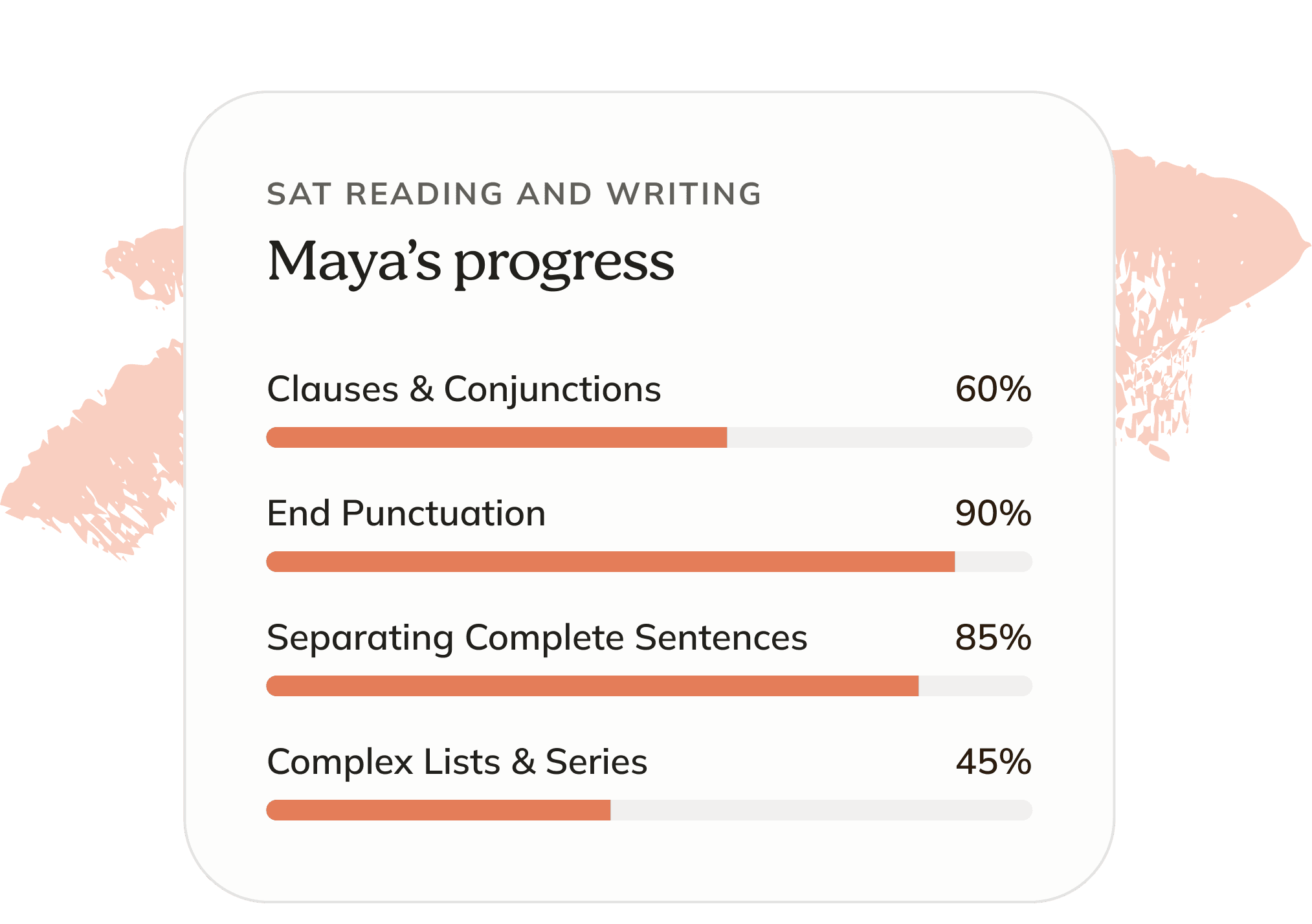
See what's mastered and what's left.
Features
Talk things through, work side by side, and come back next time to a tutor who remembers where you left off.
Ask questions out loud, hear explanations in Aristotle’s voice, and interrupt whenever you need to.
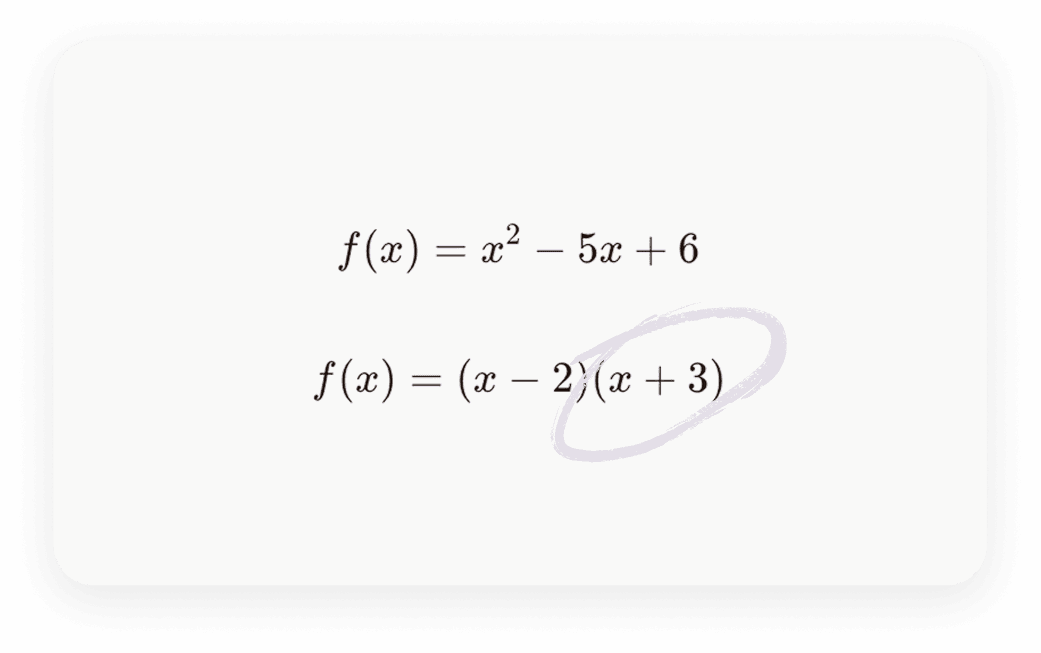
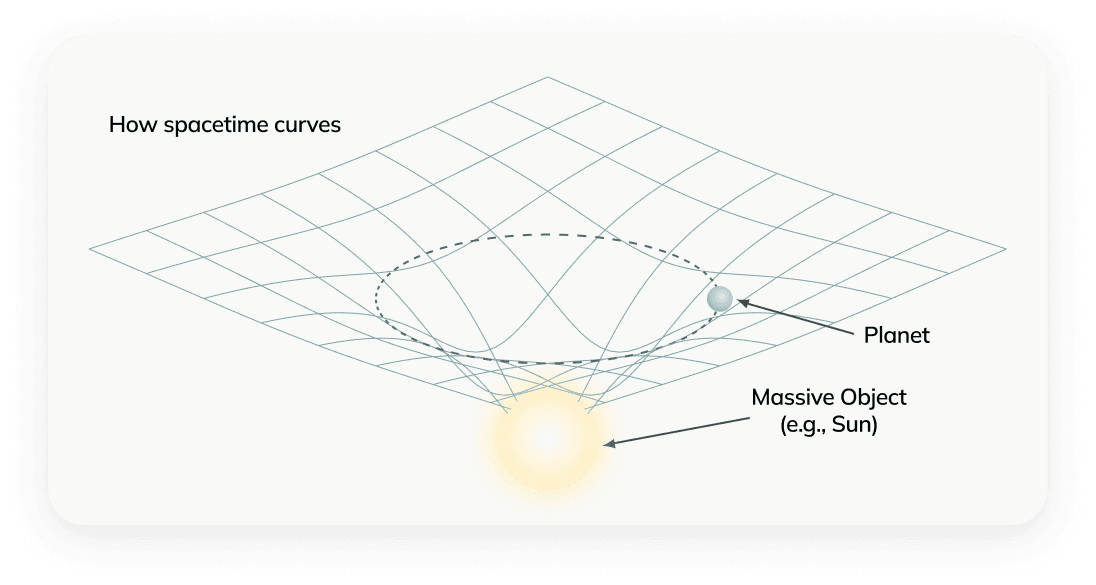
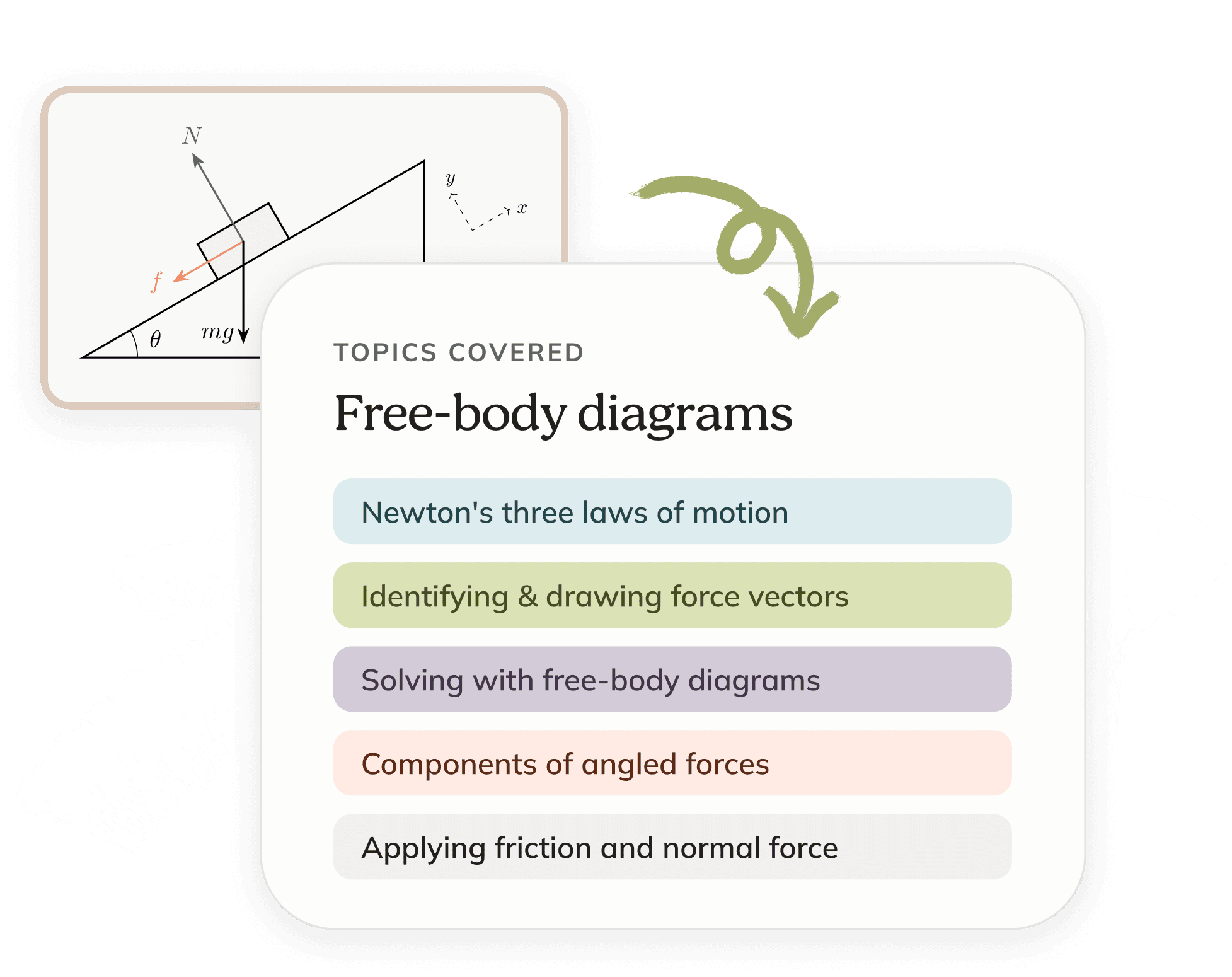
Aristotle draws steps, diagrams, and images to help you learn visually.
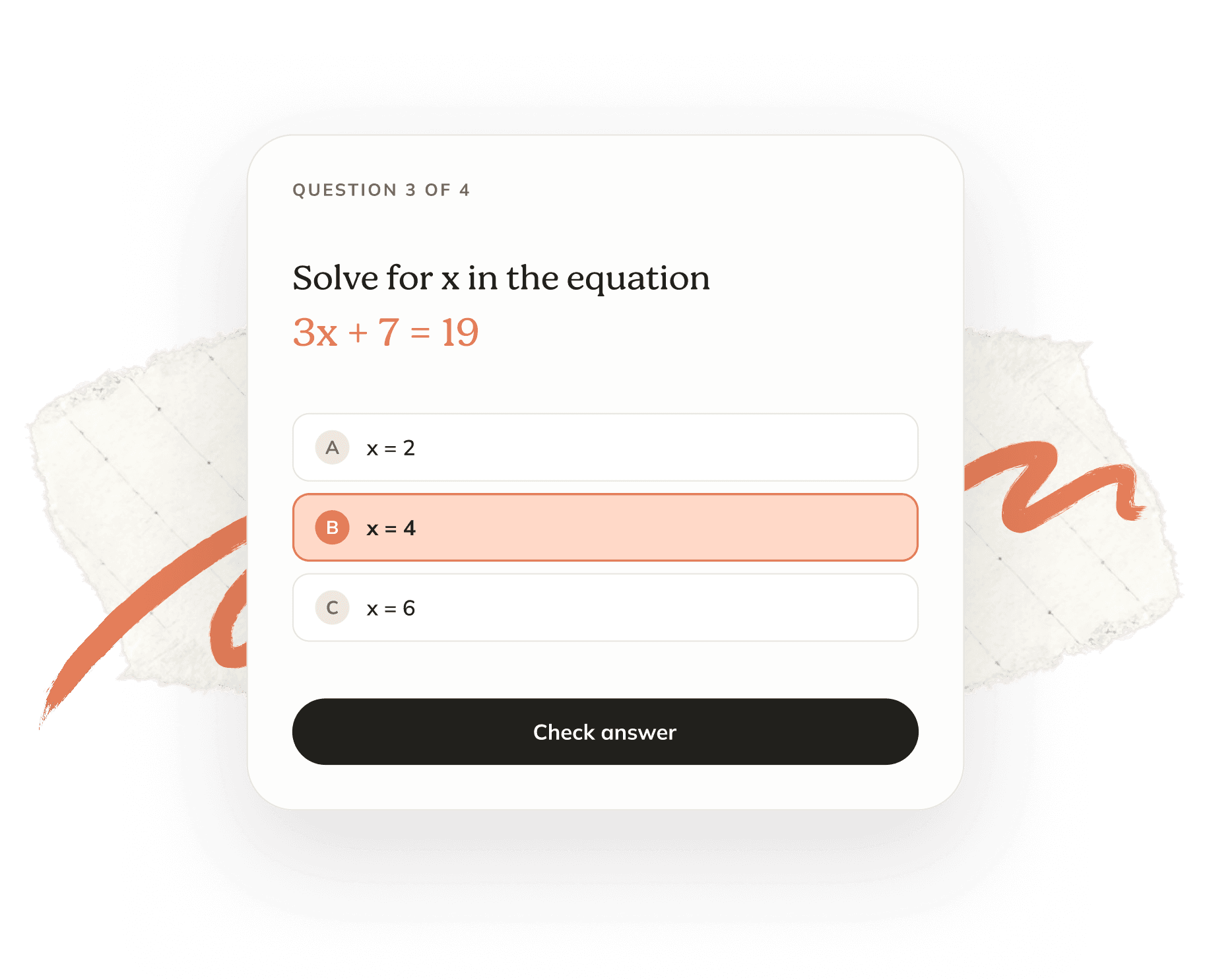
Get practice problems tailored to the exact topics you’re struggling with.
From middle-school math to AP exams to SAT/ACT prep. We also build custom plans matched to state standards and specific courses.
Revisit session summaries, session whiteboards, and uploads in one place.
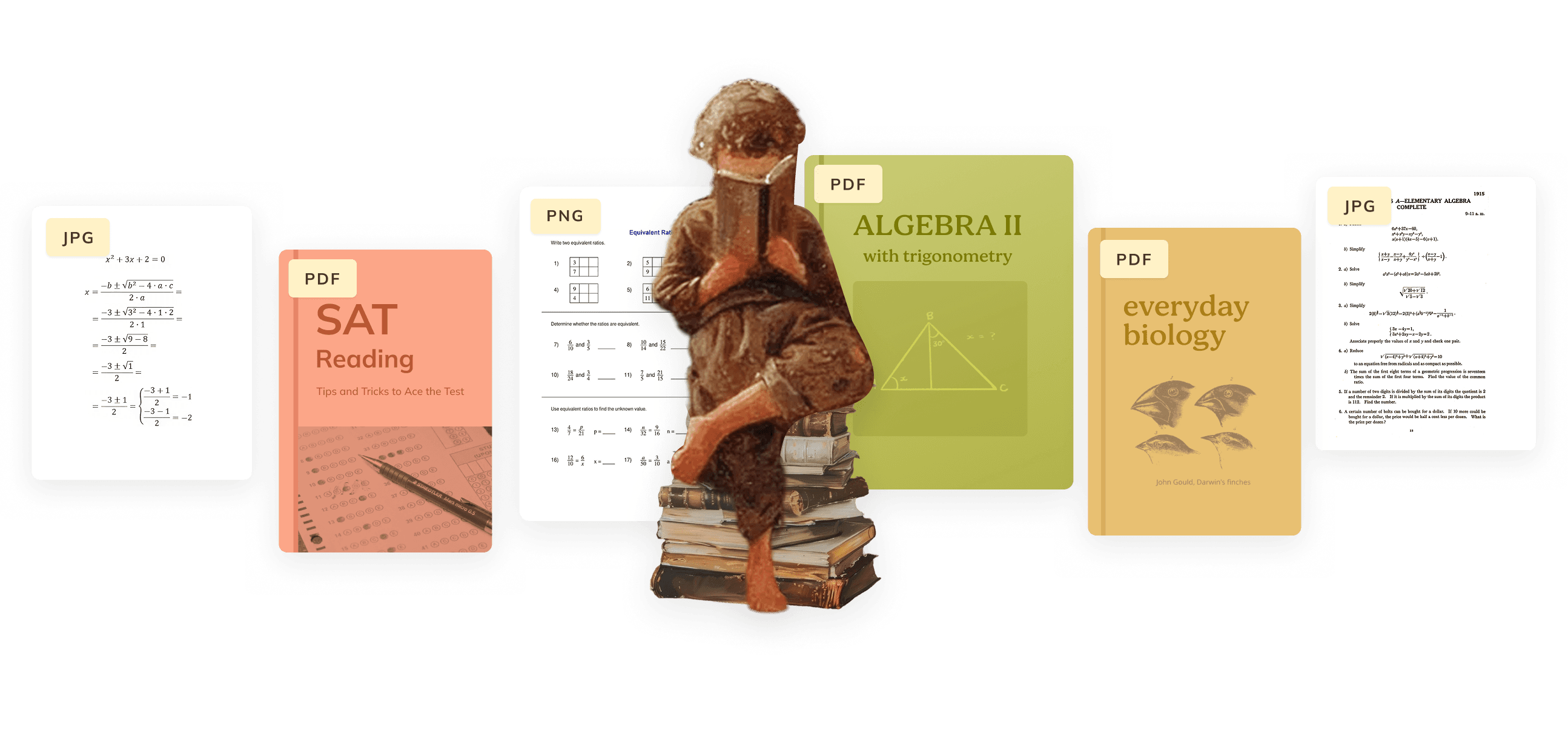
Aristotle can read and navigate any PDFs and images with the learner. That includes textbooks with hundreds of pages!
We break all subjects down into granular skills, then track mistakes and mastery on each one. Parents can see the whole picture at a glance.
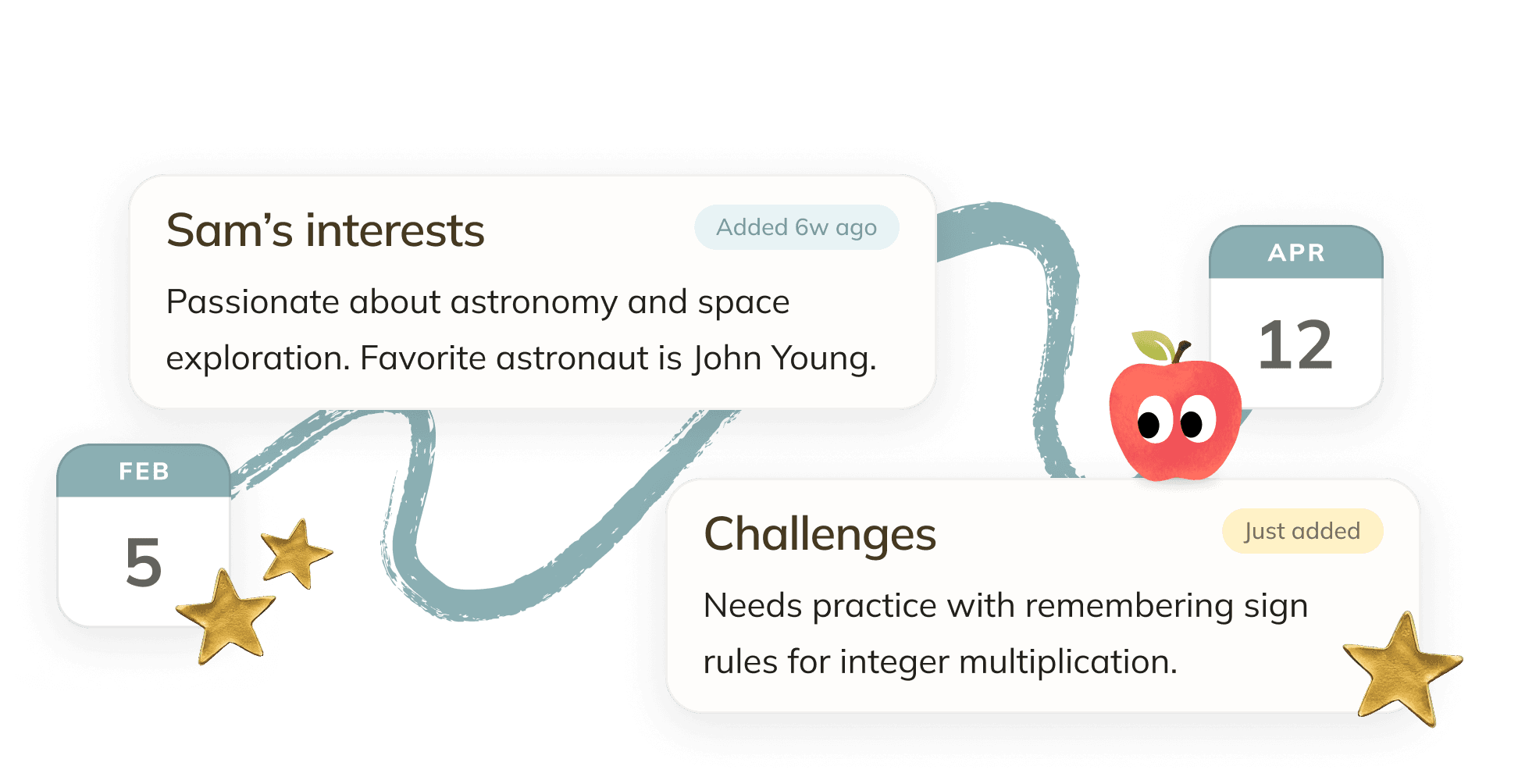
Aristotle remembers every session: what you’ve covered, where you got stuck, how you like things explained. It picks up right where you left off.
The curriculum
Aristotle is designed to always know what to teach at exactly the right time.
Sample curriculum
* Click a topic to see the skills inside
Historical interpretations: Component 1 Section A
Primary sources: Component 2 Section A
Essay craft: Section B of both papers
Second-order historical concepts
Component 3: the Historical Investigation
Breadth option 1C: The Tudors: England, 1485–1603
Breadth option 1H: Tsarist and Communist Russia, 1855–1964
Breadth option 1J: The British Empire, c1857–1967
Breadth option 1K: The making of a Superpower: USA, 1865–1975
Depth option 2E: The English Revolution, 1625–1660
Depth option 2O: Democracy and Nazism: Germany, 1918–1945
Depth option 2R: The Cold War, c1945–1991
Depth option 2S: The Making of Modern Britain, 1951–2007
A-Level History (UK) tutoring curriculum230 skills across 13 units
Historical interpretations: Component 1 Section A
The compulsory 30-mark question on every Breadth Study paper gives three extracts of historians' writing on one issue and asks you to evaluate them. Topics: What a historical interpretation is, Reading the three extracts, Testing interpretations against contextual knowledge, Writing the 30-mark interpretations answer.
Primary sources: Component 2 Section A
The compulsory 30-mark question on every Depth Study paper gives three primary or contemporary sources and asks how valuable they are to a historian investigating a stated issue. Topics: Provenance, Reading content, tone and emphasis, Value for a specified enquiry, Writing the 30-mark source answer.
Essay craft: Section B of both papers
Four of the six answers you write in the exam are 25-mark Section B essays, two on the Breadth paper and two on the Depth paper. Topics: Reading the question, Building an argument, Deploying evidence, Judgement and counter-argument, Managing the paper.
Second-order historical concepts
AO1 names the concepts examiners expect to see handled: cause, consequence, change, continuity, similarity, difference and significance. Topics: Change over time, Comparison and significance.
Component 3: the Historical Investigation
The personal study is 3500-4500 words, 40 marks and 20% of the A-level, marked by your teacher and moderated by AQA. Topics: Framing the investigation, Building and using the source base, Working with historians, Writing and presenting the investigation.
Breadth option 1C: The Tudors: England, 1485–1603
A British breadth route across the whole Tudor century, tracing monarchy, government, foreign policy, society, economy and religion from Bosworth to 1603. Topics: Henry VII, 1485–1509, Henry VIII, 1509–1547, Instability and consolidation: 'the Mid-Tudor Crisis', 1547–1563, The triumph of Elizabeth, 1563–1603.
Breadth option 1H: Tsarist and Communist Russia, 1855–1964
A non-British breadth route across more than a century of Russian history, tracing political authority, opposition, economic and social change and the power of ideology from Alexander II to the fall of Khrushchev. Topics: Trying to preserve autocracy, 1855–1894, The collapse of autocracy, 1894–1917, The emergence of Communist dictatorship, 1917–1941, The Stalinist dictatorship and reaction, 1941–1964.
Breadth option 1J: The British Empire, c1857–1967
A British breadth route tracing the growth, character and contraction of the Empire over more than a century, including imperial policy, economics, culture and indigenous responses. Topics: The development of Imperialism, c1857–c1890, Imperial consolidation and Liberal rule, c1890–1914, Imperialism challenged, 1914–1947, The winds of change, 1947–1967.
Breadth option 1K: The making of a Superpower: USA, 1865–1975
A non-British breadth route across 110 years of American history, tracing government and politics, economic and social change, ideology, national unity and the country's changing role in the world. Topics: The Era of Reconstruction and the Gilded Age, 1865–1890, Populism, progressivism and imperialism, 1890–1920, Crisis of identity, 1920–1945, The Superpower, 1945–1975.
Depth option 2E: The English Revolution, 1625–1660
A British depth route on the breakdown of authority before, during and after the Civil War, working with concepts of Divine Right, arbitrary government, Arminianism and political and religious radicalism. Topics: The emergence of conflict and the end of consensus, 1625–1629, An experiment in Absolutism, 1629–1640, The crisis of Parliament and the outbreak of the First Civil War, 1640–1642, War and radicalism, 1642–1646, The disintegration of the Political Nation, 1646–1649, Experiments in government and society, 1648–1660.
Depth option 2O: Democracy and Nazism: Germany, 1918–1945
A non-British depth route on how a new democracy gave way to a dictatorship, working with concepts of right and left, nationalism and liberalism, and with racialism, anti-Semitism and Social Darwinism. Topics: The establishment and early years of Weimar, 1918–1924, The 'Golden Age' of the Weimar Republic, 1924–1928, The Collapse of Democracy, 1928–1933, The Nazi Dictatorship, 1933–1939, The Racial State, 1933–1941, The impact of War, 1939–1945.
Depth option 2R: The Cold War, c1945–1991
A non-British depth route on the course of international relations during the confrontation between communist and capitalist powers, working with concepts of communism and anti-communism, aggression and détente. Topics: The Origins of the Cold War, c1945–1949, The Widening of the Cold War, 1949–1955, The Global War, 1955–1963, Confrontation and cooperation, c1963–1972, The Brezhnev era, 1972–1985, The ending of the Cold War, 1985–1991.
Depth option 2S: The Making of Modern Britain, 1951–2007
A British depth route on the political, economic, social and international changes that shaped post-war Britain, working with concepts of government and opposition, class, social division and cultural change. Topics: The Affluent Society, 1951–1964, The Sixties, 1964–1970, The end of Post-War Consensus, 1970–1979, The impact of Thatcherism, 1979–1987, Towards a new Consensus, 1987–1997, The Era of New Labour, 1997–2007.
My son told me yesterday that we should cancel his human tutor, because Aristotle is doing a better job. The human tutor was $250/hour.

A few things you might wonder before getting started.
Aristotle's A-Level History (UK) course tracks 230 skills across 13 units, mapped to the A-Level specification, including Historical interpretations: Component 1 Section A, Primary sources: Component 2 Section A, and Essay craft: Section B of both papers. Every skill is linked to the skills it builds on, so the tutor always knows which parts of A-Level History (UK) your child has mastered and what to teach next.
Check out our most recent blog posts.
This could be you
For homework, supporting your child, or anything you’ve always wanted to know more about, Aristotle makes it easy for anyone to learn out loud.