A-Level syllabus
Every A-Level Geography (UK) skill maps to a topic in the syllabus, so sessions cover what the exams test.

A-Level Geography (UK)
Pioneered by Stanford AI researchers and learning scientists, Aristotle is the world's first voice-based AI tutor. Built for the A-Level Geography (UK) syllabus and exams.
Trusted by families at









Fits your child's A-Level Geography (UK) class
Every A-Level Geography (UK) skill maps to a topic in the syllabus, so sessions cover what the exams test.
Share your teacher's syllabus, textbook, or pacing guide and sessions follow your child's actual class.
Aiming for an A*? Aristotle plans review back from your child's target grade and exam date.
Exam prep
Aristotle tracks 269 A-Level Geography (UK) skills, finds the ones costing your child points, and plans review back from exam day.
Follows the syllabus, unit by unit.
Your child talks it through. Aristotle coaches from the step that went wrong.
Any time before the exam. No booking.
See what's mastered and what's left.
Features
Talk things through, work side by side, and come back next time to a tutor who remembers where you left off.
Ask questions out loud, hear explanations in Aristotle’s voice, and interrupt whenever you need to.
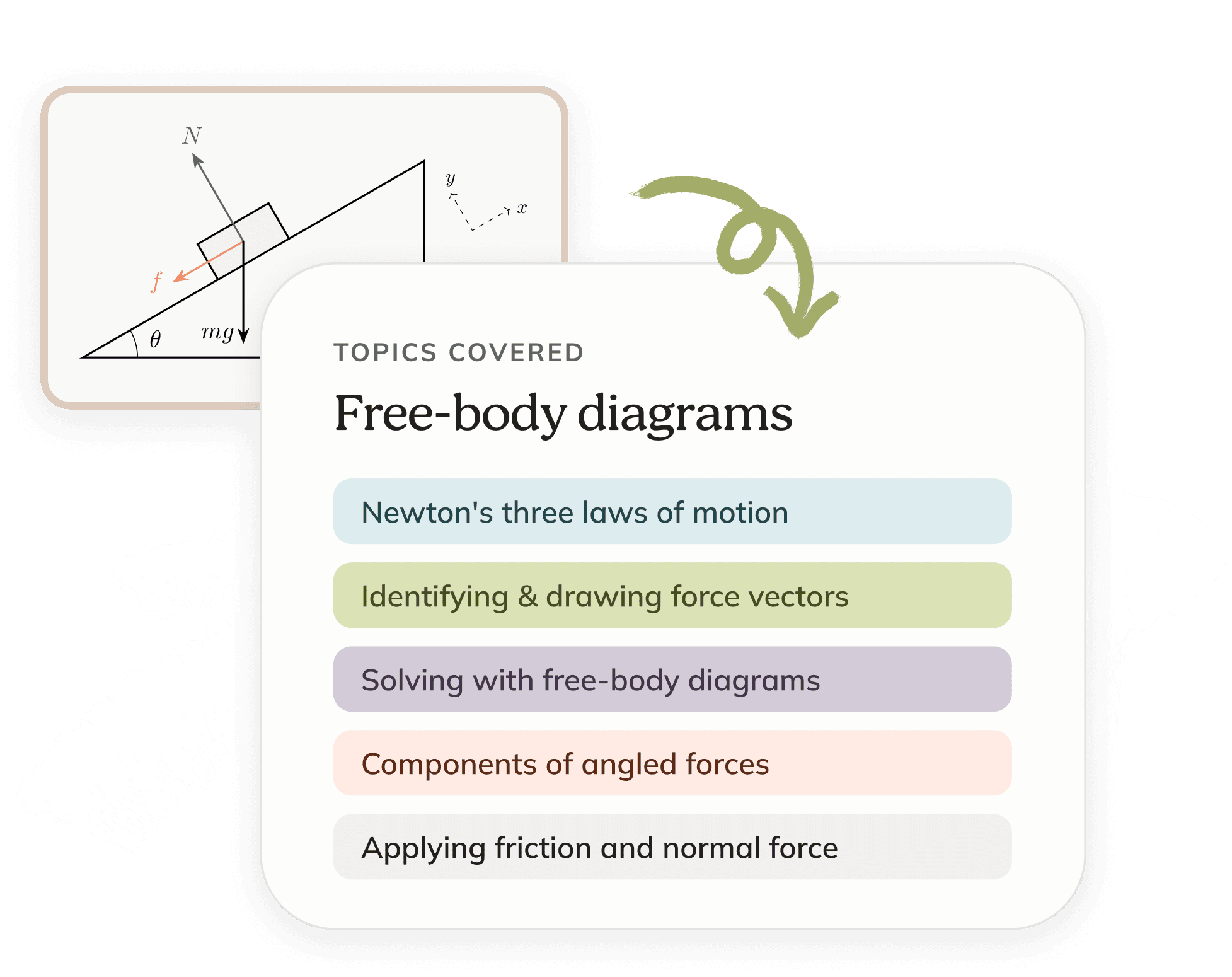
Aristotle draws steps, diagrams, and images to help you learn visually.
Get practice problems tailored to the exact topics you’re struggling with.
From middle-school math to AP exams to SAT/ACT prep. We also build custom plans matched to state standards and specific courses.
Revisit session summaries, session whiteboards, and uploads in one place.
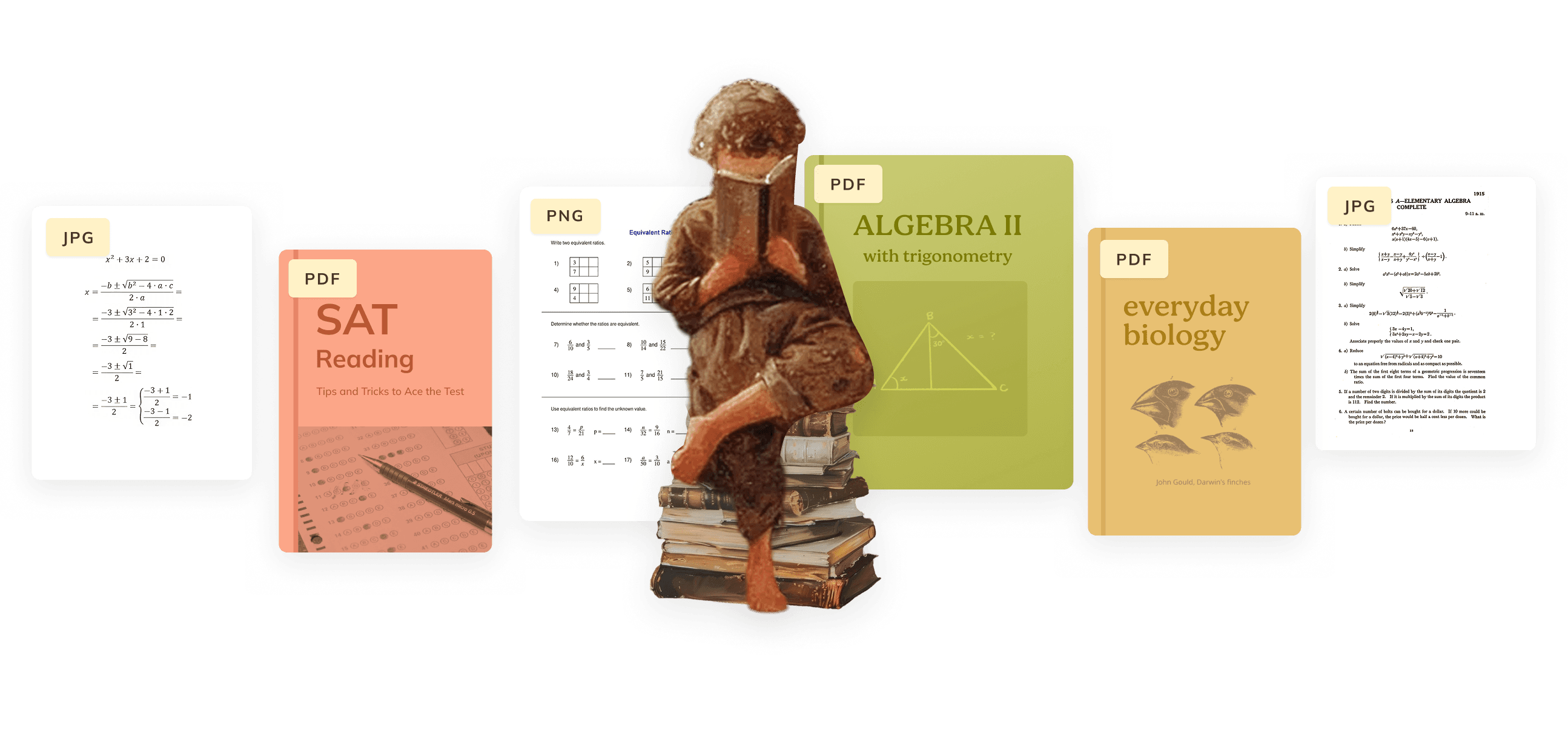
Aristotle can read and navigate any PDFs and images with the learner. That includes textbooks with hundreds of pages!
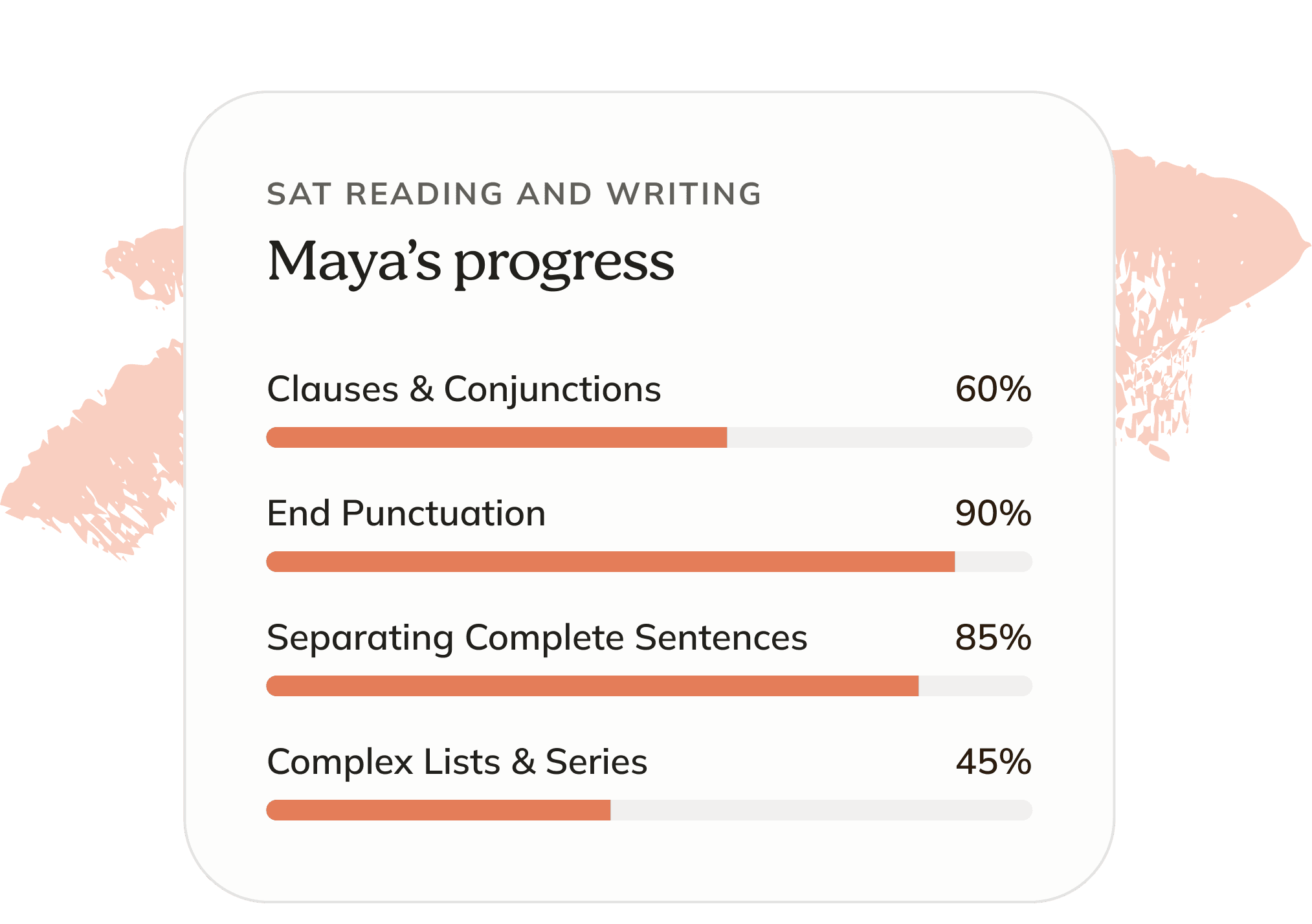
We break all subjects down into granular skills, then track mistakes and mastery on each one. Parents can see the whole picture at a glance.
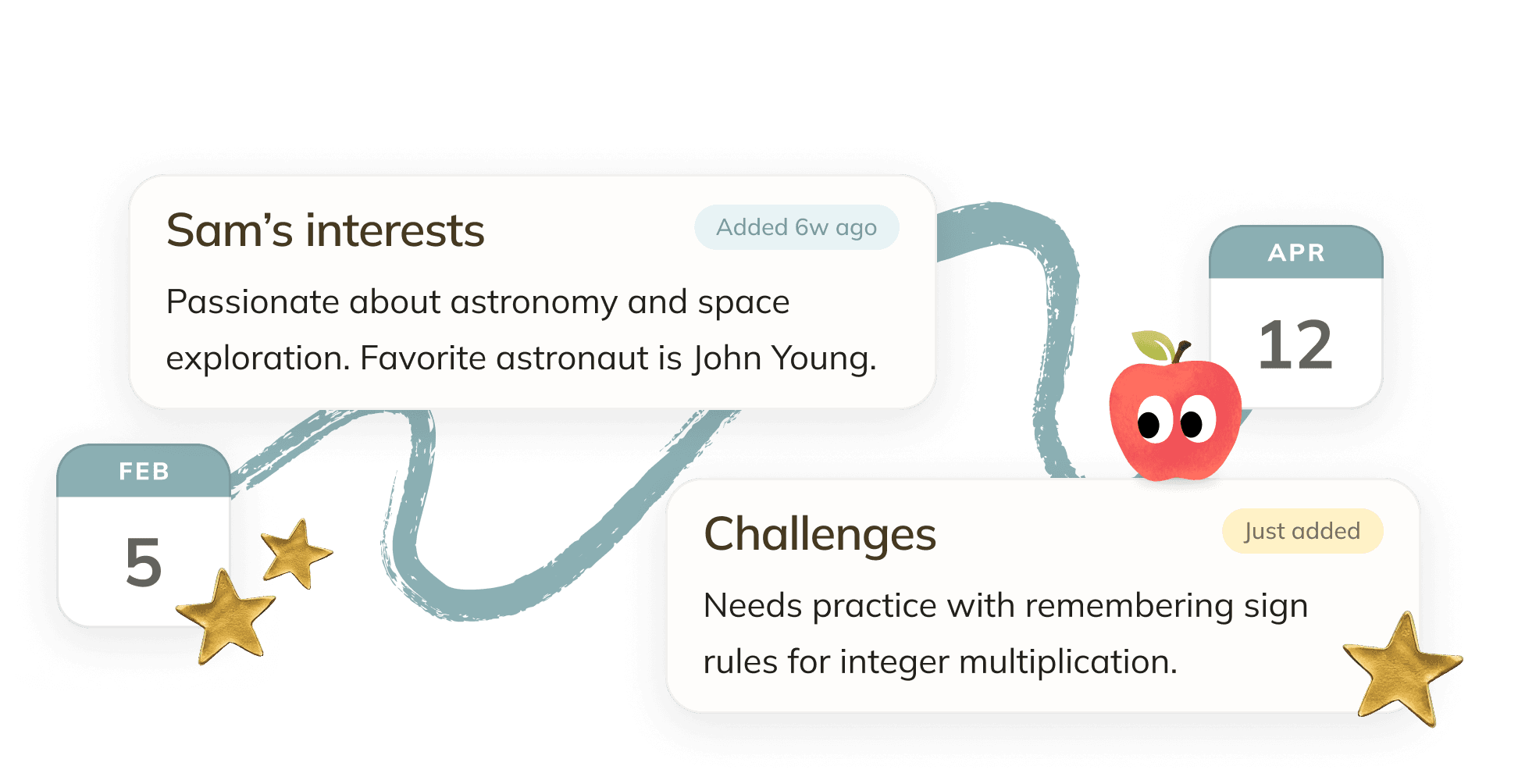
Aristotle remembers every session: what you’ve covered, where you got stuck, how you like things explained. It picks up right where you left off.
The curriculum
Aristotle is designed to always know what to teach at exactly the right time.
Sample curriculum
* Click a topic to see the skills inside
Unit 1: Water and carbon cycles
Unit 2: Hot desert systems and landscapes (Component 1 Section B option)
Unit 3: Coastal systems and landscapes (Component 1 Section B option)
Unit 4: Glacial systems and landscapes (Component 1 Section B option)
Unit 5: Hazards (Component 1 Section C option)
Unit 6: Ecosystems under stress (Component 1 Section C option)
Unit 7: Global systems and global governance
Unit 8: Changing places
Unit 9: Contemporary urban environments (Component 2 Section C option)
Unit 10: Population and the environment (Component 2 Section C option)
Unit 11: Resource security (Component 2 Section C option)
Unit 12: Fieldwork and the independent investigation (Component 3)
Unit 13: Geographical skills
Unit 14: Answering AQA Geography questions
A-Level Geography (UK) tutoring curriculum269 skills across 14 units
Unit 1: Water and carbon cycles
The compulsory physical core, and Section A of Component 1. Topics: Systems in physical geography, The water cycle, The carbon cycle, Water, carbon, climate and life on Earth, Quantitative skills and case studies.
Unit 2: Hot desert systems and landscapes (Component 1 Section B option)
One of the three landscape systems a student may take for Section B of Component 1. Topics: Deserts as natural systems, Systems and processes, Arid landscape development in contrasting settings, Desertification, Skills and case studies.
Unit 3: Coastal systems and landscapes (Component 1 Section B option)
One of the three landscape systems a student may take for Section B of Component 1. Topics: Coasts as natural systems, Systems and processes, Coastal landscape development, Coastal management, Skills and case studies.
Unit 4: Glacial systems and landscapes (Component 1 Section B option)
One of the three landscape systems a student may take for Section B of Component 1. Topics: Glaciers as natural systems, The nature and distribution of cold environments, Systems and processes, Glaciated landscape development, Human impacts on cold environments, Skills and case studies.
Unit 5: Hazards (Component 1 Section C option)
One of the two options for Section C of Component 1, worth 48 marks. Topics: The concept of hazard in a geographical context, Plate tectonics, Volcanic hazards, Seismic hazards, Storm hazards, Fires in nature, Case studies.
Unit 6: Ecosystems under stress (Component 1 Section C option)
One of the two options for Section C of Component 1, worth 48 marks. Topics: Ecosystems and sustainability, Ecosystems and processes, Biomes, Ecosystems in the British Isles over time, Marine ecosystems, Local ecosystems, Case studies.
Unit 7: Global systems and global governance
Compulsory, and Section A of Component 2. Topics: Globalisation, Global systems, International trade and access to markets, Global governance, The 'global commons', Antarctica as a global common, Globalisation critique and skills.
Unit 8: Changing places
Compulsory, and Section B of Component 2. Topics: The nature and importance of places, Relationships and connections, Meaning and representation, Quantitative and qualitative skills in place study, Place studies.
Unit 9: Contemporary urban environments (Component 2 Section C option)
One of the three options for Section C of Component 2, worth 48 marks. Topics: Urbanisation, Urban forms, Social and economic issues associated with urbanisation, Urban climate, Urban drainage, Urban waste and its disposal, Other contemporary urban environmental issues, Sustainable urban development, Case studies.
Unit 10: Population and the environment (Component 2 Section C option)
One of the three options for Section C of Component 2, worth 48 marks. Topics: Introduction, Environment and population, Environment, health and well-being, Population change, Principles of population ecology applied to human populations, Global population futures, Case studies.
Unit 11: Resource security (Component 2 Section C option)
One of the three options for Section C of Component 2, worth 48 marks. Topics: Resource development, Natural resource issues, Water security, Energy security, Mineral security, Resource futures and case studies.
Unit 12: Fieldwork and the independent investigation (Component 3)
The individual investigation is 3,000-4,000 words, 60 marks and 20% of the A-level, marked by teachers and moderated by AQA. Topics: Fieldwork and independence requirements, Designing the investigation, Collecting and presenting data, Analysis and conclusions, Writing up and evaluation.
Unit 13: Geographical skills
The specification's skills checklist, which every A-level student must demonstrate. Topics: Types of geographical information and critical use, Qualitative skills, Quantitative approaches, Core skills, Cartographic skills, Graphical skills, Statistical skills, ICT skills.
Unit 14: Answering AQA Geography questions
Exam craft for Components 1 and 2, written generally so it works whichever options the student takes. Topics: Working with resource material, Building extended responses, Paper strategy.
My son told me yesterday that we should cancel his human tutor, because Aristotle is doing a better job. The human tutor was $250/hour.

A few things you might wonder before getting started.
Aristotle's A-Level Geography (UK) course tracks 269 skills across 14 units, mapped to the A-Level specification, including Unit 1: Water and carbon cycles, Unit 2: Hot desert systems and landscapes (Component 1 Section B option), and Unit 3: Coastal systems and landscapes (Component 1 Section B option). Every skill is linked to the skills it builds on, so the tutor always knows which parts of A-Level Geography (UK) your child has mastered and what to teach next.
Check out our most recent blog posts.

This could be you
For homework, supporting your child, or anything you’ve always wanted to know more about, Aristotle makes it easy for anyone to learn out loud.