A-Level syllabus
Every A-Level Economics (UK) skill maps to a topic in the syllabus, so sessions cover what the exams test.

A-Level Economics (UK)
Pioneered by Stanford AI researchers and learning scientists, Aristotle is the world's first voice-based AI tutor. Built for the A-Level Economics (UK) syllabus and exams.
Trusted by families at









Fits your child's A-Level Economics (UK) class
Every A-Level Economics (UK) skill maps to a topic in the syllabus, so sessions cover what the exams test.
Share your teacher's syllabus, textbook, or pacing guide and sessions follow your child's actual class.
Aiming for an A*? Aristotle plans review back from your child's target grade and exam date.
Exam prep
Aristotle tracks 227 A-Level Economics (UK) skills, finds the ones costing your child points, and plans review back from exam day.
Follows the syllabus, unit by unit.
Your child talks it through. Aristotle coaches from the step that went wrong.
Any time before the exam. No booking.
See what's mastered and what's left.
Features
Talk things through, work side by side, and come back next time to a tutor who remembers where you left off.
Ask questions out loud, hear explanations in Aristotle’s voice, and interrupt whenever you need to.
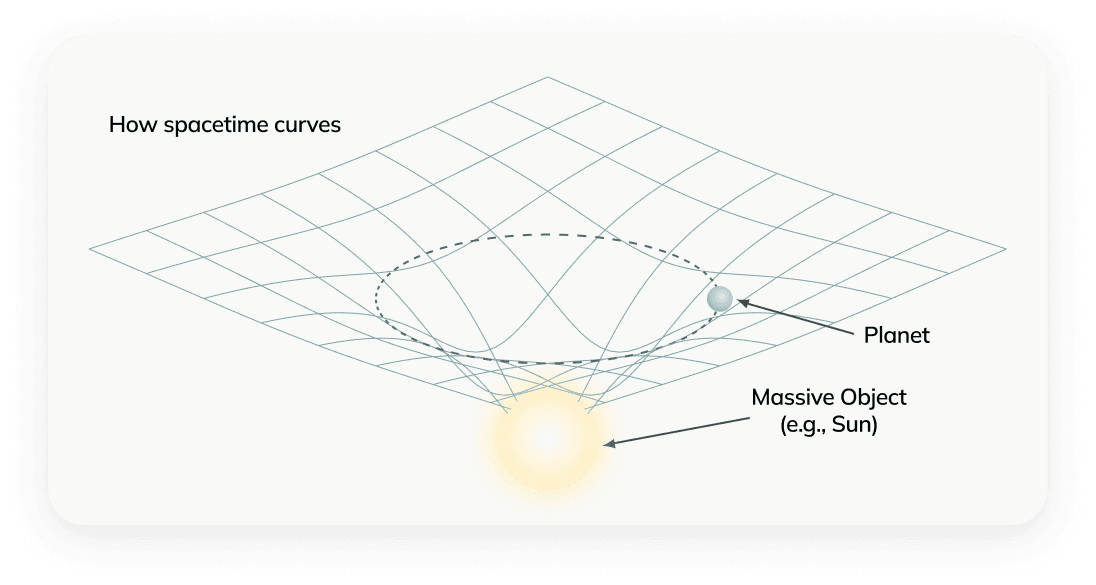
Aristotle draws steps, diagrams, and images to help you learn visually.
Get practice problems tailored to the exact topics you’re struggling with.
From middle-school math to AP exams to SAT/ACT prep. We also build custom plans matched to state standards and specific courses.
Revisit session summaries, session whiteboards, and uploads in one place.
Aristotle can read and navigate any PDFs and images with the learner. That includes textbooks with hundreds of pages!
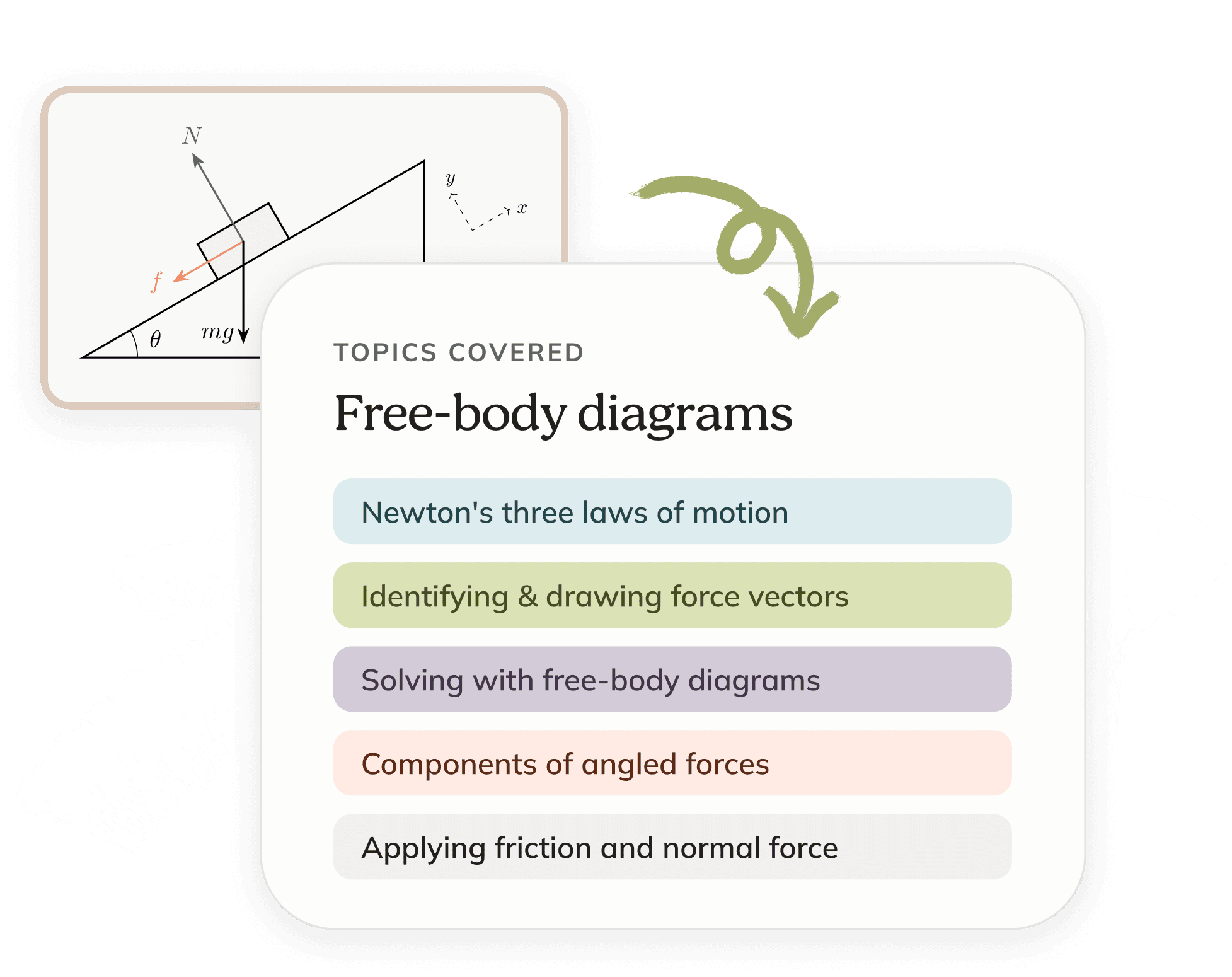
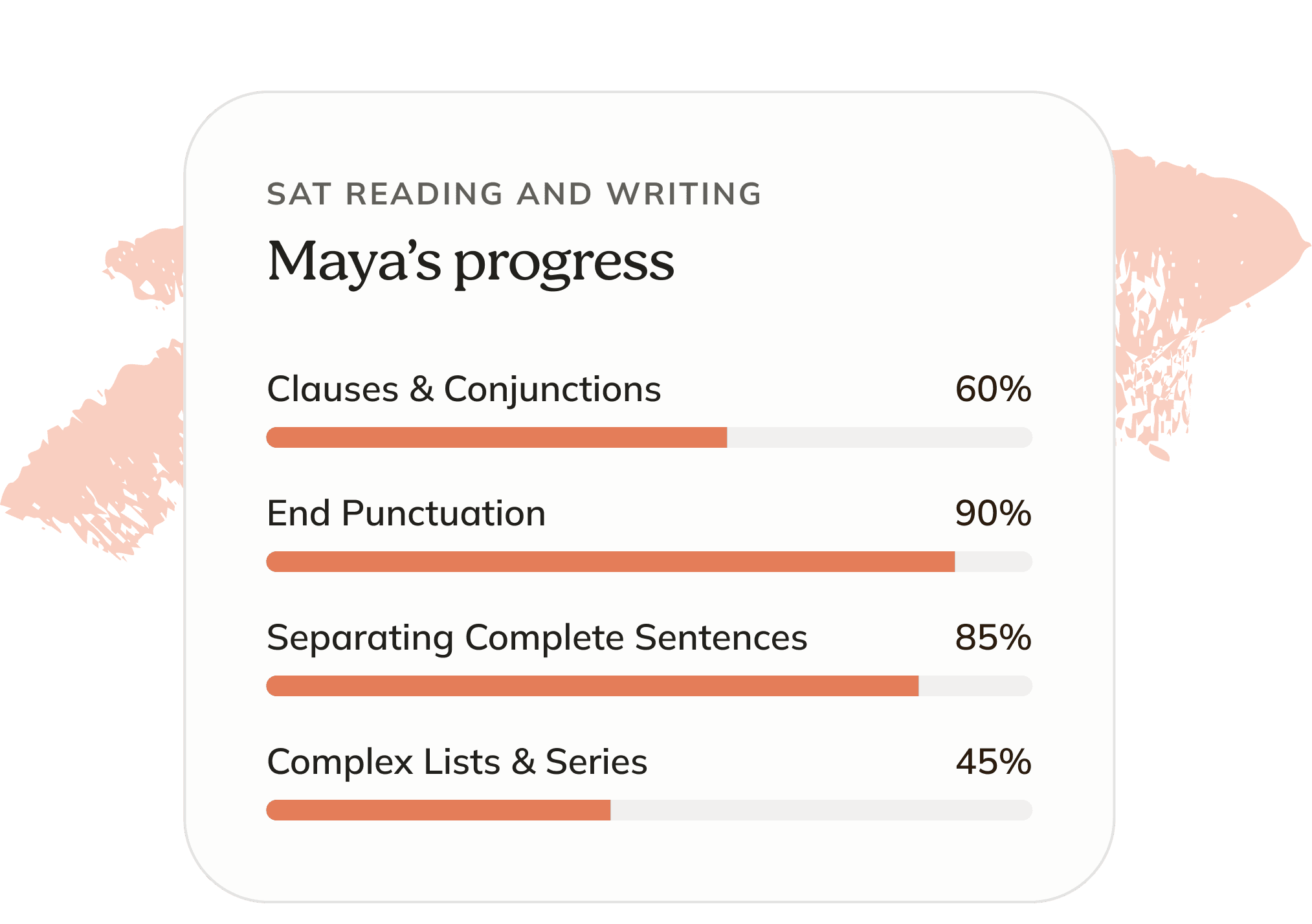
We break all subjects down into granular skills, then track mistakes and mastery on each one. Parents can see the whole picture at a glance.
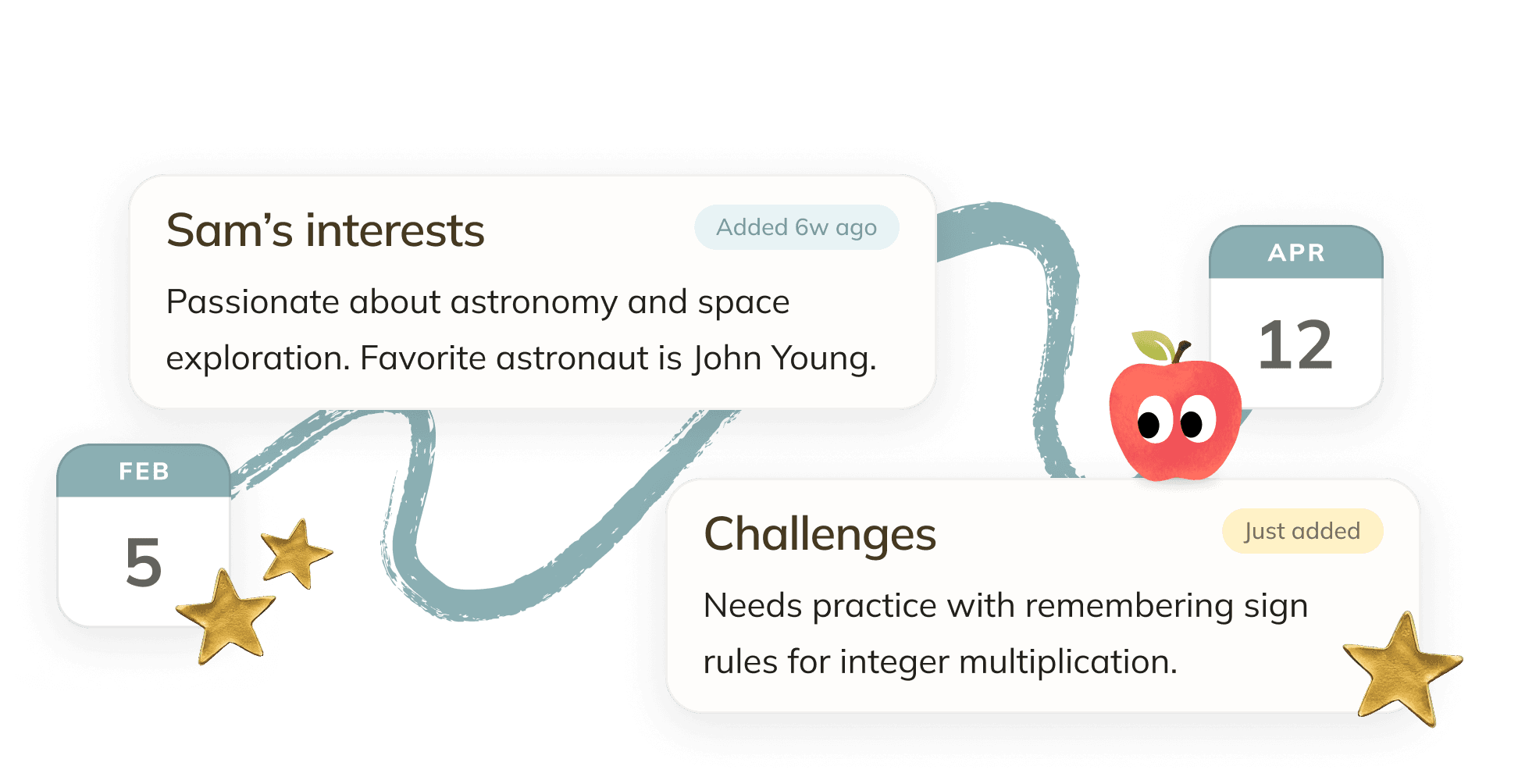
Aristotle remembers every session: what you’ve covered, where you got stuck, how you like things explained. It picks up right where you left off.
The curriculum
Aristotle is designed to always know what to teach at exactly the right time.
Sample curriculum
* Click a topic to see the skills inside
1 Economic methodology and the economic problem
2 Individual economic decision making
3 Price determination in a competitive market
4 Production, costs and revenue
5 Perfect competition, imperfectly competitive markets and monopoly
6 The labour market
7 The distribution of income and wealth: poverty and inequality
8 The market mechanism, market failure and government intervention in markets
9 The measurement of macroeconomic performance
10 How the macroeconomy works: the circular flow of income, AD/AS analysis and related concepts
11 Economic performance
12 Financial markets and monetary policy
13 Fiscal policy and supply-side policies
14 The international economy
Data response and quantitative skills
Essays, evaluation and exam technique
A-Level Economics (UK) tutoring curriculum227 skills across 16 units
1 Economic methodology and the economic problem
Scarcity forces every economy to choose what to produce, how to produce it and who gets the output, and each choice costs the next best alternative given up. Topics: Economic methodology, The nature and purpose of economic activity, and economic resources, Scarcity, choice and the allocation of resources, Production possibility diagrams.
2 Individual economic decision making
The traditional model assumes agents choose whatever they expect to make them best off, and this unit tests that assumption. Topics: Consumer behaviour, Imperfect information, Aspects of behavioural economic theory, Behavioural economics and economic policy.
3 Price determination in a competitive market
The demand and supply model and everything a student needs to run it: what shifts each curve, how elastic the response is, how equilibrium is reached, and how a change in one market spreads to related ones. Topics: The determinants of the demand for goods and services, Price, income and cross elasticities of demand, The determinants of the supply of goods and services, Price elasticity of supply, The determination of equilibrium market prices, The interrelationship between markets.
4 Production, costs and revenue
What happens inside the firm before market structure is brought in: how inputs become output, how output relates to cost in the short and long run, how revenue varies with price and quantity, and what profit is for. Topics: Production and productivity, Specialisation, division of labour and exchange, The law of diminishing returns and returns to scale, Costs of production, Economies and diseconomies of scale, Marginal, average and total revenue, Profit, Technological change.
5 Perfect competition, imperfectly competitive markets and monopoly
Firms behave differently depending on how much competition they face, so this unit works along the spectrum from perfect competition to monopoly, one structure at a time. Topics: Market structures, The objectives of firms, Perfect competition, Monopolistic competition, Oligopoly, Monopoly and monopoly power, Price discrimination, The dynamics of competition and competitive market processes, Contestable and non-contestable markets, Market structure, static efficiency, dynamic efficiency and resource allocation, Consumer and producer surplus.
6 The labour market
The demand and supply model applied to labour, where the good being traded is work and the price is the wage. Topics: The demand for labour, marginal productivity theory, Influences upon the supply of labour to different markets, Wage rates and employment in perfectly competitive labour markets, Wage rates and employment in imperfectly competitive labour markets, The influence of trade unions on wages and employment, The National Minimum Wage, Discrimination in the labour market.
7 The distribution of income and wealth: poverty and inequality
How income and wealth are actually spread in the UK, how that distribution is measured, and why calling it fair is a value judgement rather than an economic finding. Topics: The distribution of income and wealth, The problem of poverty, Government policies to alleviate poverty and influence distribution.
8 The market mechanism, market failure and government intervention in markets
The largest micro unit and the heart of Paper 1. Topics: How markets and prices allocate resources, The meaning of market failure, Public goods, private goods and quasi-public goods, Positive and negative externalities in consumption and production, Merit and demerit goods, Market imperfections, Competition policy, Public ownership, privatisation, regulation and deregulation of markets, Government intervention in markets, Government failure.
9 The measurement of macroeconomic performance
What governments are trying to achieve for the economy, and the data used to tell whether they are achieving it. Topics: The objectives of government economic policy, Macroeconomic indicators, Uses of index numbers, Uses of national income data.
10 How the macroeconomy works: the circular flow of income, AD/AS analysis and related concepts
The models used to explain national output and the price level: the circular flow of income, and AD/AS analysis with its determinants on both sides. Topics: The circular flow of income, Aggregate demand and aggregate supply analysis, The determinants of aggregate demand, Aggregate demand and the level of economic activity, Determinants of short-run aggregate supply, Determinants of long-run aggregate supply.
11 Economic performance
The three macroeconomic problems examiners return to - growth and the cycle, unemployment, and inflation and deflation - and then the awkward fact that acting on one can worsen another. Topics: Economic growth and the economic cycle, Employment and unemployment, Inflation and deflation, Possible conflicts between macroeconomic policy objectives.
12 Financial markets and monetary policy
How the financial system works and how the Bank of England acts on it. Topics: The structure of financial markets and financial assets, Commercial banks and investment banks, Central banks and monetary policy, The regulation of the financial system.
13 Fiscal policy and supply-side policies
The two policy levers that are not monetary. Topics: Fiscal policy, Supply-side policies.
14 The international economy
The UK economy in its global setting: globalisation and the multinationals driving it, the case for trade and the protectionism that resists it, the balance of payments, exchange rate systems, and growth and development in poorer economies. Topics: Globalisation, Trade, The balance of payments, Exchange rate systems, Economic growth and development.
Data response and quantitative skills
Aristotle's own unit, not an AQA section. Topics: Working with the data-response stimulus, Quantitative skills in economics.
Essays, evaluation and exam technique
Aristotle's own unit, not an AQA section. Topics: Reading the question and building the answer, Evaluation and judgement, Handling the three paper formats.
My son told me yesterday that we should cancel his human tutor, because Aristotle is doing a better job. The human tutor was $250/hour.

A few things you might wonder before getting started.
Aristotle's A-Level Economics (UK) course tracks 227 skills across 16 units, mapped to the A-Level specification, including 1 Economic methodology and the economic problem, 2 Individual economic decision making, and 3 Price determination in a competitive market. Every skill is linked to the skills it builds on, so the tutor always knows which parts of A-Level Economics (UK) your child has mastered and what to teach next.
Check out our most recent blog posts.

This could be you
For homework, supporting your child, or anything you’ve always wanted to know more about, Aristotle makes it easy for anyone to learn out loud.