A-Level syllabus
Every A-Level Chemistry (UK) skill maps to a topic in the syllabus, so sessions cover what the exams test.

A-Level Chemistry (UK)
Pioneered by Stanford AI researchers and learning scientists, Aristotle is the world's first voice-based AI tutor. Built for the A-Level Chemistry (UK) syllabus and exams.
Trusted by families at







Fits your child's A-Level Chemistry (UK) class
Every A-Level Chemistry (UK) skill maps to a topic in the syllabus, so sessions cover what the exams test.
Share your teacher's syllabus, textbook, or pacing guide and sessions follow your child's actual class.
Aiming for an A*? Aristotle plans review back from your child's target grade and exam date.
Exam prep
Aristotle tracks 318 A-Level Chemistry (UK) skills, finds the ones costing your child points, and plans review back from exam day.
Follows the syllabus, unit by unit.
Your child talks it through. Aristotle coaches from the step that went wrong.
Any time before the exam. No booking.
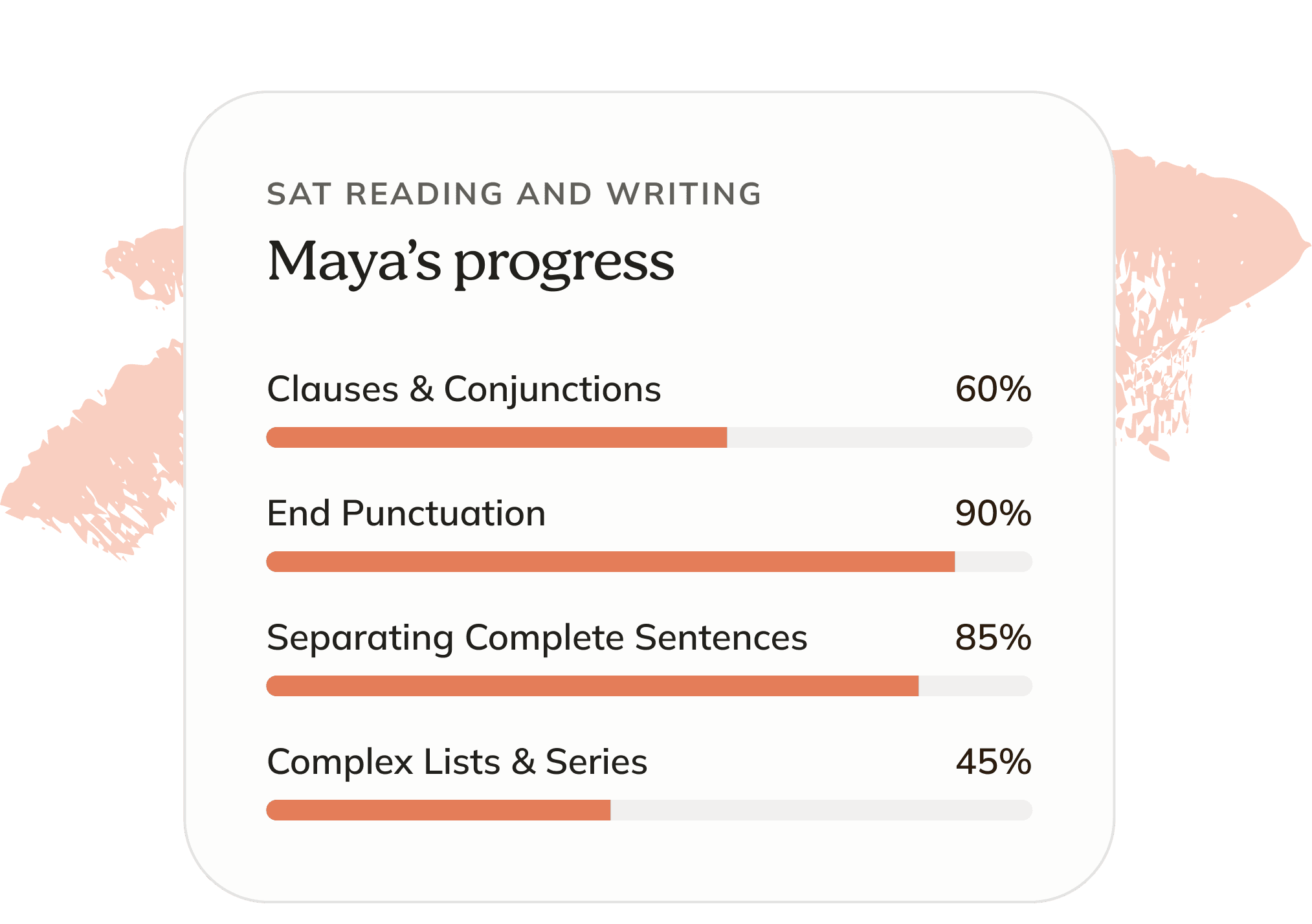
See what's mastered and what's left.
Features
Talk things through, work side by side, and come back next time to a tutor who remembers where you left off.
Ask questions out loud, hear explanations in Aristotle’s voice, and interrupt whenever you need to.
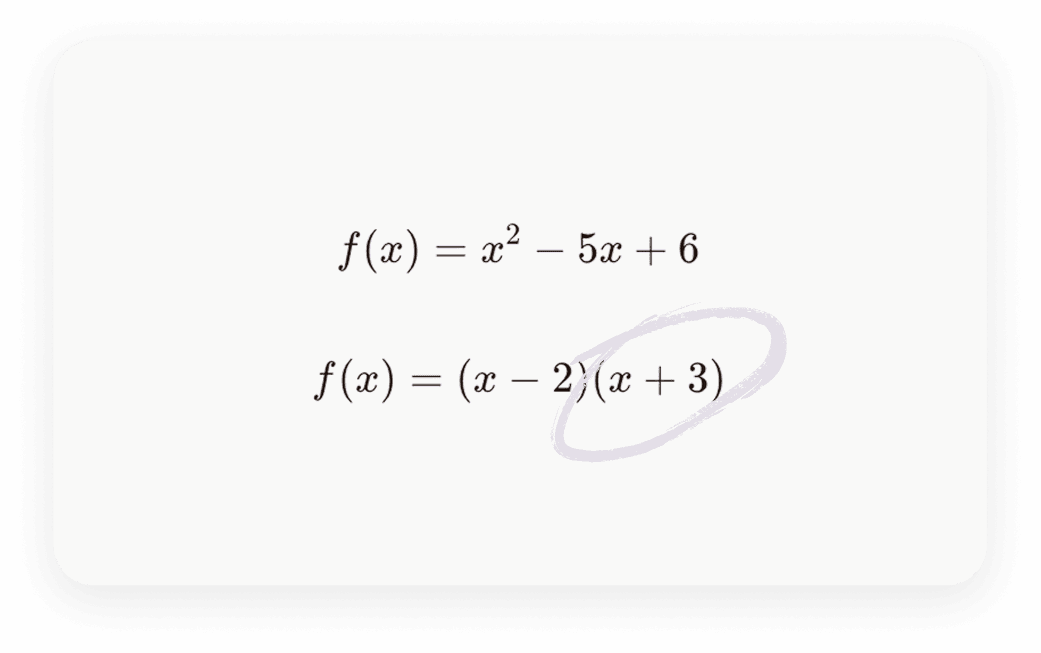
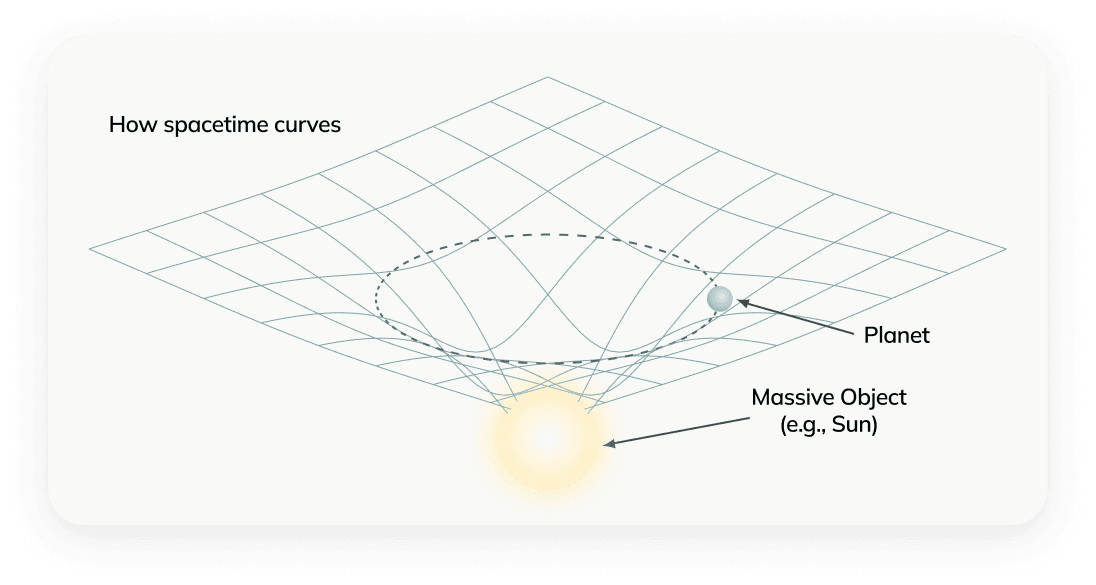
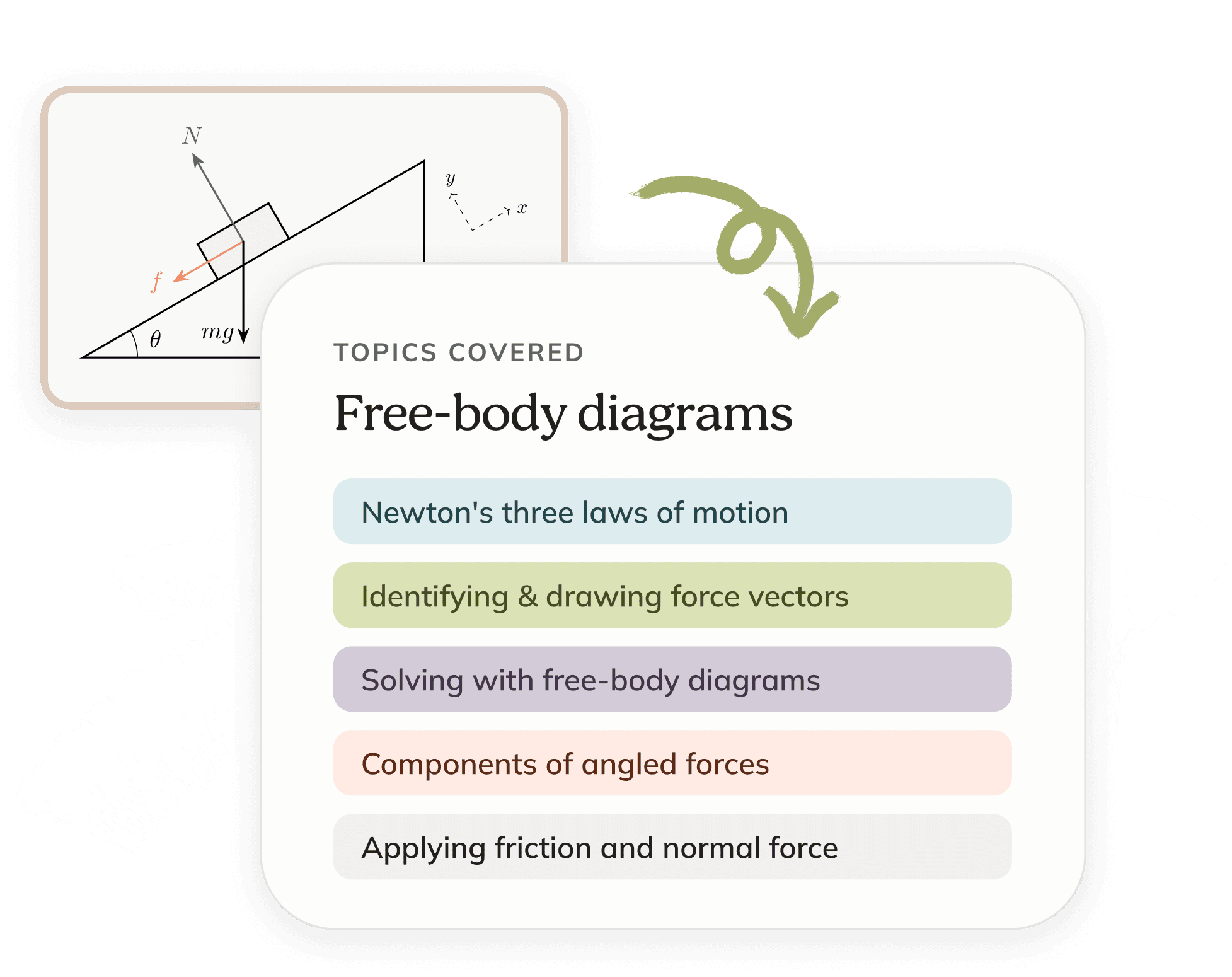
Aristotle draws steps, diagrams, and images to help you learn visually.
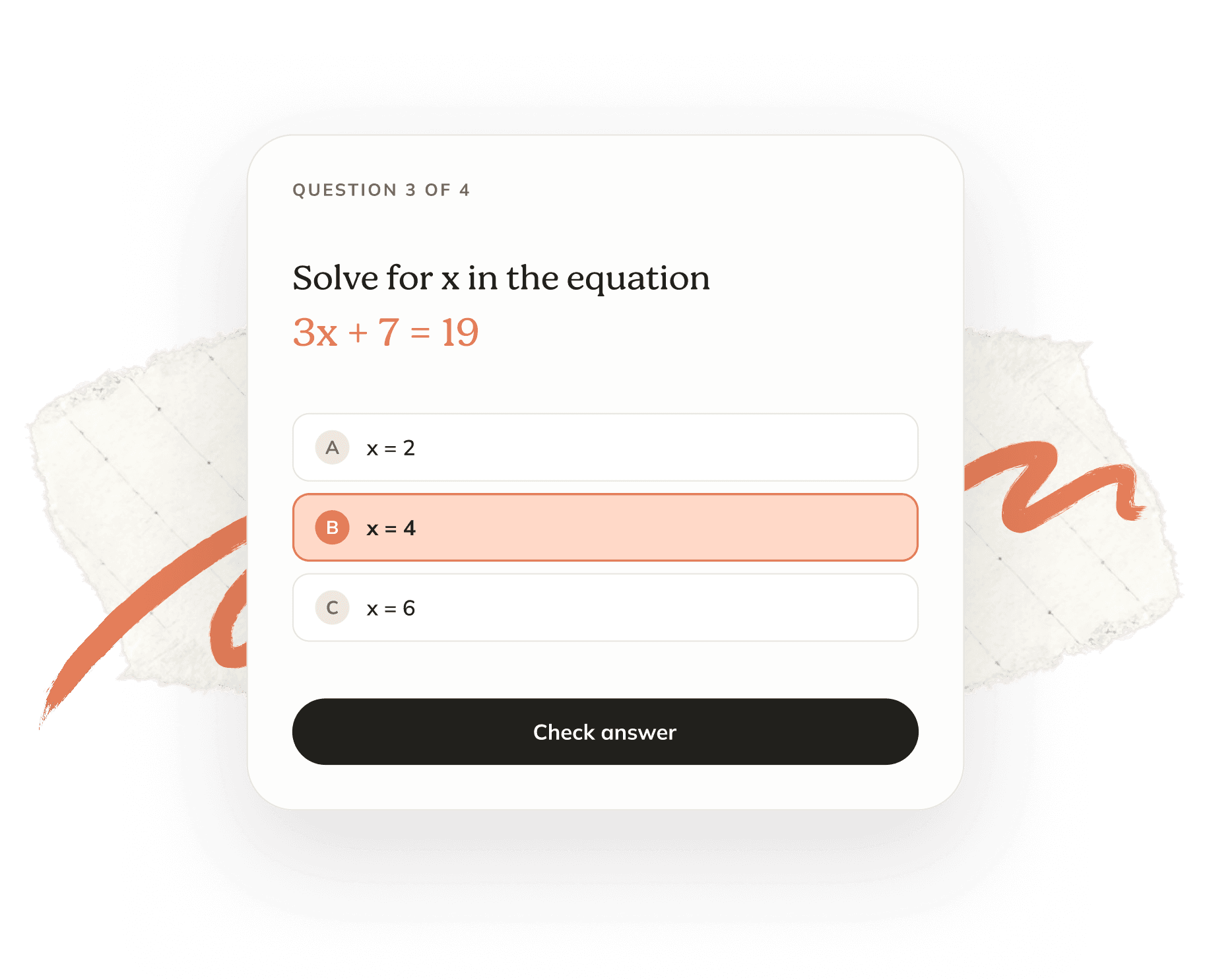
Get practice problems tailored to the exact topics you’re struggling with.
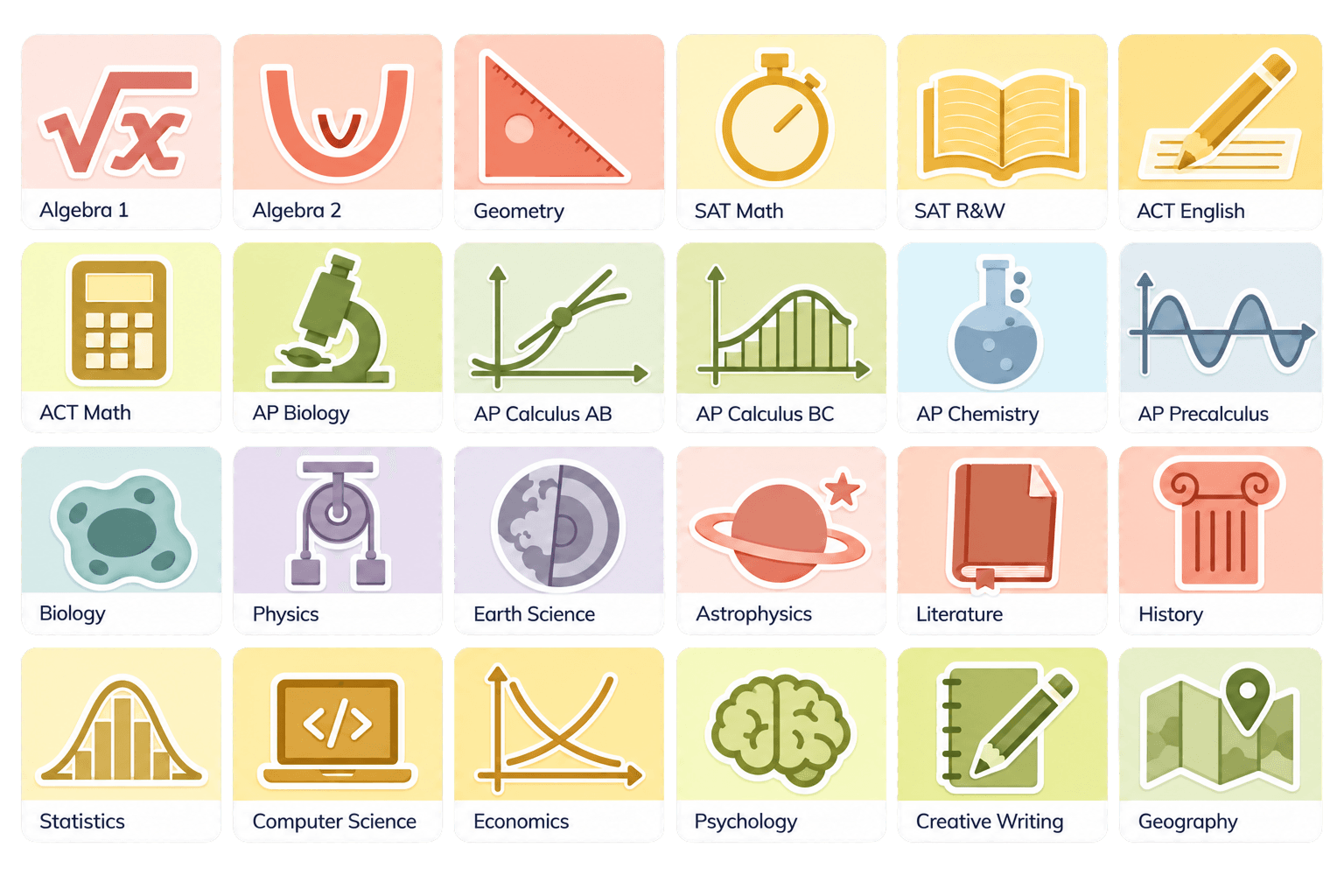
From middle-school math to AP exams to SAT/ACT prep. We also build custom plans matched to state standards and specific courses.
Revisit session summaries, session whiteboards, and uploads in one place.
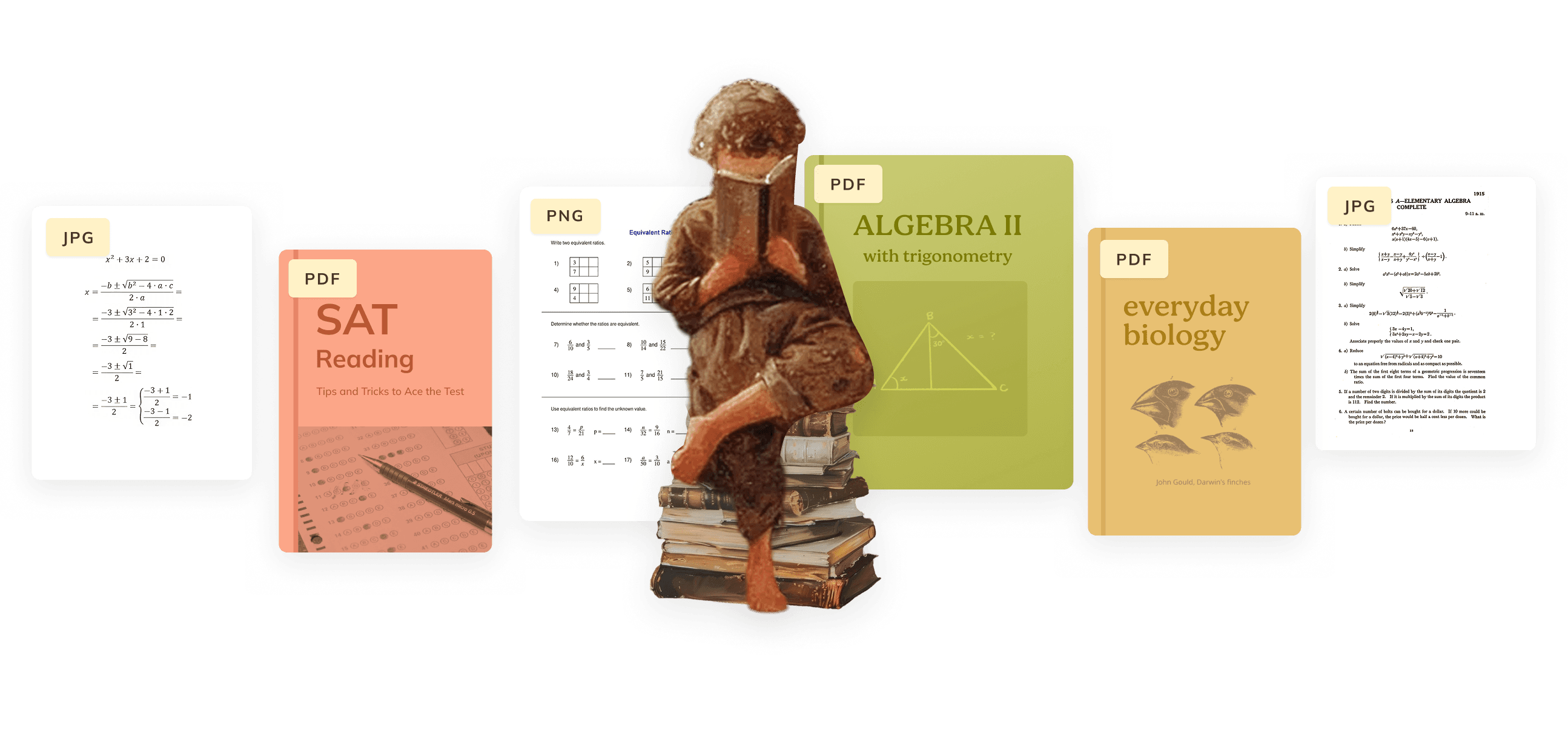
Aristotle can read and navigate any PDFs and images with the learner. That includes textbooks with hundreds of pages!
We break all subjects down into granular skills, then track mistakes and mastery on each one. Parents can see the whole picture at a glance.
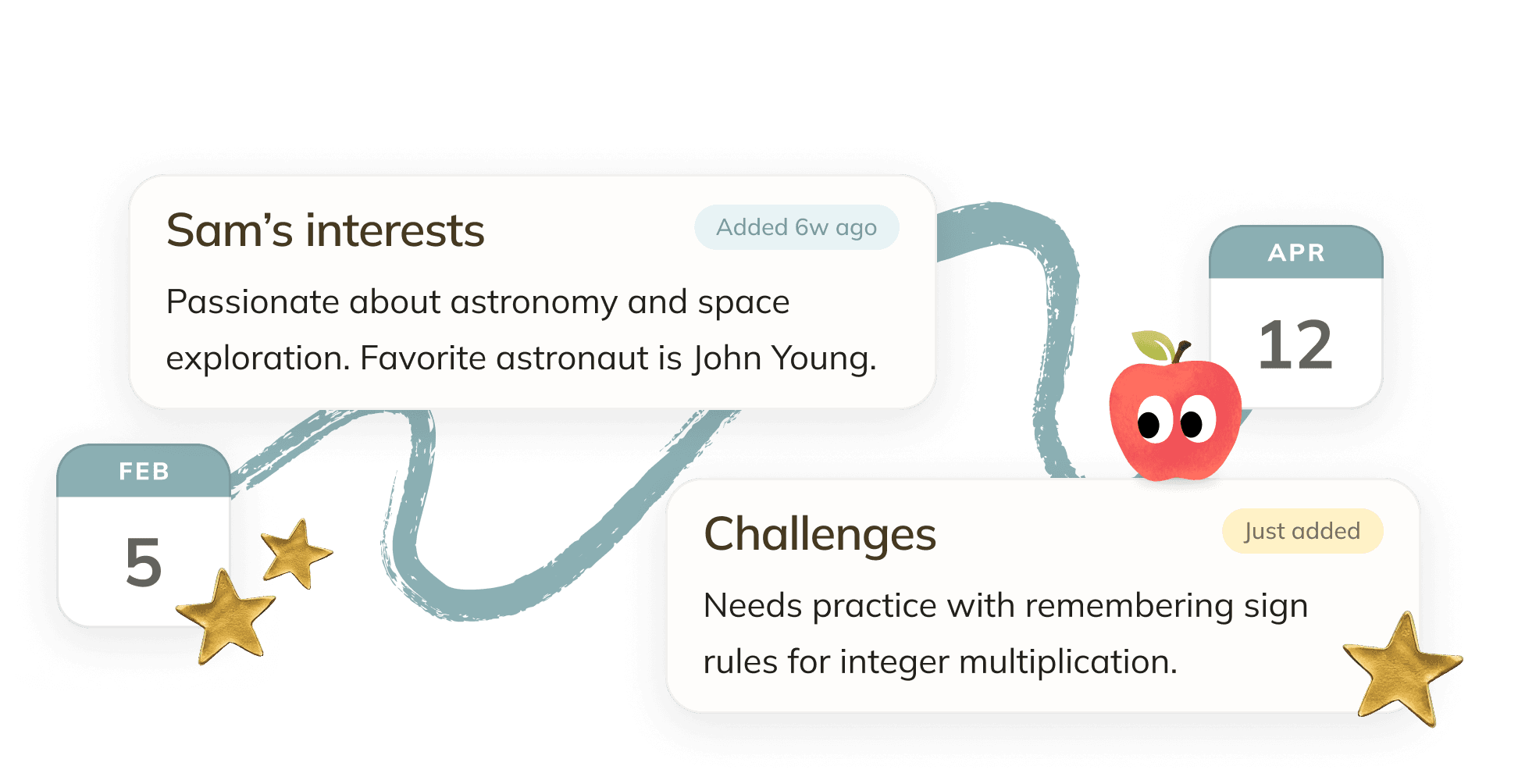
Aristotle remembers every session: what you’ve covered, where you got stuck, how you like things explained. It picks up right where you left off.
The curriculum
Aristotle is designed to always know what to teach at exactly the right time.
Sample curriculum
* Click a topic to see the skills inside
Physical chemistry
Inorganic chemistry
Organic chemistry
Practical skills and required practicals
A-Level Chemistry (UK) tutoring curriculum318 skills across 4 units
Physical chemistry
Topics: Fundamental particles, Mass number and isotopes, Electron configuration, Relative atomic mass and relative molecular mass, The mole and the Avogadro constant, The ideal gas equation, Empirical and molecular formula, Balanced equations and associated calculations, Ionic bonding, Nature of covalent and dative covalent bonds, Metallic bonding, Bonding and physical properties, Shapes of simple molecules and ions, Bond polarity, Forces between molecules, Enthalpy change, Calorimetry, Applications of Hess's law, Bond enthalpies, Collision theory, Maxwell–Boltzmann distribution, Effect of temperature on reaction rate, Effect of concentration and pressure, Catalysts, Chemical equilibria and Le Chatelier's principle, Equilibrium constant Kc for homogeneous systems, Oxidation, reduction and redox equations, Born–Haber cycles, Gibbs free-energy change and entropy change, Rate equations, Determination of rate equation, Equilibrium constant Kp for homogeneous systems, Electrode potentials and cells, Commercial applications of electrochemical cells, Brønsted–Lowry acid–base equilibria in aqueous solution, Definition and determination of pH, The ionic product of water, Kw, Weak acids and bases and Ka for weak acids, pH curves, titrations and indicators, Buffer action.
Inorganic chemistry
Topics: Classification, Physical properties of Period 3 elements, Group 2, the alkaline earth metals, Trends in properties, Uses of chlorine and chlorate(I), Properties of Period 3 elements and their oxides, General properties of transition metals, Substitution reactions, Shapes of complex ions, Formation of coloured ions, Variable oxidation states, Catalysts, Reactions of ions in aqueous solution.
Organic chemistry
Topics: Nomenclature, Reaction mechanisms, Isomerism, Fractional distillation of crude oil, Modification of alkanes by cracking, Combustion of alkanes, Chlorination of alkanes, Nucleophilic substitution, Elimination, Ozone depletion, Structure, bonding and reactivity, Addition reactions of alkenes, Addition polymers, Alcohol production, Oxidation of alcohols, Elimination, Identification of functional groups by test-tube reactions, Mass spectrometry, Infrared spectroscopy, Optical isomerism, Aldehydes and ketones, Carboxylic acids and esters, Acylation, Bonding, Electrophilic substitution, Preparation, Base properties, Nucleophilic properties, Condensation polymers, Biodegradability and disposal of polymers, Amino acids, Proteins, Enzymes, DNA, Action of anticancer drugs, Organic synthesis, Nuclear magnetic resonance spectroscopy, Chromatography.
Practical skills and required practicals
Topics: Practical techniques and data analysis, Required practical activities.
My son told me yesterday that we should cancel his human tutor, because Aristotle is doing a better job. The human tutor was $250/hour.

A few things you might wonder before getting started.
Aristotle's A-Level Chemistry (UK) course tracks 318 skills across 4 units, mapped to the A-Level specification, including Physical chemistry, Inorganic chemistry, and Organic chemistry. Every skill is linked to the skills it builds on, so the tutor always knows which parts of A-Level Chemistry (UK) your child has mastered and what to teach next.
Check out our most recent blog posts.

This could be you
For homework, supporting your child, or anything you’ve always wanted to know more about, Aristotle makes it easy for anyone to learn out loud.