A-Level syllabus
Every A-Level Biology (UK) skill maps to a topic in the syllabus, so sessions cover what the exams test.

A-Level Biology (UK)
Pioneered by Stanford AI researchers and learning scientists, Aristotle is the world's first voice-based AI tutor. Built for the A-Level Biology (UK) syllabus and exams.
Trusted by families at









Fits your child's A-Level Biology (UK) class
Every A-Level Biology (UK) skill maps to a topic in the syllabus, so sessions cover what the exams test.
Share your teacher's syllabus, textbook, or pacing guide and sessions follow your child's actual class.
Aiming for an A*? Aristotle plans review back from your child's target grade and exam date.
Exam prep
Aristotle tracks 290 A-Level Biology (UK) skills, finds the ones costing your child points, and plans review back from exam day.
Follows the syllabus, unit by unit.
Your child talks it through. Aristotle coaches from the step that went wrong.
Any time before the exam. No booking.
See what's mastered and what's left.
Features
Talk things through, work side by side, and come back next time to a tutor who remembers where you left off.
Ask questions out loud, hear explanations in Aristotle’s voice, and interrupt whenever you need to.
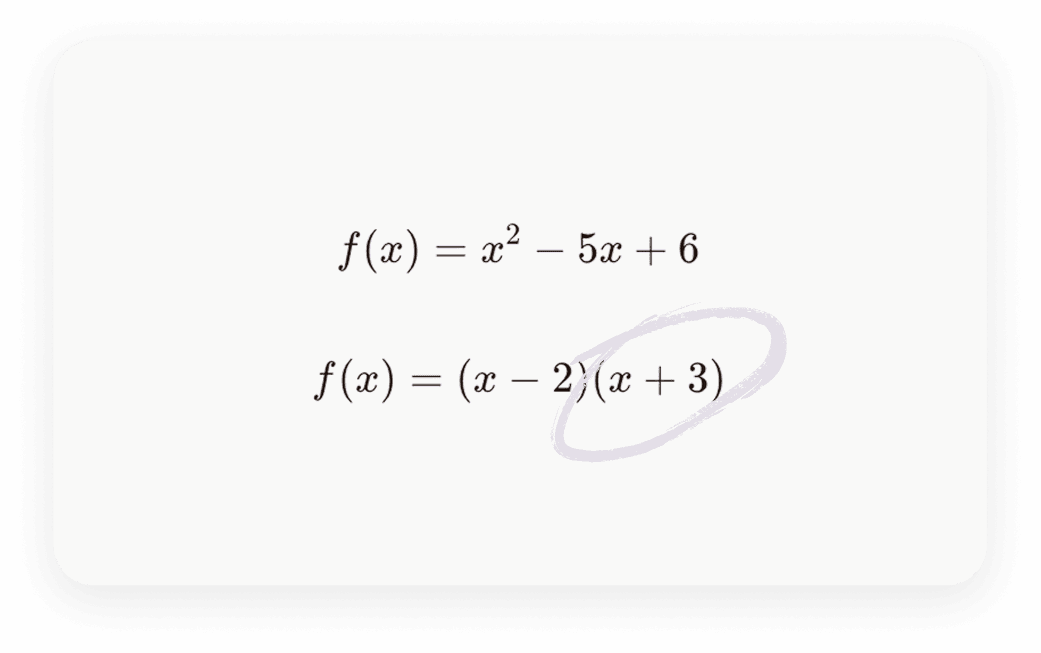
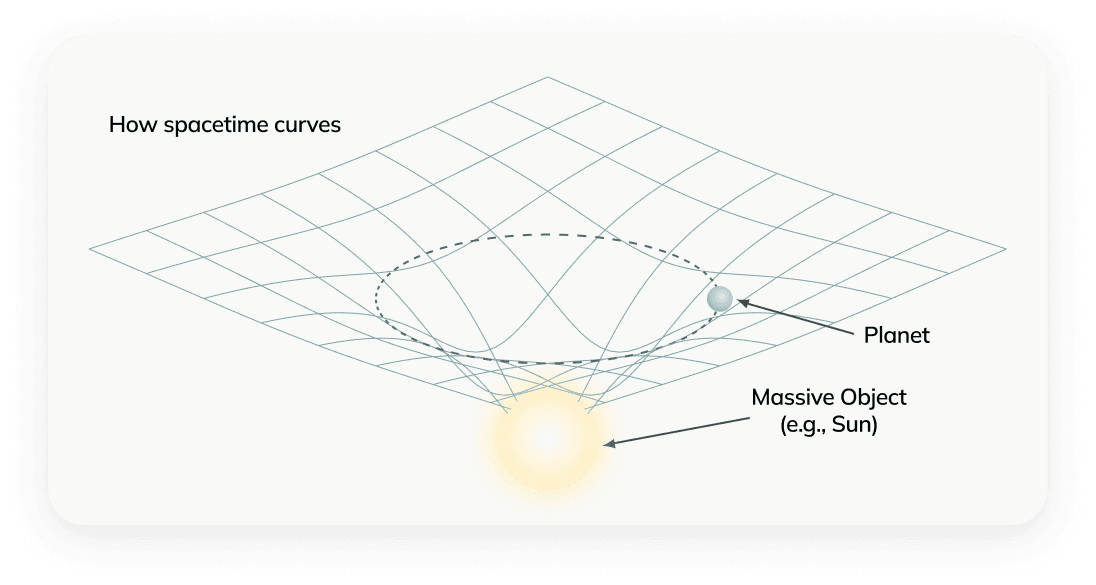
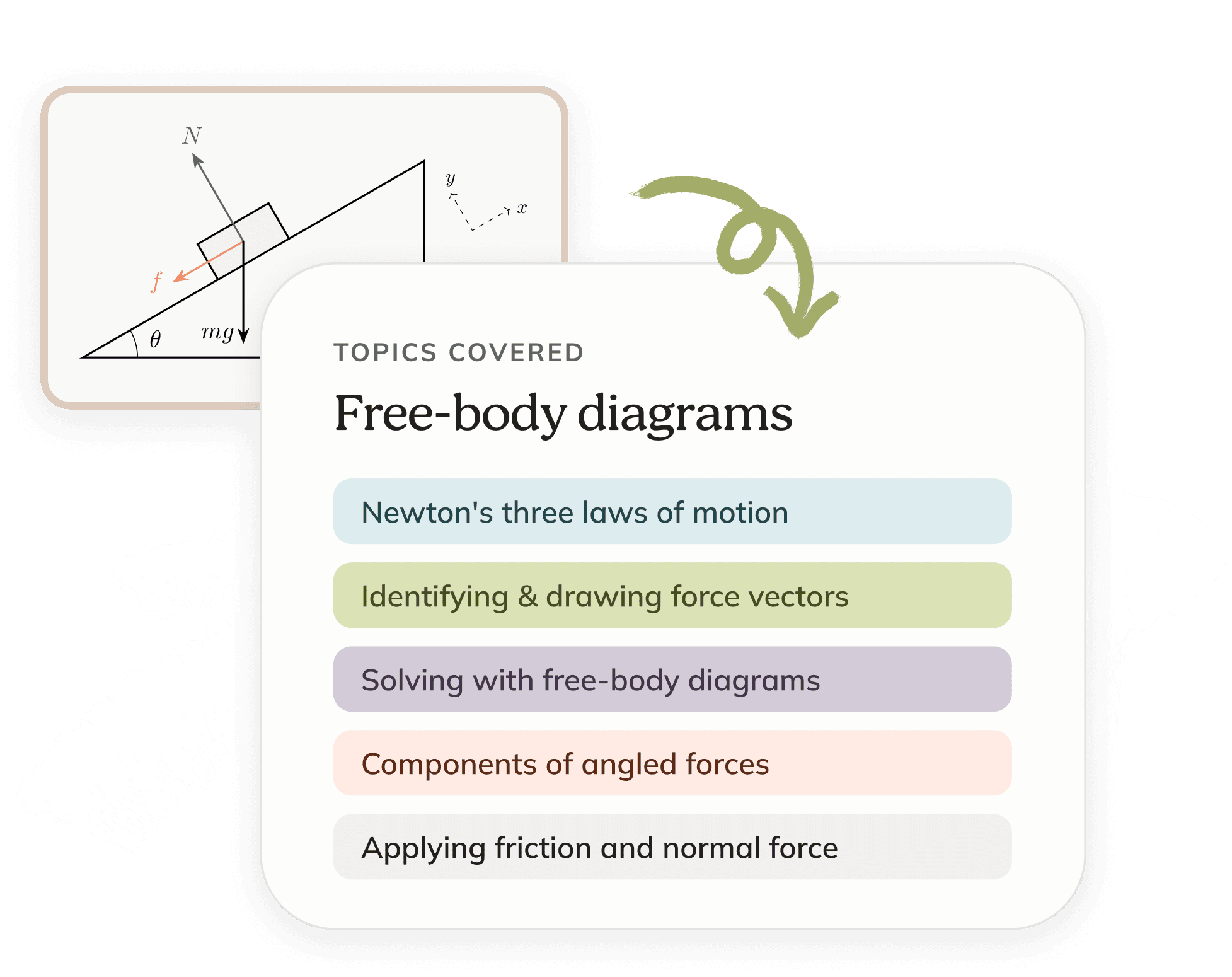
Aristotle draws steps, diagrams, and images to help you learn visually.
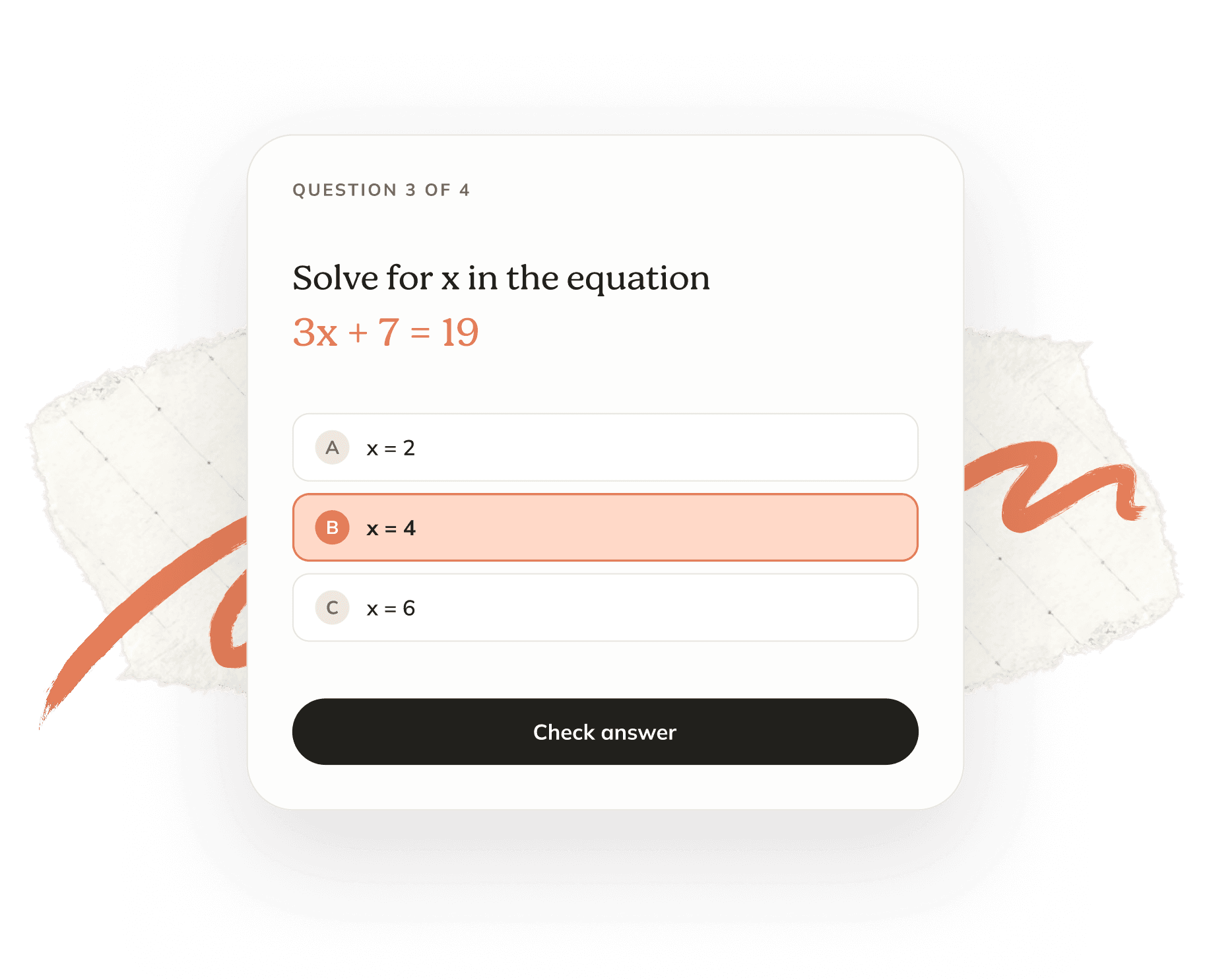
Get practice problems tailored to the exact topics you’re struggling with.
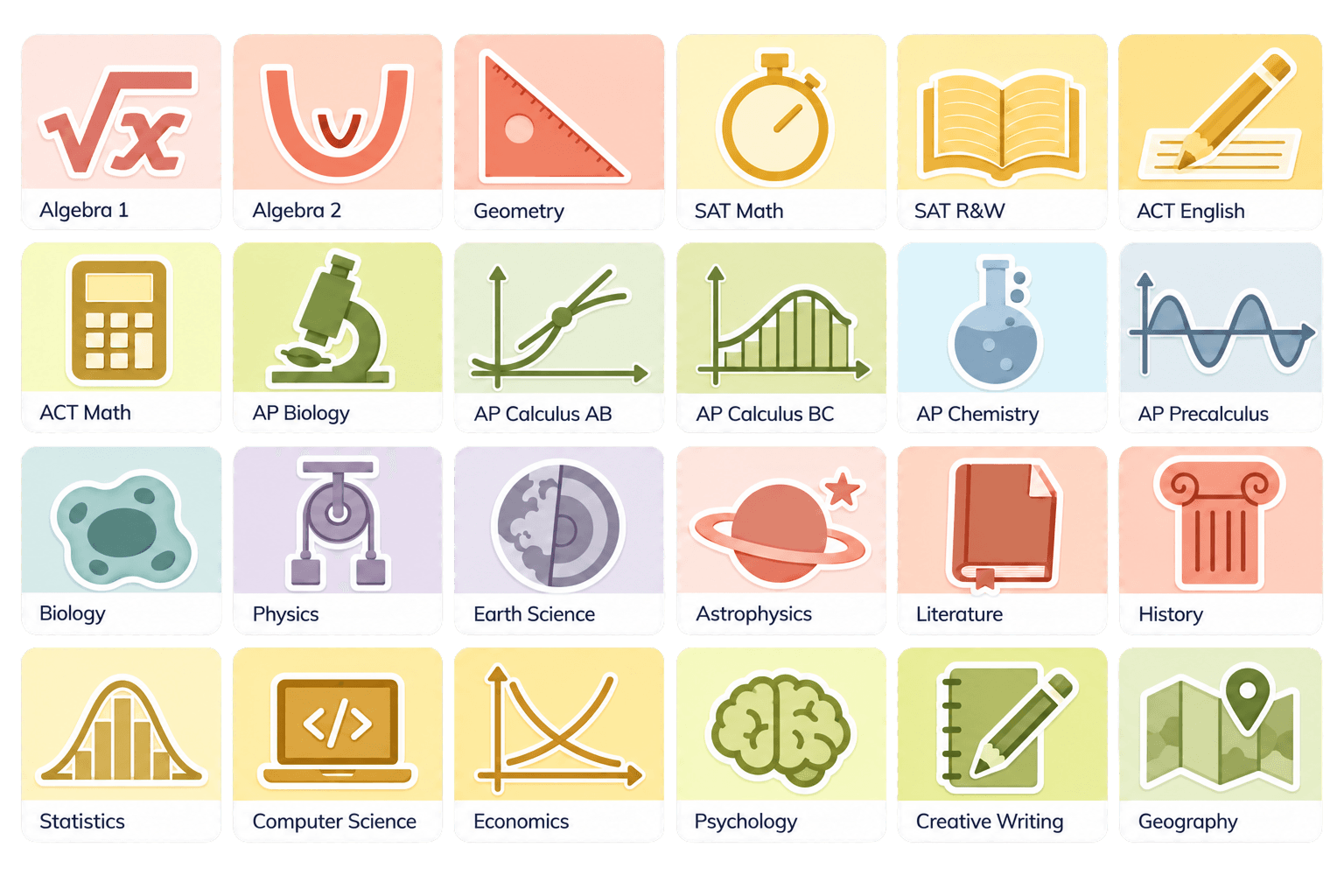
From middle-school math to AP exams to SAT/ACT prep. We also build custom plans matched to state standards and specific courses.
Revisit session summaries, session whiteboards, and uploads in one place.
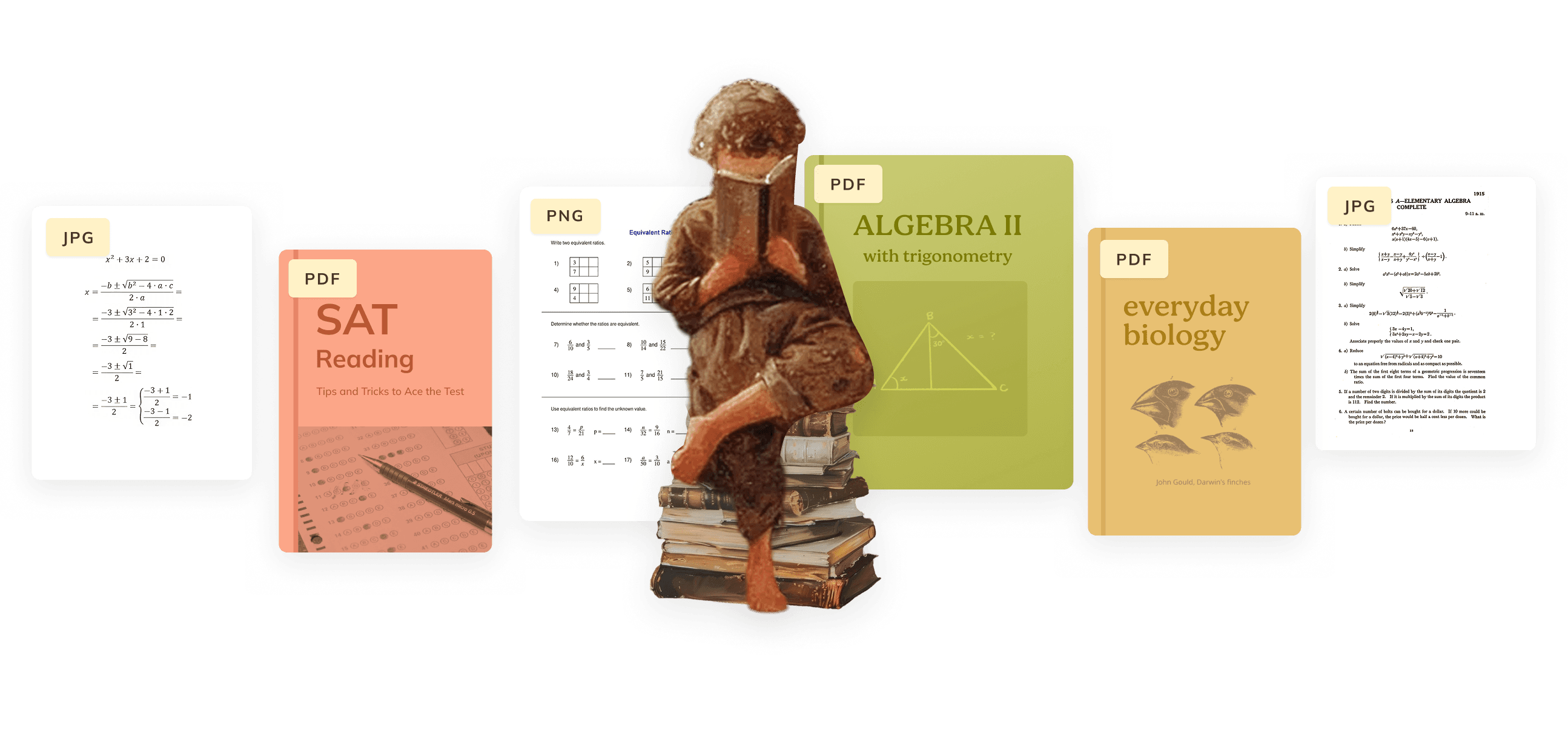
Aristotle can read and navigate any PDFs and images with the learner. That includes textbooks with hundreds of pages!
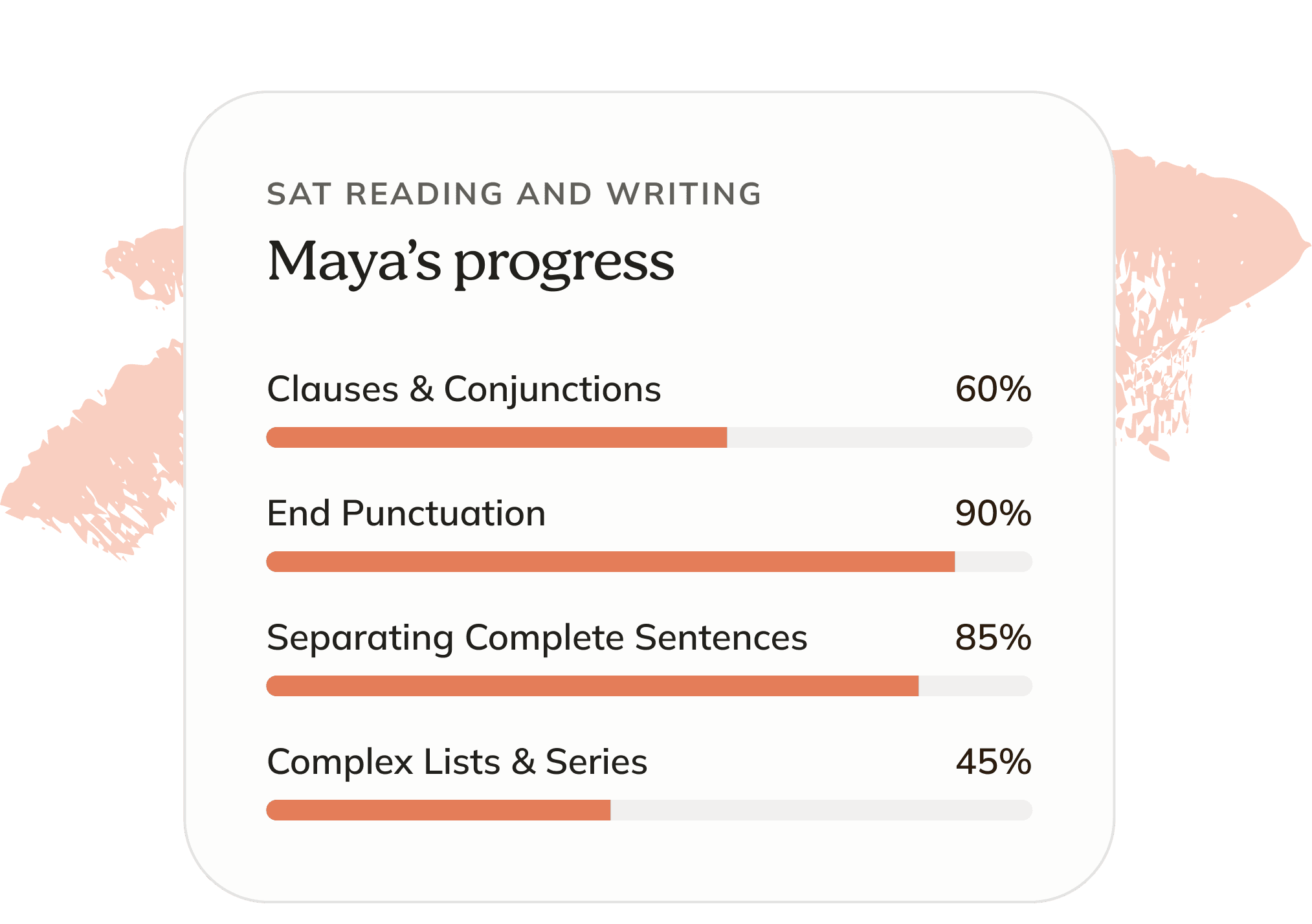
We break all subjects down into granular skills, then track mistakes and mastery on each one. Parents can see the whole picture at a glance.
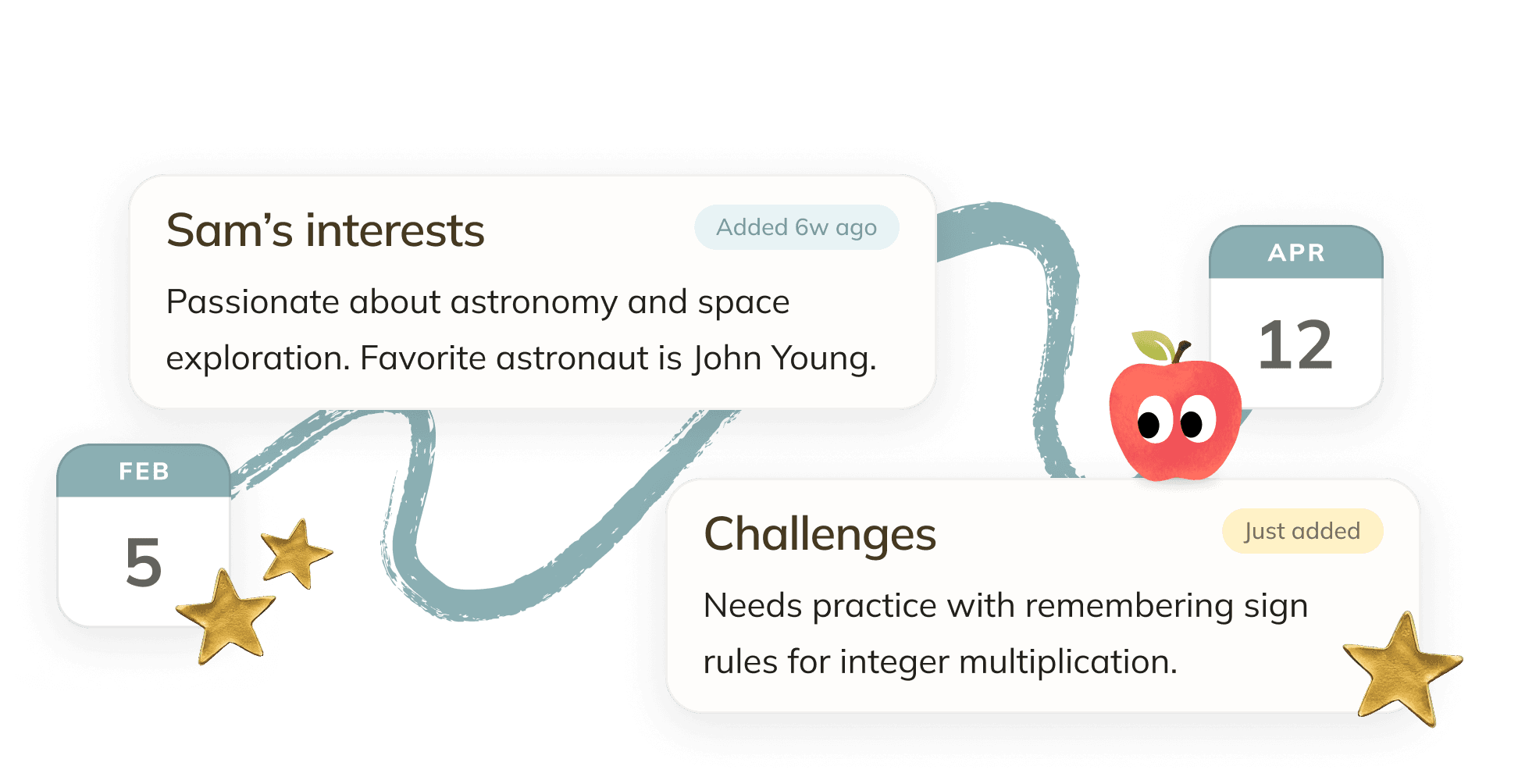
Aristotle remembers every session: what you’ve covered, where you got stuck, how you like things explained. It picks up right where you left off.
The curriculum
Aristotle is designed to always know what to teach at exactly the right time.
Sample curriculum
* Click a topic to see the skills inside
Biological molecules
Cells
Organisms exchange substances with their environment
Genetic information, variation and relationships between organisms
Energy transfers in and between organisms
Organisms respond to changes in their internal and external environments
Genetics, populations, evolution and ecosystems
The control of gene expression
Practical skills and required practicals
A-Level Biology (UK) tutoring curriculum290 skills across 9 units
Biological molecules
Topics: Monomers and polymers, Carbohydrates, Lipids, General properties of proteins, Many proteins are enzymes, Structure of DNA and RNA, DNA replication, ATP, Water, Inorganic ions.
Cells
Topics: Structure of eukaryotic cells, Structure of prokaryotic cells and of viruses, Methods of studying cells, All cells arise from other cells, Transport across cell membranes, Cell recognition and the immune system.
Organisms exchange substances with their environment
Topics: Surface area to volume ratio, Gas exchange, Digestion and absorption, Mass transport in animals, Mass transport in plants.
Genetic information, variation and relationships between organisms
Topics: DNA, genes and chromosomes, DNA and protein synthesis, Genetic diversity can arise as a result of mutation or during meiosis, Genetic diversity and adaptation, Species and taxonomy, Biodiversity within a community, Investigating diversity.
Energy transfers in and between organisms
Topics: Photosynthesis, Respiration, Energy and ecosystems, Nutrient cycles.
Organisms respond to changes in their internal and external environments
Topics: Survival and response, Receptors, Control of heart rate, Nerve impulses, Synaptic transmission, Skeletal muscles are stimulated to contract by nerves and act as effectors, Principles of homeostasis and negative feedback, Control of blood glucose concentration, Control of blood water potential.
Genetics, populations, evolution and ecosystems
Topics: Inheritance, Populations, Evolution may lead to speciation, Populations in ecosystems.
The control of gene expression
Topics: Alteration of the sequence of bases in DNA can alter the structure of proteins, Most of a cell's DNA is not translated, Regulation of transcription and translation, Gene expression and cancer, Using genome projects, Recombinant DNA technology, Differences in DNA between individuals of the same species can be exploited for identification and diagnosis of heritable conditions, Genetic fingerprinting.
Practical skills and required practicals
Topics: Practical techniques and data analysis, Required practical activities.
My son told me yesterday that we should cancel his human tutor, because Aristotle is doing a better job. The human tutor was $250/hour.

A few things you might wonder before getting started.
Aristotle's A-Level Biology (UK) course tracks 290 skills across 9 units, mapped to the A-Level specification, including Biological molecules, Cells, and Organisms exchange substances with their environment. Every skill is linked to the skills it builds on, so the tutor always knows which parts of A-Level Biology (UK) your child has mastered and what to teach next.
Check out our most recent blog posts.

This could be you
For homework, supporting your child, or anything you’ve always wanted to know more about, Aristotle makes it easy for anyone to learn out loud.