Every skill mapped
Statistics on Aristotle is 101 skills across 8 units, each linked to the skills it builds on.

Statistics
Pioneered by Stanford AI researchers and learning scientists, Aristotle is the world's first voice-based AI tutor. A full Statistics course, mapped skill by skill.
Trusted by families at








Fits your child's Statistics class
Statistics on Aristotle is 101 skills across 8 units, each linked to the skills it builds on.
Share a syllabus, textbook, or reading list and sessions follow it, or let Aristotle lead the way through the course.
Aristotle moves on when a skill is mastered and slows down when it isn't, so no time goes to what your child already knows.
Features
Talk things through, work side by side, and come back next time to a tutor who remembers where you left off.
Ask questions out loud, hear explanations in Aristotle’s voice, and interrupt whenever you need to.
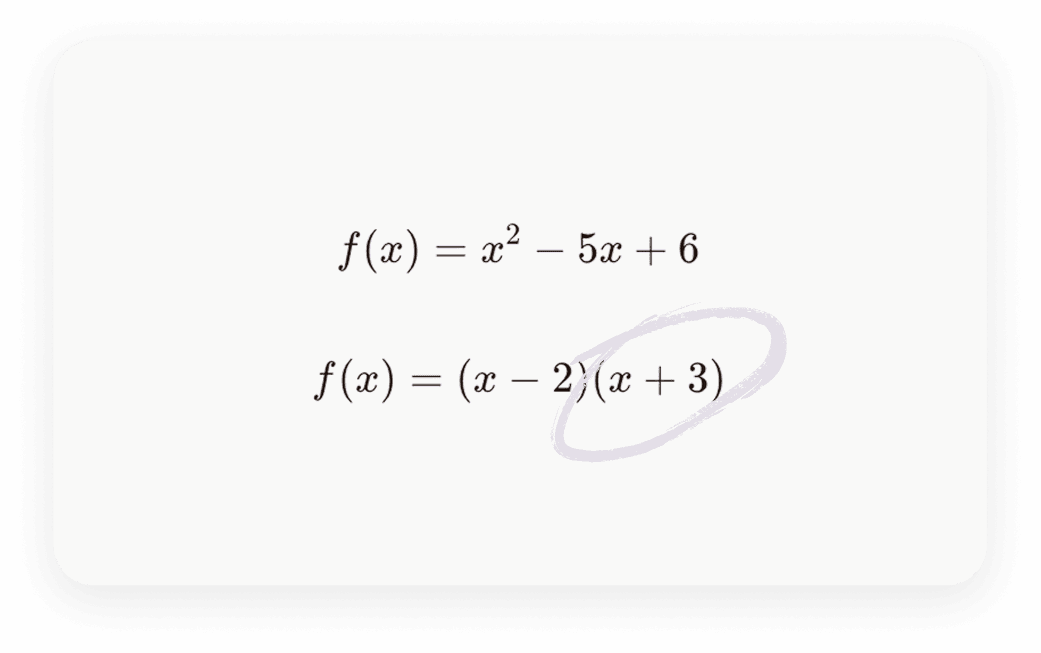
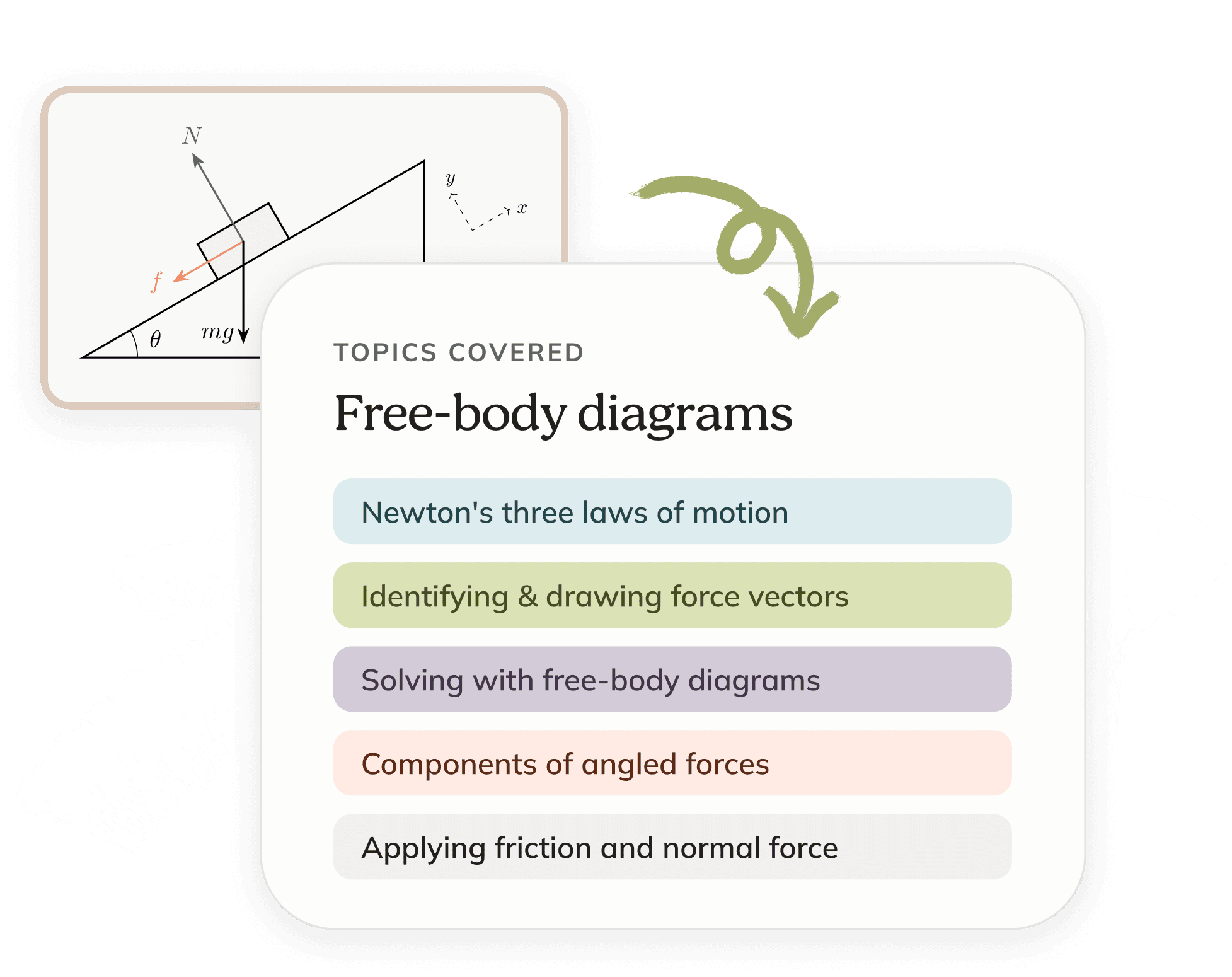
Aristotle draws steps, diagrams, and images to help you learn visually.
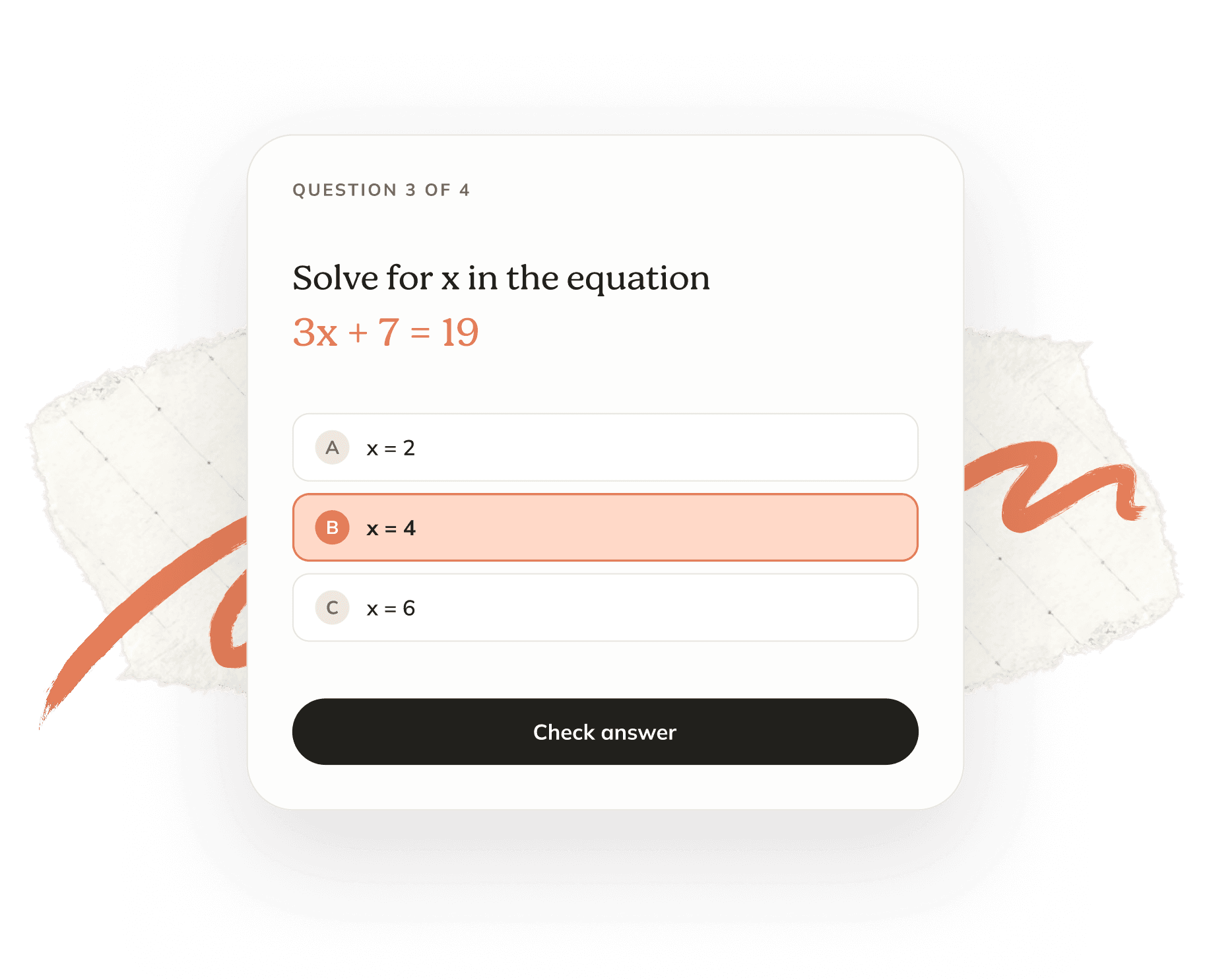
Get practice problems tailored to the exact topics you’re struggling with.
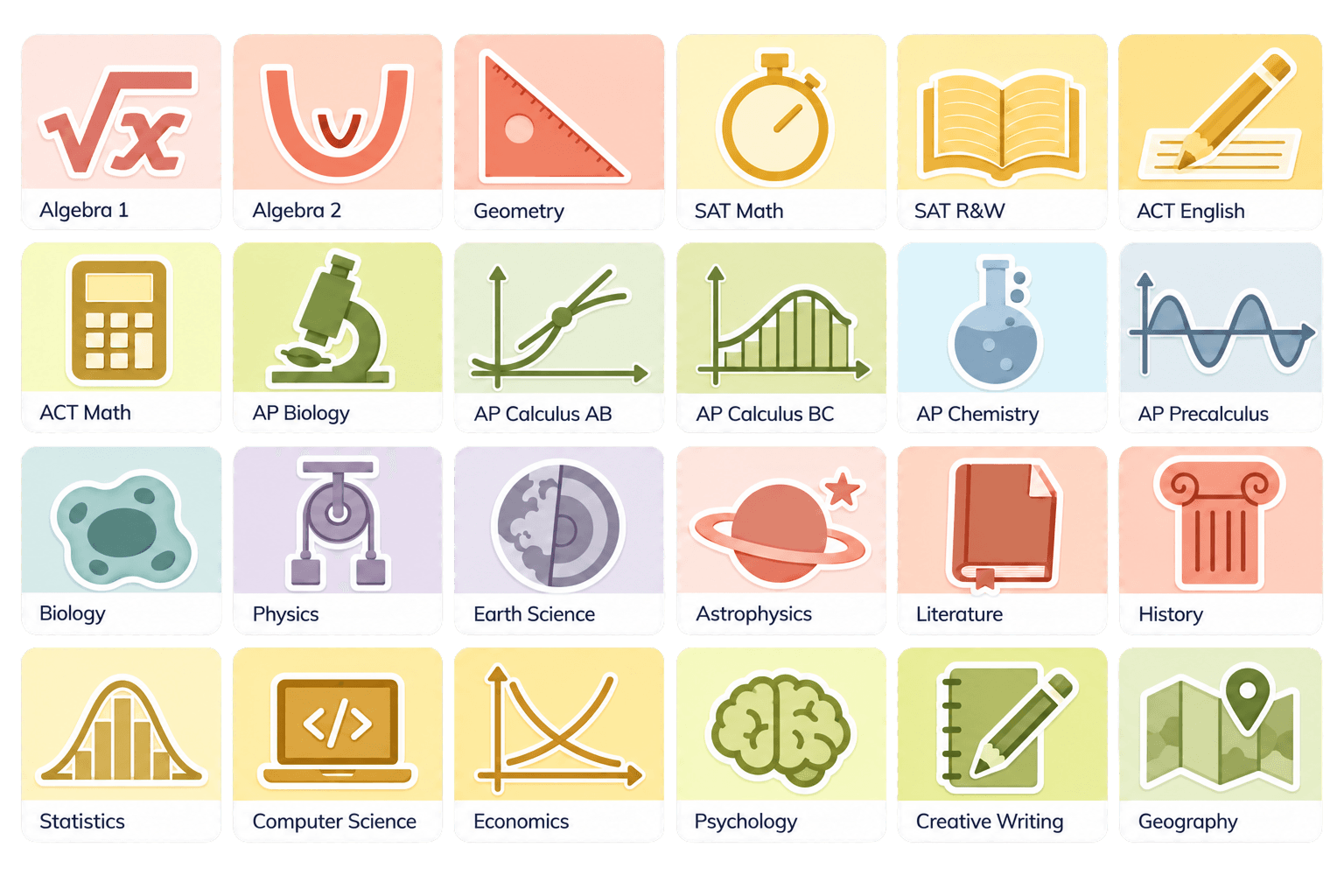
From middle-school math to AP exams to SAT/ACT prep. We also build custom plans matched to state standards and specific courses.
Revisit session summaries, session whiteboards, and uploads in one place.
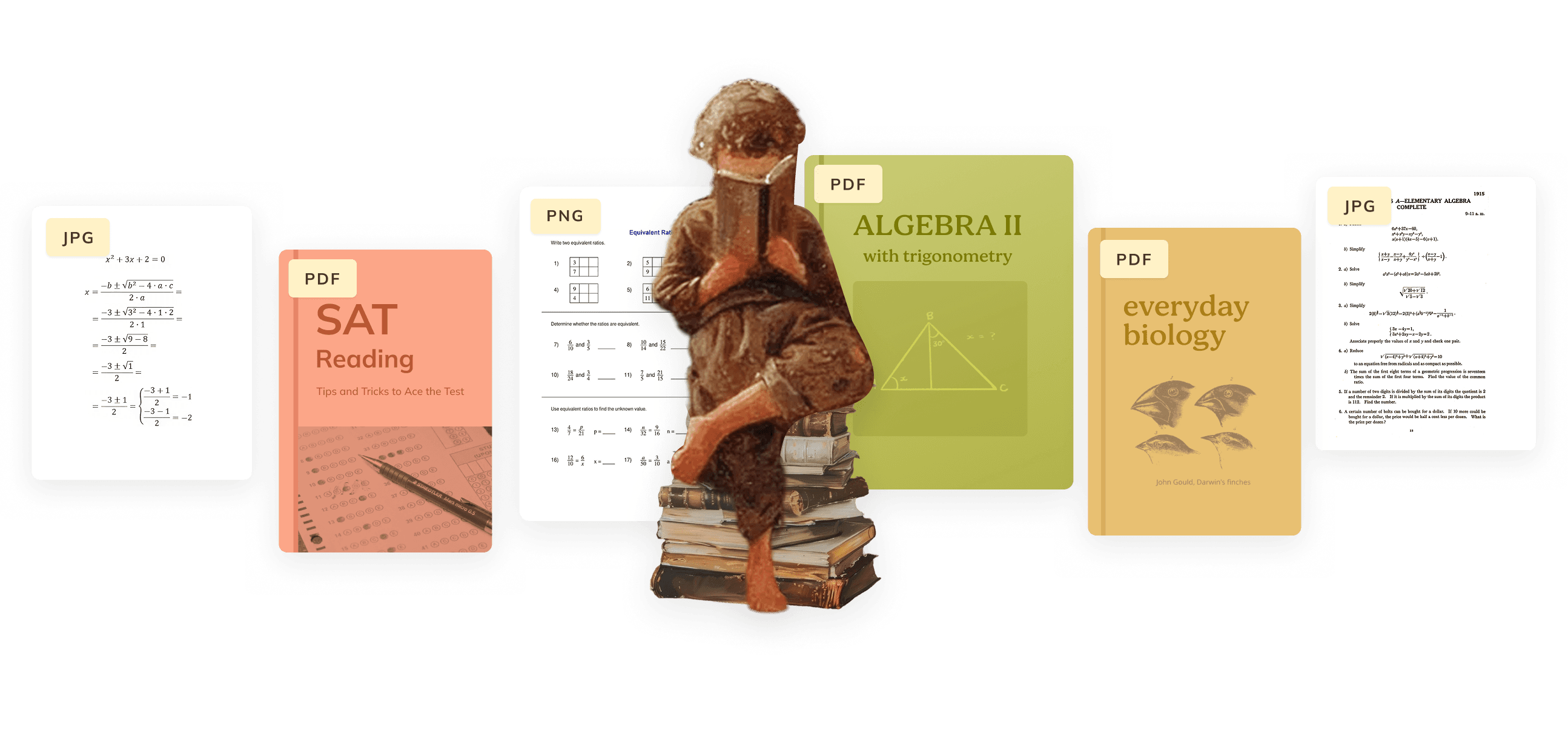
Aristotle can read and navigate any PDFs and images with the learner. That includes textbooks with hundreds of pages!
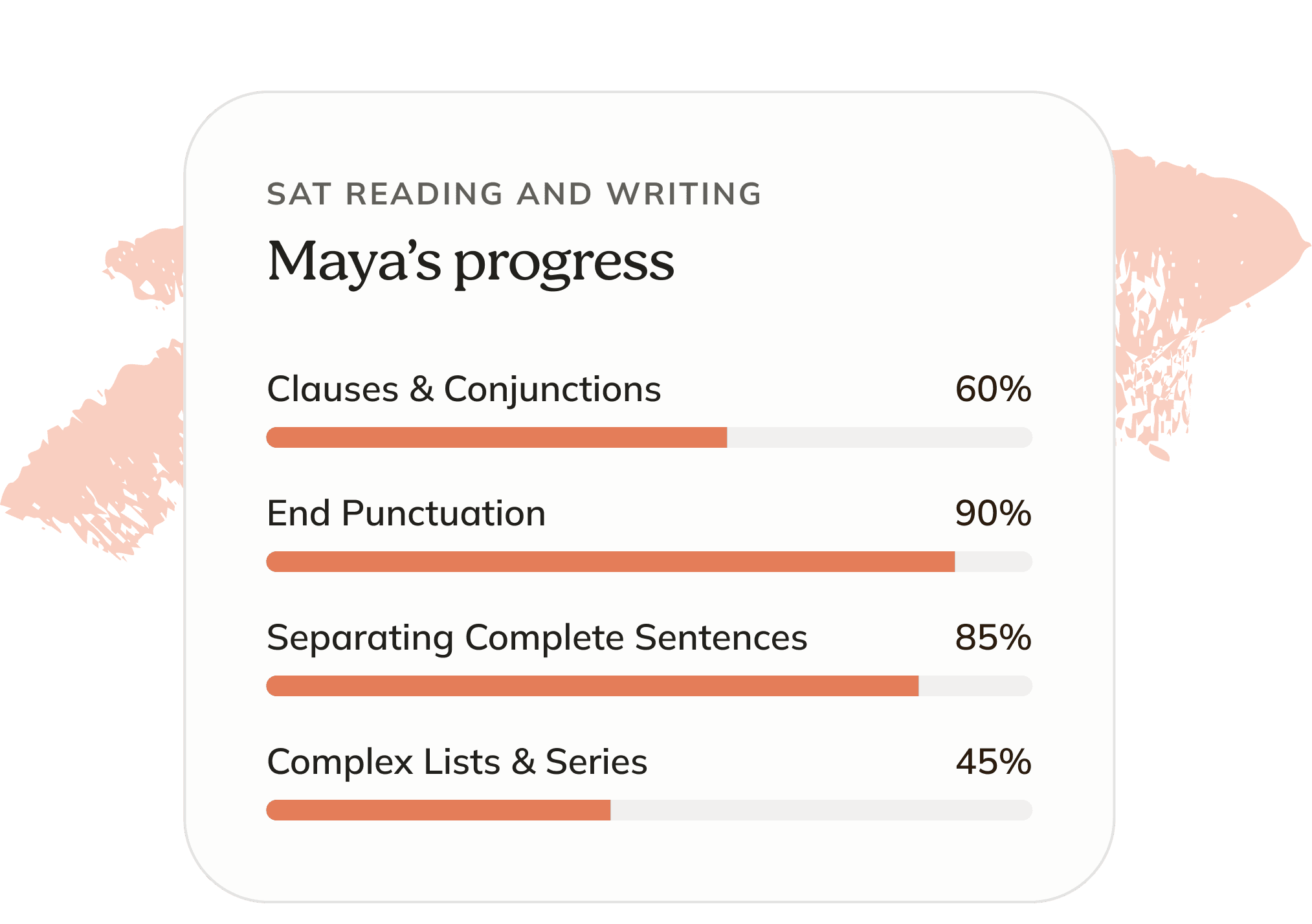
We break all subjects down into granular skills, then track mistakes and mastery on each one. Parents can see the whole picture at a glance.
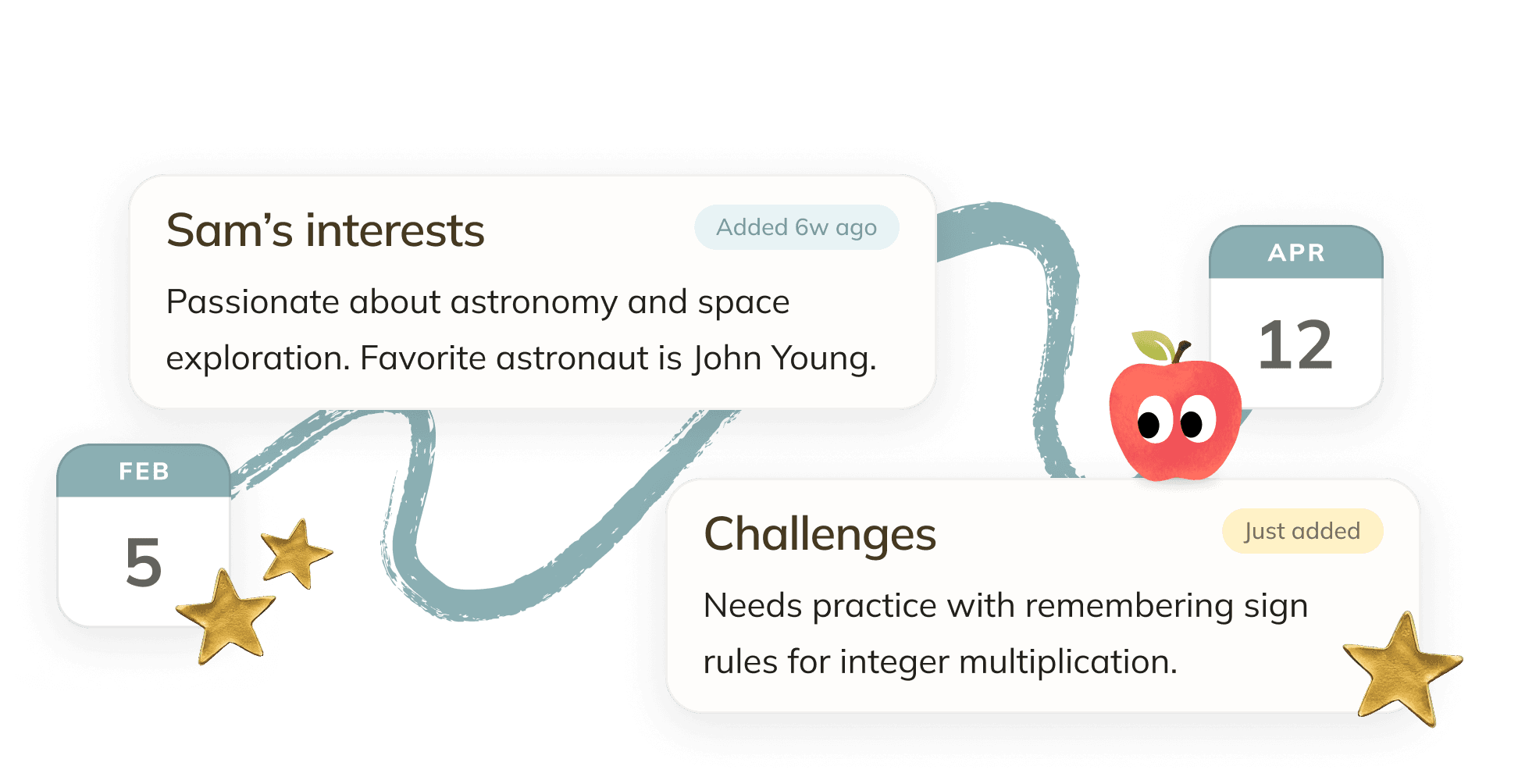
Aristotle remembers every session: what you’ve covered, where you got stuck, how you like things explained. It picks up right where you left off.
The curriculum
Aristotle is designed to always know what to teach at exactly the right time.
Sample curriculum
* Click a topic to see the skills inside
Sampling & Study Design
Descriptive Statistics
Probability & Random Variables
Normal & Sampling Distributions
Confidence Intervals
Hypothesis Testing
Chi-Square Tests and ANOVA
Correlation and Regression
Statistics tutoring curriculum101 skills across 8 units
Sampling & Study Design
How data is generated and collected: defining populations and variables, choosing a sampling method, and designing studies that support the intended conclusions. Topics: Populations, Variables & Statistical Questions, Sampling Methods, Sources of Bias in Data Collection, Observational Studies & Experimental Design.
Descriptive Statistics
Summarizing and displaying a single variable's distribution with graphs, measures of center and spread, and comparing distributions including relationships shown in two-way tables. Topics: Displaying Distributions, Numerical Summaries, Comparing Distributions & Two-Way Tables.
Probability & Random Variables
A compact toolkit of probability rules and discrete random variables needed for inference: interpreting probability, combining events, conditioning, and the binomial model. Topics: Probability Rules, Discrete Random Variables & the Binomial Model, Continuous Random Variables.
Normal & Sampling Distributions
Using the normal model to find probabilities and percentiles, and understanding how sample statistics vary from sample to sample, culminating in the Central Limit Theorem. Topics: The Normal Model, Sampling Distributions.
Confidence Intervals
Building and interpreting confidence intervals for a mean and a proportion, including the logic of margin of error, the conditions that justify each procedure, and how to plan sample size. Topics: Confidence Interval Foundations, Confidence Intervals for a Mean, Confidence Intervals for a Proportion.
Hypothesis Testing
The logic of testing a claim about a population using sample data, and carrying out the standard one- and two-sample tests for means and proportions, plus the reasoning needed to interpret results responsibly. Topics: Testing Logic & One-Sample Tests, Two-Sample Tests, Interpreting and Using Test Results.
Chi-Square Tests and ANOVA
Testing categorical data against a model or across groups with the chi-square distribution, and comparing means across several groups with one-way ANOVA and the F distribution. Topics: Chi-Square Foundations & Tests, One-Way ANOVA.
Correlation and Regression
Describing and modeling the linear relationship between two quantitative variables, using the model for prediction, checking it with residuals, and recognizing its diagnostic and causal limits. Topics: Describing Association, Building and Using the Regression Model, Regression Diagnostics and Inference.
My son told me yesterday that we should cancel his human tutor, because Aristotle is doing a better job. The human tutor was $250/hour.

A few things you might wonder before getting started.
Aristotle's Statistics course tracks 101 skills across 8 units, including Sampling & Study Design, Descriptive Statistics, and Probability & Random Variables. Every skill is linked to the skills it builds on, so the tutor always knows which parts of Statistics your child has mastered and what to teach next.
Check out our most recent blog posts.
This could be you
For homework, supporting your child, or anything you’ve always wanted to know more about, Aristotle makes it easy for anyone to learn out loud.