Every skill mapped
Social Studies on Aristotle is 104 skills across 7 units, each linked to the skills it builds on.

Social Studies
Pioneered by Stanford AI researchers and learning scientists, Aristotle is the world's first voice-based AI tutor. A full Social Studies course, mapped skill by skill.
Trusted by families at









Features
Talk things through, work side by side, and come back next time to a tutor who remembers where you left off.
Ask questions out loud, hear explanations in Aristotle’s voice, and interrupt whenever you need to.
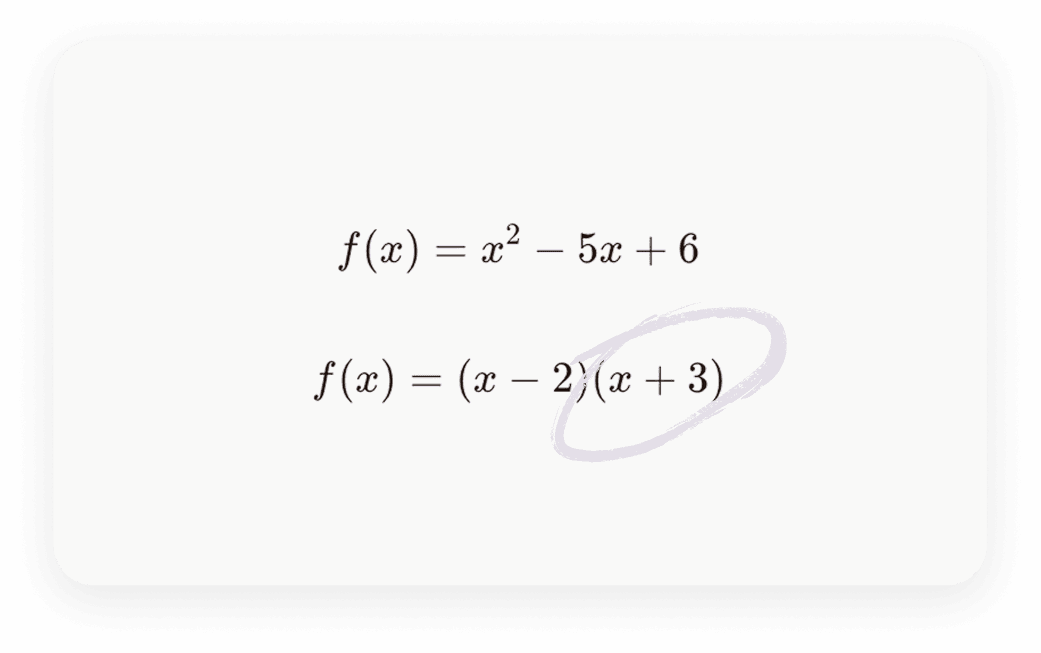
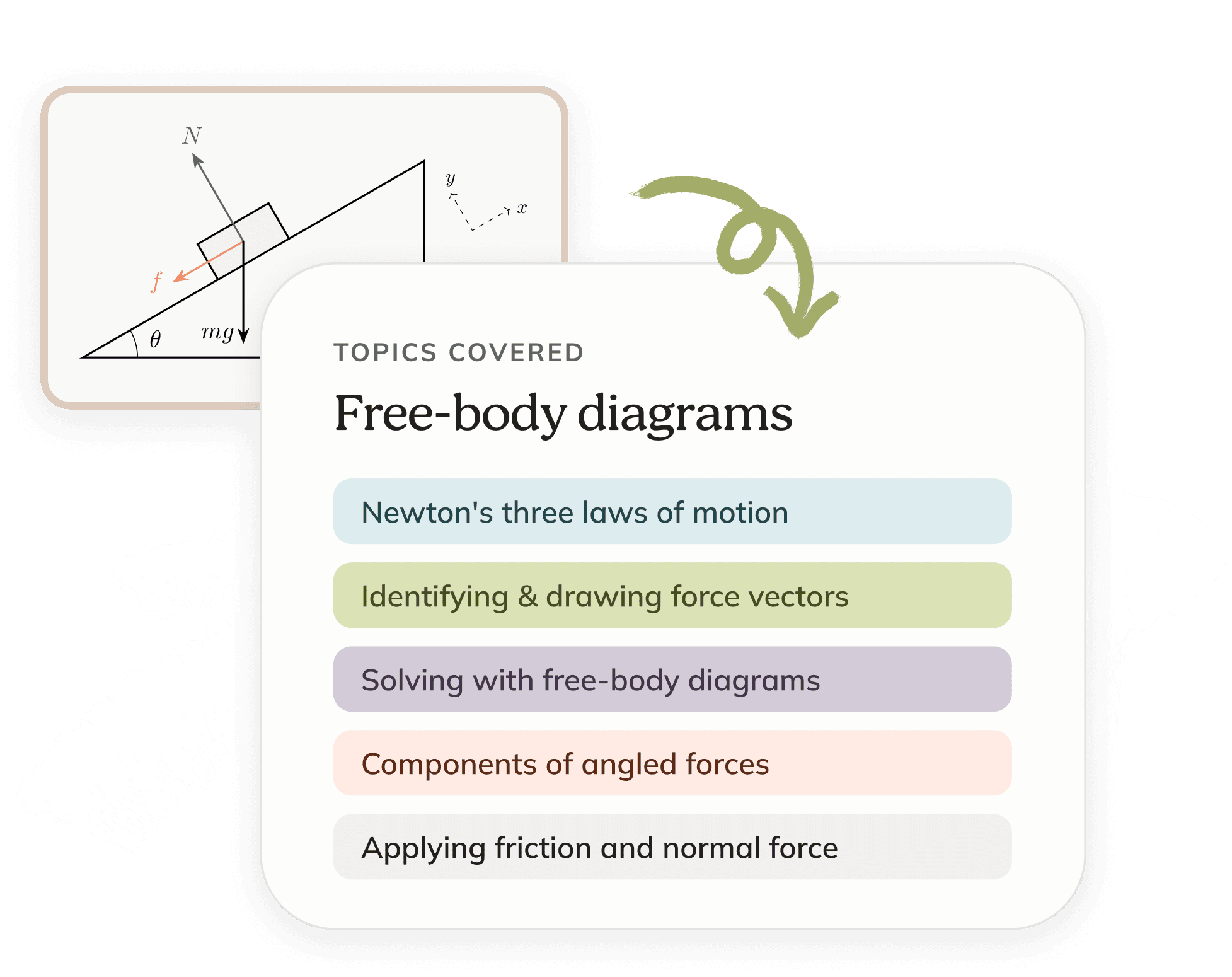
Aristotle draws steps, diagrams, and images to help you learn visually.
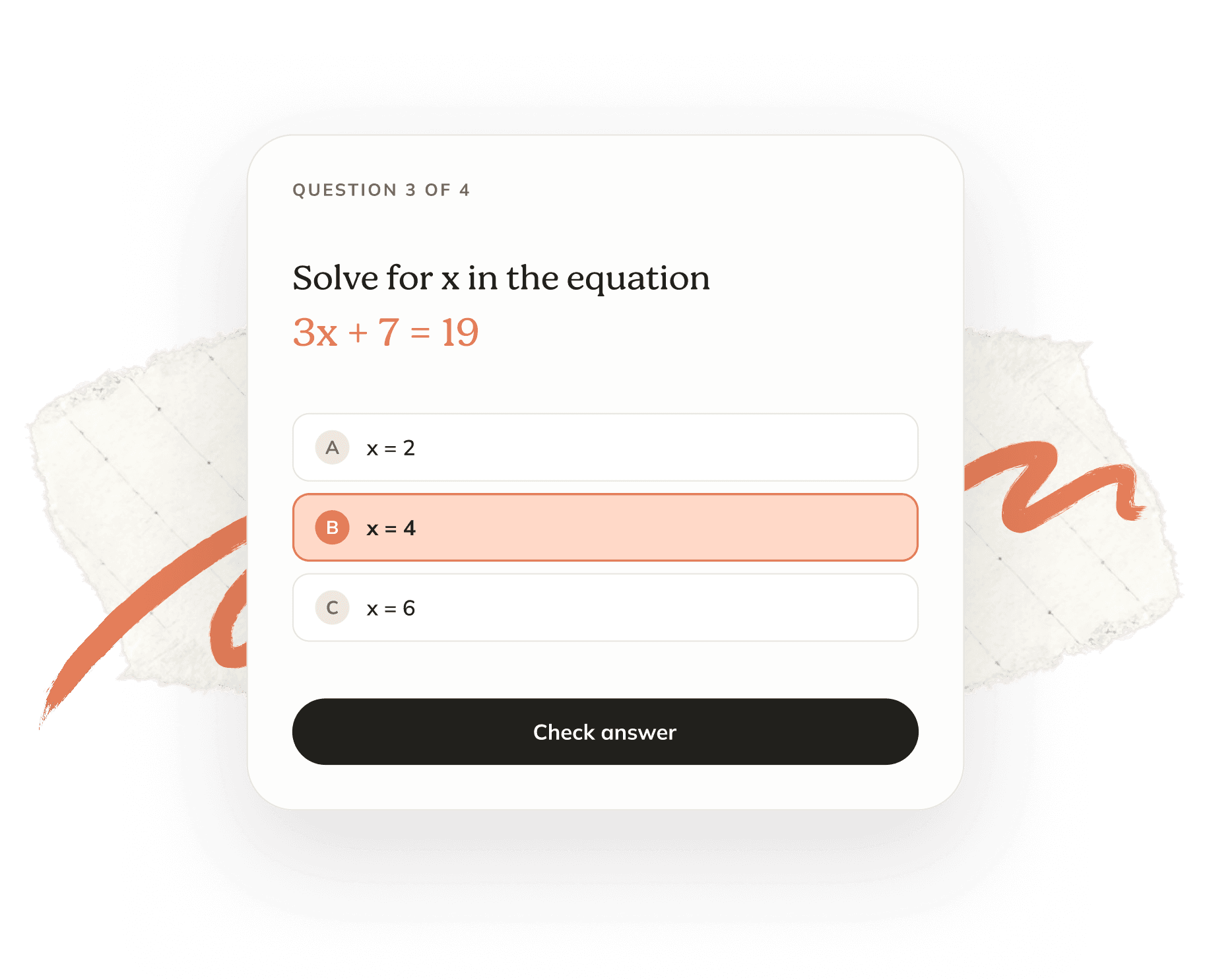
Get practice problems tailored to the exact topics you’re struggling with.
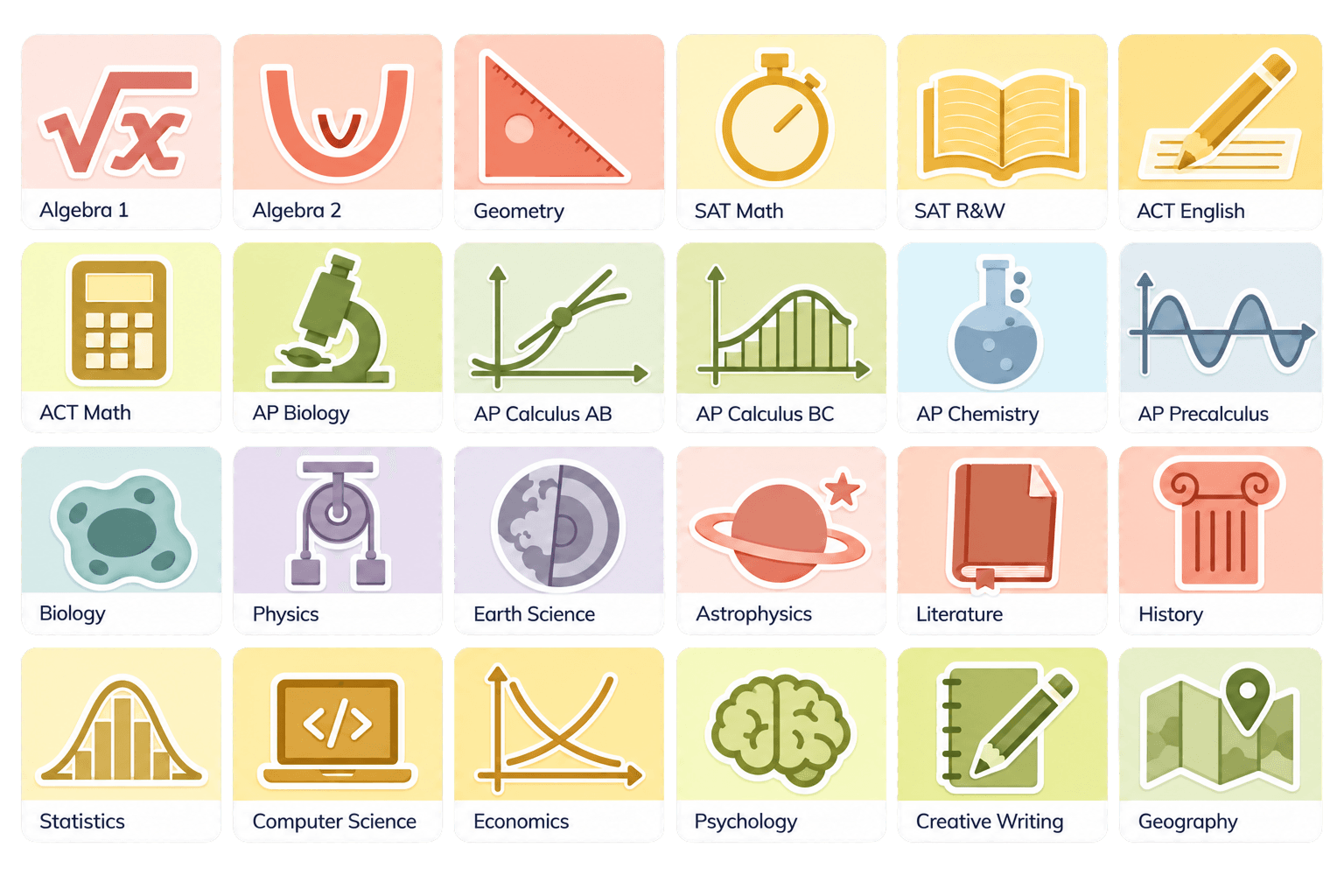
From middle-school math to AP exams to SAT/ACT prep. We also build custom plans matched to state standards and specific courses.
Revisit session summaries, session whiteboards, and uploads in one place.
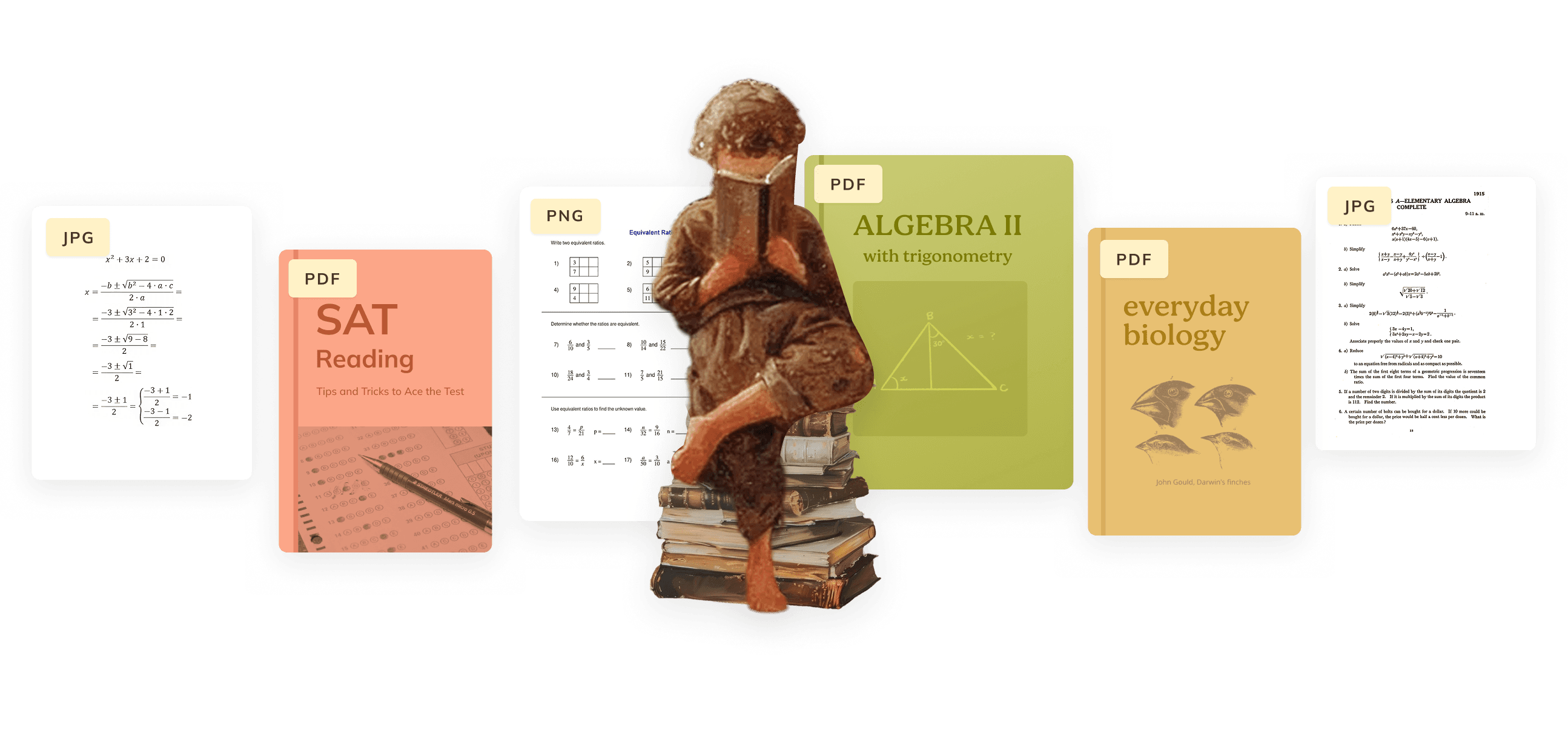
Aristotle can read and navigate any PDFs and images with the learner. That includes textbooks with hundreds of pages!
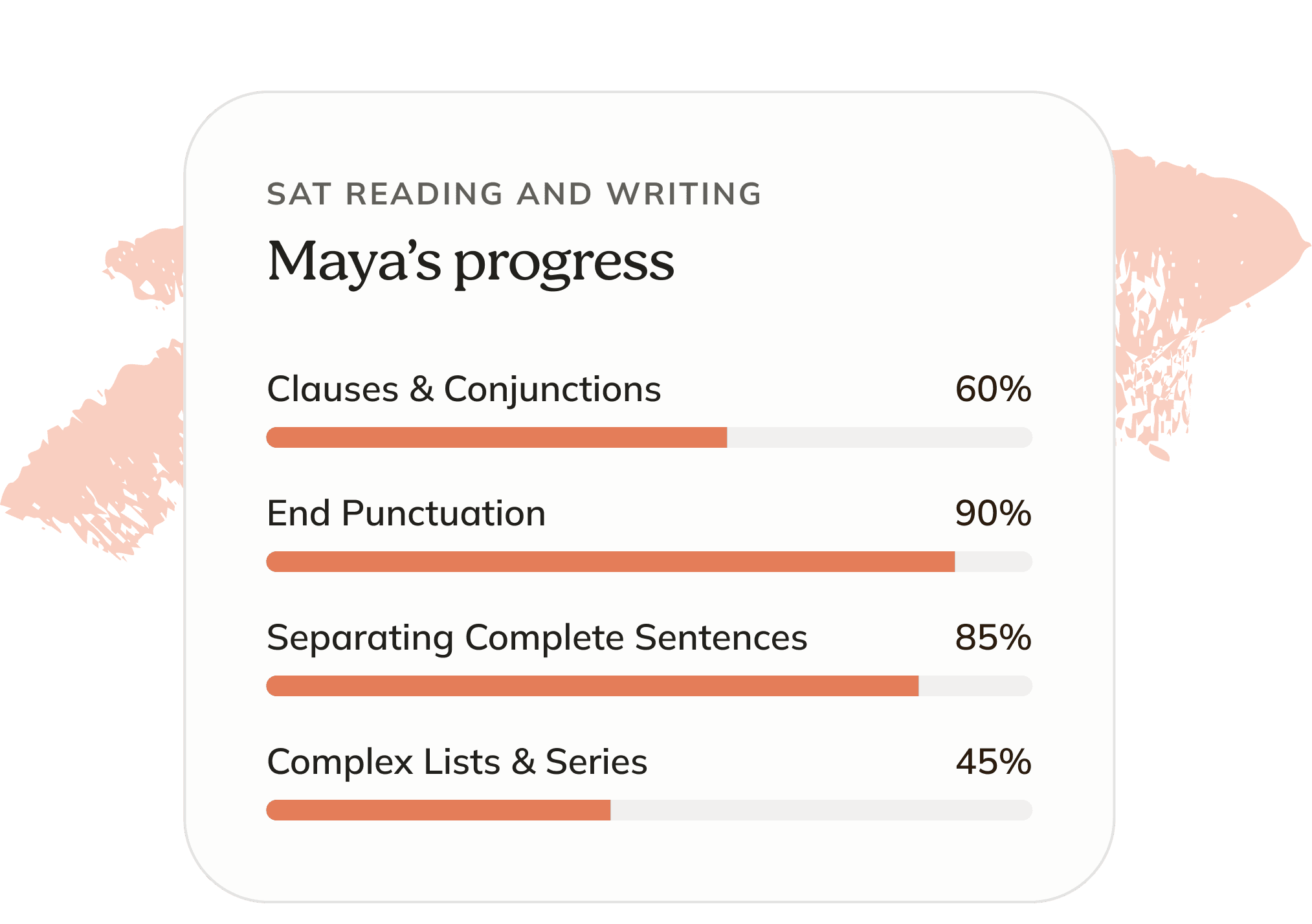
We break all subjects down into granular skills, then track mistakes and mastery on each one. Parents can see the whole picture at a glance.
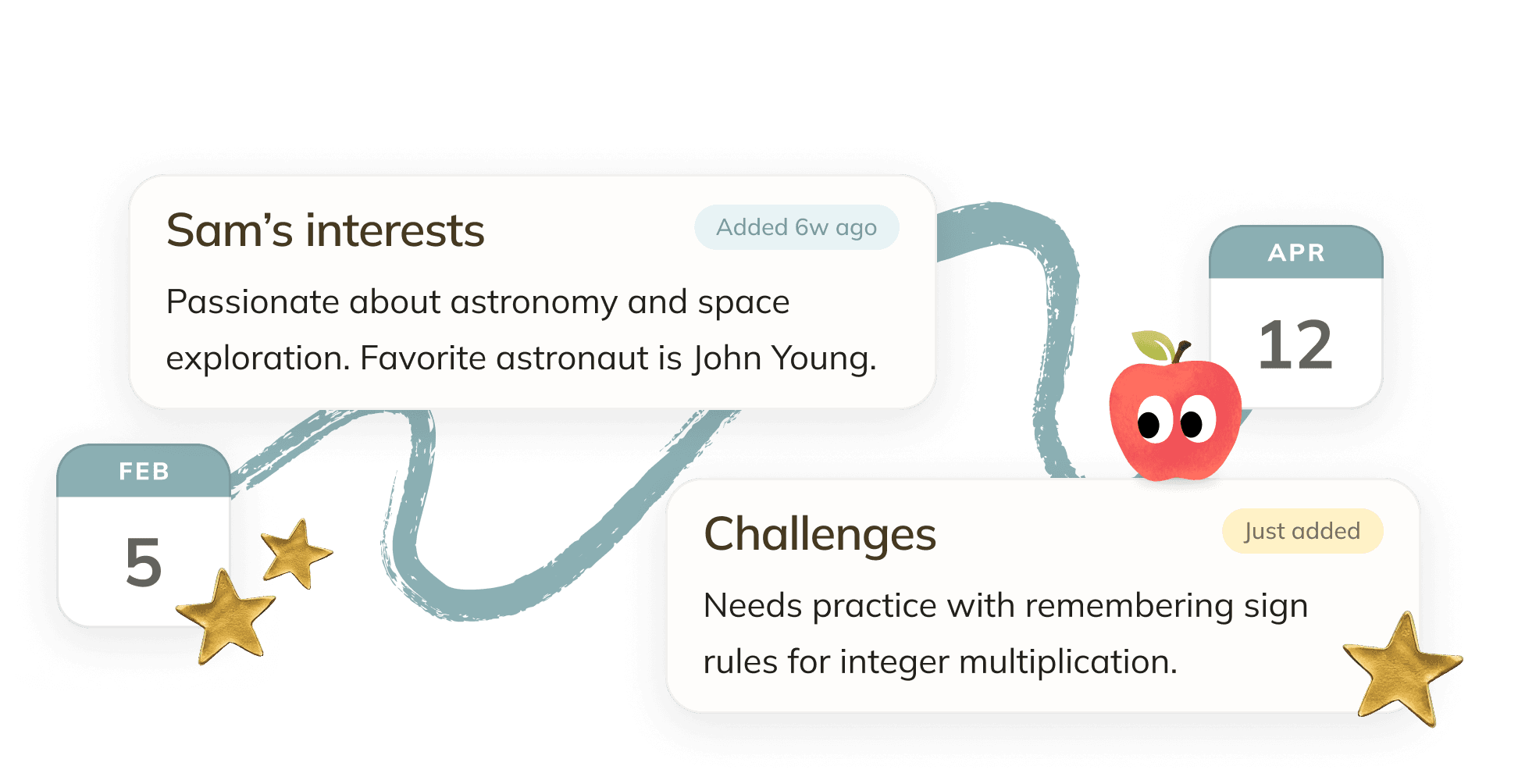
Aristotle remembers every session: what you’ve covered, where you got stuck, how you like things explained. It picks up right where you left off.
The curriculum
Aristotle is designed to always know what to teach at exactly the right time.
Sample curriculum
* Click a topic to see the skills inside
How We Study People and the Past
Foundations of American Government
The Three Branches at Work
Rights, Responsibilities, and Citizenship
Taking Part in Public Life
Geography: Where Things Are and Why
Economics You Can Use
Social Studies tutoring curriculum104 skills across 7 units
How We Study People and the Past
The method that makes social studies more than facts: asking a question worth answering, judging who made a source and why, and building a claim you can defend and act on. Topics: Asking Good Questions, Working with Sources, Making and Sharing a Case.
Foundations of American Government
Why governments exist, how the United States arrived at the Constitution through argument and compromise, and the design principles that still decide who can do what. Topics: What Government Is For, Founding Documents and Compromises, Constitutional Principles.
The Three Branches at Work
What each branch actually does day to day, and how the checks between them play out in real disputes rather than just on a diagram. Topics: Congress, The President and the Agencies, The Courts, Checks in Action.
Rights, Responsibilities, and Citizenship
What the Constitution protects and where those protections stop, how rights were extended to people first left out, and what membership in a community asks of a person. Topics: The Bill of Rights, Extending Civil Rights, Citizenship and Civic Virtue.
Taking Part in Public Life
The practical side of citizenship: how voting works, who tries to influence it, how to read the media that shapes opinion, and where local decisions actually get made. Topics: Elections and Voting, Parties, Groups, and Campaigns, Media and News Literacy, State and Local Government.
Geography: Where Things Are and Why
Reading the world spatially: the five themes as questions to ask, the map skills to answer them, and the patterns of environment, resources, and movement that explain where people live. Topics: The Five Themes, Map Skills, Regions and Places, People and Environment, Movement and Connection.
Economics You Can Use
The economic reasoning a citizen needs: choices under scarcity, how markets and money work, what governments tax and spend, and why countries trade with each other. Topics: Scarcity and Choice, Markets and Money, Government and the National Economy, The Global Economy.
My son told me yesterday that we should cancel his human tutor, because Aristotle is doing a better job. The human tutor was $250/hour.

A few things you might wonder before getting started.
Aristotle's Social Studies course tracks 104 skills across 7 units, including How We Study People and the Past, Foundations of American Government, and The Three Branches at Work. Every skill is linked to the skills it builds on, so the tutor always knows which parts of Social Studies your child has mastered and what to teach next.
Check out our most recent blog posts.

This could be you
For homework, supporting your child, or anything you’ve always wanted to know more about, Aristotle makes it easy for anyone to learn out loud.