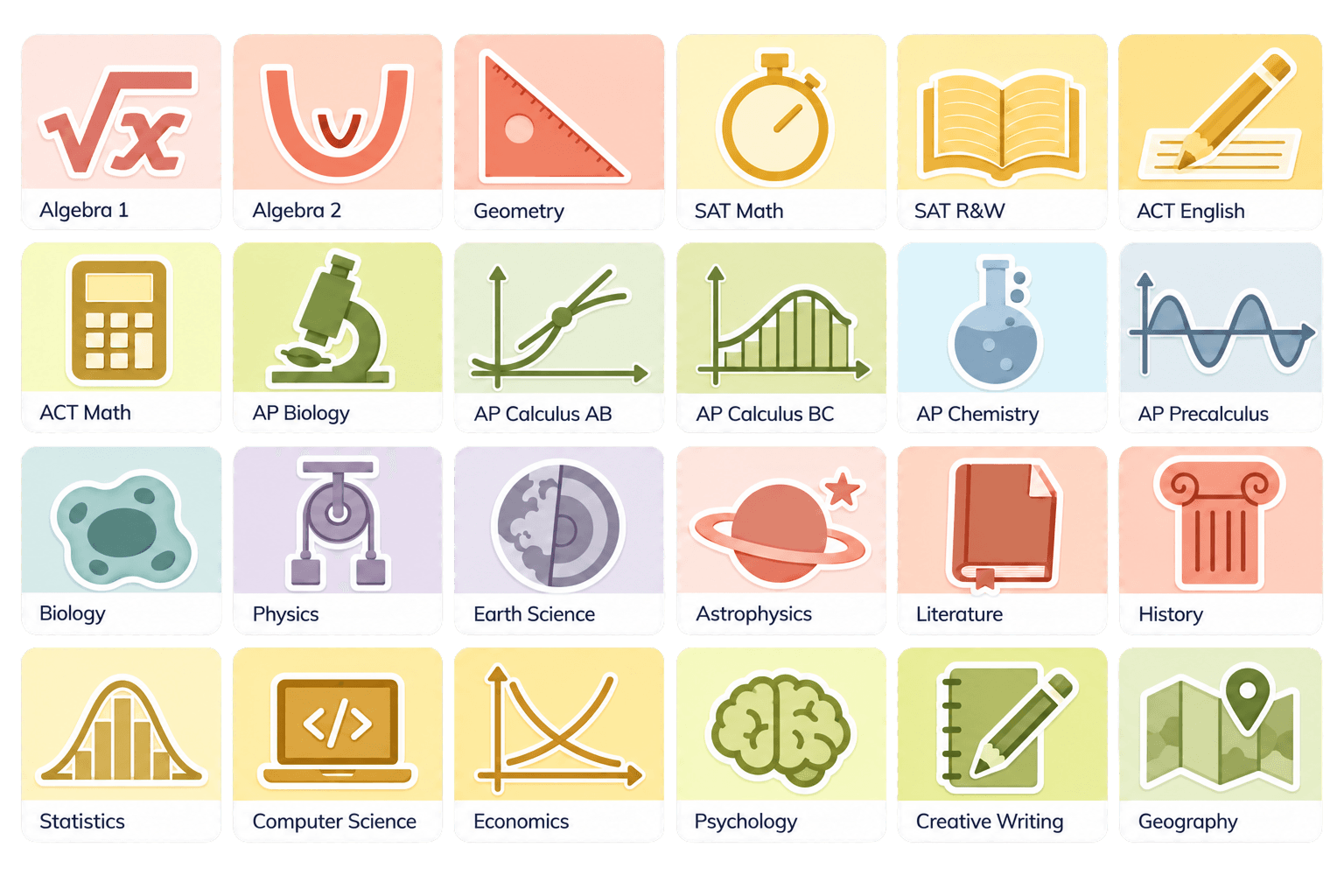
Every skill mapped
Religion & Theology on Aristotle is 74 skills across 9 units, each linked to the skills it builds on.

Religion & Theology
Pioneered by Stanford AI researchers and learning scientists, Aristotle is the world's first voice-based AI tutor. A full Religion & Theology course, mapped skill by skill.
Trusted by families at








Features
Talk things through, work side by side, and come back next time to a tutor who remembers where you left off.
Ask questions out loud, hear explanations in Aristotle’s voice, and interrupt whenever you need to.
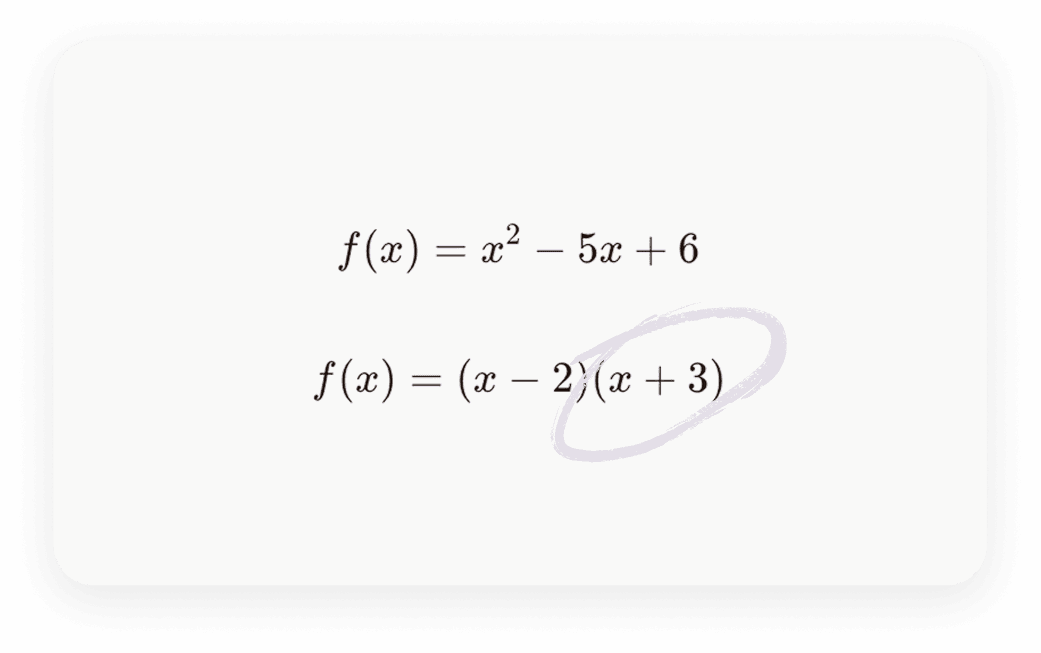
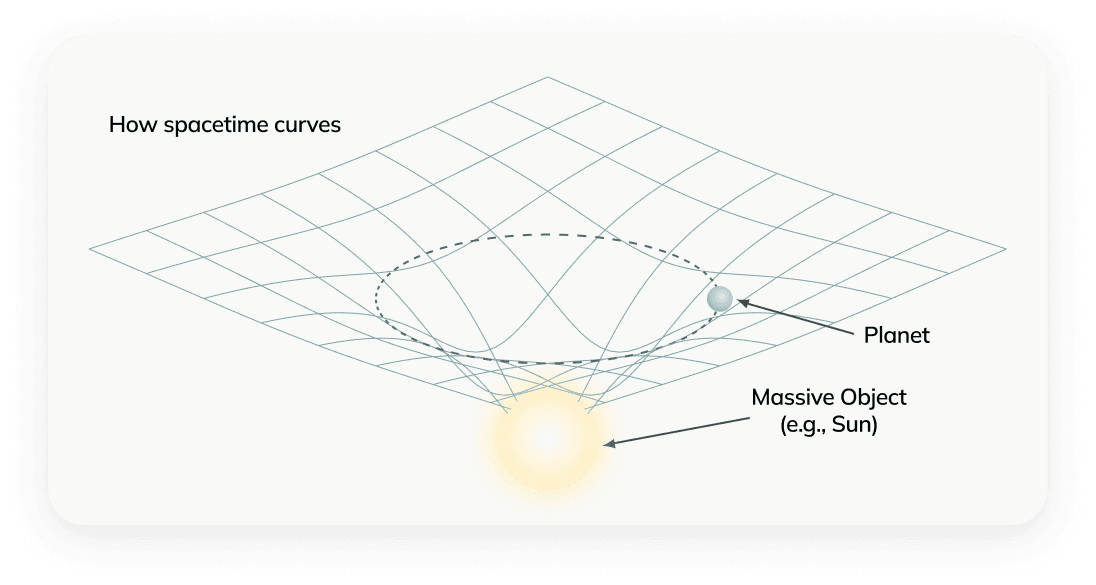
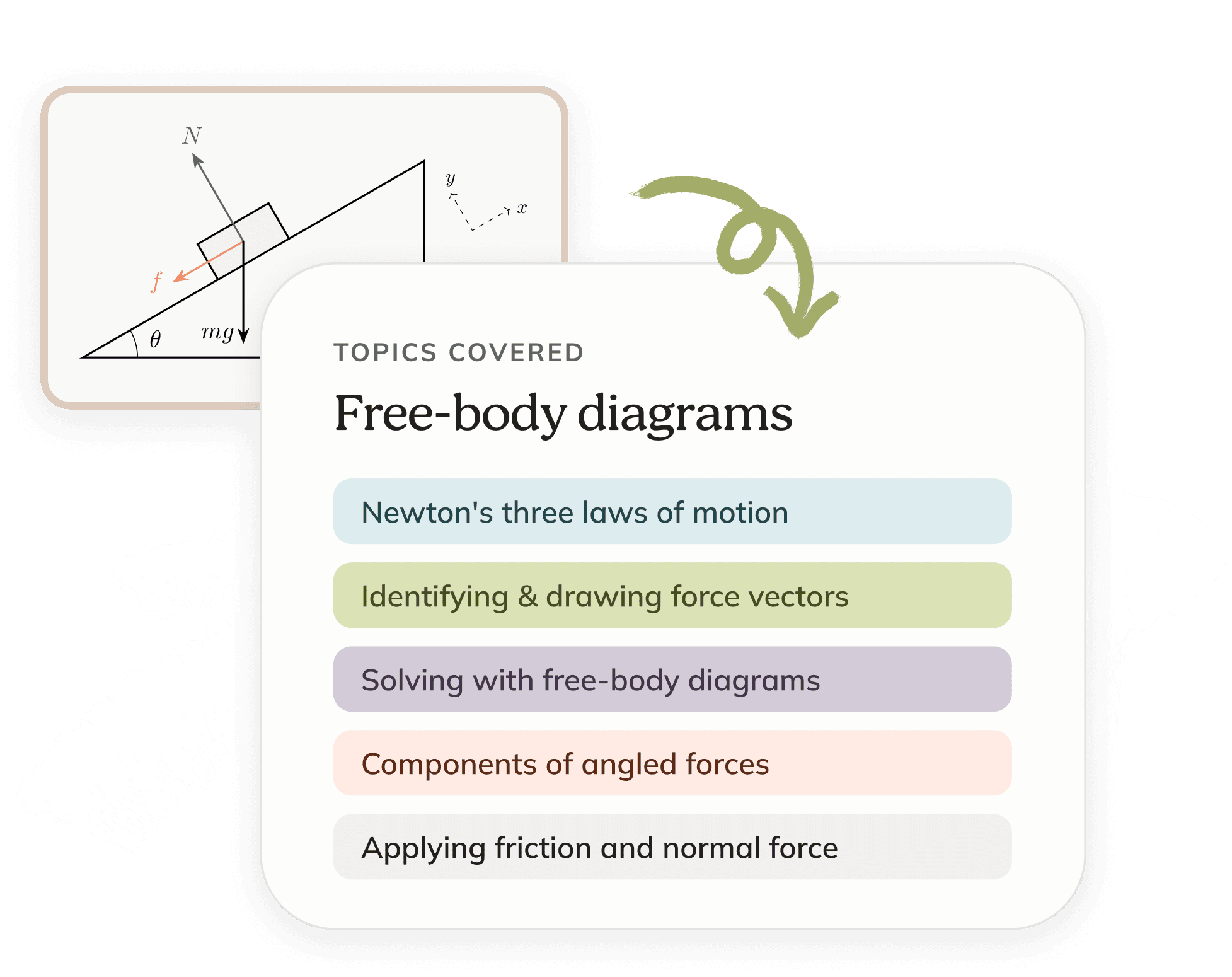
Aristotle draws steps, diagrams, and images to help you learn visually.
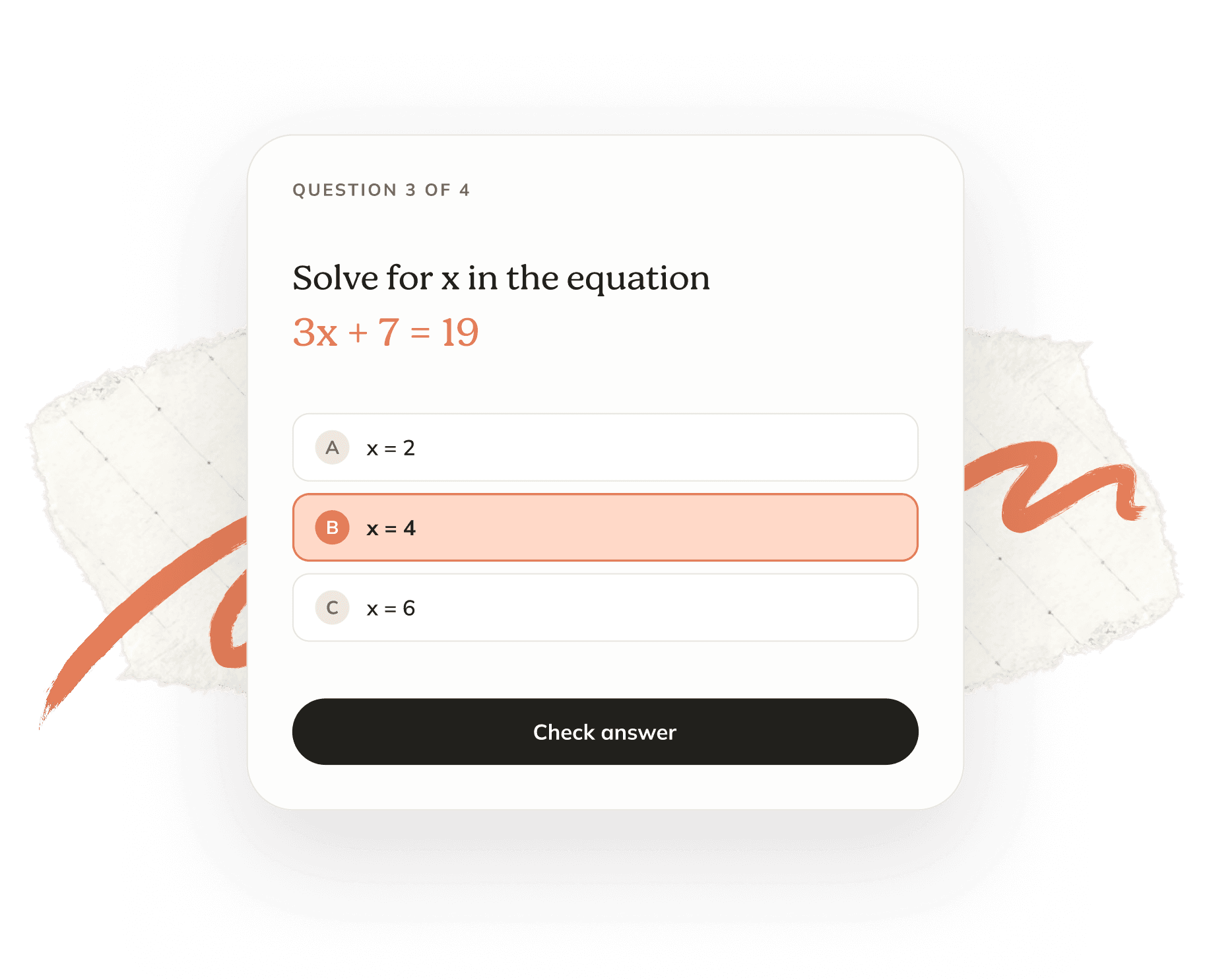
Get practice problems tailored to the exact topics you’re struggling with.
From middle-school math to AP exams to SAT/ACT prep. We also build custom plans matched to state standards and specific courses.
Revisit session summaries, session whiteboards, and uploads in one place.
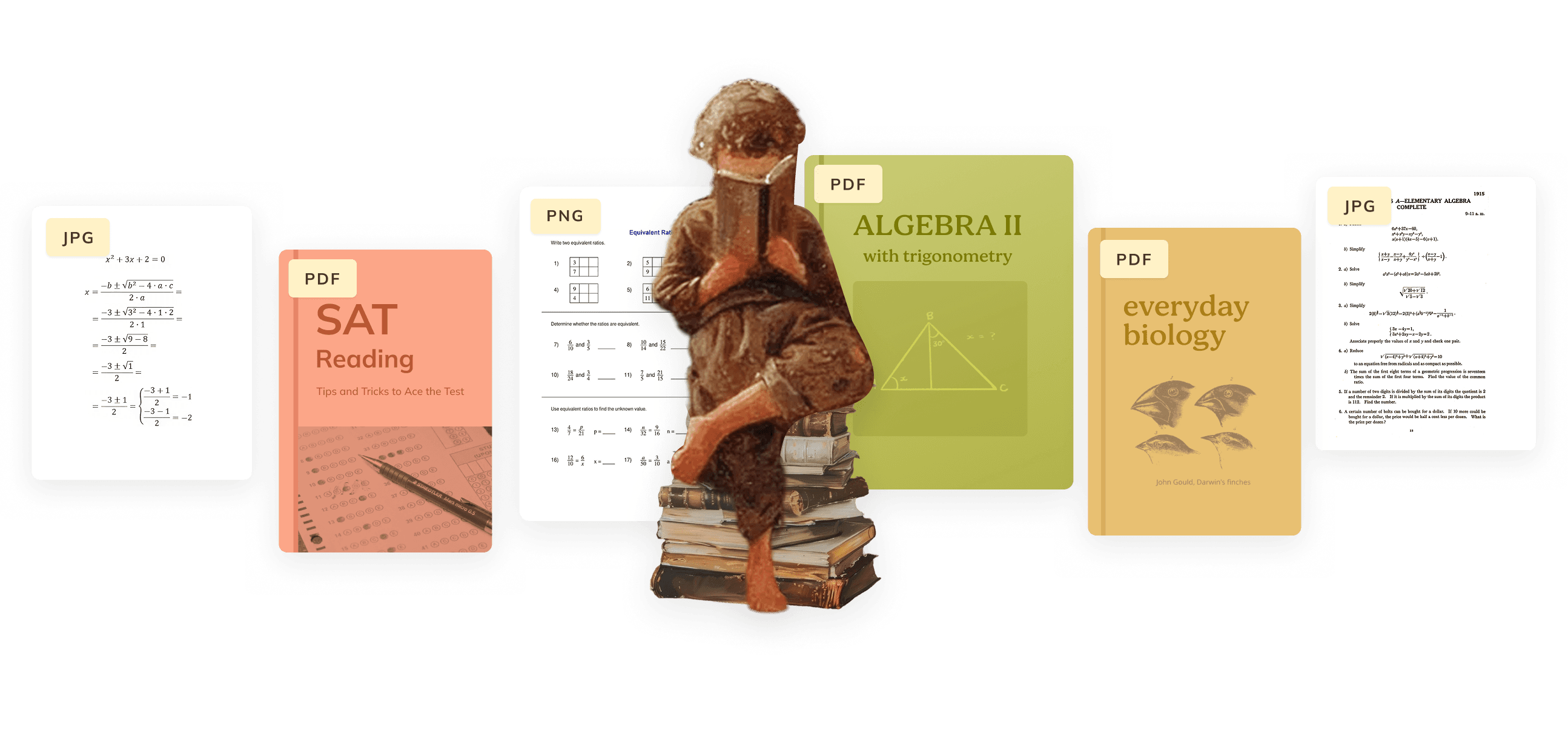
Aristotle can read and navigate any PDFs and images with the learner. That includes textbooks with hundreds of pages!
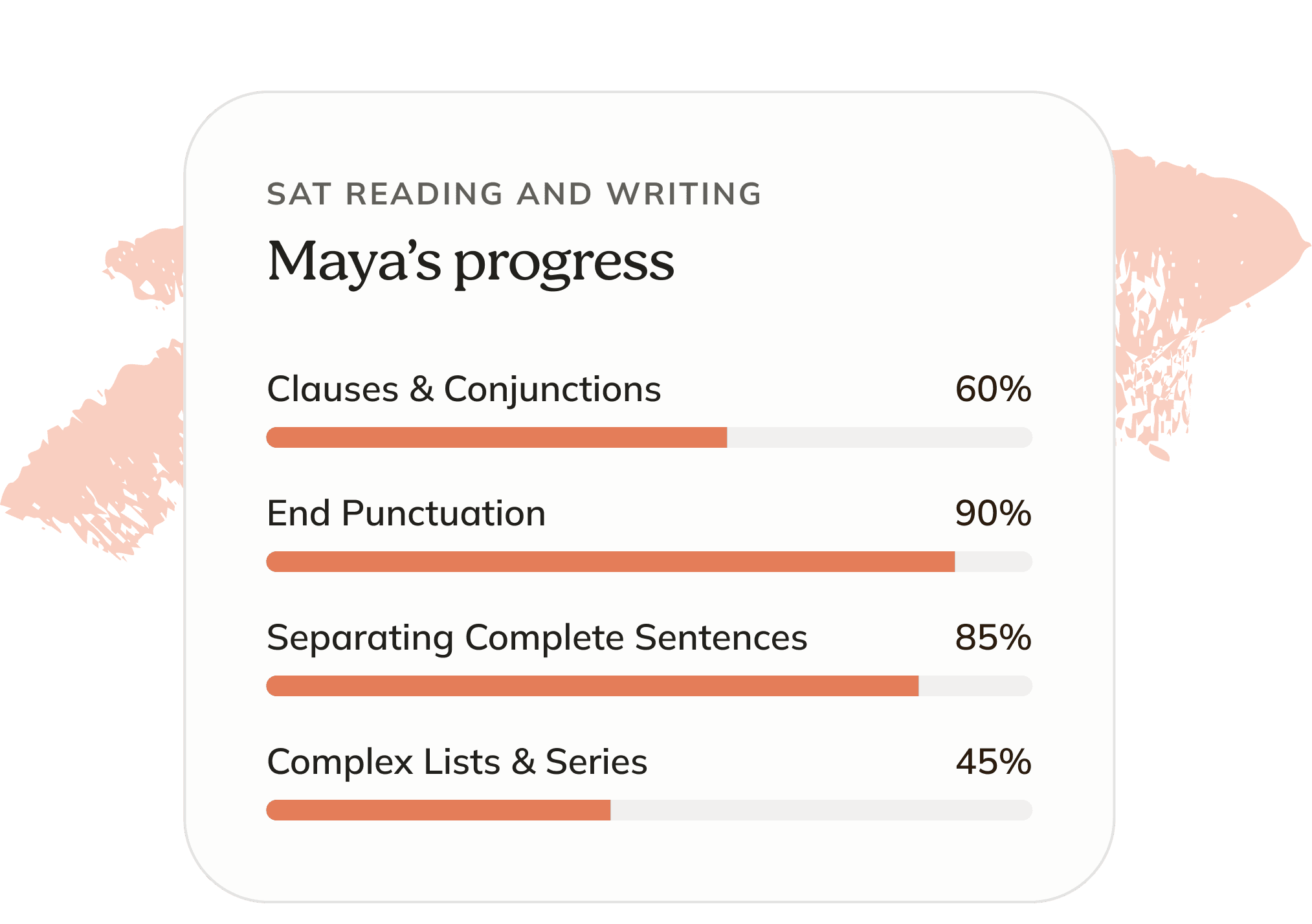
We break all subjects down into granular skills, then track mistakes and mastery on each one. Parents can see the whole picture at a glance.
Aristotle remembers every session: what you’ve covered, where you got stuck, how you like things explained. It picks up right where you left off.
The curriculum
Aristotle is designed to always know what to teach at exactly the right time.
Sample curriculum
* Click a topic to see the skills inside
Ways of Studying Religion and Theology
Judaism: Covenant, Torah, and Interpretation
Christian Beginnings and Biblical Interpretation
Christian Theology: God, Christ, and Salvation
Christian Thinkers and Continuing Debates
Islam: Revelation, Practice, and Reasoning
South Asian Traditions: Self, Action, and Liberation
East Asian, Indigenous, and Newer Traditions
Theological Questions Across Traditions
Religion & Theology tutoring curriculum74 skills across 9 units
Ways of Studying Religion and Theology
Distinguish questions about belief, interpretation, history, and practice before comparing answers. Topics: What Kind of Question Are We Asking?, Texts, Authority, and Interpretation.
Judaism: Covenant, Torah, and Interpretation
Encounter Jewish texts and practices through history and continuing interpretive traditions. Topics: Genesis, Exodus, and the Prophets, Rabbinic Learning and Jewish Life.
Christian Beginnings and Biblical Interpretation
Study Jesus traditions, early communities, and the formation of authoritative texts. Topics: Jesus and the Gospels, Paul, Early Communities, and the Canon.
Christian Theology: God, Christ, and Salvation
Examine central Christian doctrines as developed and contested claims, not unexplained vocabulary. Topics: God, Creation, and the Trinity, Incarnation, Sin, Grace, and Reconciliation, Spirit, Church, Sacraments, and Hope.
Christian Thinkers and Continuing Debates
Follow theology through reason, reform, modern criticism, and lived commitments. Topics: Aquinas, Luther, and the Reformations, Schleiermacher, Barth, and Liberation Theology.
Islam: Revelation, Practice, and Reasoning
Study Islamic sources and ways of life with attention to historical and interpretive diversity. Topics: The Qur’an, Muhammad, and Prophetic Tradition, Unity, Law, and Diverse Paths.
South Asian Traditions: Self, Action, and Liberation
Explore distinct traditions that share some vocabulary but disagree about fundamental questions. Topics: Upanishads, the Bhagavad Gita, and Devotion, Buddhist Teachings and Paths, Jainism and Sikhism.
East Asian, Indigenous, and Newer Traditions
Broaden comparison without forcing every tradition into a belief-centered template. Topics: Confucian, Daoist, and Shinto Traditions, Place, Community, and Religious Change, Zoroastrian Traditions.
Theological Questions Across Traditions
Compare carefully framed questions while allowing different concepts and answers. Topics: Suffering, Freedom, and Hope, Religion, Ethics, and Public Life, Reading and Writing a Theological Argument.
My son told me yesterday that we should cancel his human tutor, because Aristotle is doing a better job. The human tutor was $250/hour.

A few things you might wonder before getting started.
Aristotle's Religion & Theology course tracks 74 skills across 9 units, including Ways of Studying Religion and Theology, Judaism: Covenant, Torah, and Interpretation, and Christian Beginnings and Biblical Interpretation. Every skill is linked to the skills it builds on, so the tutor always knows which parts of Religion & Theology your child has mastered and what to teach next.
Check out our most recent blog posts.

This could be you
For homework, supporting your child, or anything you’ve always wanted to know more about, Aristotle makes it easy for anyone to learn out loud.