Every skill mapped
Psychology on Aristotle is 152 skills across 14 units, each linked to the skills it builds on.
Psychology
Pioneered by Stanford AI researchers and learning scientists, Aristotle is the world's first voice-based AI tutor. A full Psychology course, mapped skill by skill.
Trusted by families at








Features
Talk things through, work side by side, and come back next time to a tutor who remembers where you left off.
Ask questions out loud, hear explanations in Aristotle’s voice, and interrupt whenever you need to.
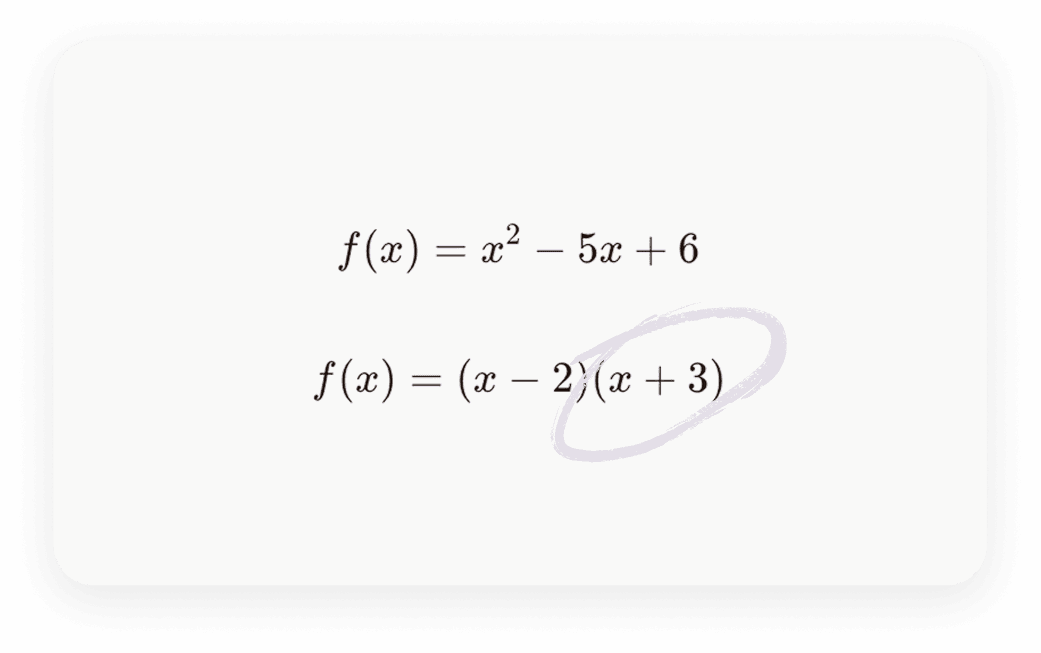
Aristotle draws steps, diagrams, and images to help you learn visually.
Get practice problems tailored to the exact topics you’re struggling with.
From middle-school math to AP exams to SAT/ACT prep. We also build custom plans matched to state standards and specific courses.
Revisit session summaries, session whiteboards, and uploads in one place.
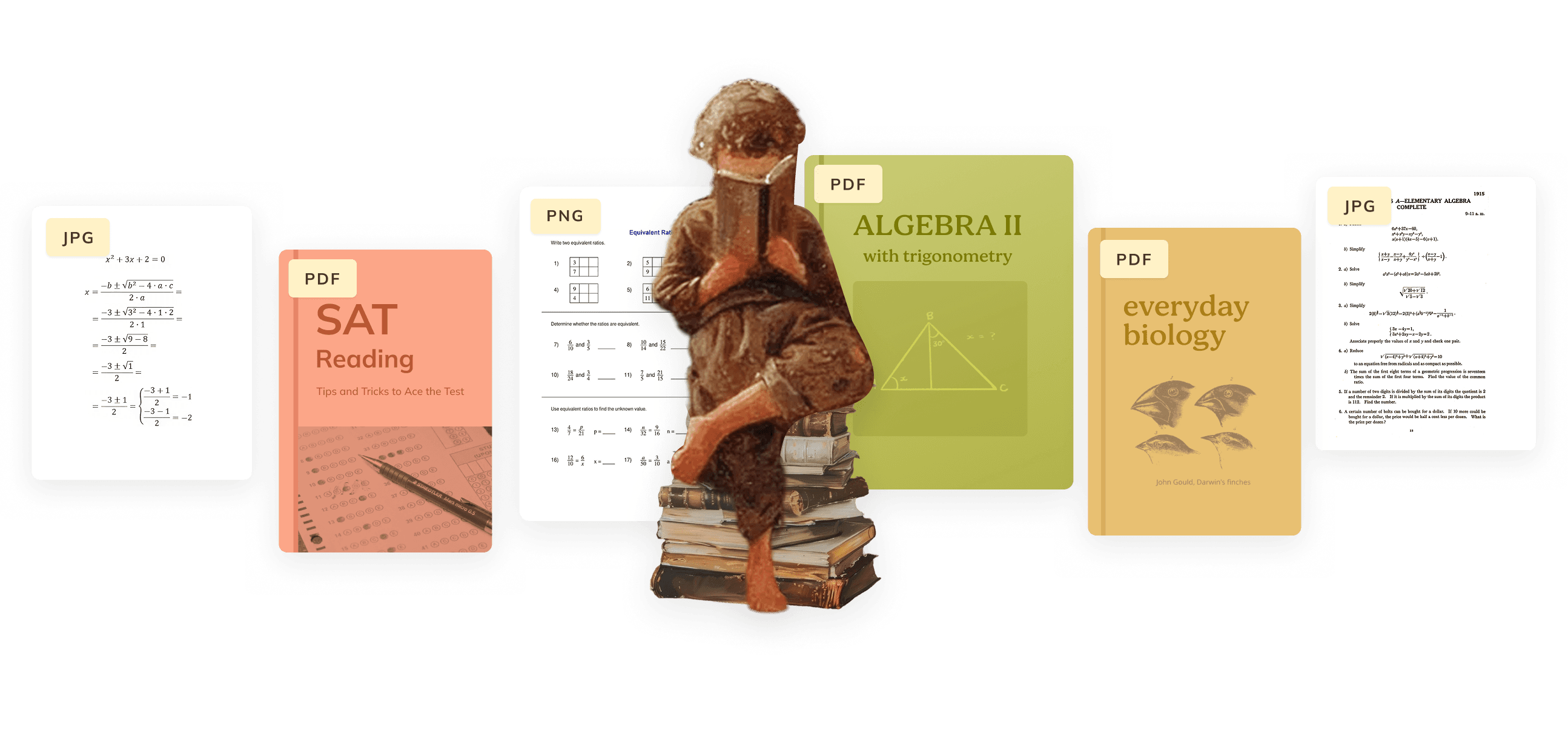
Aristotle can read and navigate any PDFs and images with the learner. That includes textbooks with hundreds of pages!
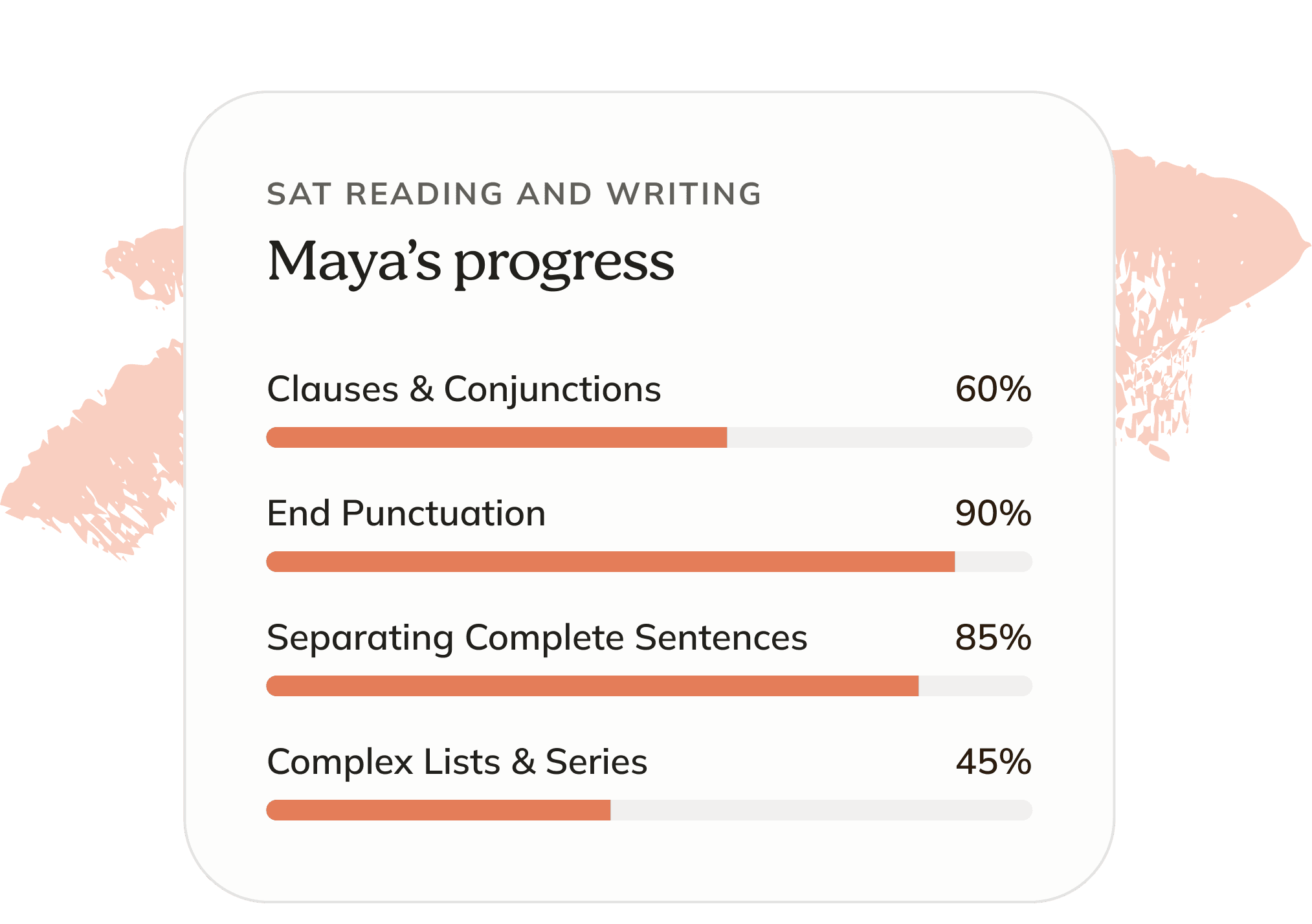
We break all subjects down into granular skills, then track mistakes and mastery on each one. Parents can see the whole picture at a glance.
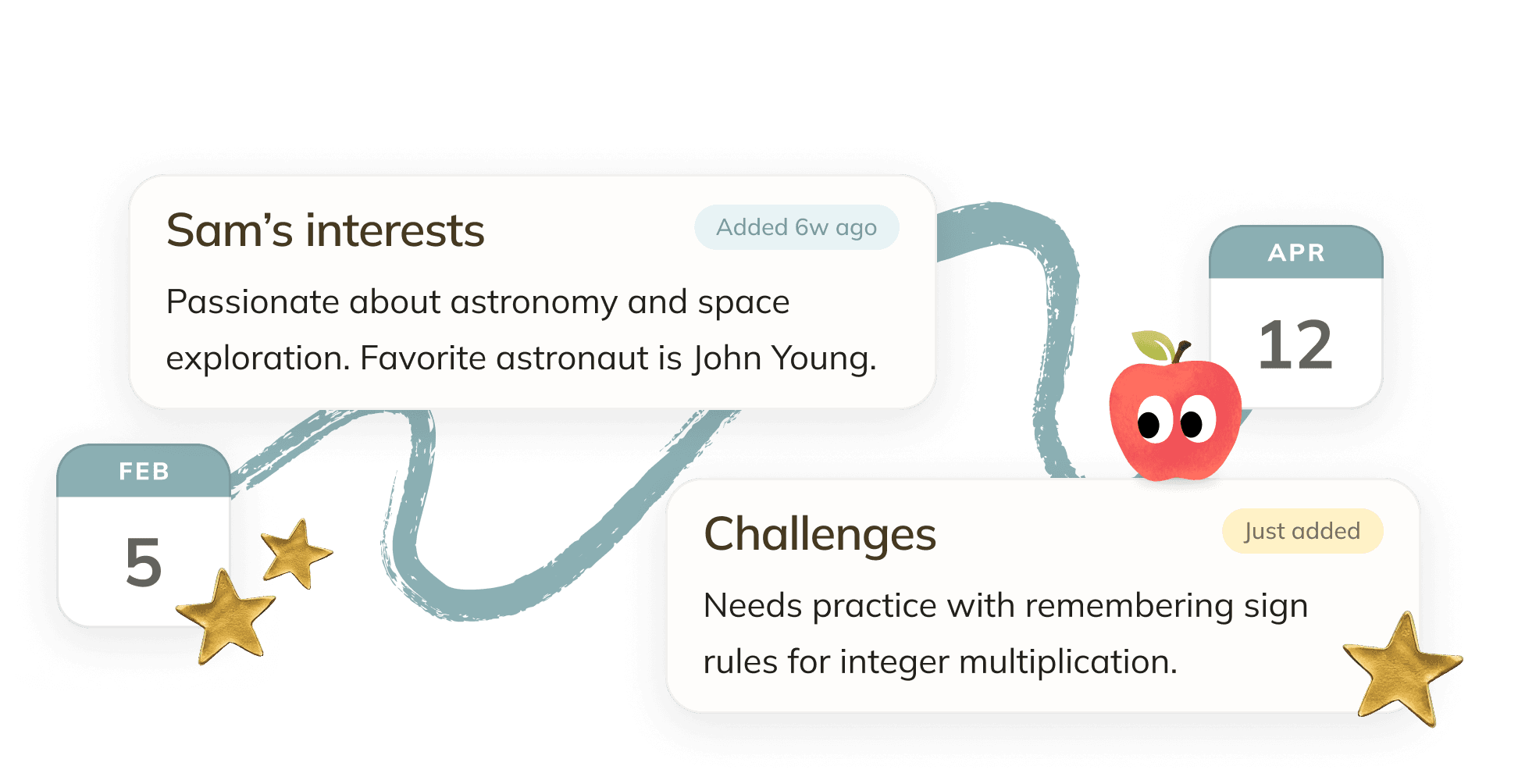
Aristotle remembers every session: what you’ve covered, where you got stuck, how you like things explained. It picks up right where you left off.
The curriculum
Aristotle is designed to always know what to teach at exactly the right time.
Sample curriculum
* Click a topic to see the skills inside
Doing Psychological Science
The Biology of Mind
Consciousness and the Two-Track Mind
Sensation and Perception
Learning
Memory
Thinking, Language, and Intelligence
Developing Through the Life Span
Motivation and Emotion
Personality
Social Psychology
Psychological Disorders
Therapy
Stress, Health, and Well-Being
Psychology tutoring curriculum152 skills across 14 units
Doing Psychological Science
Where psychology's explanations come from: the perspectives that frame a question, the research designs that answer it, and the statistical and ethical standards that decide whether an answer counts. Topics: Perspectives and Subfields, Research Strategies, Evidence, Statistics, and Ethics.
The Biology of Mind
The physical machinery behind behavior: how neurons signal, how brain structures divide the work, how the nervous and endocrine systems coordinate the body, and what genes and evolution do and do not explain. Topics: Neurons and Neurotransmission, The Brain and How We Study It, Nervous and Endocrine Systems, Genes, Environment, and Evolution.
Consciousness and the Two-Track Mind
Awareness as something the brain produces in degrees: dual processing and attention, the architecture of sleep and dreams, and how psychoactive drugs alter experience. Topics: Consciousness and Attention, Sleep and Dreams, Psychoactive Drugs.
Sensation and Perception
Two linked processes: sense organs converting physical energy into neural signals, and the brain organizing those signals into a stable, interpreted world. Topics: Sensory Basics, Vision, Hearing and the Other Senses, Perceptual Organization.
Learning
How experience changes behavior: association between events, association between behavior and consequence, and learning by watching others, with the biological limits on all three. Topics: Classical Conditioning, Operant Conditioning, Observational and Cognitive Learning.
Memory
Getting information in, holding it, and getting it back out, plus the systematic ways remembering fails and the study habits that follow from knowing why. Topics: Models and Encoding, Storage and Retrieval, Forgetting and Improving Memory.
Thinking, Language, and Intelligence
The mind at work on problems: concepts and reasoning shortcuts, the structure and development of language, and what intelligence tests do and do not measure. Topics: Thinking and Judgment, Language, Intelligence.
Developing Through the Life Span
How thinking, attachment, and identity change from before birth to the end of life, and how culture and gender shape the course of that development. Topics: Developmental Questions and Early Life, Infancy and Childhood, Adolescence and Adulthood, Culture, Gender, and Diversity.
Motivation and Emotion
What starts and sustains behavior, and how physiological arousal, expression, and interpretation combine into felt emotion. Topics: Motivation, Emotion.
Personality
Competing accounts of what makes a person consistently themselves, and how psychologists try to measure it without overclaiming. Topics: Psychodynamic and Humanistic Theories, Trait, Social-Cognitive, and Self Theories.
Social Psychology
How the presence, expectations, and categories of other people change what a person thinks and does, for worse and for better. Topics: Social Thinking, Social Influence, Antisocial and Prosocial Relations.
Psychological Disorders
How clinicians define and classify disorder, what the major diagnostic categories describe, and how competing explanations account for them. Topics: Defining and Explaining Disorder, Anxiety, OCD, and Trauma-Related Disorders, Depressive, Bipolar, and Schizophrenia Spectrum, Other Disorder Categories.
Therapy
The main families of psychological and biomedical treatment, and how researchers decide whether a treatment actually works. Topics: Psychological Therapies, Biomedical Therapy and Prevention.
Stress, Health, and Well-Being
How stress works in the body, when it damages health, and what the evidence says about coping, health behavior, and happiness. Topics: Stress and Illness, Coping and Well-Being.
My son told me yesterday that we should cancel his human tutor, because Aristotle is doing a better job. The human tutor was $250/hour.

A few things you might wonder before getting started.
Aristotle's Psychology course tracks 152 skills across 14 units, including Doing Psychological Science, The Biology of Mind, and Consciousness and the Two-Track Mind. Every skill is linked to the skills it builds on, so the tutor always knows which parts of Psychology your child has mastered and what to teach next.
Check out our most recent blog posts.
This could be you
For homework, supporting your child, or anything you’ve always wanted to know more about, Aristotle makes it easy for anyone to learn out loud.