Every skill mapped
Logic on Aristotle is 121 skills across 8 units, each linked to the skills it builds on.

Logic
Pioneered by Stanford AI researchers and learning scientists, Aristotle is the world's first voice-based AI tutor. A full Logic course, mapped skill by skill.
Trusted by families at








Features
Talk things through, work side by side, and come back next time to a tutor who remembers where you left off.
Ask questions out loud, hear explanations in Aristotle’s voice, and interrupt whenever you need to.
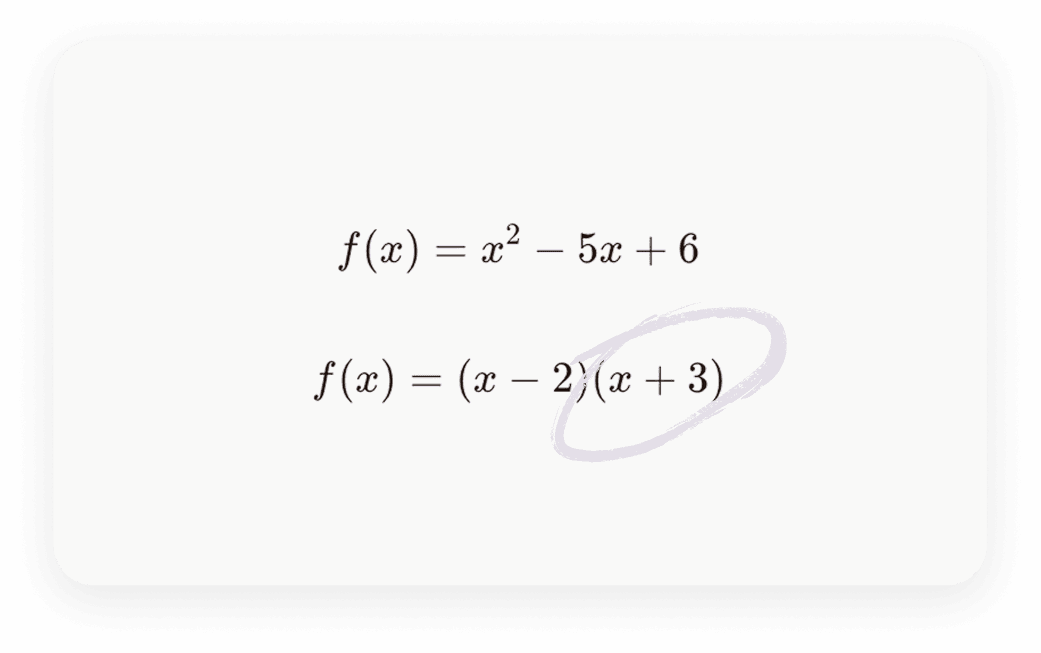
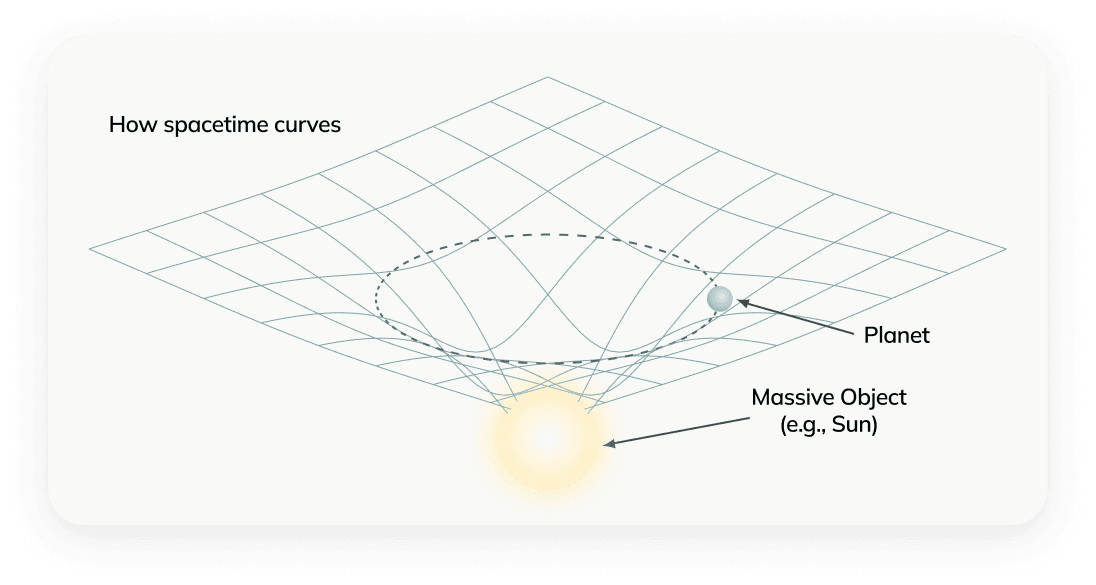
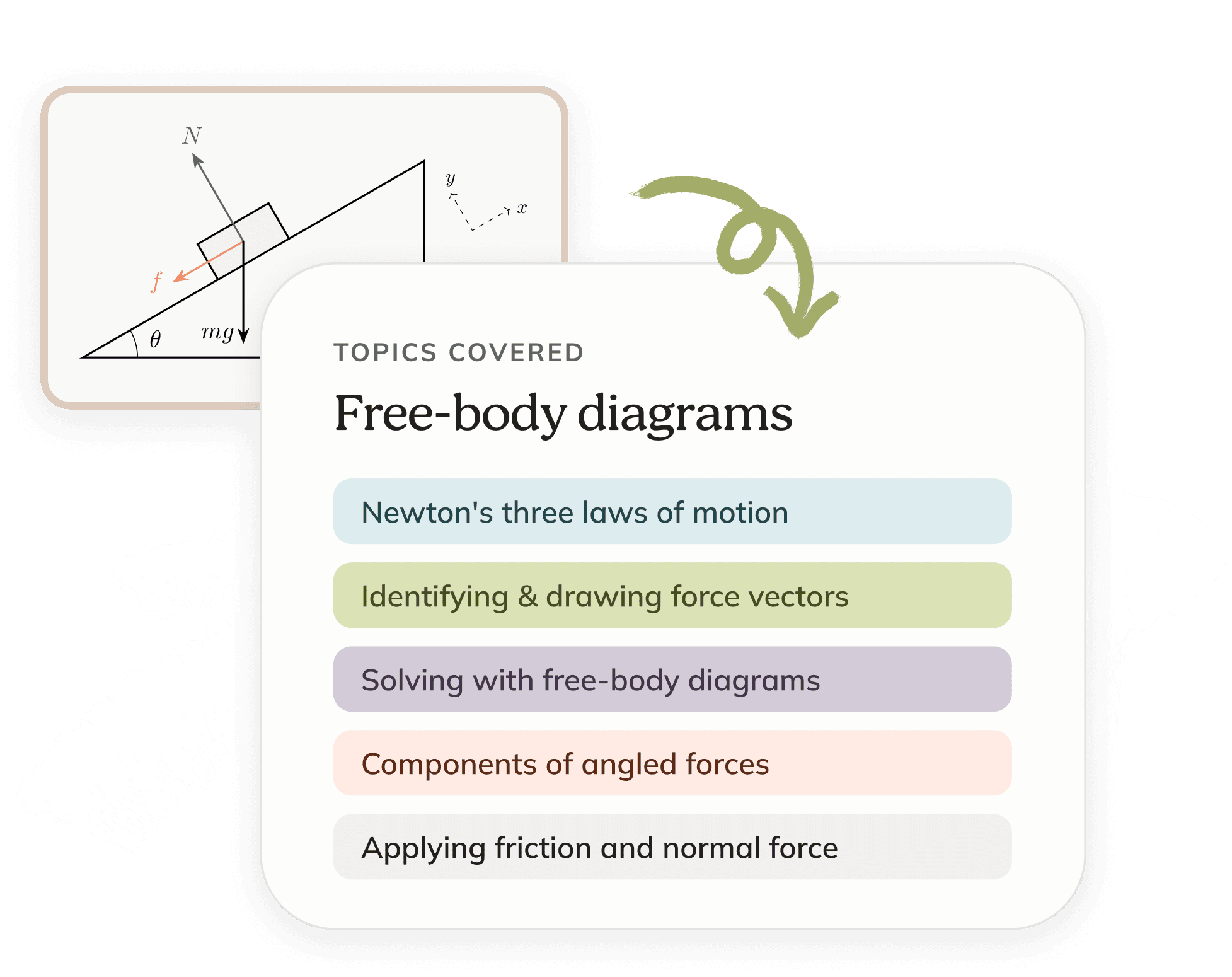
Aristotle draws steps, diagrams, and images to help you learn visually.
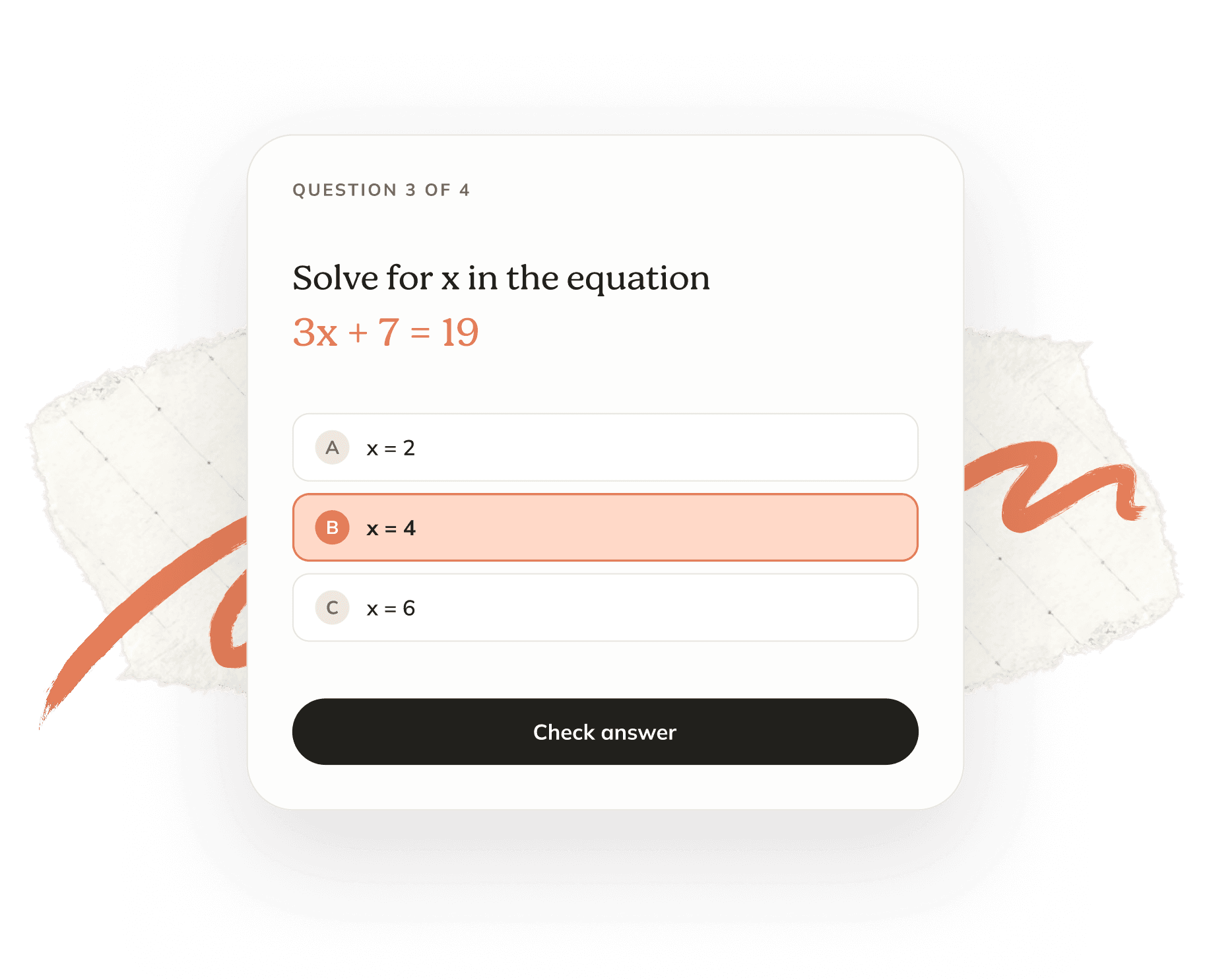
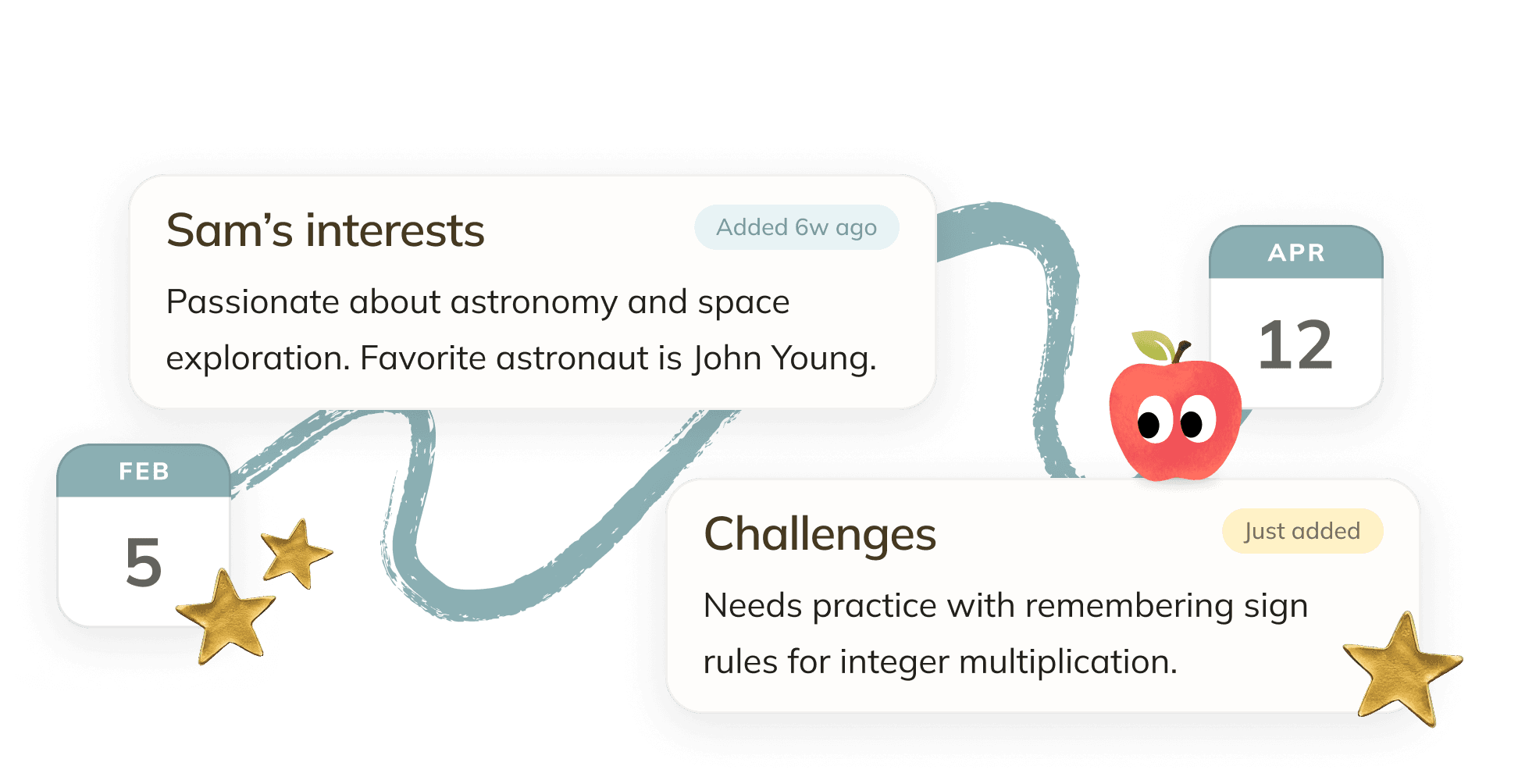
Get practice problems tailored to the exact topics you’re struggling with.
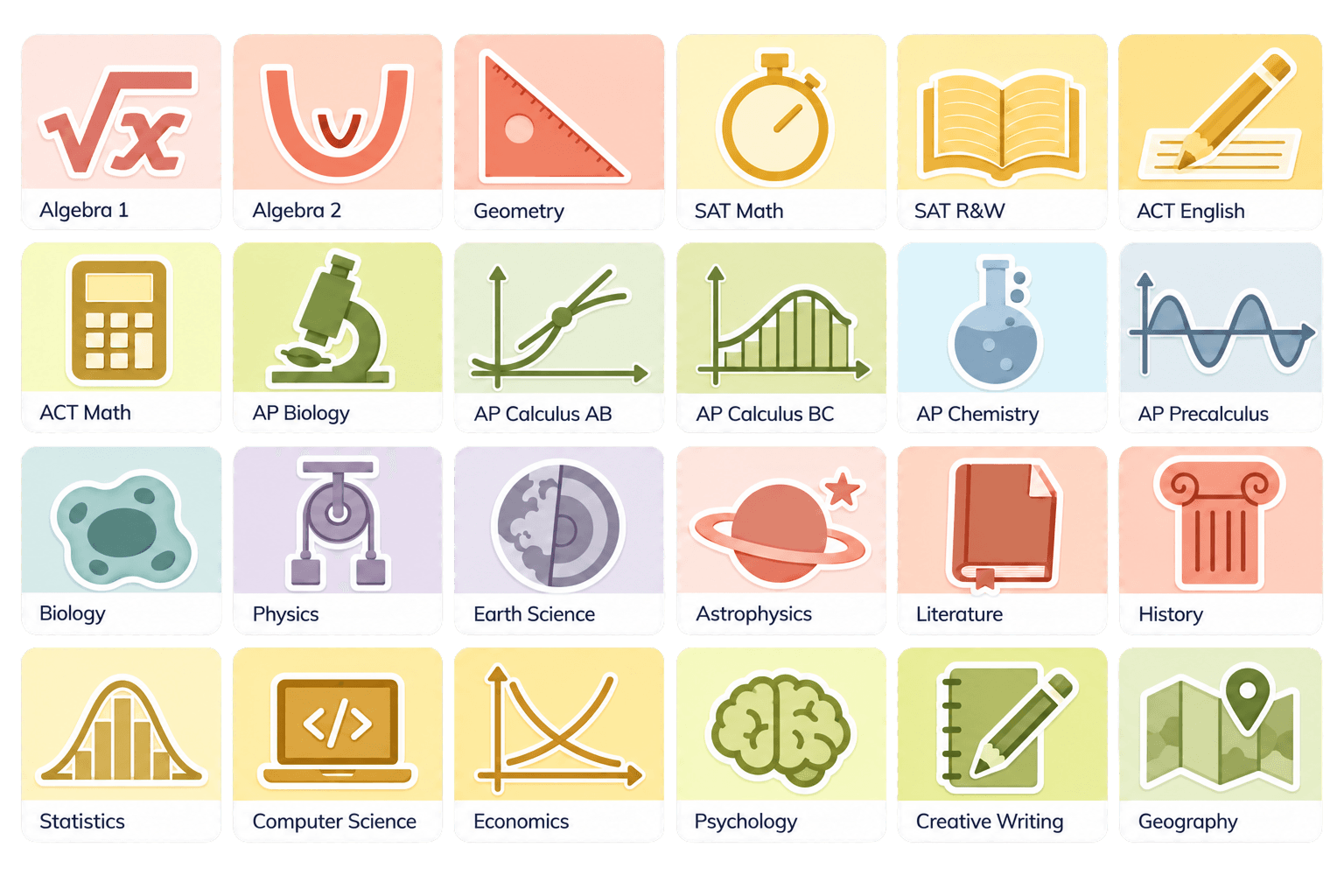
From middle-school math to AP exams to SAT/ACT prep. We also build custom plans matched to state standards and specific courses.
Revisit session summaries, session whiteboards, and uploads in one place.
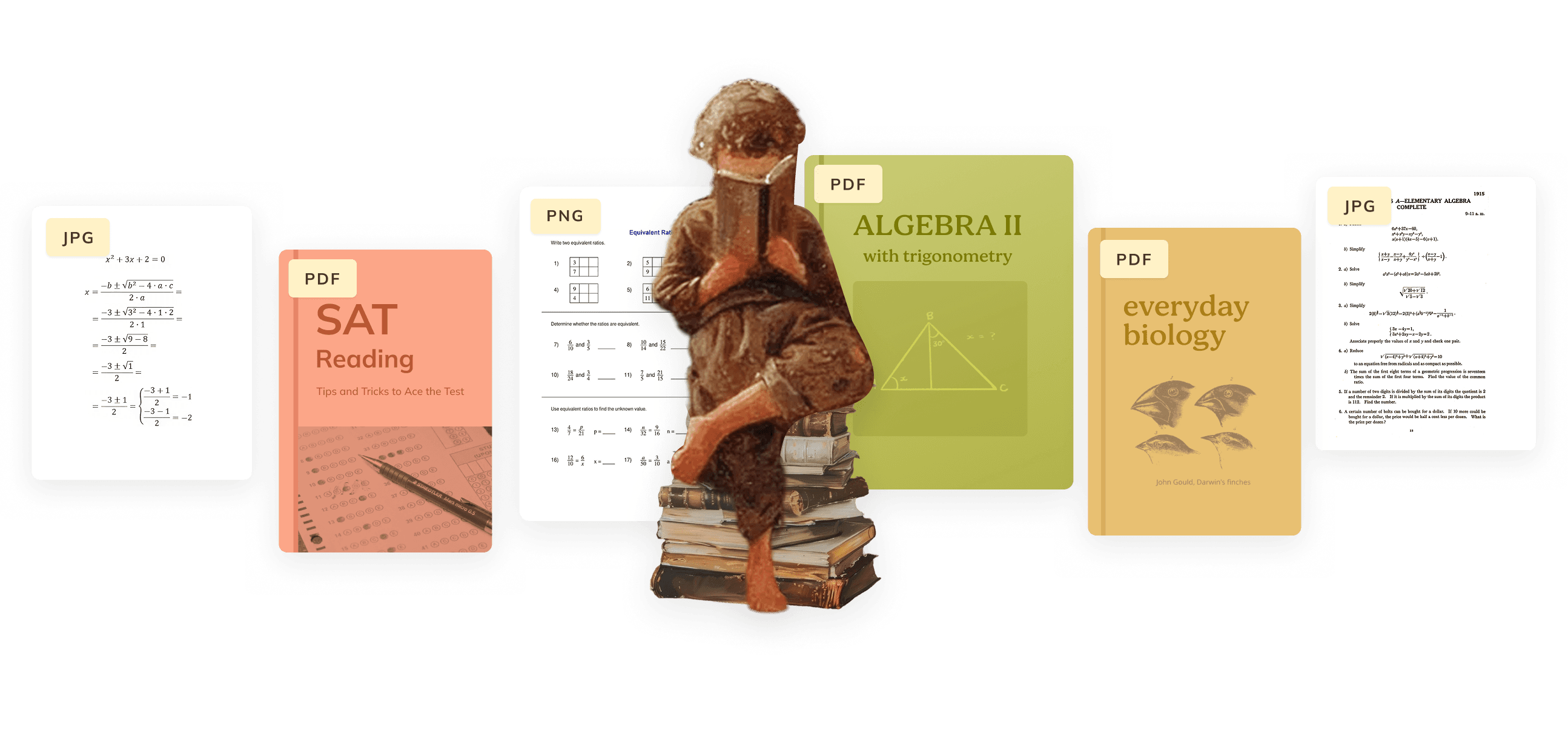
Aristotle can read and navigate any PDFs and images with the learner. That includes textbooks with hundreds of pages!
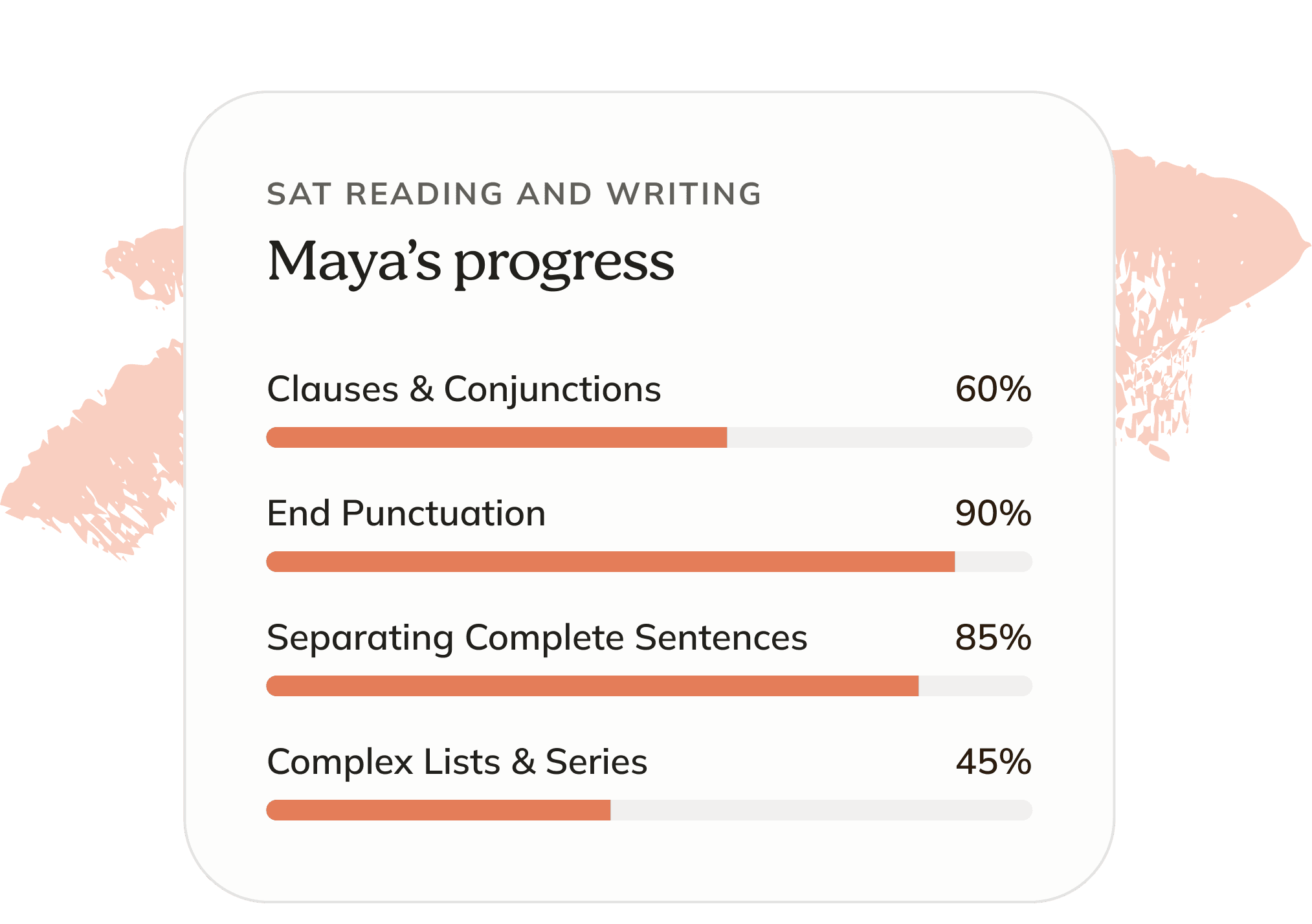
We break all subjects down into granular skills, then track mistakes and mastery on each one. Parents can see the whole picture at a glance.
Aristotle remembers every session: what you’ve covered, where you got stuck, how you like things explained. It picks up right where you left off.
The curriculum
Aristotle is designed to always know what to teach at exactly the right time.
Sample curriculum
* Click a topic to see the skills inside
Terms and Definitions
Statements and Arguments
Categorical Statements and Immediate Inferences
Categorical Syllogisms
Ordinary-Language Arguments
Informal Fallacies
Propositional Logic Foundations
Inductive Reasoning
Logic tutoring curriculum121 skills across 8 units
Terms and Definitions
Precise use of terms: distinguishing meanings, organizing concepts by genus and species, comparing extension and intension, and constructing clear definitions suited to a purpose. Topics: Terms, Meanings, and Definition Purposes, Genus, Species, Extension, and Intension, Methods of Defining, Testing and Revising Definitions.
Statements and Arguments
Truth-bearing statements and the support relations among them, followed by the basic structure and evaluation of arguments through premises, conclusions, validity, counterexamples, and soundness. Topics: Statements and Truth Support, Relationships Between Statements, Recognizing and Structuring Arguments, Validity and Soundness.
Categorical Statements and Immediate Inferences
Standard categorical forms, term distribution, diagrammatic representations, relationships among forms, and one-premise inferences by conversion, obversion, contraposition, or semantic testing. Topics: Categorical Form and Translation, Distribution and Diagrams, The Square of Opposition, Immediate Inferences.
Categorical Syllogisms
The structure and validity of two-premise categorical arguments. Topics: Syllogism Structure and Standard Form, Mood, Figure, and Schema, Validity by Rules and Counterexamples, Venn-Diagram Validity.
Ordinary-Language Arguments
Recovering and building logical structure in everyday prose. Topics: Translating Ordinary Statements, Reconstructing Arguments, Hypothetical Arguments, Constructing Arguments.
Informal Fallacies
Recurring mistakes in ordinary reasoning whose diagnosis depends on meaning and context. Topics: Fallacies of Relevance, Fallacies of Ambiguity, Fallacies of Presumption and Form, Analyzing Fallacies in Context.
Propositional Logic Foundations
Symbolizing compound statements, evaluating truth-functional structure, using truth tables to test semantic properties and argument validity, and recognizing core propositional inference forms. Topics: Propositional Language and Symbolization, Truth-Functional Evaluation, Semantic Classification and Equivalence, Propositional Argument Forms.
Inductive Reasoning
Reasoning whose premises support a conclusion without guaranteeing it: strength and defeasibility, statistical generalization, analogy, causal inference, explanatory comparison, and responsible use of evidence. Topics: Inductive Strength and Defeasibility, Generalizations and Samples, Arguments by Analogy, Causal Reasoning, Inference to the Best Explanation, Evidence Quality and Synthesis.
My son told me yesterday that we should cancel his human tutor, because Aristotle is doing a better job. The human tutor was $250/hour.

A few things you might wonder before getting started.
Aristotle's Logic course tracks 121 skills across 8 units, including Terms and Definitions, Statements and Arguments, and Categorical Statements and Immediate Inferences. Every skill is linked to the skills it builds on, so the tutor always knows which parts of Logic your child has mastered and what to teach next.
Check out our most recent blog posts.
This could be you
For homework, supporting your child, or anything you’ve always wanted to know more about, Aristotle makes it easy for anyone to learn out loud.