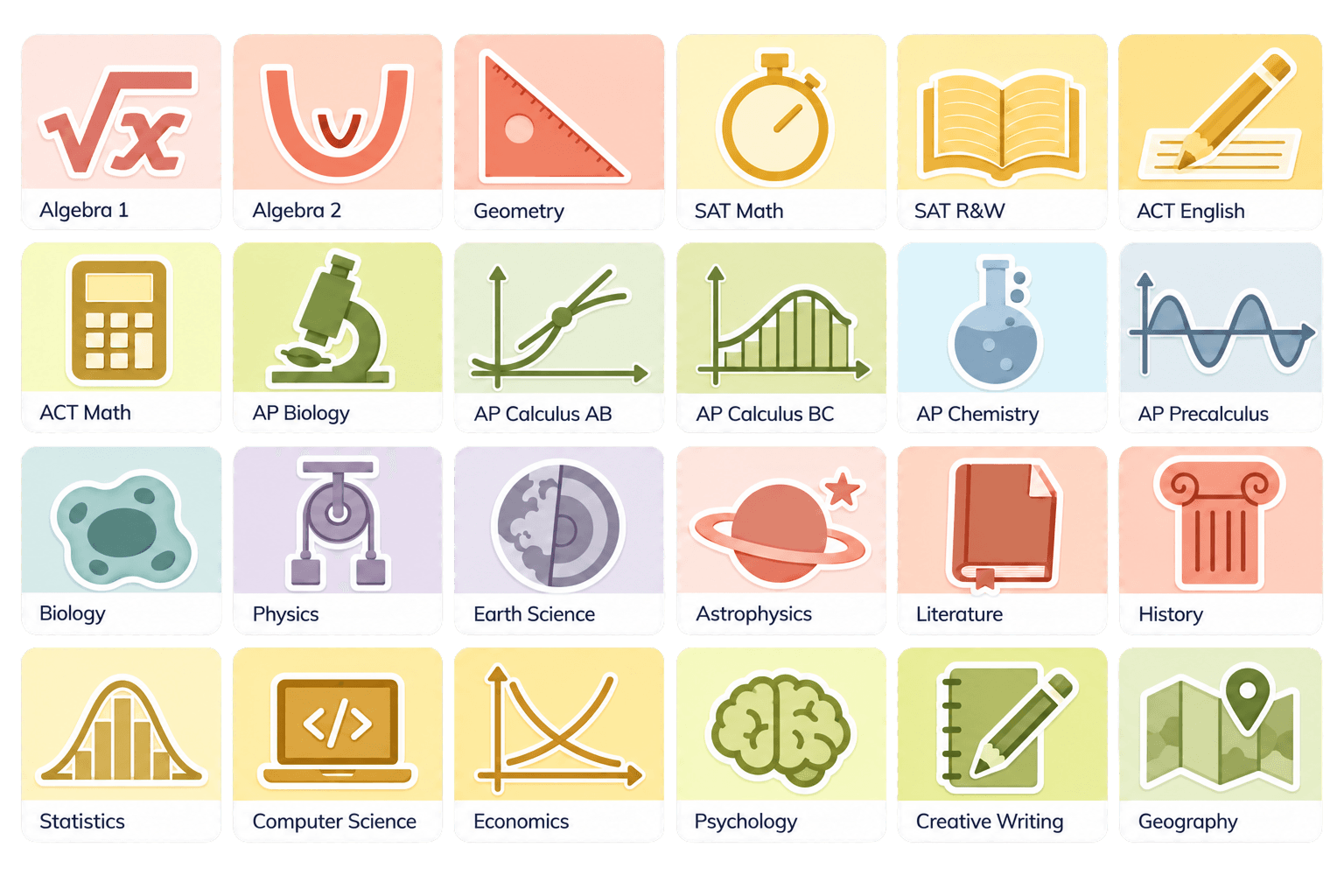
Every skill mapped
Literature on Aristotle is 73 skills across 9 units, each linked to the skills it builds on.

Literature
Pioneered by Stanford AI researchers and learning scientists, Aristotle is the world's first voice-based AI tutor. A full Literature course, mapped skill by skill.
Trusted by families at









Features
Talk things through, work side by side, and come back next time to a tutor who remembers where you left off.
Ask questions out loud, hear explanations in Aristotle’s voice, and interrupt whenever you need to.
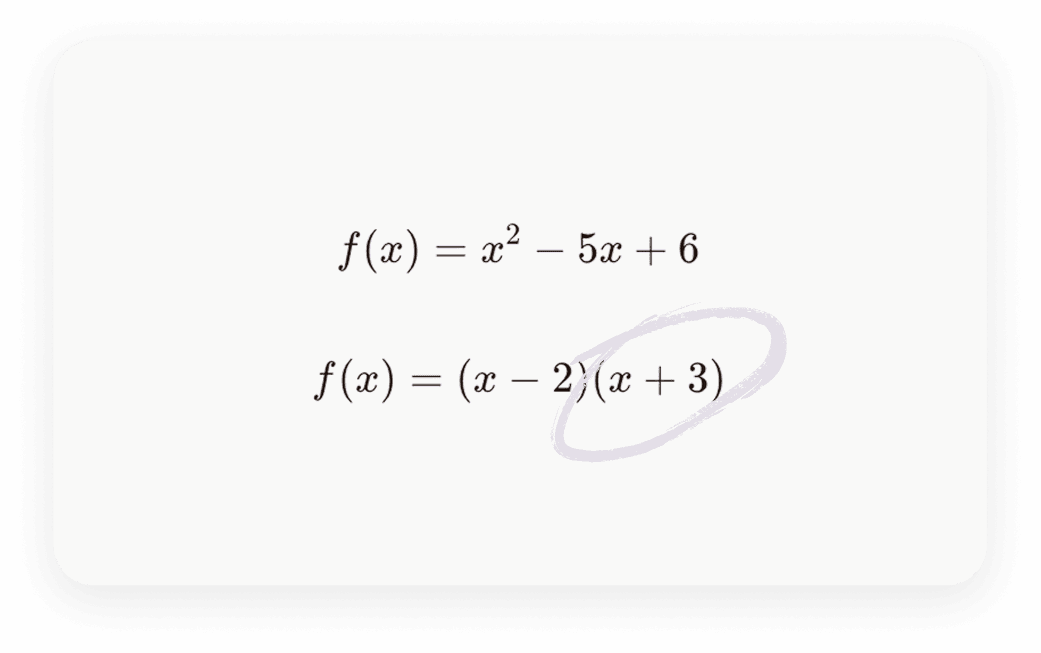
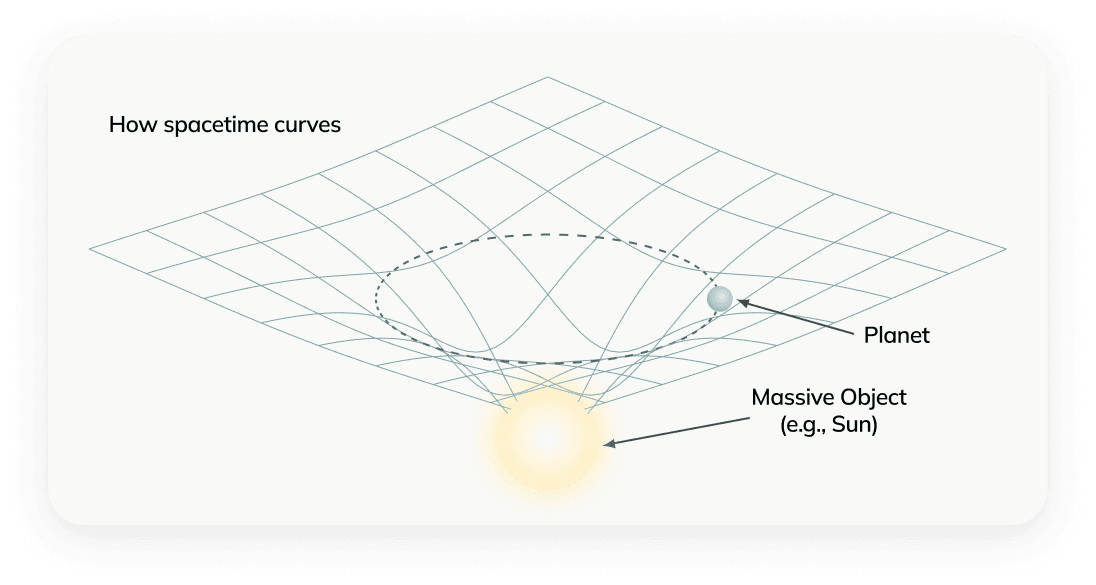
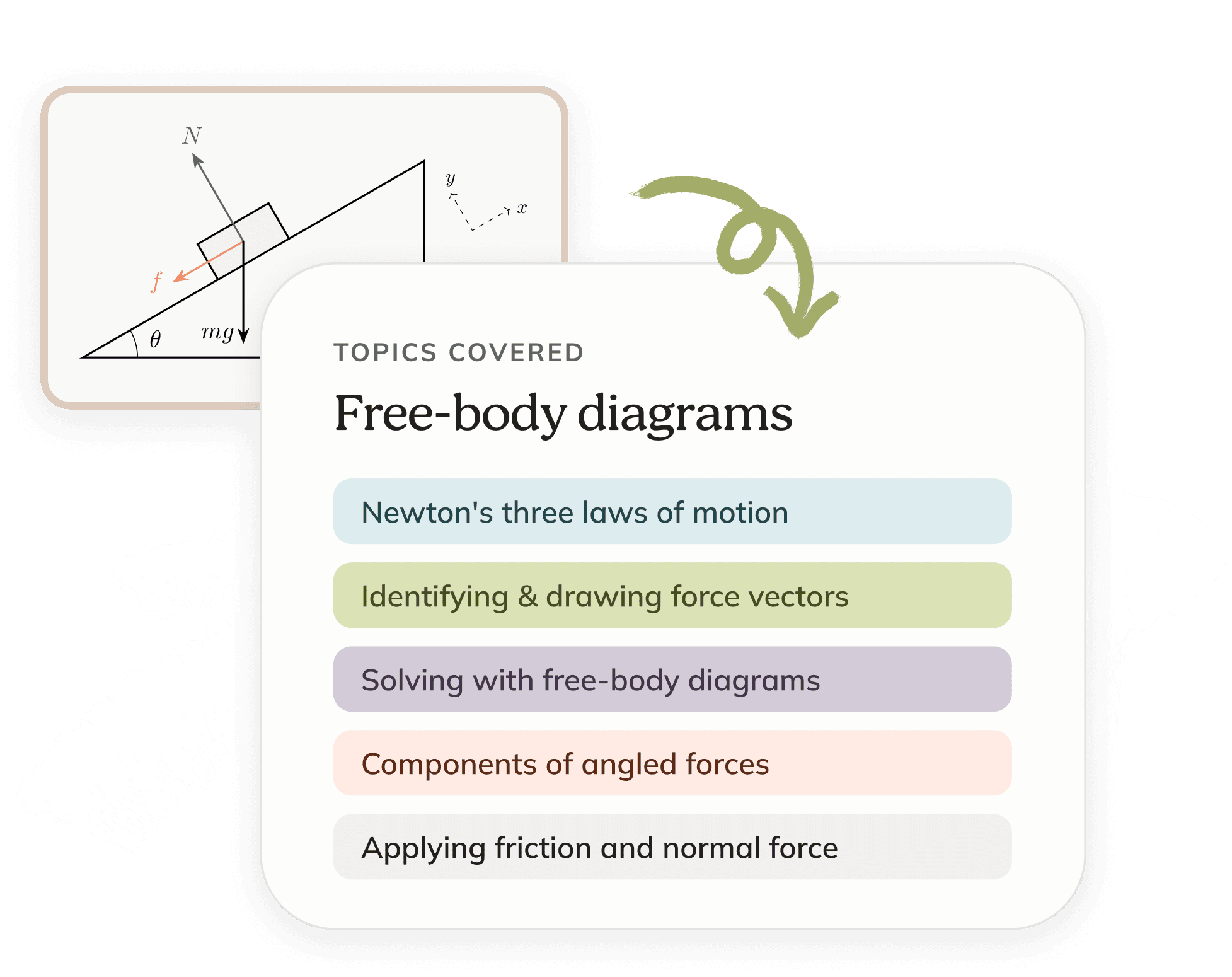
Aristotle draws steps, diagrams, and images to help you learn visually.
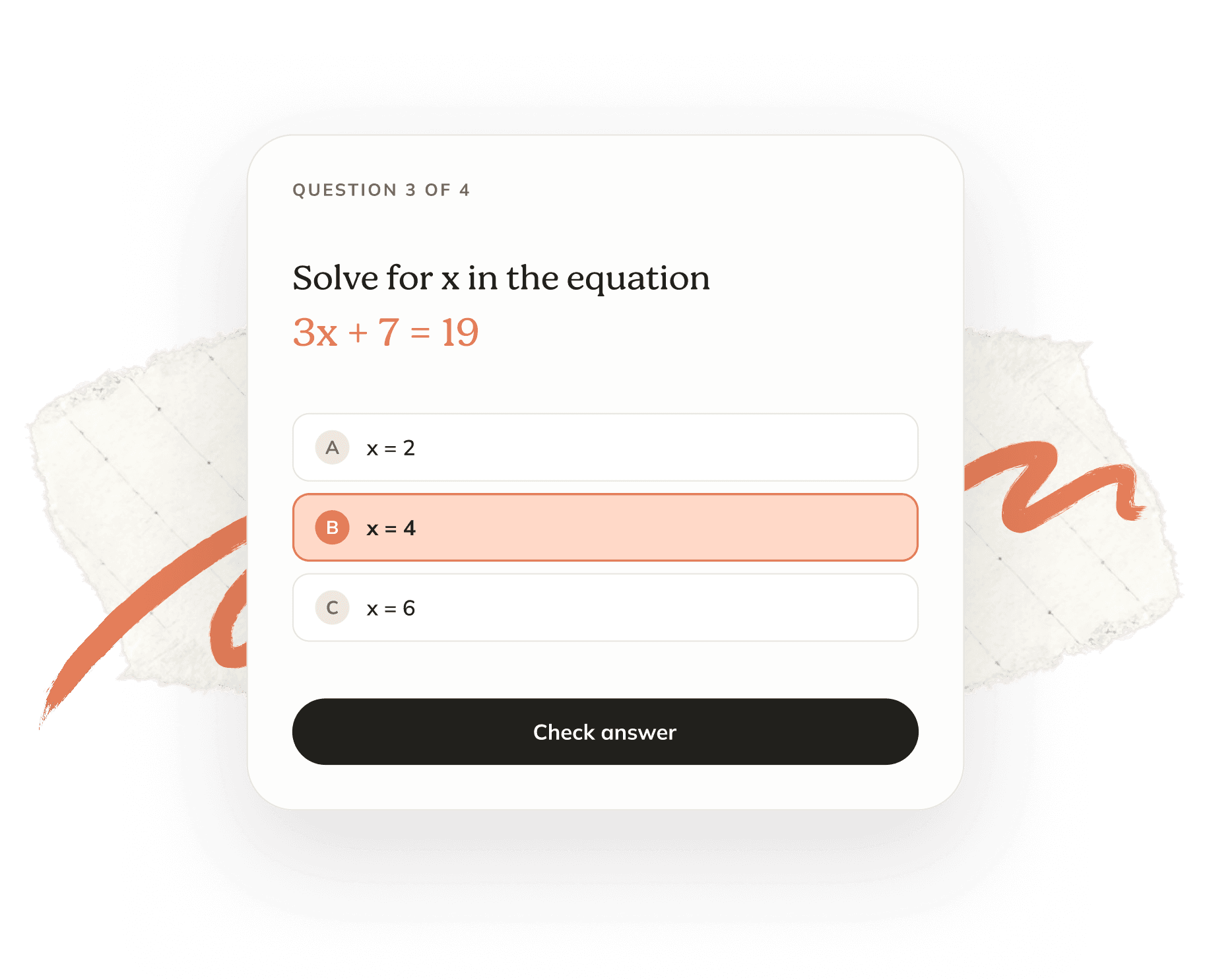
Get practice problems tailored to the exact topics you’re struggling with.
From middle-school math to AP exams to SAT/ACT prep. We also build custom plans matched to state standards and specific courses.
Revisit session summaries, session whiteboards, and uploads in one place.
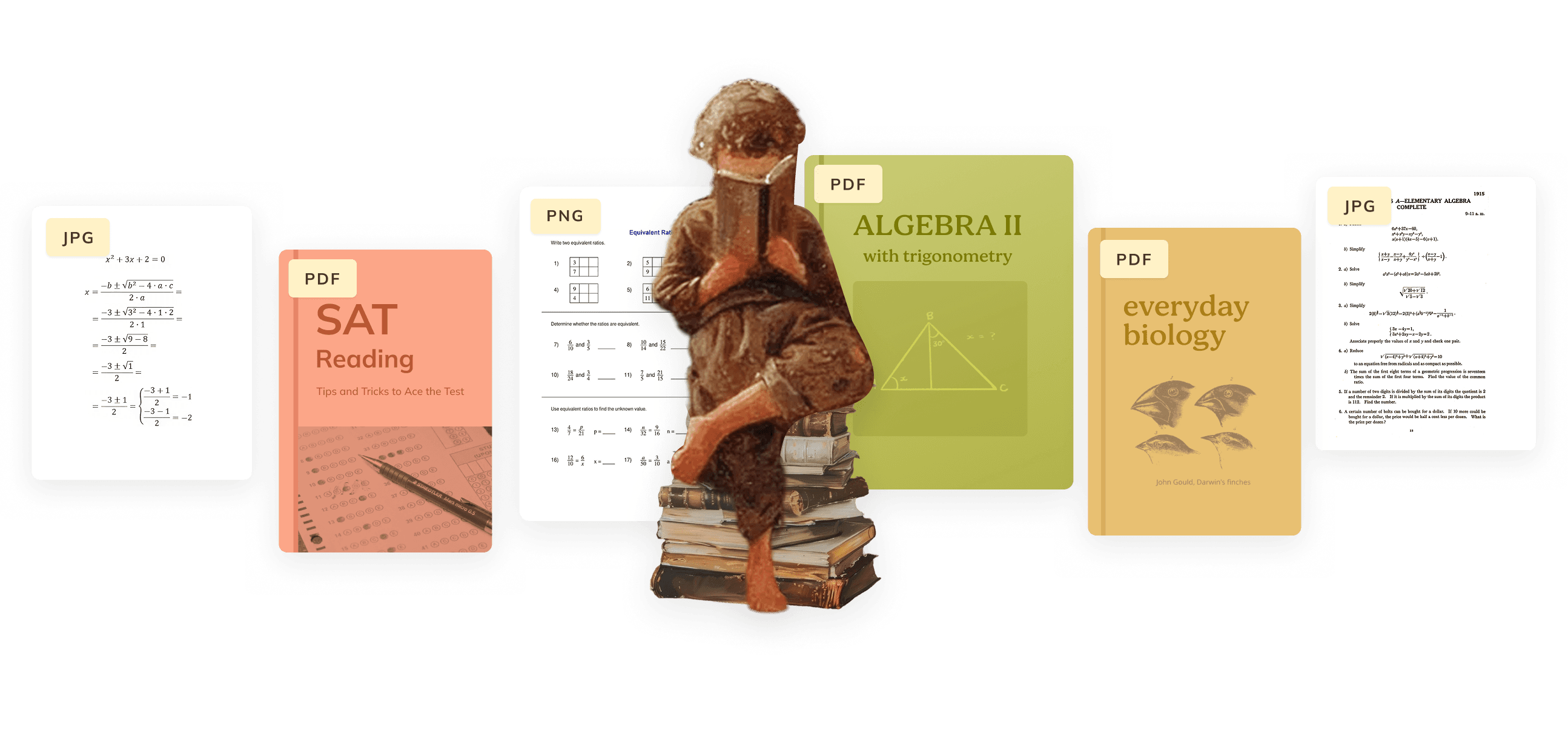
Aristotle can read and navigate any PDFs and images with the learner. That includes textbooks with hundreds of pages!
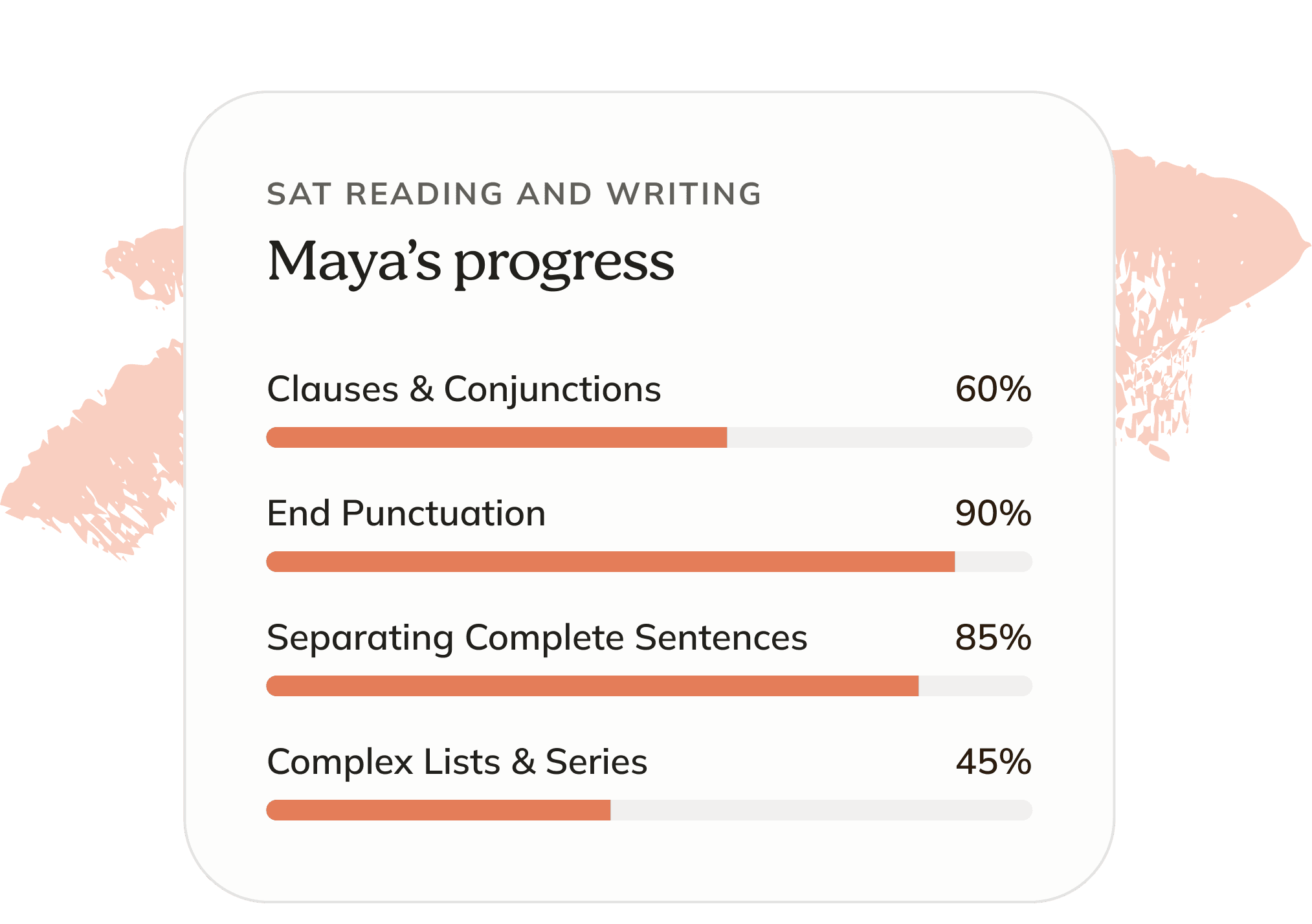
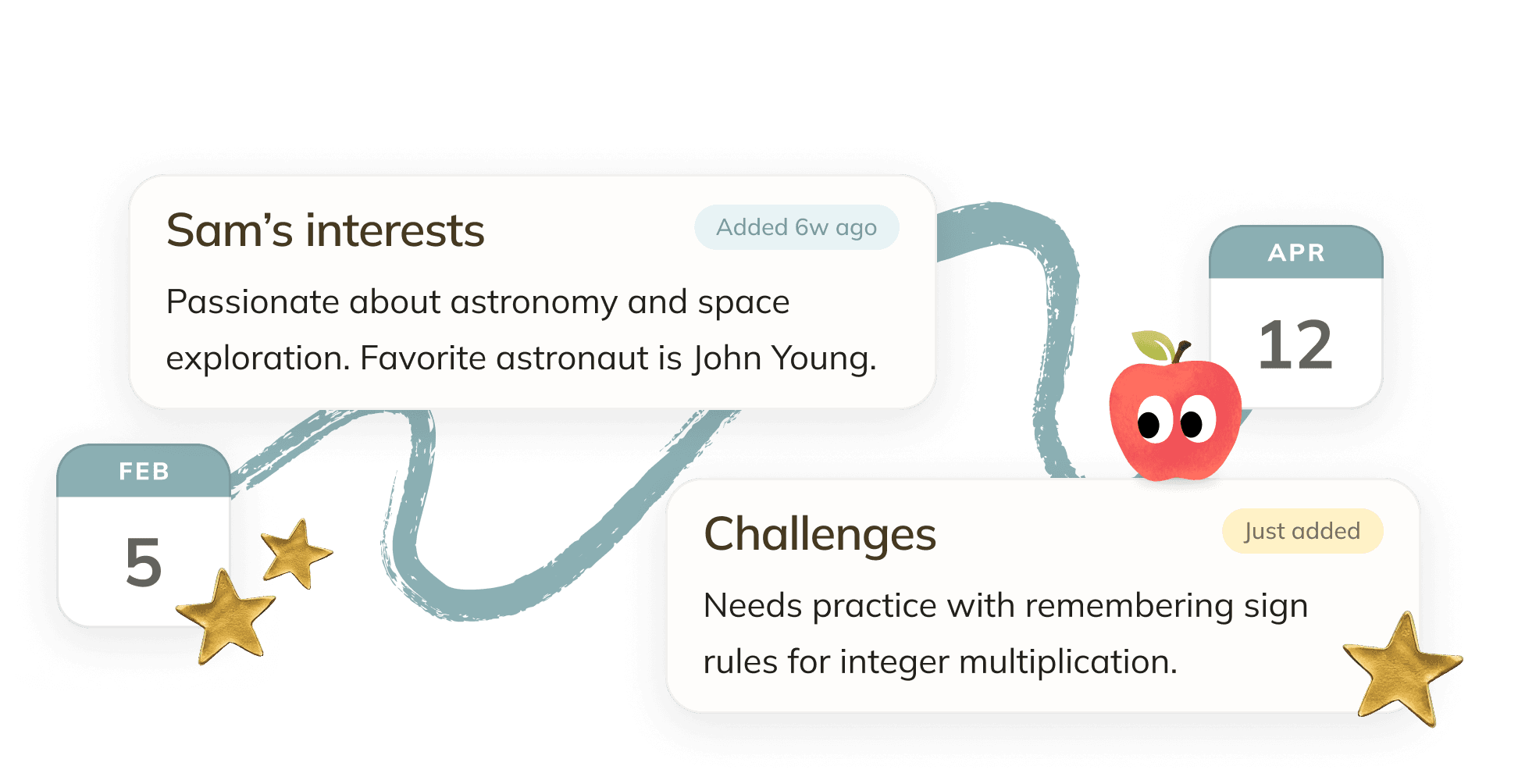
We break all subjects down into granular skills, then track mistakes and mastery on each one. Parents can see the whole picture at a glance.
Aristotle remembers every session: what you’ve covered, where you got stuck, how you like things explained. It picks up right where you left off.
The curriculum
Aristotle is designed to always know what to teach at exactly the right time.
Sample curriculum
* Click a topic to see the skills inside
Starting a Literary Conversation
Epic Journeys and Ancient Worlds
Courts, Pilgrims, and Storytellers
Great Plays: Power, Conscience, and Performance
Inventing and Reinventing the Novel
Modern Voices and Fractured Worlds
Colonial Encounters, Memory, and World Literature
Poetry Across Languages and Centuries
Making Connections and Writing About Books
Literature tutoring curriculum73 skills across 9 units
Starting a Literary Conversation
Learn how to enter a story, notice its language, and form an interpretation worth discussing. Topics: Meeting a Work, Learning to Hear the Writing.
Epic Journeys and Ancient Worlds
Meet foundational stories of mortality, homecoming, duty, and creation across several traditions. Topics: The Epic of Gilgamesh, Homer: The Iliad and The Odyssey, The Bhagavad Gita and Popol Vuh.
Courts, Pilgrims, and Storytellers
Follow stories through medieval Japan, the Islamic world, and Europe without treating them as one tradition. Topics: Murasaki Shikibu: The Tale of Genji, The Thousand and One Nights, Dante and Chaucer.
Great Plays: Power, Conscience, and Performance
Read drama as choices made in front of an audience, with competing voices and visible consequences. Topics: Sophocles and Euripides, Shakespeare: Hamlet, Othello, and Macbeth, Ibsen and Hansberry.
Inventing and Reinventing the Novel
Explore readers, monsters, manners, and moral choices in influential novels. Topics: Cervantes and Voltaire, Jane Austen: Pride and Prejudice, Mary Shelley: Frankenstein, Eliot, Dickens, and Dostoevsky.
Modern Voices and Fractured Worlds
Explore changes in narrative time, consciousness, and belonging in modern prose. Topics: Kafka and Virginia Woolf, American Voices: Douglass, Dickinson, and Fitzgerald, Chekhov, Joyce, and Borges.
Colonial Encounters, Memory, and World Literature
Read novels that challenge who gets to tell a community’s history and how that history is remembered. Topics: Chinua Achebe: Things Fall Apart, Gabriel García Márquez: One Hundred Years of Solitude, Toni Morrison: Song of Solomon and Beloved.
Poetry Across Languages and Centuries
Read poems for sound, shape, image, and argument while attending to translation. Topics: Sappho, Li Bai, Bashō, and Rumi, Shakespeare, Milton, and the Romantic Poets, Whitman, Hughes, Brooks, and Walcott.
Making Connections and Writing About Books
Turn sustained reading into comparisons and arguments that remain answerable to the works. Topics: Works in Conversation, The Literary Essay.
My son told me yesterday that we should cancel his human tutor, because Aristotle is doing a better job. The human tutor was $250/hour.

A few things you might wonder before getting started.
Aristotle's Literature course tracks 73 skills across 9 units, including Starting a Literary Conversation, Epic Journeys and Ancient Worlds, and Courts, Pilgrims, and Storytellers. Every skill is linked to the skills it builds on, so the tutor always knows which parts of Literature your child has mastered and what to teach next.
Check out our most recent blog posts.

This could be you
For homework, supporting your child, or anything you’ve always wanted to know more about, Aristotle makes it easy for anyone to learn out loud.