Every skill mapped
Law on Aristotle is 131 skills across 8 units, each linked to the skills it builds on.

Law
Pioneered by Stanford AI researchers and learning scientists, Aristotle is the world's first voice-based AI tutor. A full Law course, mapped skill by skill.
Trusted by families at









Fits your child's Law class
Law on Aristotle is 131 skills across 8 units, each linked to the skills it builds on.
Share a syllabus, textbook, or reading list and sessions follow it, or let Aristotle lead the way through the course.
Aristotle moves on when a skill is mastered and slows down when it isn't, so no time goes to what your child already knows.
Features
Talk things through, work side by side, and come back next time to a tutor who remembers where you left off.
Ask questions out loud, hear explanations in Aristotle’s voice, and interrupt whenever you need to.
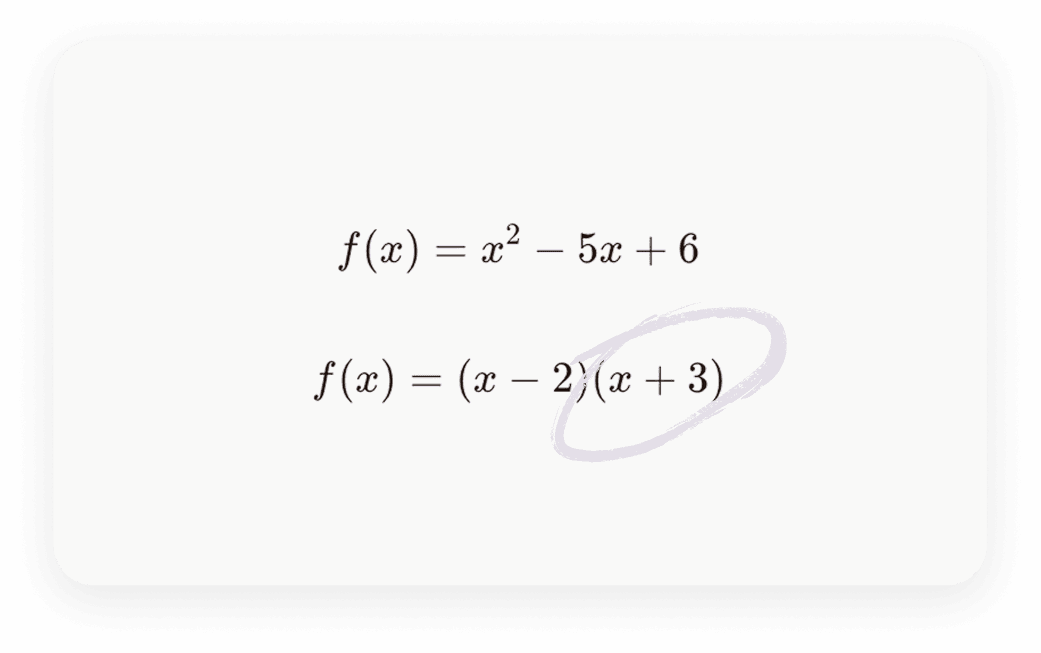
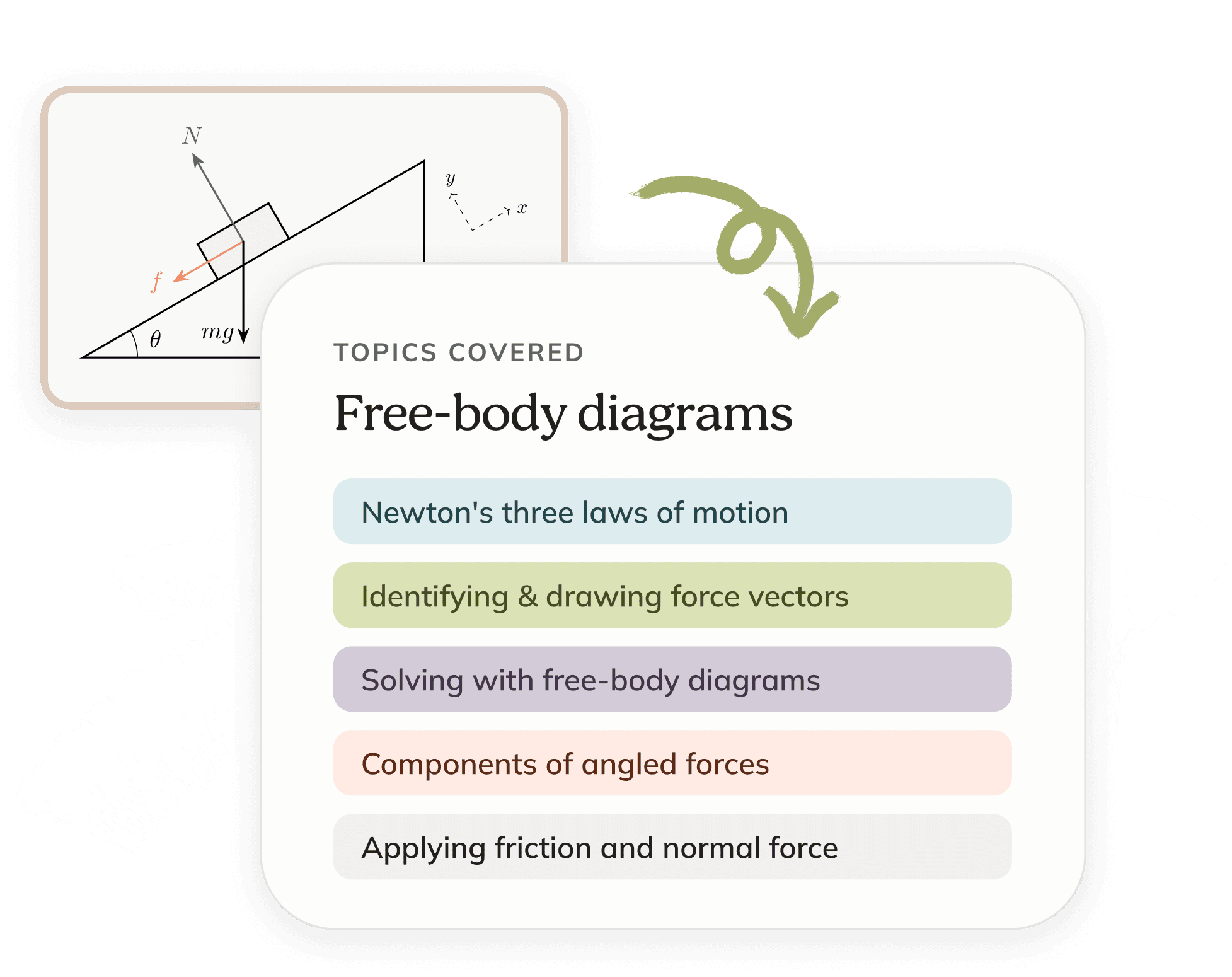
Aristotle draws steps, diagrams, and images to help you learn visually.
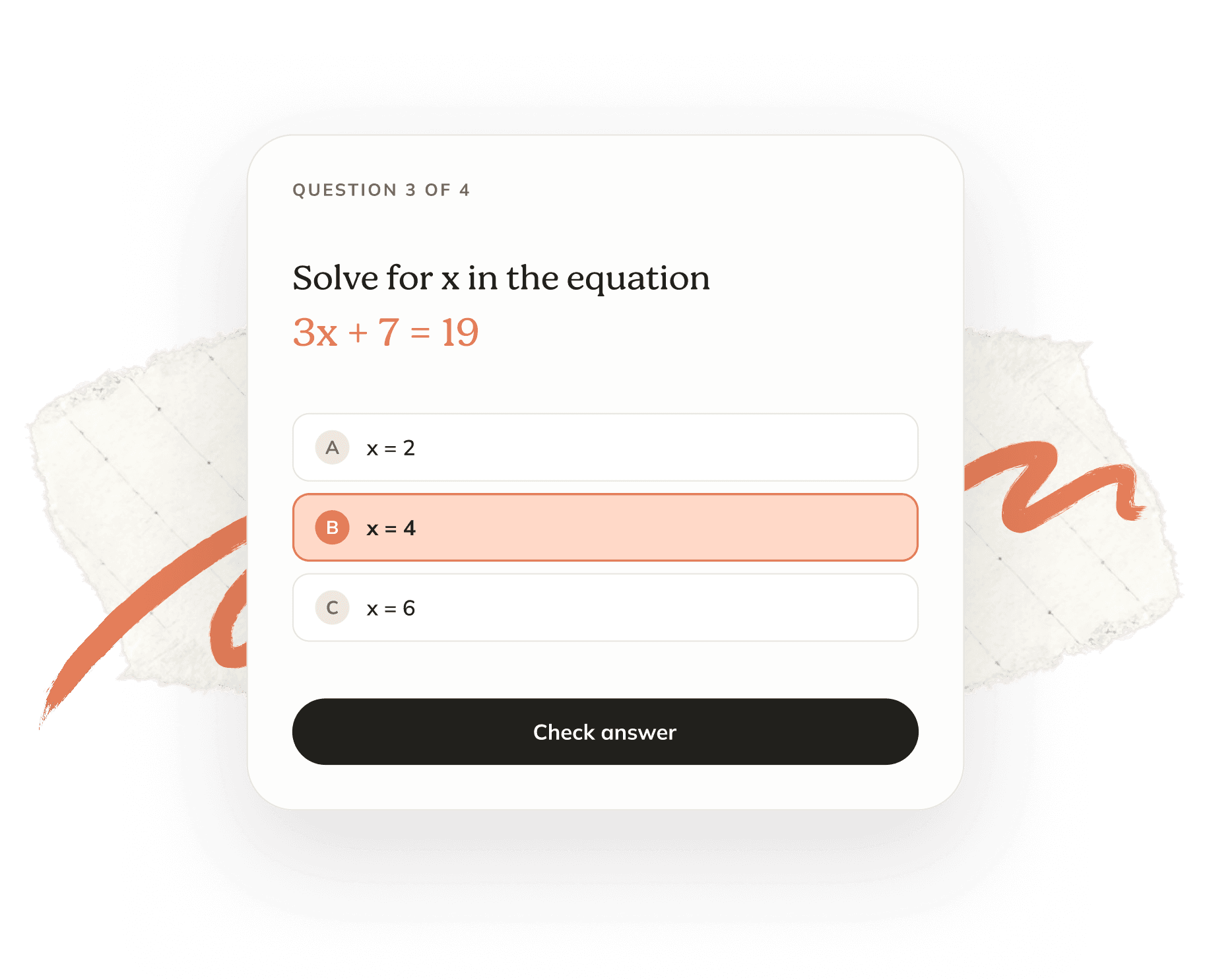
Get practice problems tailored to the exact topics you’re struggling with.
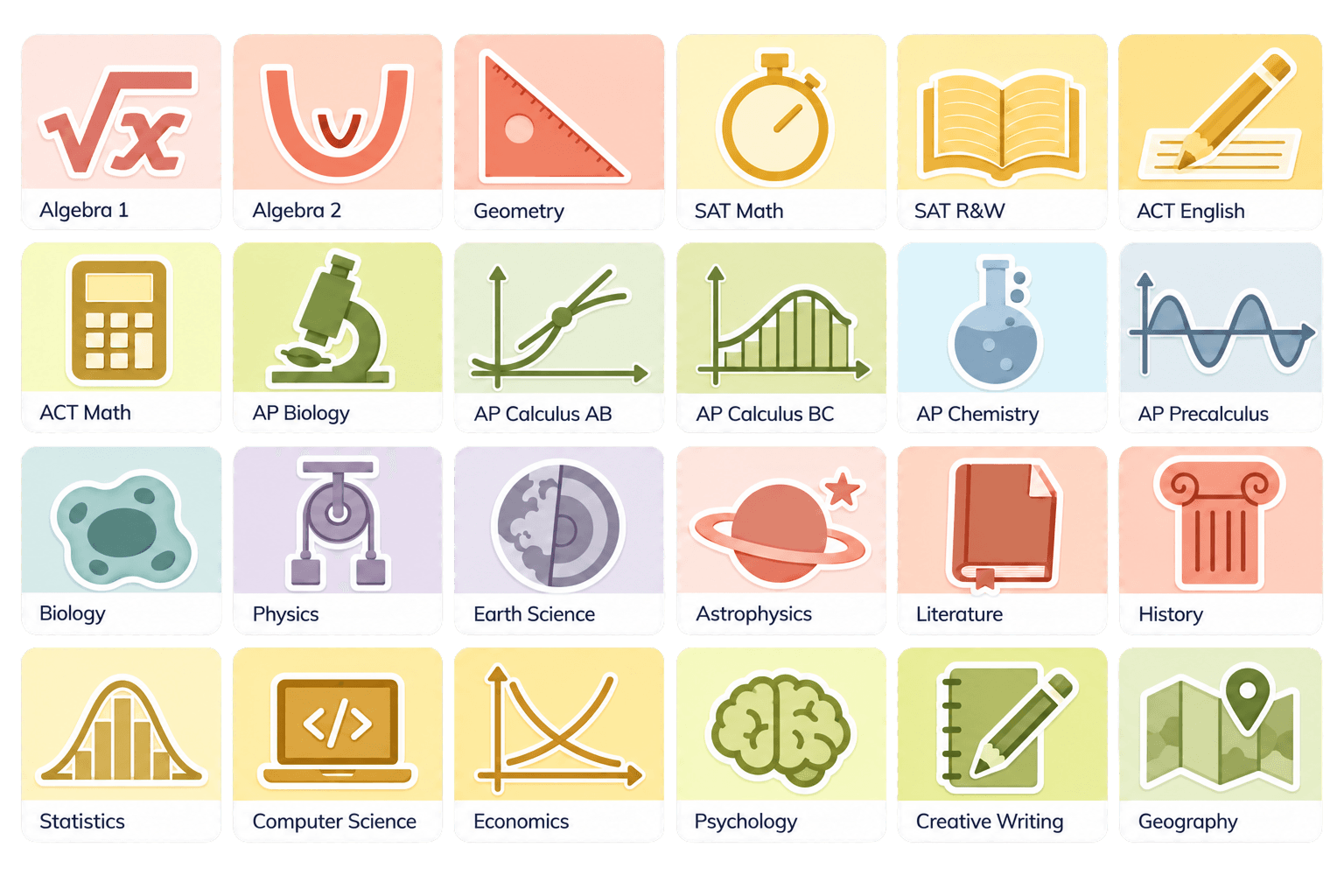
From middle-school math to AP exams to SAT/ACT prep. We also build custom plans matched to state standards and specific courses.
Revisit session summaries, session whiteboards, and uploads in one place.
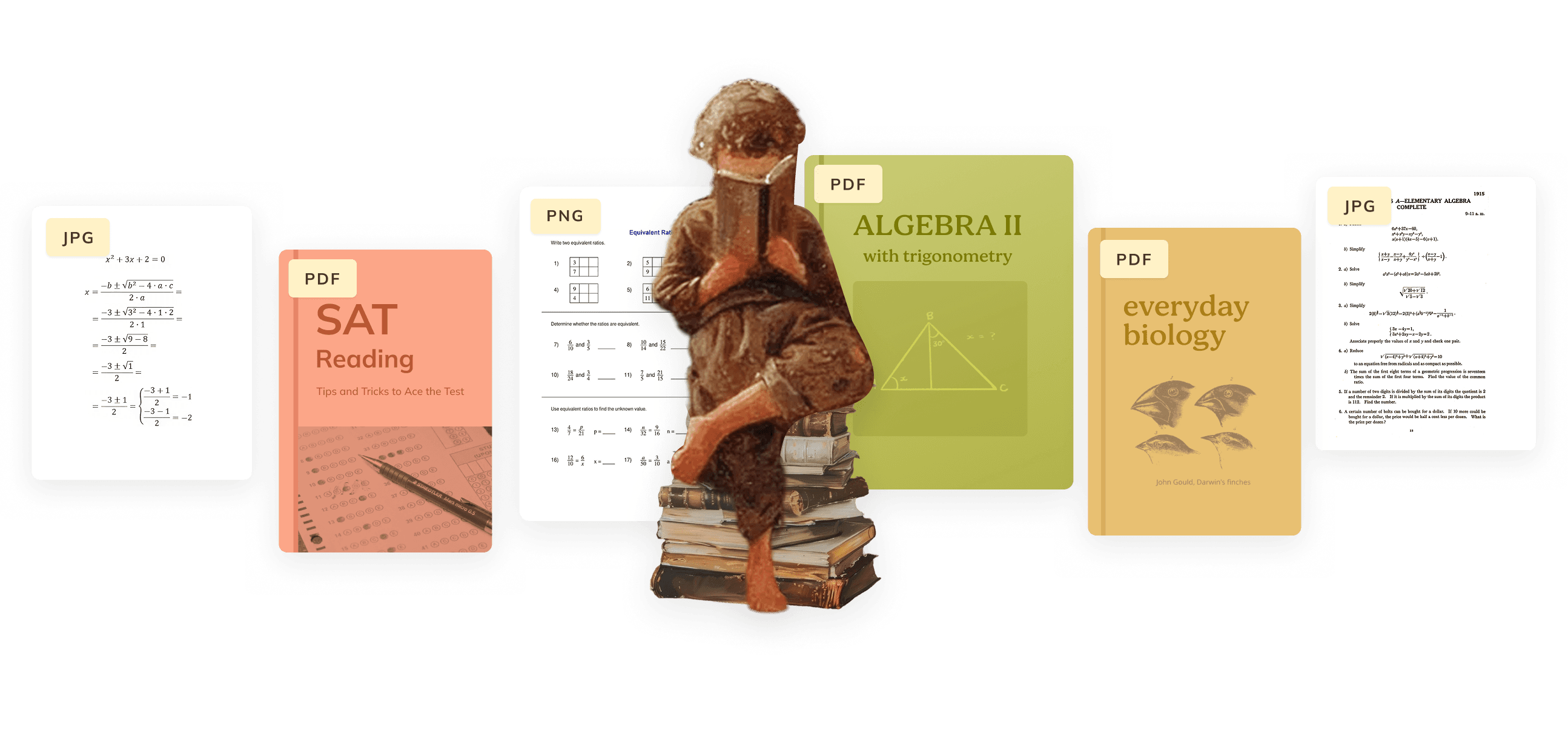
Aristotle can read and navigate any PDFs and images with the learner. That includes textbooks with hundreds of pages!
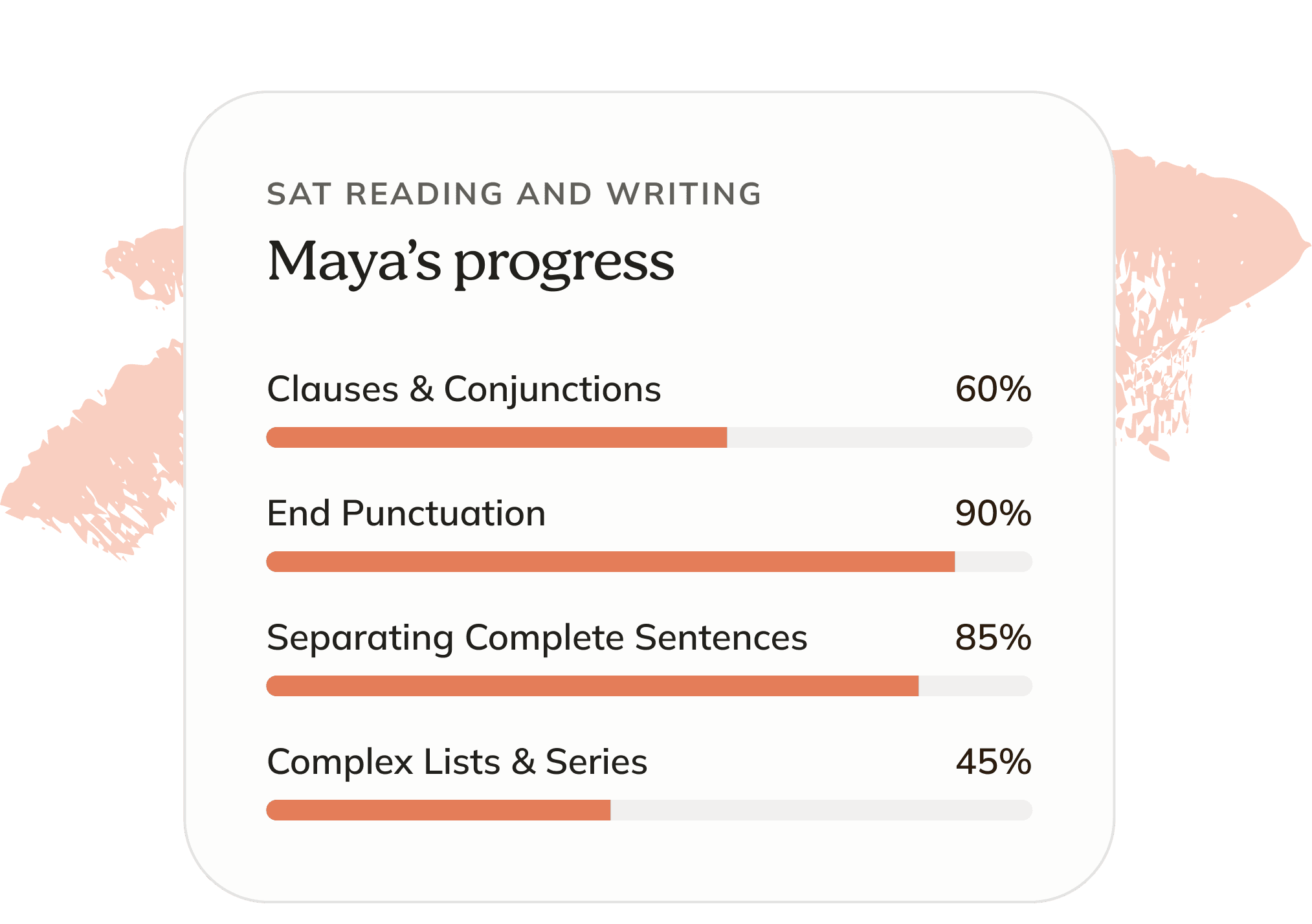
We break all subjects down into granular skills, then track mistakes and mastery on each one. Parents can see the whole picture at a glance.
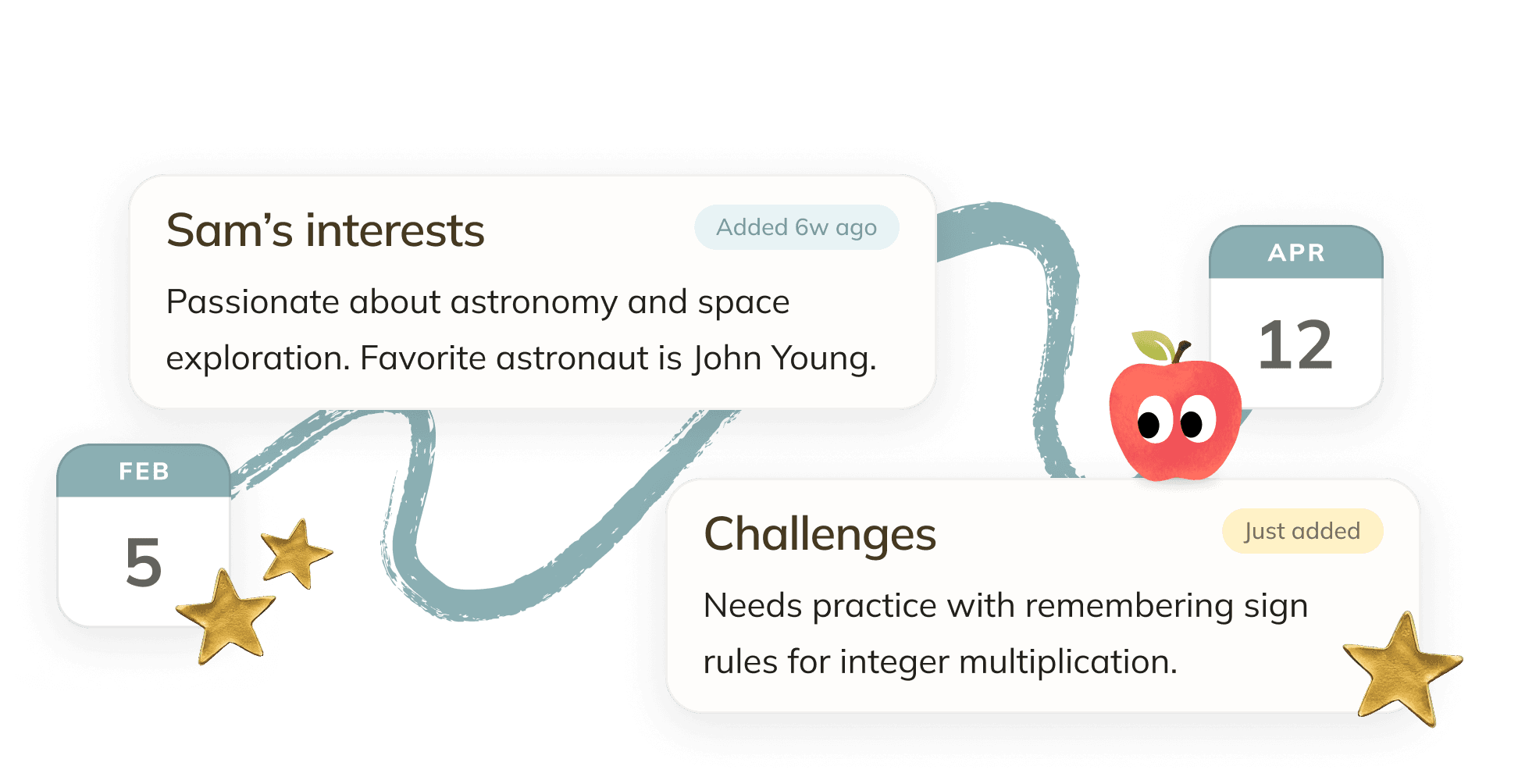
Aristotle remembers every session: what you’ve covered, where you got stuck, how you like things explained. It picks up right where you left off.
The curriculum
Aristotle is designed to always know what to teach at exactly the right time.
Sample curriculum
* Click a topic to see the skills inside
What Law Is and Where It Comes From
Criminal Law and Juvenile Justice
Torts: Civil Wrongs
Contracts, Consumers, and Housing
Family Law
Constitutional Rights and Civil Liberties
Law at Work and in the Wider World
Reading and Reasoning About Law
Law tutoring curriculum131 skills across 8 units
What Law Is and Where It Comes From
The scaffolding for everything else: how law differs from morals and custom, the sources that make rules binding, how disputes get resolved with and without a courtroom, and how the court systems fit together. Topics: Law, Morals, and Kinds of Law, Sources of Law, How Law Gets Made, Settling Disputes, The Court System, Lawyers and Legal Help.
Criminal Law and Juvenile Justice
What makes conduct a crime, what defenses exist, and how the state's power is channeled from investigation through charging, trial, sentencing, and the separate juvenile system. Topics: Elements of a Crime, Crimes Against People and Property, Defenses, Police Investigation and Rights, Before the Trial, The Criminal Trial, Sentencing and Corrections, Juvenile Justice.
Torts: Civil Wrongs
How private law compensates harm: intentional wrongs, the negligence framework that dominates everyday litigation, and liability imposed without fault. Topics: What a Tort Is, Intentional Torts, Negligence, Strict Liability and Tort Policy.
Contracts, Consumers, and Housing
The law behind everyday transactions: what makes a promise enforceable, what a seller guarantees, how credit and debt work, how deceptive practices are policed, and the rules of renting a home. Topics: Contracts, Warranties, Credit and Debt, Consumer Protection, Housing and Renting.
Family Law
How law defines and regulates family relationships, what parents owe children and the state's role when that fails, and how separation reorders parenting, support, and property. Topics: Family and Marriage, Parents and Children, Separation and Divorce.
Constitutional Rights and Civil Liberties
How courts decide what the Constitution protects: the balancing they do, the speech, press, and religion clauses, due process and privacy, and equal protection. Topics: How Constitutional Rights Work, Freedom of Speech, Press and Expression in Special Places, Freedom of Religion, Due Process and Privacy, Equal Protection and Discrimination.
Law at Work and in the Wider World
Four areas where law reaches beyond the household: the workplace, immigration status, ownership of ideas, and environmental protection. Topics: Rights and Responsibilities at Work, Immigration Law, Intellectual Property, Environmental Law.
Reading and Reasoning About Law
The transferable skill: pulling a rule out of a real opinion and applying it honestly to new facts, including the facts that cut the other way. Topics: Briefing a Case, Legal Reasoning.
My son told me yesterday that we should cancel his human tutor, because Aristotle is doing a better job. The human tutor was $250/hour.

A few things you might wonder before getting started.
Aristotle's Law course tracks 131 skills across 8 units, including What Law Is and Where It Comes From, Criminal Law and Juvenile Justice, and Torts: Civil Wrongs. Every skill is linked to the skills it builds on, so the tutor always knows which parts of Law your child has mastered and what to teach next.
Check out our most recent blog posts.

This could be you
For homework, supporting your child, or anything you’ve always wanted to know more about, Aristotle makes it easy for anyone to learn out loud.