Your child's level
Aristotle finds your child's level from a short chat and starts there, whether they are new to Korean or already conversational.

Korean
Pioneered by Stanford AI researchers and learning scientists, Aristotle is the world's first voice-based AI tutor. Learn Korean by speaking it, from first words to real conversation.
Trusted by families at









Learn Korean by speaking
Aristotle finds your child's level from a short chat and starts there, whether they are new to Korean or already conversational.
Sessions are spoken out loud, so your child practices listening and answering in Korean, not just reading about it.
Preparing for a class, a trip, or family conversations? Tell Aristotle and sessions follow that goal.
Features
Talk things through, work side by side, and come back next time to a tutor who remembers where you left off.
Ask questions out loud, hear explanations in Aristotle’s voice, and interrupt whenever you need to.
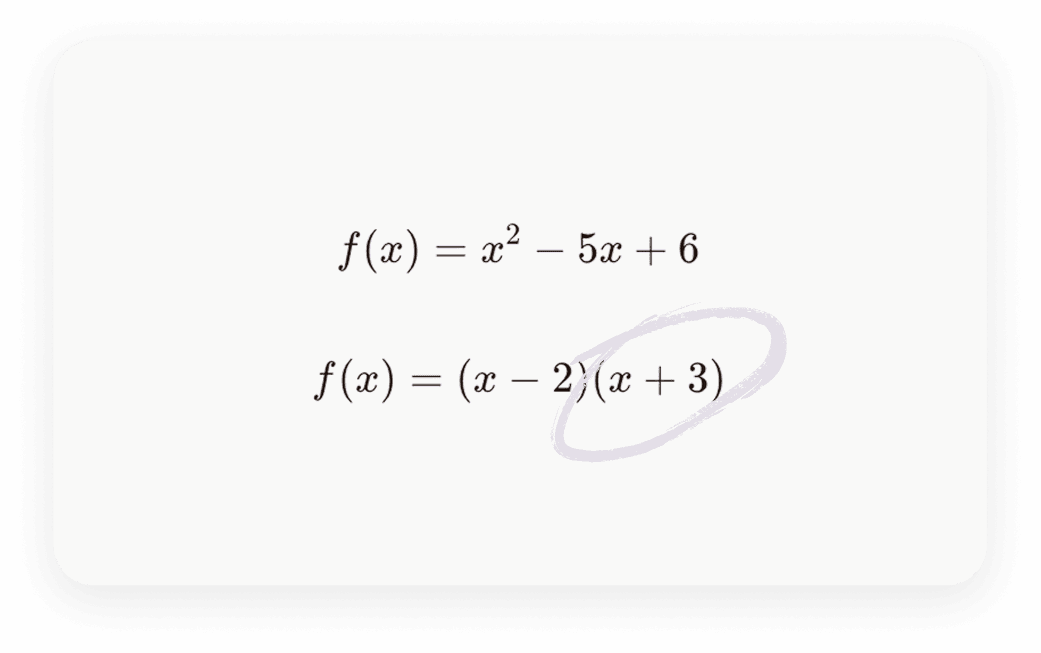
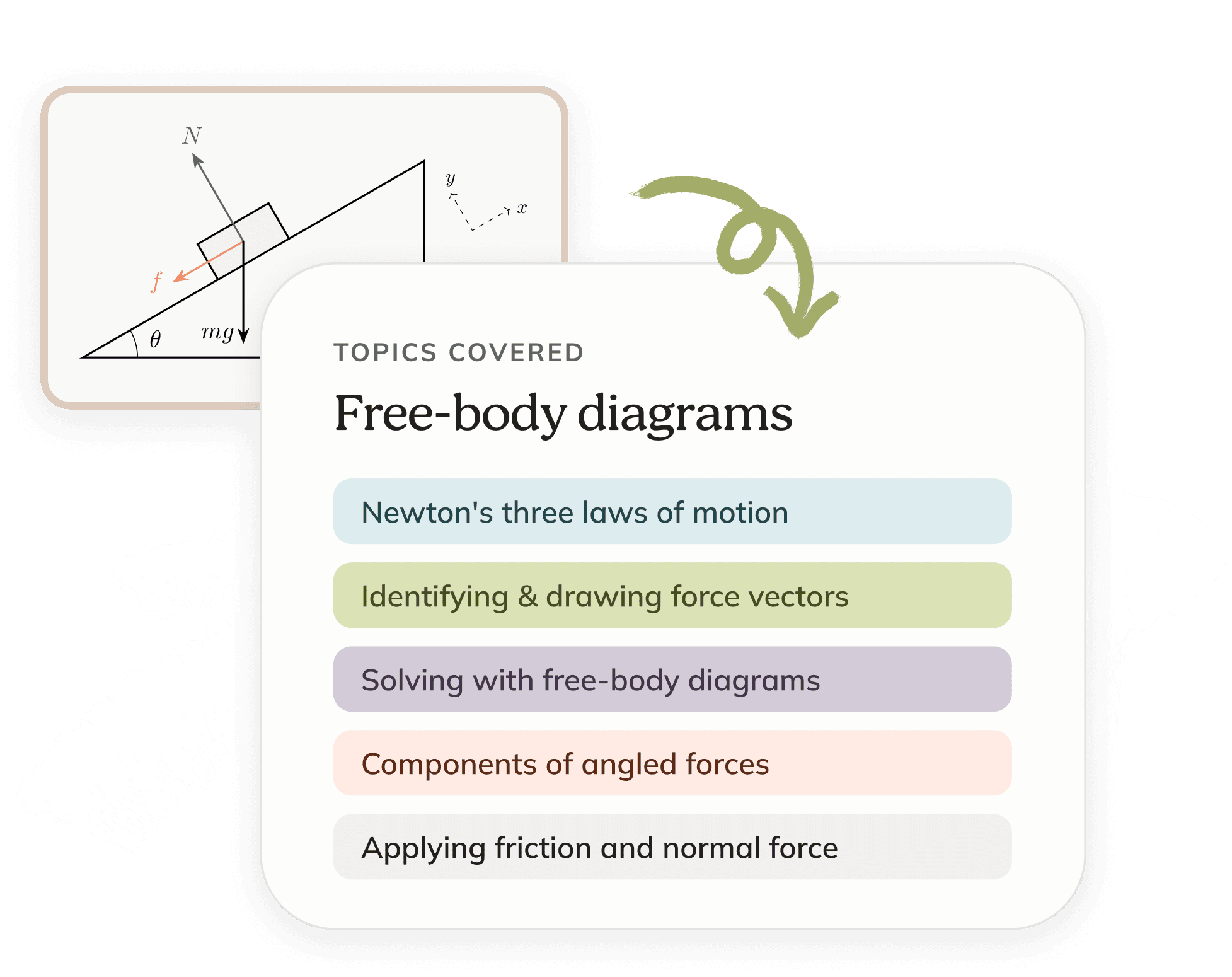
Aristotle draws steps, diagrams, and images to help you learn visually.
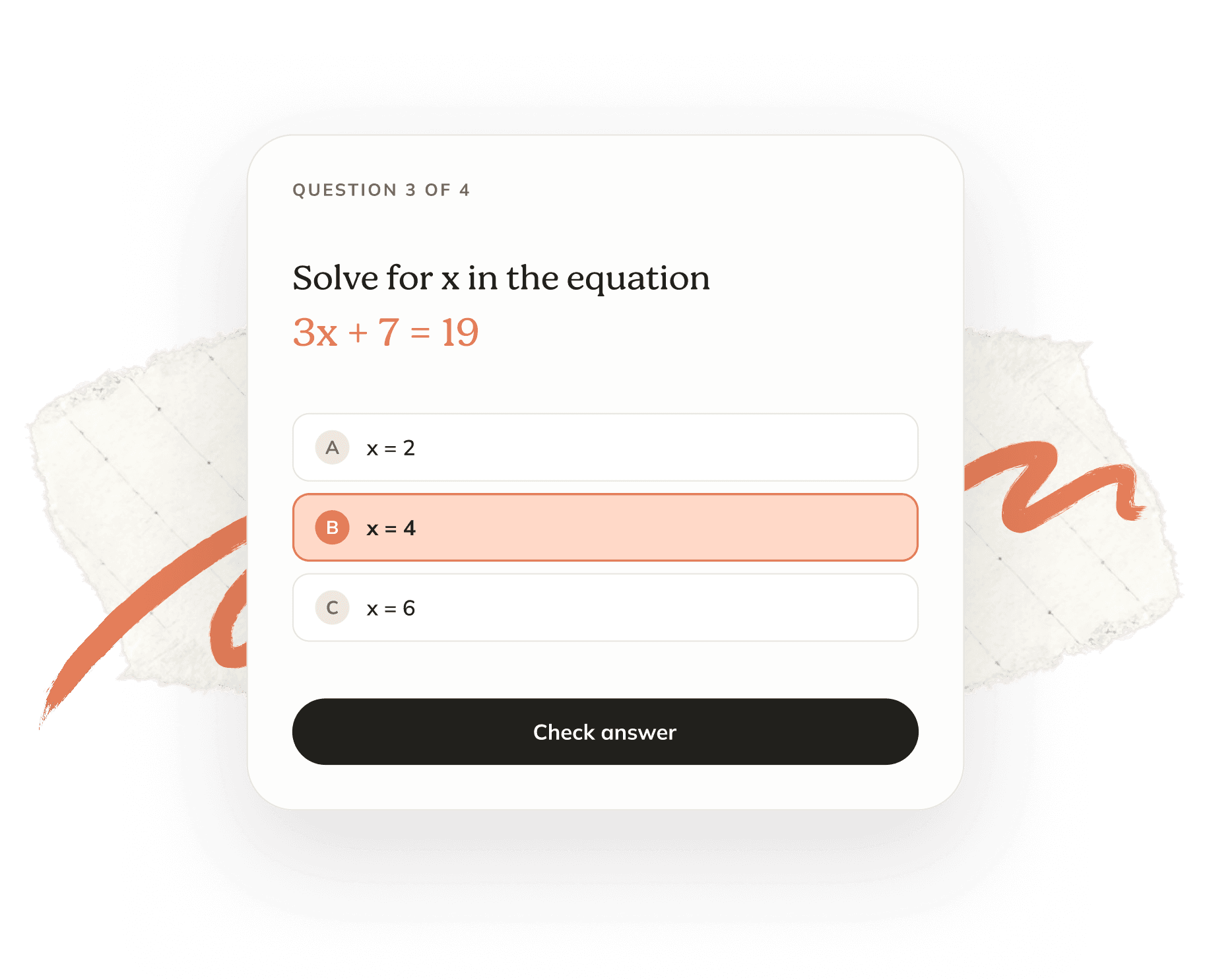
Get practice problems tailored to the exact topics you’re struggling with.
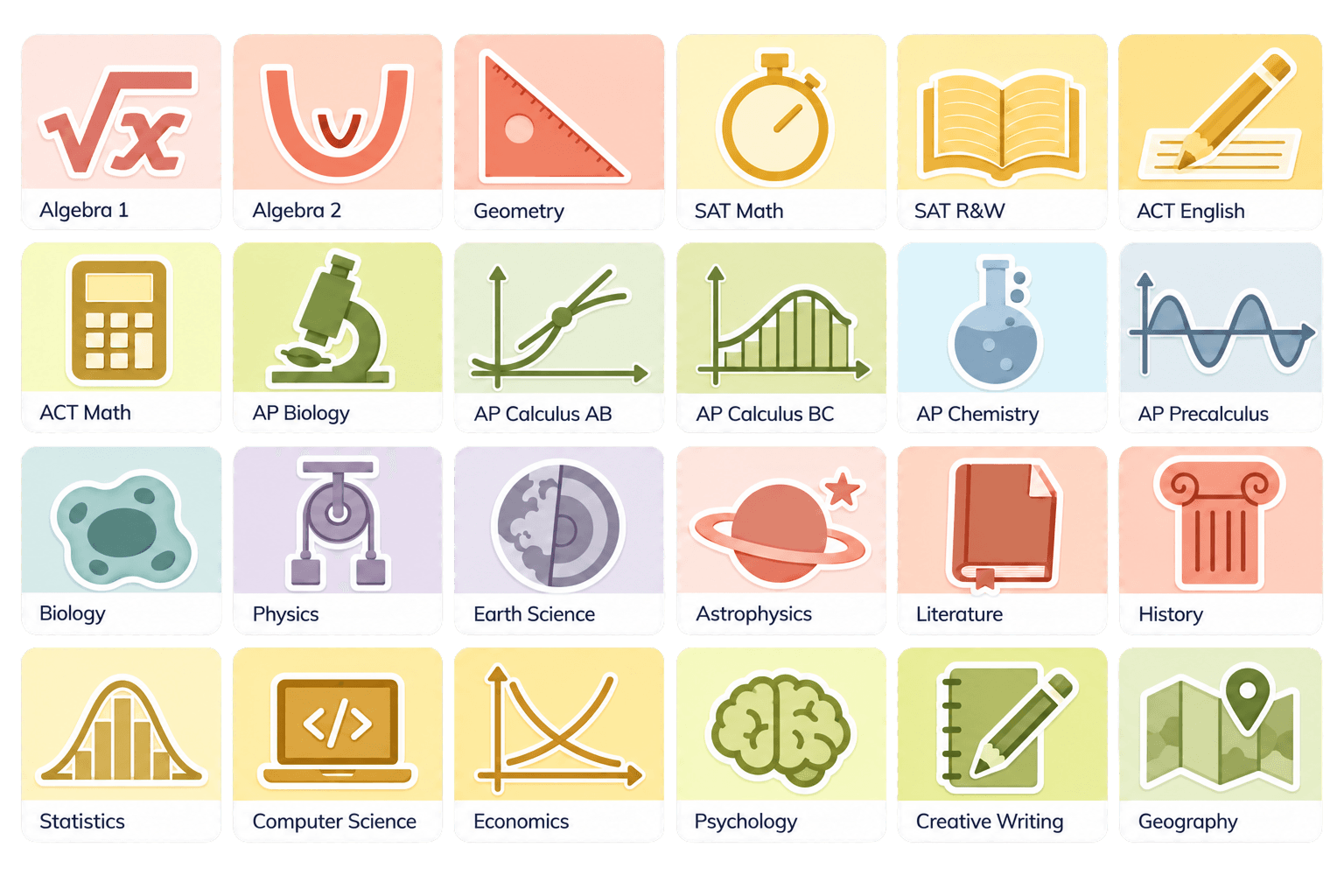
From middle-school math to AP exams to SAT/ACT prep. We also build custom plans matched to state standards and specific courses.
Revisit session summaries, session whiteboards, and uploads in one place.
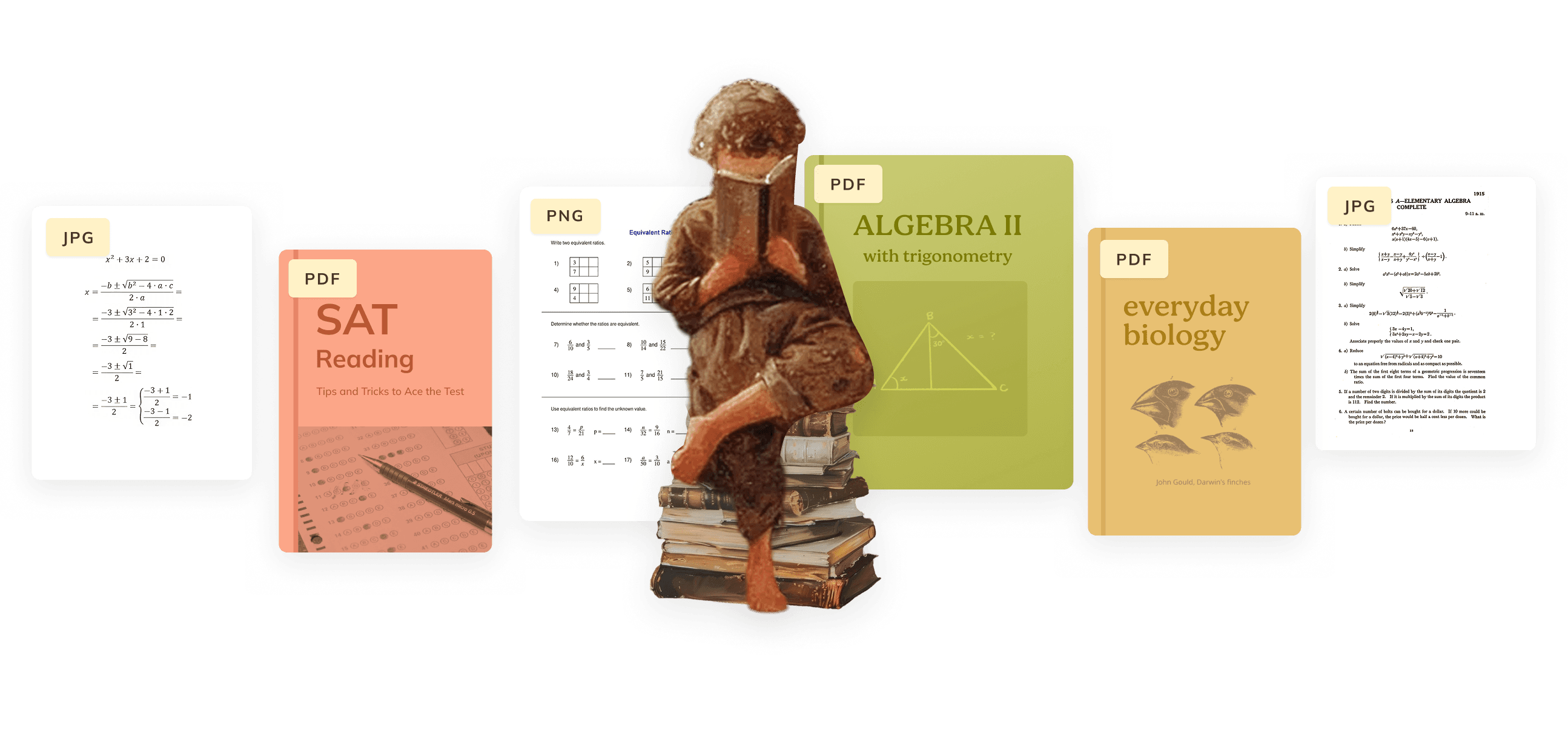
Aristotle can read and navigate any PDFs and images with the learner. That includes textbooks with hundreds of pages!
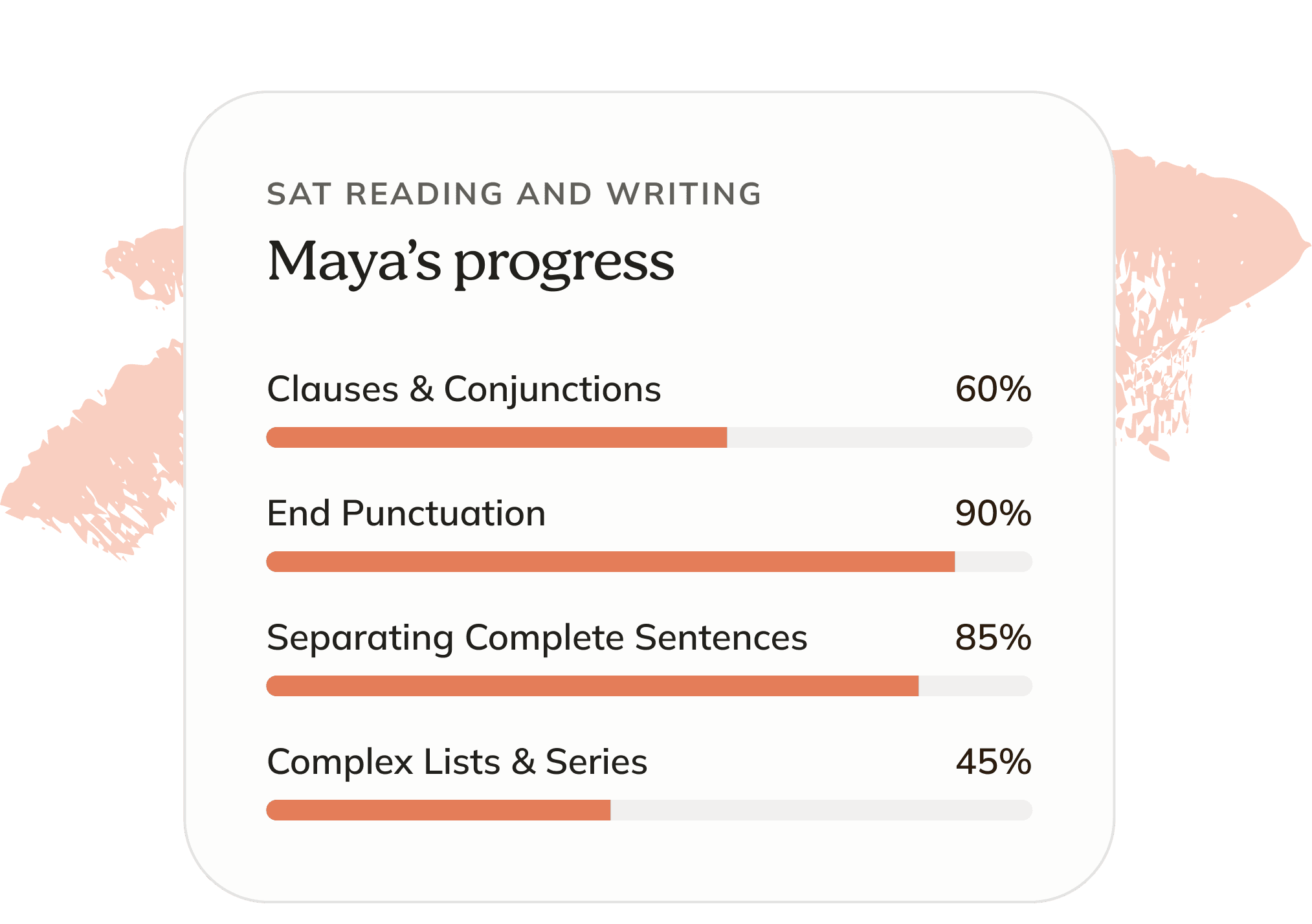
We break all subjects down into granular skills, then track mistakes and mastery on each one. Parents can see the whole picture at a glance.
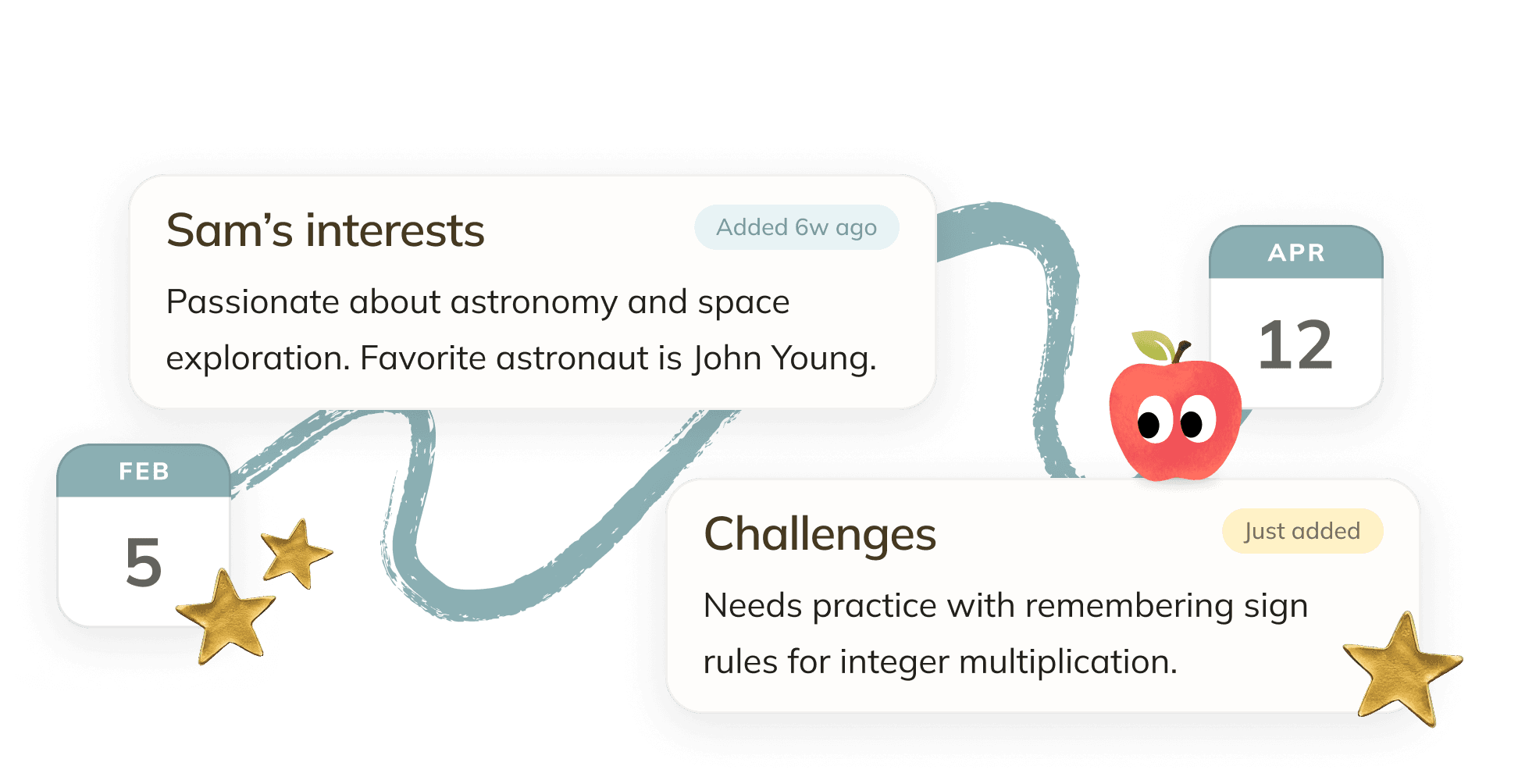
Aristotle remembers every session: what you’ve covered, where you got stuck, how you like things explained. It picks up right where you left off.
The curriculum
Aristotle is designed to always know what to teach at exactly the right time.
Sample curriculum
* Click a topic to see the skills inside
Beginner: Introduce yourself
Beginner: Getting to know someone
Beginner: Numbers and counting
Beginner: Time, days and dates
Beginner: Family and describing people
Beginner: At the café
Beginner: Food and restaurants
Beginner: Shopping and paying
Beginner: Getting around
Beginner: Daily routine and free time
Beginner: Making plans and invitations
Beginner: Health, weather and small talk
Beginner: Talking about the past
Beginner: Getting help: toilets, being lost and emergencies
Beginner: Arriving: hotel, SIM card and wifi
Beginner: T-money, the subway and the convenience store
Intermediate: Travel trouble at stations and airports
Intermediate: Hotels and guesthouses
Intermediate: Settling in: residence card, bank and phone
Intermediate: Renting a flat
Intermediate: Living with neighbours
Intermediate: At the clinic and the pharmacy
Intermediate: Police, scams and accidents
Intermediate: Phone calls, apps and customer service
Intermediate: Returns, repairs and complaints
Intermediate: Starting at a Korean workplace
Intermediate: Reports, meetings and the team dinner
Intermediate: Dramas, films and food: giving opinions
Intermediate: Telling what happened
Intermediate: Friends and casual speech
Intermediate: Holidays, weddings and visits
Intermediate: Invitations, plans and advice
Intermediate: Hair salon, gym and everyday services
Advanced: A job interview at a Korean company
Advanced: Running and joining meetings
Advanced: Negotiating price, terms and pay
Advanced: Giving a presentation
Advanced: Debating social issues
Advanced: Business calls and emails
Advanced: Honorifics and formal register
Advanced: Delicate conversations at work
Advanced: Reading between the lines (눈치)
Advanced: Slang, wordplay and idioms
Advanced: Regional dialects (사투리)
Advanced: News, current affairs and culture
Advanced: Speeches and toasts
Advanced: Condolences and comfort
Advanced: Mediating between two people
Korean tutoring curriculum1946 skills across 48 units
Beginner: Introduce yourself
Saying hello, your name, your age with native Korean numbers and where you live, in polite Korean, ending in a three-line self-introduction. Topics: Say hello and give your name, Say how old you are, Say where you live, Introduce yourself: full role-play.
Beginner: Getting to know someone
Asking someone to say it again, saying where you are from, what you do and what you like, and saying goodbye, with 이에요/예요, 은/는, 이/가, 도 and 을/를. Topics: Ask someone to say it again, Say where you are from, Say what you do, Find a shared hobby, Say goodbye and see you tomorrow, Getting to know someone: full role-play.
Beginner: Numbers and counting
Sino-Korean numbers for phone numbers, native numbers for counting things, and asking how many. Topics: Swap phone numbers, Order a number of snacks, Numbers and counting: full role-play.
Beginner: Time, days and dates
Asking and telling the time, naming days of the week, and arranging a time to meet. Topics: Ask what time it is, Ask what day it is, Set a time to meet, Time, days and dates: full role-play.
Beginner: Family and describing people
Saying how many are in your family, who someone is, what they are like and what they do. Topics: Say who is in your family, Say who someone is and what they are like, Say how old they are and what they do, Family and describing people: full role-play.
Beginner: At the café
Ordering drinks, saying for here or to go, and paying, while understanding the clerk's set phrases. Topics: Order a drink, Say for here or to go, Pay for your drink, At the café: full role-play.
Beginner: Food and restaurants
Getting a table, asking what is good, ordering around spice, and paying the bill. Topics: Get a table and the menu, Ask what's good and order, Ask for the bill and pay, Food and restaurants: full role-play.
Beginner: Shopping and paying
Pointing with 이거/저거, asking prices, asking for another colour or size, and buying. Topics: Ask to see it and ask the price, Ask for another colour or size, Buy it and pay, Shopping and paying: full role-play.
Beginner: Getting around
Asking where a place is, following simple directions, and taking a taxi. Topics: Ask where the station is, Ask if it's far and how long it takes, Take a taxi, Getting around: full role-play.
Beginner: Daily routine and free time
Saying when you get up and go to bed, what you do every morning, and what you do at the weekend, with present verbs and 을/를, 에, 에서. Topics: Say when you get up and go to bed, Say what you do every morning, Say what you do at the weekend, Daily routine and free time: full role-play.
Beginner: Making plans and invitations
Saying what you will do with -(으)ㄹ 거예요, what you want with -고 싶어요, inviting with -(으)ㄹ래요?, and fixing a day, time and place. Topics: Say what you'll do this weekend, Say what you want and invite, Turn down a day and fix a time and place, Making plans and invitations: full role-play.
Beginner: Health, weather and small talk
Small talk about the weather, saying what hurts, and buying cold medicine at a pharmacy. Topics: Make small talk about the weather, Say you're not feeling well, Buy cold medicine, Health, weather and small talk: full role-play.
Beginner: Talking about the past
Telling a friend about a past trip with -았/었어요: what you did, how it was, and what you ate or couldn't do. Topics: Say what you did last weekend, Say how it was, Say what you ate and what you couldn't do, Talking about the past: full role-play.
Beginner: Getting help: toilets, being lost and emergencies
The survival phrases for when you need help fast in Korea: finding a toilet and its door code, telling a passer-by you're lost, and calling for help in an emergency (119 for an ambulance or fire, 112 for the police). Topics: Find the toilet, Say you're lost, Call for help in an emergency, Getting help: toilets, being lost and emergencies: full role-play.
Beginner: Arriving: hotel, SIM card and wifi
Your first hours in Korea: checking into a hotel or guesthouse, buying a SIM card with data, and getting the wifi password and a phone charger. Topics: Check into a hotel or guesthouse, Buy a SIM card, Get the wifi password and charge your phone, Arriving: hotel, SIM card and wifi: full role-play.
Beginner: T-money, the subway and the convenience store
Getting around and getting basics: buying and topping up a T-money card, finding the right subway line and transfer, and paying at a 편의점 (convenience store). Topics: Buy and top up a T-money card, Take the right subway line, Pay at the convenience store, T-money, the subway and the convenience store: full role-play.
Intermediate: Travel trouble at stations and airports
Fixing what goes wrong on a trip in Korea: a missed KTX, a bag left on the subway, a cancelled flight to Jeju and a phone left in a taxi. Topics: Change a missed KTX ticket, Report a bag left on the subway, Rebook a cancelled flight to Jeju, Get back a phone left in a taxi, Travel trouble at stations and airports: full role-play.
Intermediate: Hotels and guesthouses
Checking in early and leaving bags, calling the front desk about a broken room, and complaining about noise to get a new room or a discount. Topics: Check in early or leave your bags, Call the front desk about a problem, Complain about noise and ask for a fix, Hotels and guesthouses: full role-play.
Intermediate: Settling in: residence card, bank and phone
The first errands of living in Korea: applying for a residence card at the immigration office, opening a bank account with a debit card and getting a phone line in your own name. Topics: Apply for a residence card, Open a bank account, Get a phone line in your own name, Settling in: residence card, bank and phone: full role-play.
Intermediate: Renting a flat
Finding and keeping a flat in Korea: telling an agent your budget in deposit and monthly rent, checking a flat at a viewing, making the contract safe, and getting the landlord to fix a broken boiler. Topics: Tell an agent what you need, Check a flat at a viewing, Make the contract safe, Get the landlord to fix the boiler, Renting a flat: full role-play.
Intermediate: Living with neighbours
Getting on with the neighbours in a Korean apartment building: raising noise from upstairs politely, learning the recycling rules from the building guard, and sorting out a parcel left at the wrong door. Topics: Ask upstairs to keep the noise down, Learn the rubbish rules from the guard, Find a parcel left at the wrong door, Living with neighbours: full role-play.
Intermediate: At the clinic and the pharmacy
Getting care in Korea: registering at a local clinic, describing symptoms to the doctor, following the diagnosis and instructions, collecting medicine at the pharmacy, and calling 119 at night. Topics: Register at a local clinic, Tell the doctor your symptoms, Follow the diagnosis and instructions, Collect medicine at the pharmacy, Call 119 at night, At the clinic and the pharmacy: full role-play.
Intermediate: Police, scams and accidents
Staying safe and getting help: reporting a stolen wallet at a police box, shutting down a voice-phishing call, and handling a small bump with an e-scooter. Topics: Report a stolen wallet at a police box, Shut down a scam call, Handle a small bump with an e-scooter, Police, scams and accidents: full role-play.
Intermediate: Phone calls, apps and customer service
Getting things done by phone: booking a table, getting through an automated menu to report broken internet, fixing a delivery-app order, and moving a clinic appointment. Topics: Book a table by phone, Report broken internet to customer service, Fix a wrong delivery order, Move a clinic appointment by phone, Phone calls, apps and customer service: full role-play.
Intermediate: Returns, repairs and complaints
Getting a fair outcome when something goes wrong with a purchase: exchanging clothes in a shop, returning an online order, getting a phone repaired under warranty and pointing out a mistake on a bill. Topics: Exchange clothes in a shop, Return an online order, Get a phone repaired under warranty, Point out a mistake on the bill, Returns, repairs and complaints: full role-play.
Intermediate: Starting at a Korean workplace
The first weeks at a Korean company: introducing yourself to the team in 합니다체, small talk over lunch, asking your team leader for a day off and leaving the office politely. Topics: Introduce yourself to the team, Make small talk over team lunch, Ask for a day off, Leave the office politely, Starting at a Korean workplace: full role-play.
Intermediate: Reports, meetings and the team dinner
Everyday teamwork in Korean: reporting progress to your team leader, asking for clarification in a meeting, messaging that you'll be late, and handling pouring and drinking at a 회식 (team dinner). Topics: Report progress to your team leader, Ask for clarification in a meeting, Message that you'll be late, Handle drinks at the team dinner, Reports, meetings and the team dinner: full role-play.
Intermediate: Dramas, films and food: giving opinions
Saying what you think and why: recommending a drama, disagreeing about a film without a fight, and comparing two restaurants to choose where to go. Topics: Recommend a drama, Disagree about a film, Compare two restaurants and decide, Dramas, films and food: giving opinions: full role-play.
Intermediate: Telling what happened
Telling a short story in the past and reacting as a listener: why you were late, how you nearly missed a flight, and a funny misunderstanding. Topics: Explain why you were late, Tell how you nearly missed a flight, Tell a funny misunderstanding, Telling what happened: full role-play.
Intermediate: Friends and casual speech
Moving to 반말 (casual speech) with a friend: agreeing to drop the formality, making plans by text, catching up in casual Korean, and fixing a register slip with someone older. Topics: Agree to speak casually, Make plans by text, Catch up with a friend, Fix a register slip, Friends and casual speech: full role-play.
Intermediate: Holidays, weddings and visits
Korean customs in practice: greeting a friend's family at 설날, explaining 추석 to someone back home, being a guest at a wedding, and dinner at a Korean home. Topics: Greet a friend's family at 설날, Explain 추석 to someone back home, Go to a colleague's wedding, Have dinner at a Korean home, Holidays, weddings and visits: full role-play.
Intermediate: Invitations, plans and advice
Social life in Korean: inviting someone and setting conditions, declining without offending, rescheduling at the last minute, and comforting and advising a friend. Topics: Invite a colleague out, Turn down an invitation kindly, Reschedule at the last minute, Comfort and advise a friend, Invitations, plans and advice: full role-play.
Intermediate: Hair salon, gym and everyday services
Getting everyday services the way you want them: a haircut at a salon, pausing a gym membership and getting clothes altered or dry-cleaned. Topics: Get the haircut you want, Pause a gym membership, Get clothes altered and dry-cleaned, Hair salon, gym and everyday services: full role-play.
Advanced: A job interview at a Korean company
Sitting a Korean job interview in 하십시오체: the one-minute self-introduction, a strength proved by an episode and an honest weakness, a hard question about a gap or your visa, and the closing question. Topics: Give a one-minute self-introduction, Prove a strength and admit a weakness, Answer a hard question about a gap or your visa, Ask the closing question and leave well, A job interview at a Korean company: full role-play.
Advanced: Running and joining meetings
Holding your own in Korean meetings: opening and steering a meeting, disagreeing with a senior without causing loss of face, and closing with clear action items. Topics: Open and steer a meeting, Disagree with a senior politely, Close with clear action items, Running and joining meetings: full role-play.
Advanced: Negotiating price, terms and pay
Negotiating in Korean business and personal life: bargaining with a supplier on price and volume, trading on deadlines, taking a proposal back for internal approval, and negotiating your own salary. Topics: Bargain with a supplier on price, Trade on the delivery date, Take a proposal back for approval, Negotiate your salary, Negotiating price, terms and pay: full role-play.
Advanced: Giving a presentation
Presenting in Korean at work or university: opening and signposting a talk, explaining a graph, handling questions, including ones you can't answer, and closing with a proposal. Topics: Open and signpost a talk, Explain a graph, Handle questions, Close with a proposal, Giving a presentation: full role-play.
Advanced: Debating social issues
Arguing a position on Korean social issues: stating a view on the low birth rate with evidence, conceding a point and rebutting, and moderating a panel discussion. Topics: State and support a position, Concede a point and rebut, Moderate a panel discussion, Debating social issues: full role-play.
Advanced: Business calls and emails
Professional calls and emails in Korean: answering and transferring a call, taking a message for a colleague, making a follow-up call to a client, and reading a business email aloud. Topics: Answer and transfer a business call, Take and pass on a message, Make a follow-up call to a client, Read a business email aloud, Business calls and emails: full role-play.
Advanced: Honorifics and formal register
Getting the honorific system right where it matters: speaking to the company chairman and to elders with honorific vocabulary, fixing over-polite service Korean, and referring to one family elder in front of a higher one. Topics: Speak to the chairman at an event, Fix over-polite service Korean, Refer to one elder in front of a higher one, Honorifics and formal register: full role-play.
Advanced: Delicate conversations at work
Saying difficult things well: refusing a senior's request, apologising to a client for a mistake, breaking bad news about a delay, and giving a junior honest feedback. Topics: Refuse a senior's request, Apologise to a client for a mistake, Break bad news about a delay, Give a junior honest feedback, Delicate conversations at work: full role-play.
Advanced: Reading between the lines (눈치)
Hearing what Koreans leave unsaid and answering in kind: spotting a hidden no, hearing criticism wrapped in praise, and declining food, drink and a second round without causing loss of face. Topics: Hear a hidden no, Hear criticism inside praise, Decline food, drink and a second round, Reading between the lines (눈치): full role-play.
Advanced: Slang, wordplay and idioms
Joining in when Koreans joke: following current slang among friends, getting and making a 아재 개그 (dad joke), and dropping a proverb or four-character idiom at the right moment. Topics: Keep up with friends' slang, Get and make a 아재 개그, Use a proverb or idiom at the right moment, Slang, wordplay and idioms: full role-play.
Advanced: Regional dialects (사투리)
Understanding, rather than imitating, regional Korean: bargaining at Busan's Jagalchi Market in 경상도 dialect, chatting with a grandmother in 전라도 dialect, and hearing 제주어 and discussing dialects and standard Korean. Topics: Shop at Jagalchi Market in Busan, Chat with a grandmother in 전라도 dialect, Hear 제주어 and talk about dialects, Regional dialects (사투리): full role-play.
Advanced: News, current affairs and culture
Talking about Korean media: retelling a news report in reporting language, discussing a current issue with colleagues, critiquing a drama including 사극 speech, and recommending a book or webtoon. Topics: Retell a news report, Discuss a current issue at lunch, Critique a drama, including 사극, Recommend a book or webtoon, News, current affairs and culture: full role-play.
Advanced: Speeches and toasts
Speaking at Korean occasions: leading a 건배사 at a team dinner, giving a friend's wedding speech, a farewell speech for a retiring director, and a welcome speech at an event. Topics: Lead a toast at the team dinner, Give a friend's wedding speech, Give a farewell speech for a retiring director, Give a welcome speech at an event, Speeches and toasts: full role-play.
Advanced: Condolences and comfort
Being present when things are hard: paying respects at a 장례식장 (funeral hall), visiting a colleague in hospital, and comforting a friend who has lost their job. Topics: Pay respects at a funeral hall, Visit a colleague in hospital, Comfort a friend who lost their job, Condolences and comfort: full role-play.
Advanced: Mediating between two people
Standing in the middle: relaying between a foreign friend and a Korean landlord, calming a conflict between two colleagues, and bridging two families at a 상견례 (the formal first meeting of both families before a wedding). Topics: Relay between a friend and a landlord, Calm a conflict between two colleagues, Bridge two families at a 상견례, Mediating between two people: full role-play.
My son told me yesterday that we should cancel his human tutor, because Aristotle is doing a better job. The human tutor was $250/hour.

A few things you might wonder before getting started.
Aristotle's Korean course tracks 1946 skills across 48 units, including Beginner: Introduce yourself, Beginner: Getting to know someone, and Beginner: Numbers and counting. Every skill is linked to the skills it builds on, so the tutor always knows which parts of Korean your child has mastered and what to teach next.
Check out our most recent blog posts.

This could be you
For homework, supporting your child, or anything you’ve always wanted to know more about, Aristotle makes it easy for anyone to learn out loud.