Your child's level
Aristotle finds your child's level from a short chat and starts there, whether they are new to Japanese or already conversational.

Japanese
Pioneered by Stanford AI researchers and learning scientists, Aristotle is the world's first voice-based AI tutor. Learn Japanese by speaking it, from first words to real conversation.
Trusted by families at









Learn Japanese by speaking
Aristotle finds your child's level from a short chat and starts there, whether they are new to Japanese or already conversational.
Sessions are spoken out loud, so your child practices listening and answering in Japanese, not just reading about it.
Preparing for a class, a trip, or family conversations? Tell Aristotle and sessions follow that goal.
Features
Talk things through, work side by side, and come back next time to a tutor who remembers where you left off.
Ask questions out loud, hear explanations in Aristotle’s voice, and interrupt whenever you need to.
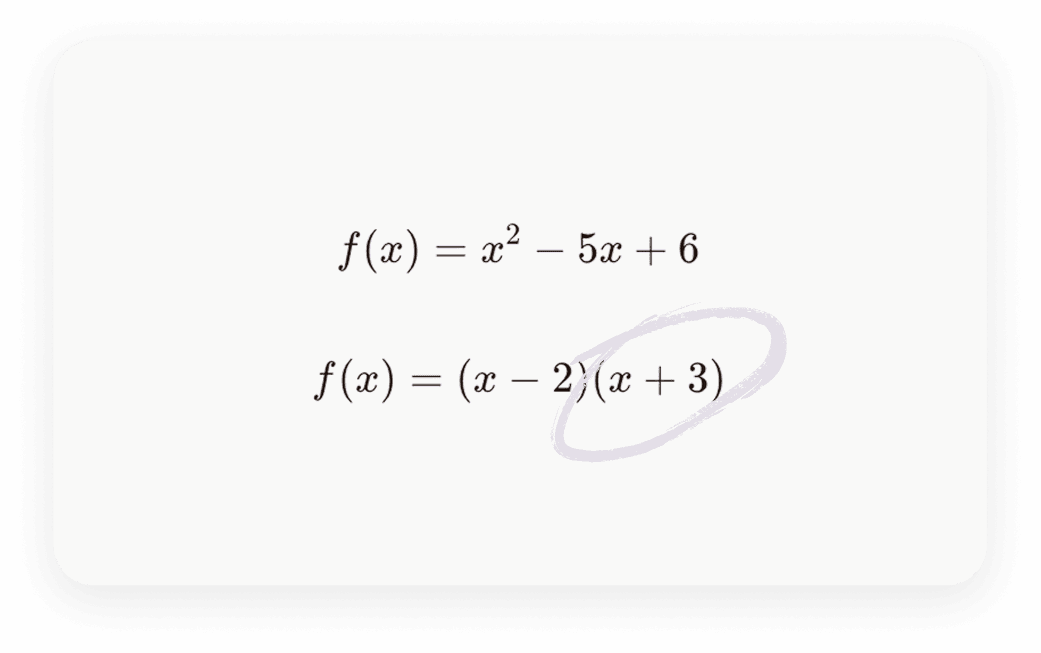
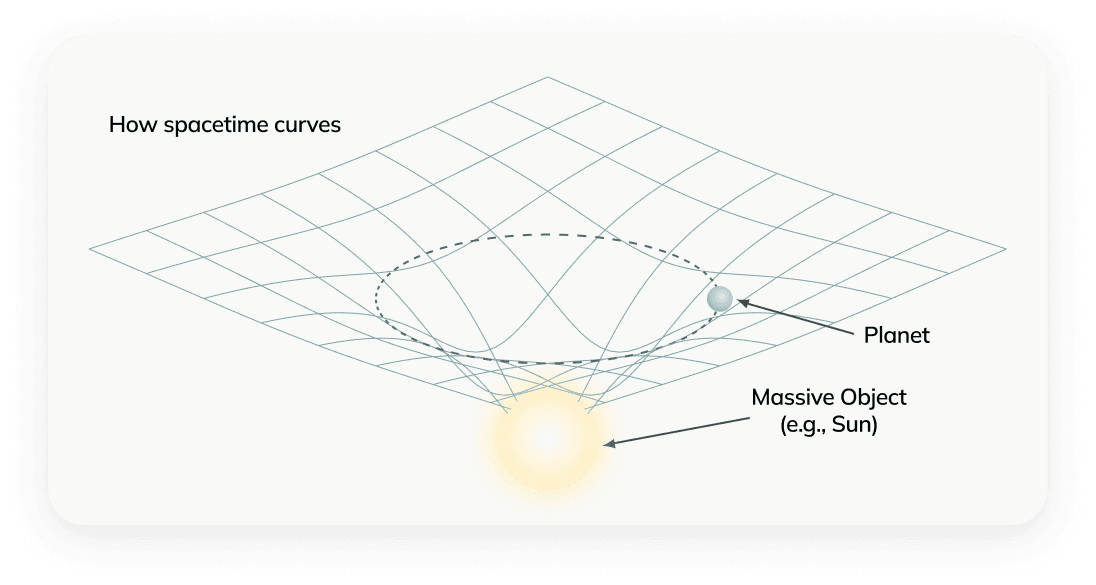
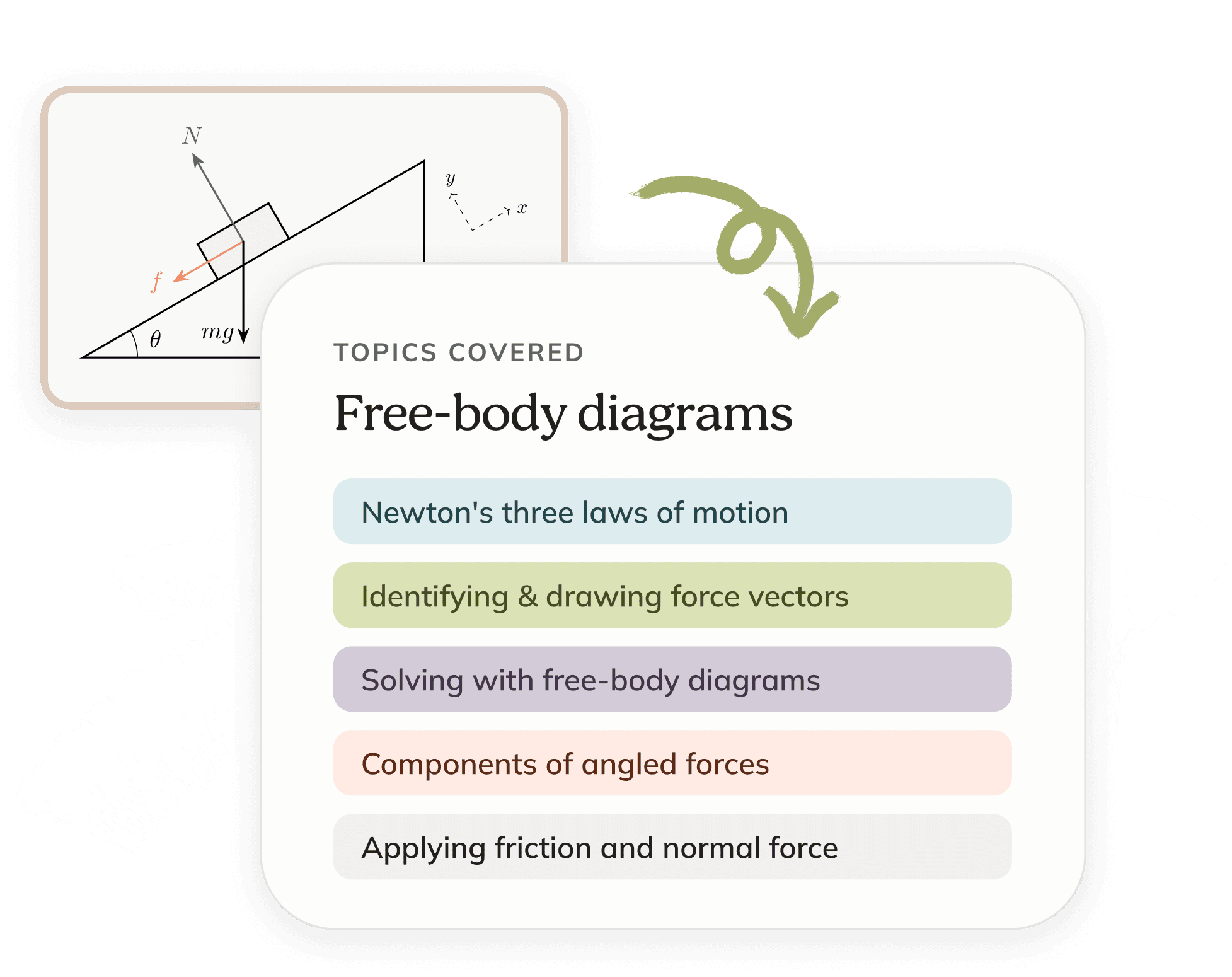
Aristotle draws steps, diagrams, and images to help you learn visually.
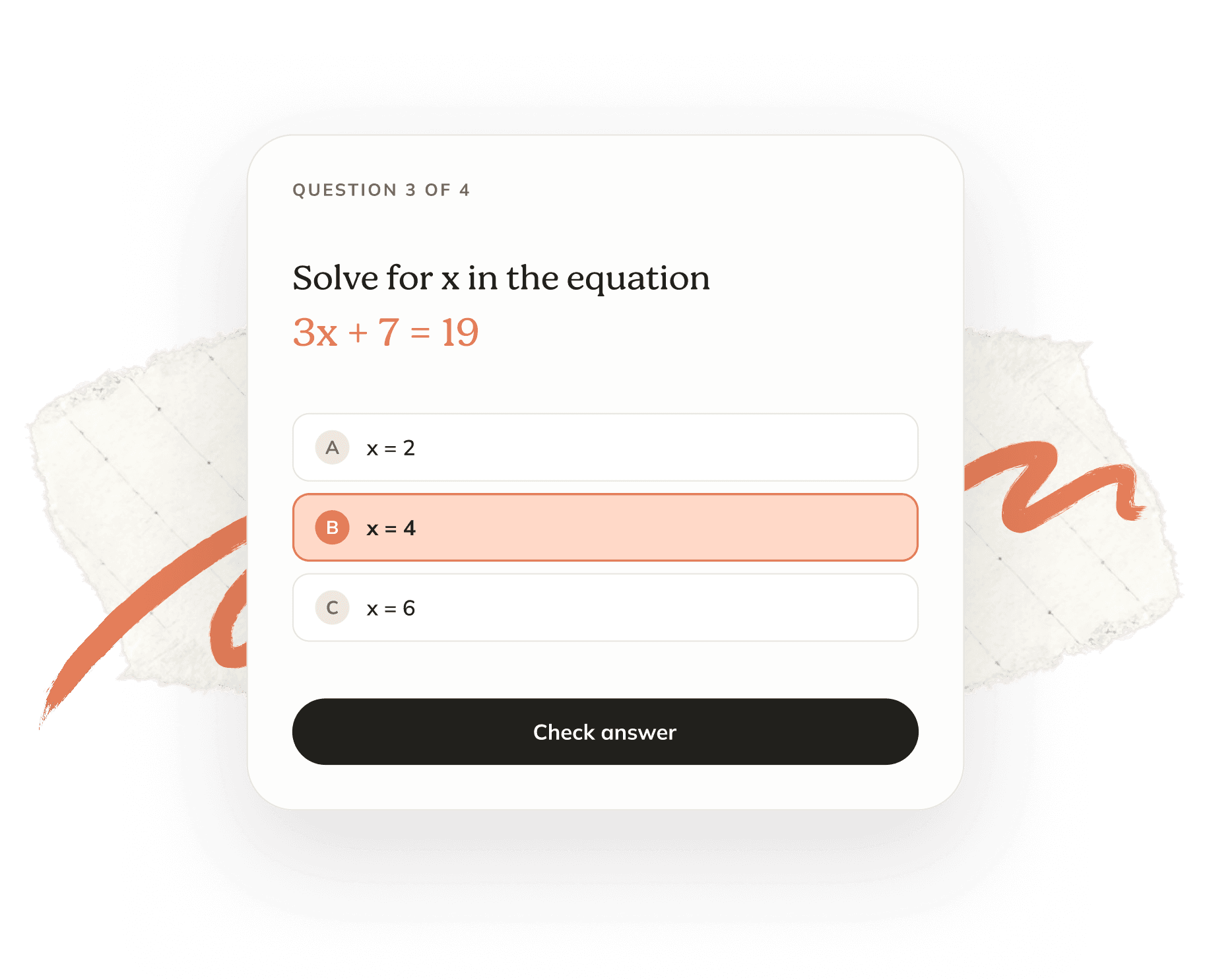
Get practice problems tailored to the exact topics you’re struggling with.
From middle-school math to AP exams to SAT/ACT prep. We also build custom plans matched to state standards and specific courses.
Revisit session summaries, session whiteboards, and uploads in one place.
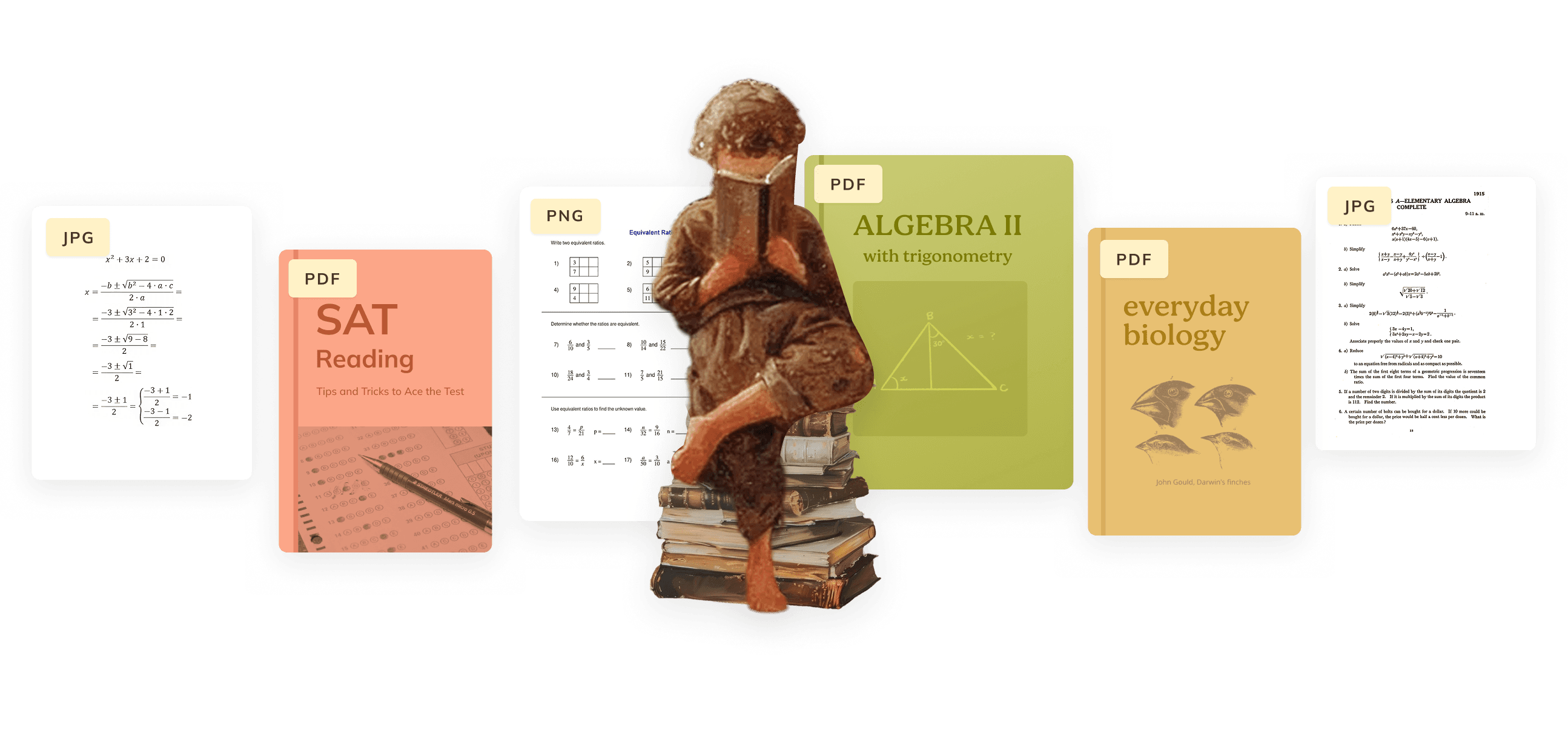
Aristotle can read and navigate any PDFs and images with the learner. That includes textbooks with hundreds of pages!
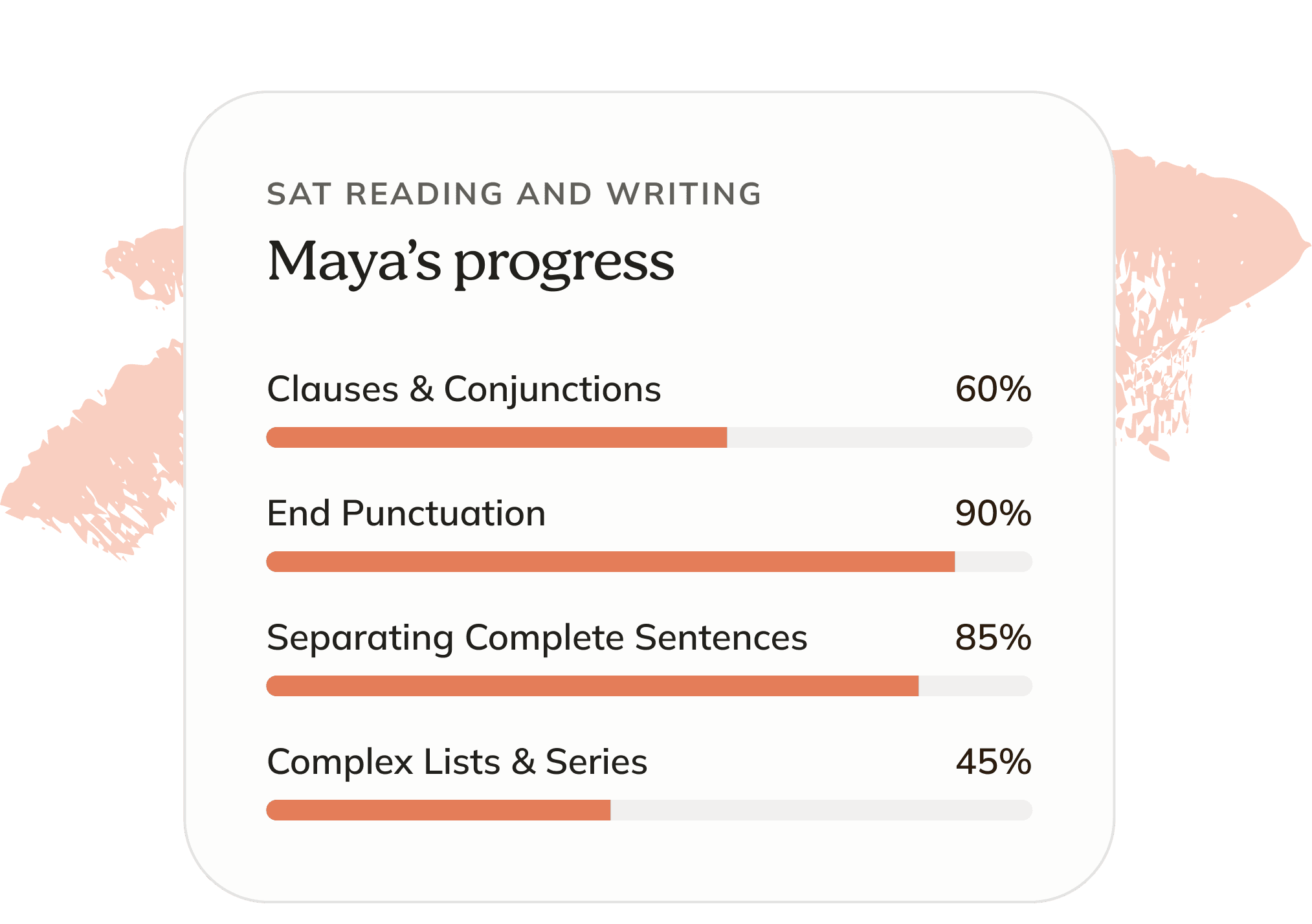
We break all subjects down into granular skills, then track mistakes and mastery on each one. Parents can see the whole picture at a glance.
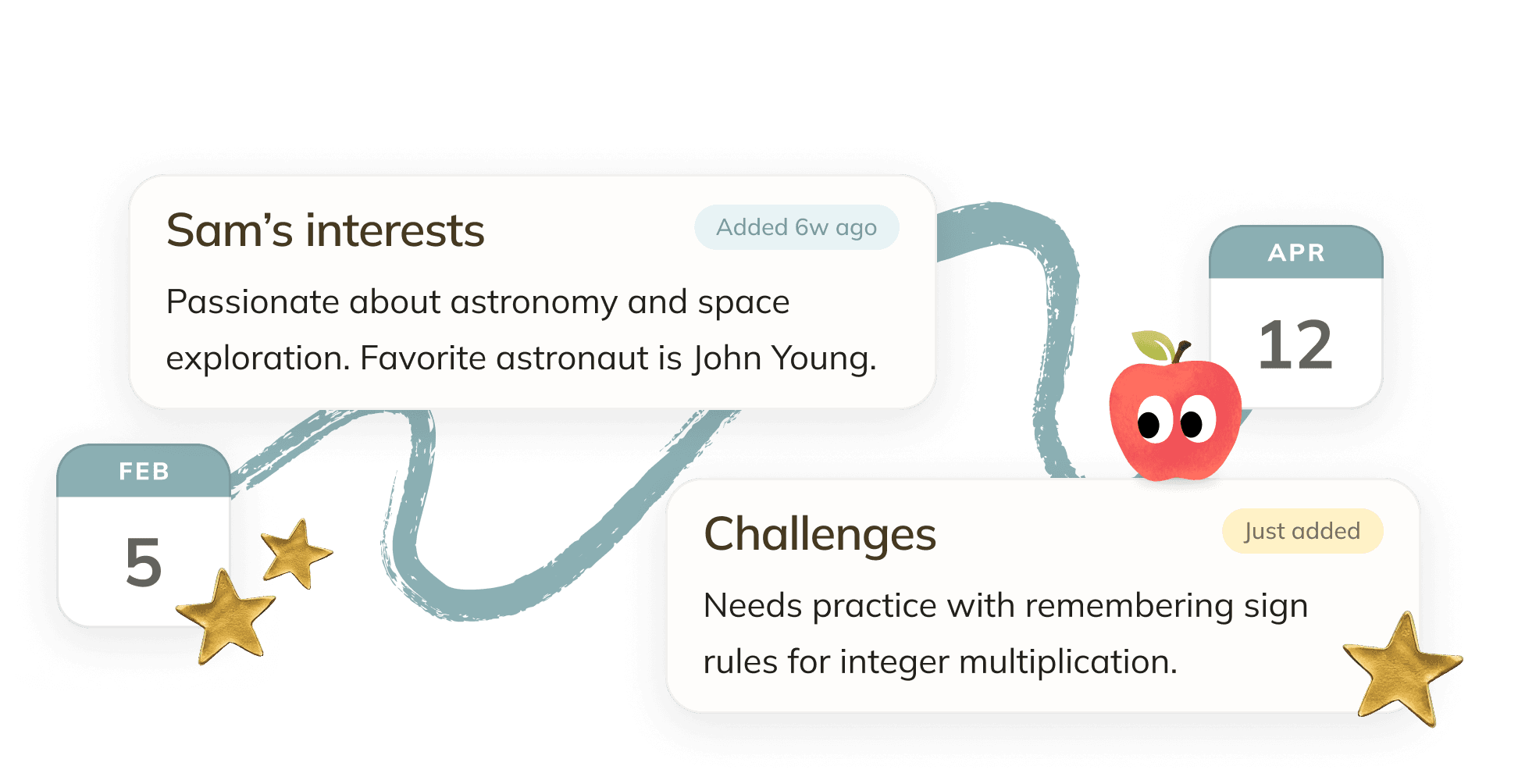
Aristotle remembers every session: what you’ve covered, where you got stuck, how you like things explained. It picks up right where you left off.
The curriculum
Aristotle is designed to always know what to teach at exactly the right time.
Sample curriculum
* Click a topic to see the skills inside
Beginner: Introduce yourself
Beginner: Getting to know someone
Beginner: Numbers and counting
Beginner: Time, days and dates
Beginner: Family and describing people
Beginner: At the café
Beginner: Food and restaurants
Beginner: Shopping and paying
Beginner: Getting around
Beginner: Daily routine and free time
Beginner: Making plans and invitations
Beginner: Health, weather and small talk
Beginner: Talking about the past
Beginner: Hotel, phone and toilets
Beginner: Help and emergencies
Intermediate: Travel trouble on the trains
Intermediate: Hotels and ryokan
Intermediate: Settling in: city hall, bank and phone
Intermediate: Renting a flat
Intermediate: Neighbours and the rubbish rules
Intermediate: At the clinic and the pharmacy
Intermediate: Phone calls and customer service
Intermediate: Shopping, returns and repairs
Intermediate: A new job: greetings, small talk and the nomikai
Intermediate: Meetings, messages and deadlines
Intermediate: Telling what happened
Intermediate: Giving and defending an opinion
Intermediate: Casual speech with friends
Intermediate: Festivals, seasons and gifts
Intermediate: Plans, advice and visiting a home
Advanced: Job interviews
Advanced: Keigo at work: visits, calls and emails
Advanced: Meetings and presentations
Advanced: Negotiating
Advanced: Discussion and debate
Advanced: Indirect communication
Advanced: Apologies, bad news and condolences
Advanced: Speeches and toasts
Advanced: Humour, slang and banter
Advanced: Regional Japanese
Advanced: News, current affairs and stories
Advanced: Mediating and explaining
Advanced: Formal moments in private life
Japanese tutoring curriculum1871 skills across 43 units
Beginner: Introduce yourself
Saying hello, your name, your age with the numbers up to thirty and where you live, in polite です/ます Japanese, ending in a three-sentence self-introduction. Topics: Say hello and give your name, Say how old you are, Say where you live, Introduce yourself: full role-play.
Beginner: Getting to know someone
Asking someone to say it again or slow down, saying where you are from, what you do and what you like, and greeting and parting through the day, with です, ですか, じゃありません, は, が and も. Topics: Ask someone to say it again, Say where you are from, Say what you do, Find something you both like, Greet and part through the day, Getting to know someone: full role-play.
Beginner: Numbers and counting
Saying a phone number digit by digit, counting things with ひとつ, ふたつ, みっつ, and hundreds, thousands and yen for prices. Topics: Swap phone numbers, Buy a number of snacks, Ask the price, Numbers and counting: full role-play.
Beginner: Time, days and dates
Asking and telling the time, naming the days of the week and booking a time with に, の and だいじょうぶですか. Topics: Ask the time, Say what day it is, Book a time, Time, days and dates: full role-play.
Beginner: Family and describing people
Saying who is in your family, naming other people's family with the polite set, and describing people with い-adjectives. Topics: Say who is in your family, Ask who is in a photo, Say what someone is like, Family and describing people: full role-play.
Beginner: At the café
Ordering a drink by temperature and size, saying whether you eat in or take out, and paying, while understanding the clerk's fixed polite phrases. Topics: Order a drink, Eat in or take out, Pay and get your receipt, At the café: full role-play.
Beginner: Food and restaurants
Getting a table and ordering a dish on a recommendation, asking what is in a dish and saying what you don't eat, and paying the bill with the set phrases of a meal. Topics: Get a table and order, Check what is in a dish, Pay the bill, Food and restaurants: full role-play.
Beginner: Shopping and paying
Pointing at things with これ, それ, あれ and この, asking for another colour or size, handling the bag and tax-free questions at the register, and buying a meal at the konbini. Topics: Ask to see something and its price, Ask for another colour or size, Pay at the register, Buy a meal at the konbini, Shopping and paying: full role-play.
Beginner: Getting around
Asking where a place is and following short directions, buying a train ticket with まで, checking that a train goes where you need with に and いきますか, buying and topping up an IC card, and finding your way when lost. Topics: Ask the way to the station, Buy a train ticket, Check the train and platform, Buy and top up an IC card, Find your way when you are lost, Getting around: full role-play.
Beginner: Daily routine and free time
Polite ます verbs with に for times, で for places and を for objects, to describe a morning, a working day and what you do at the weekend. Topics: Describe your morning, Say where you go and when, Say what you do at the weekend, Daily routine and free time: full role-play.
Beginner: Making plans and invitations
Inviting someone with 〜ませんか, accepting, declining softly with ちょっと, and fixing where and when to meet with 〜ましょう. Topics: Invite a friend out, Say no politely and suggest another day, Fix where and when to meet, Making plans and invitations: full role-play.
Beginner: Health, weather and small talk
Opening small talk with the weather, handling a compliment on your Japanese and saying what hurts at a pharmacy. Topics: Talk about the weather, Take a compliment on your Japanese, Say what hurts at a pharmacy, Health, weather and small talk: full role-play.
Beginner: Talking about the past
Past polite verbs with ました and ませんでした, past adjectives with かったです and でした, and giving a reason with から, to tell a friend about your weekend. Topics: Say what you did at the weekend, Say how it was, Say why you didn't go, Talking about the past: full role-play.
Beginner: Hotel, phone and toilets
Checking in at a hotel or ryokan, getting the wifi password and charging your phone, and finding and asking to use a toilet. Topics: Check in at a hotel, Get online and charge your phone, Find the toilet, Hotel, phone and toilets: full role-play.
Beginner: Help and emergencies
Asking for help and for someone who speaks English, reporting a lost item at a police box or station, and calling 110 or 119 in an emergency. Topics: Ask for help, Report a lost item, Call 119 or 110, Help and emergencies: full role-play.
Intermediate: Travel trouble on the trains
Following a delay announcement, missing a shinkansen and changing the ticket, leaving a bag on a train and filing a lost-property report at a police box, in polite Japanese with station and police language to understand. Topics: Your train line stops, Miss your shinkansen, Leave your bag on the train, Report a lost wallet at a police box, Travel trouble on the trains: full role-play.
Intermediate: Hotels and ryokan
Checking in and leaving luggage, reporting a problem with the room by phone, and booking dinner and the bath at a ryokan, with the hotel's polite service language to understand. Topics: Check in at a hotel, Report a problem with your room, Book dinner and the bath at a ryokan, Hotels and ryokan: full role-play.
Intermediate: Settling in: city hall, bank and phone
The first week of living in Japan: registering your address and joining health insurance at the ward office, opening a Japan Post Bank account, and getting a phone plan, in polite Japanese with counter staff. Topics: Register your address at the ward office, Open a bank account, Get a phone plan, Settling in: city hall, bank and phone: full role-play.
Intermediate: Renting a flat
Telling an estate agent what you want, viewing a flat, understanding move-in costs such as 敷金 and 礼金, and calling the management company when something breaks. Topics: Tell an estate agent what you want, View a flat, Understand the move-in costs, Call about something broken, Renting a flat: full role-play.
Intermediate: Neighbours and the rubbish rules
Greeting the neighbours with a small gift when you move in, asking how the rubbish is sorted and when it goes out, apologising when a neighbour mentions noise, and raising a noise problem yourself without offending. Topics: Greet your neighbours when you move in, Ask how the rubbish is sorted, Apologise when a neighbour mentions noise, Raise a noise problem with a neighbour, Neighbours and the rubbish rules: full role-play.
Intermediate: At the clinic and the pharmacy
Getting seen at a local clinic without an appointment, describing symptoms in detail, understanding the doctor's diagnosis and advice, and collecting medicine at a dispensing pharmacy with the お薬手帳. Topics: Get seen at a clinic, Describe your symptoms, Understand the diagnosis and advice, Get your medicine at the pharmacy, At the clinic and the pharmacy: full role-play.
Intermediate: Phone calls and customer service
Calling a company and asking for someone, leaving a message and a call-back, booking a parcel redelivery, complaining about a broken internet line, and booking a restaurant by phone, while recognising the 敬語 staff use. Topics: Call a company and ask for someone, Book a parcel redelivery, Complain about a broken internet line, Book a restaurant by phone, Phone calls and customer service: full role-play.
Intermediate: Shopping, returns and repairs
Getting advice and comparing products at an electronics store, returning or exchanging clothes, and taking a faulty item back for repair under warranty, with polite complaints that still get results. Topics: Get advice at an electronics store, Return or exchange clothes, Take a faulty item back for repair, Shopping, returns and repairs: full role-play.
Intermediate: A new job: greetings, small talk and the nomikai
The first weeks in a Japanese workplace: the first-day self-introduction, everyday office greetings and small talk, asking a busy colleague for help, and leaving work and joining the team's drinking party. Topics: Introduce yourself on the first day, Make small talk in the office, Ask a busy colleague for help, Leave work and join the nomikai, A new job: greetings, small talk and the nomikai: full role-play.
Intermediate: Meetings, messages and deadlines
Giving a short progress report, asking for clarification in a meeting, taking a phone message for a colleague with the right uchi-soto language, and asking a superior to move a deadline. Topics: Give a progress report, Ask for clarification in a meeting, Take a phone message for a colleague, Ask a superior to move a deadline, Meetings, messages and deadlines: full role-play.
Intermediate: Telling what happened
Telling a story in order with ~たら, ~ているとき and ~てしまう, reporting a stolen bicycle at a police box, reporting an accident you saw and calling 119, and reacting like a Japanese listener while someone else tells a story. Topics: Tell a friend about a terrible morning, Report a stolen bicycle, Report an accident you saw, React while someone tells a story, Telling what happened: full role-play.
Intermediate: Giving and defending an opinion
Saying what you thought of a film with ~と思う, disagreeing politely and giving a reason, comparing options to choose a place for a group, and weighing the good and bad points of an everyday issue such as working from home. Topics: Say what you thought of a film, Disagree politely and give a reason, Choose a restaurant for the group, Weigh up an everyday issue, Giving and defending an opinion: full role-play.
Intermediate: Casual speech with friends
Agreeing to drop polite speech with a friend, making plans in casual Japanese the way people message on LINE, chatting at karaoke or an izakaya with casual words, and switching back to polite speech when a senpai joins. Topics: Agree to speak casually, Make plans like a LINE chat, Chat at the izakaya and karaoke, Switch back to polite speech for a senpai, Casual speech with friends: full role-play.
Intermediate: Festivals, seasons and gifts
New Year greetings and the first shrine visit, planning a hanami party, going to a summer festival in a yukata, and giving and receiving omiyage and return gifts the Japanese way. Topics: New Year greetings and the shrine visit, Plan a hanami party, Go to a summer festival, Give and receive gifts, Festivals, seasons and gifts: full role-play.
Intermediate: Plans, advice and visiting a home
Talking about intentions and decisions with ~ようと思う, ~つもり and ~ことにした, asking a friend for advice and giving it with ~たほうがいい and ~たらどう, and visiting a Japanese family's home from the doorway to saying goodbye. Topics: Talk about your plans for the future, Ask for advice and give it, Visit a Japanese family's home, Plans, advice and visiting a home: full role-play.
Advanced: Job interviews
Sitting a Japanese job interview from the door to the bow: the set phrases on entering, a conclusion-first 志望動機 and 自己PR, turning a weakness and a job change into strengths, and asking good reverse questions. Topics: Enter the room and introduce yourself, Give your reasons and your strengths, Answer the difficult questions, Ask your own questions and close, Job interviews: full role-play.
Advanced: Keigo at work: visits, calls and emails
Using honorific and humble language for real: announcing yourself at a client's reception, making a business call, catching and fixing common keigo mistakes, and reading a business email aloud to your team. Topics: Arrive at a client's office, Make a business call, Fix common keigo mistakes, Read a business email aloud, Keigo at work: visits, calls and emails: full role-play.
Advanced: Meetings and presentations
Making a proposal and raising a concern in a meeting, opening and signposting a presentation, describing a graph and its causes, and handling questions you can and cannot answer on the spot. Topics: Make a proposal and raise a concern, Open and signpost a presentation, Describe a graph and its causes, Handle questions, Meetings and presentations: full role-play.
Advanced: Negotiating
Negotiating the Japanese way with a supplier or client: discussing price against a budget, trading one condition for another, and taking a proposal back for internal approval before confirming the agreement in writing. Topics: Negotiate on price, Trade one condition for another, Take it back and confirm the agreement, Negotiating: full role-play.
Advanced: Discussion and debate
Taking part in a structured discussion on a social issue: stating a position with grounds and data, conceding a point before countering, challenging an argument's premise, and summarising where the discussion stands. Topics: State a position with grounds, Concede a point, then counter, Challenge a premise and sum up, Discussion and debate: full role-play.
Advanced: Indirect communication
Saying no without the word no, hearing a no behind 検討します and ちょっと…, asking a big favour so it is easy to refuse, and giving a colleague critical feedback in a softened, face-saving way. Topics: Turn down an invitation, Hear the no behind the words, Ask a big favour, Give a colleague softened feedback, Indirect communication: full role-play.
Advanced: Apologies, bad news and condolences
Speaking well when feelings run high: a full business apology to a client, delivering a rejection kindly, offering condolences to a colleague at a funeral or afterwards, and taking criticism from a superior without excuses. Topics: Apologise to a client for a mistake, Deliver a rejection kindly, Offer condolences, Take criticism from your boss, Apologies, bad news and condolences: full role-play.
Advanced: Speeches and toasts
Speaking at Japanese social occasions: leading the kanpai at a company party, a farewell speech for a colleague, a short wedding speech that avoids the taboo words, and your own leaving speech, each with its fixed opening and closing. Topics: Lead the toast at a company party, Give a farewell speech for a colleague, Give a short wedding speech, Give your own leaving speech, Speeches and toasts: full role-play.
Advanced: Humour, slang and banter
Following and lightly joining informal Japanese: young people's slang, boke and tsukkomi banter, modest replies to compliments and teasing, and groan-worthy dad jokes, mostly for recognition with a little safe production. Topics: Follow young people's slang, Join in boke and tsukkomi banter, Answer compliments and teasing modestly, Groan at a dad joke, Humour, slang and banter: full role-play.
Advanced: Regional Japanese
Understanding regional speech in real places: shopping and haggling in Osaka, following a Kansai friend's casual banter, and catching Hakata and Okinawan phrases, while answering in standard Japanese and asking what an unfamiliar word means. Topics: Shop at an Osaka market, Follow a Kansai friend's banter, Catch other regional speech, Regional Japanese: full role-play.
Advanced: News, current affairs and stories
Following and discussing Japanese media: retelling a news item in reporting language, discussing a social issue in the news, recommending a novel or drama without spoilers, and talking about an online controversy. Topics: Retell a news story, Discuss an issue in the news, Recommend a novel or drama, Talk about an online controversy, News, current affairs and stories: full role-play.
Advanced: Mediating and explaining
Standing between two people: interpreting between a landlord and a friend who speaks no Japanese, helping two colleagues who disagree find a middle way, and explaining a Japanese workplace custom to a visitor from abroad. Topics: Interpret between a landlord and a friend, Help two colleagues find a middle way, Explain a Japanese custom to a visitor, Mediating and explaining: full role-play.
Advanced: Formal moments in private life
The honorific register outside work: meeting your partner's parents for the first time, visiting a sick colleague in hospital, and speaking up at a neighbourhood association meeting, where tone and set phrases matter as much as the words. Topics: Meet your partner's parents, Visit a colleague in hospital, Speak at a neighbourhood association meeting, Formal moments in private life: full role-play.
My son told me yesterday that we should cancel his human tutor, because Aristotle is doing a better job. The human tutor was $250/hour.

A few things you might wonder before getting started.
Aristotle's Japanese course tracks 1871 skills across 43 units, including Beginner: Introduce yourself, Beginner: Getting to know someone, and Beginner: Numbers and counting. Every skill is linked to the skills it builds on, so the tutor always knows which parts of Japanese your child has mastered and what to teach next.
Check out our most recent blog posts.

This could be you
For homework, supporting your child, or anything you’ve always wanted to know more about, Aristotle makes it easy for anyone to learn out loud.