IGCSE syllabus
Every IGCSE History skill maps to a topic in the syllabus, so sessions cover what the exams test.

IGCSE History
Pioneered by Stanford AI researchers and learning scientists, Aristotle is the world's first voice-based AI tutor. Built for the IGCSE History syllabus and exams.
Trusted by families at









Fits your child's IGCSE History class
Every IGCSE History skill maps to a topic in the syllabus, so sessions cover what the exams test.
Share your teacher's syllabus, textbook, or pacing guide and sessions follow your child's actual class.
Aiming for an A*? Aristotle plans review back from your child's target grade and exam date.
Exam prep
Aristotle tracks 172 IGCSE History skills, finds the ones costing your child points, and plans review back from exam day.
Follows the syllabus, unit by unit.
Your child talks it through. Aristotle coaches from the step that went wrong.
Any time before the exam. No booking.
See what's mastered and what's left.
Features
Talk things through, work side by side, and come back next time to a tutor who remembers where you left off.
Ask questions out loud, hear explanations in Aristotle’s voice, and interrupt whenever you need to.
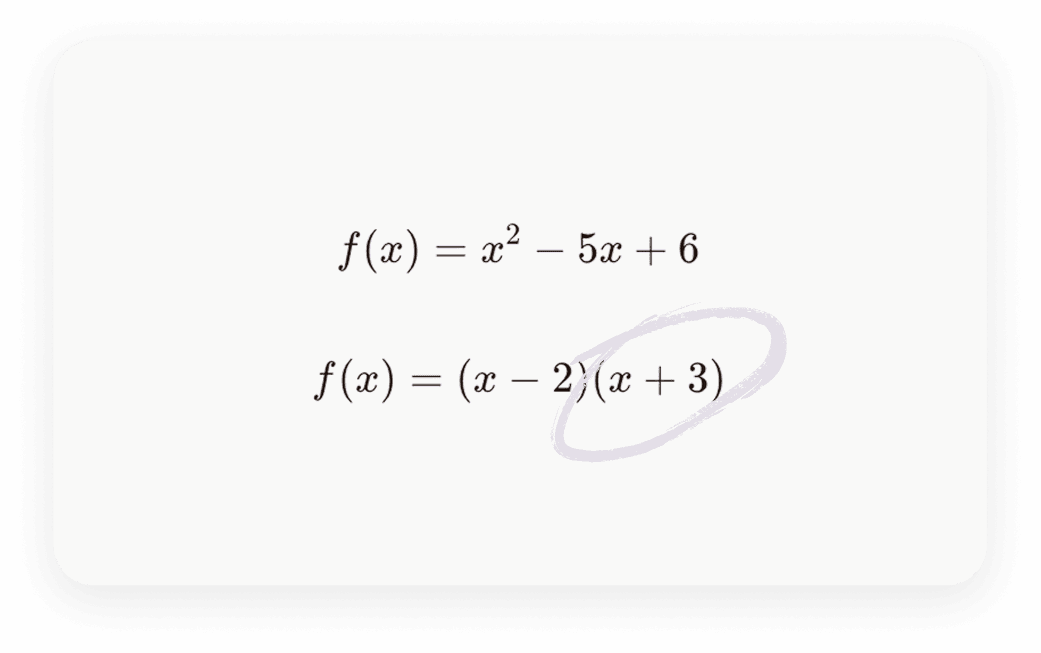
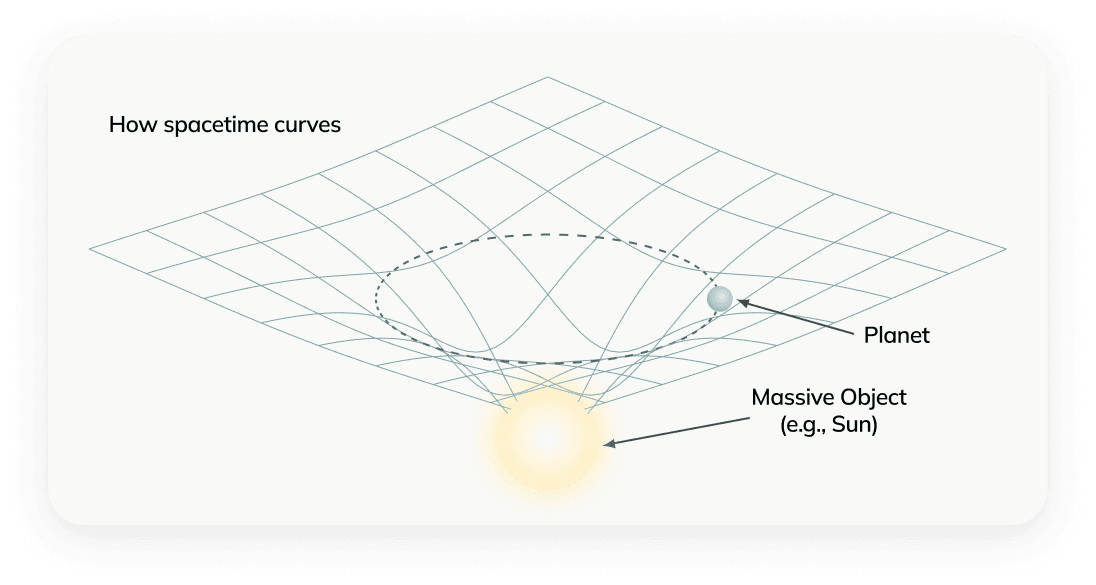
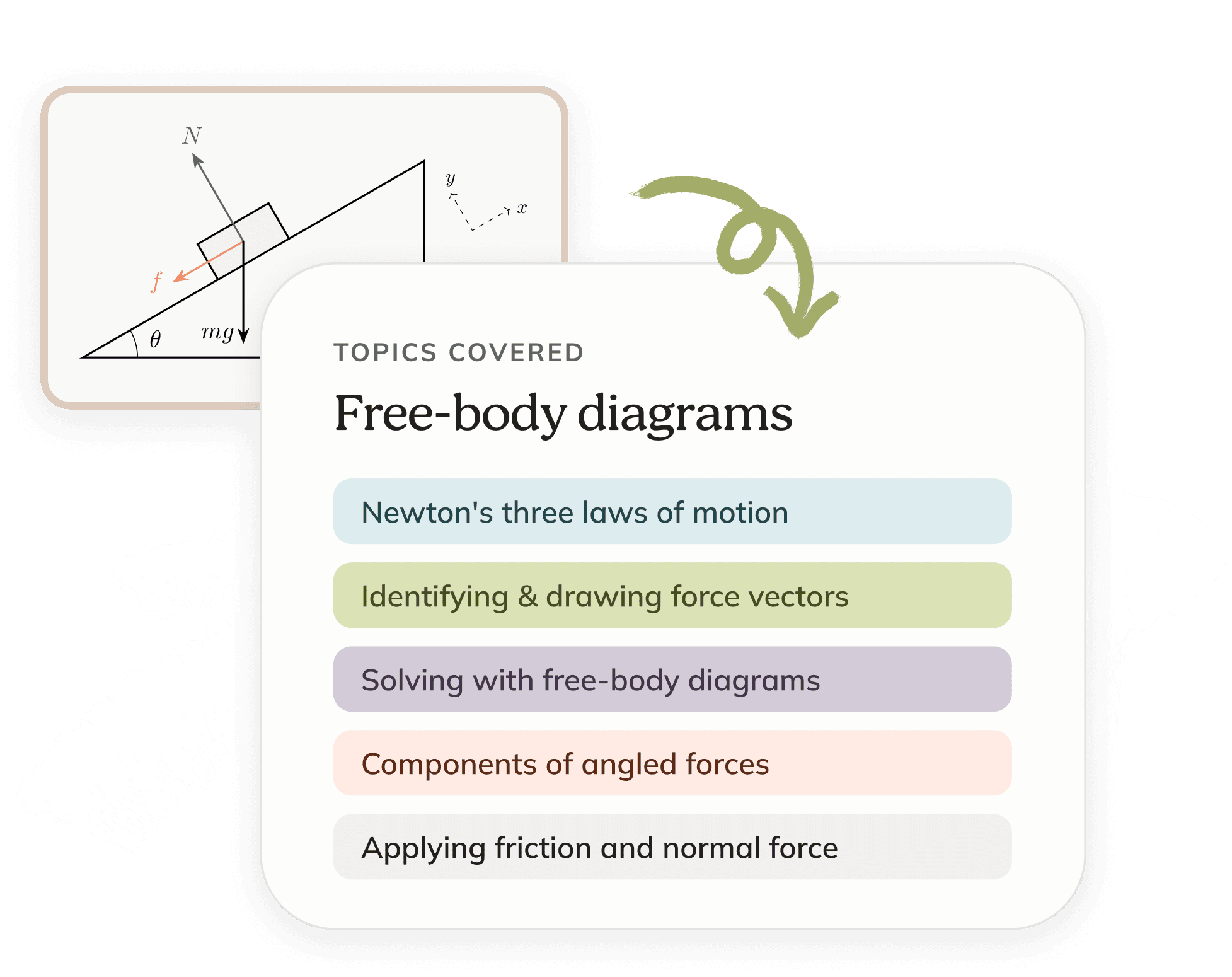
Aristotle draws steps, diagrams, and images to help you learn visually.
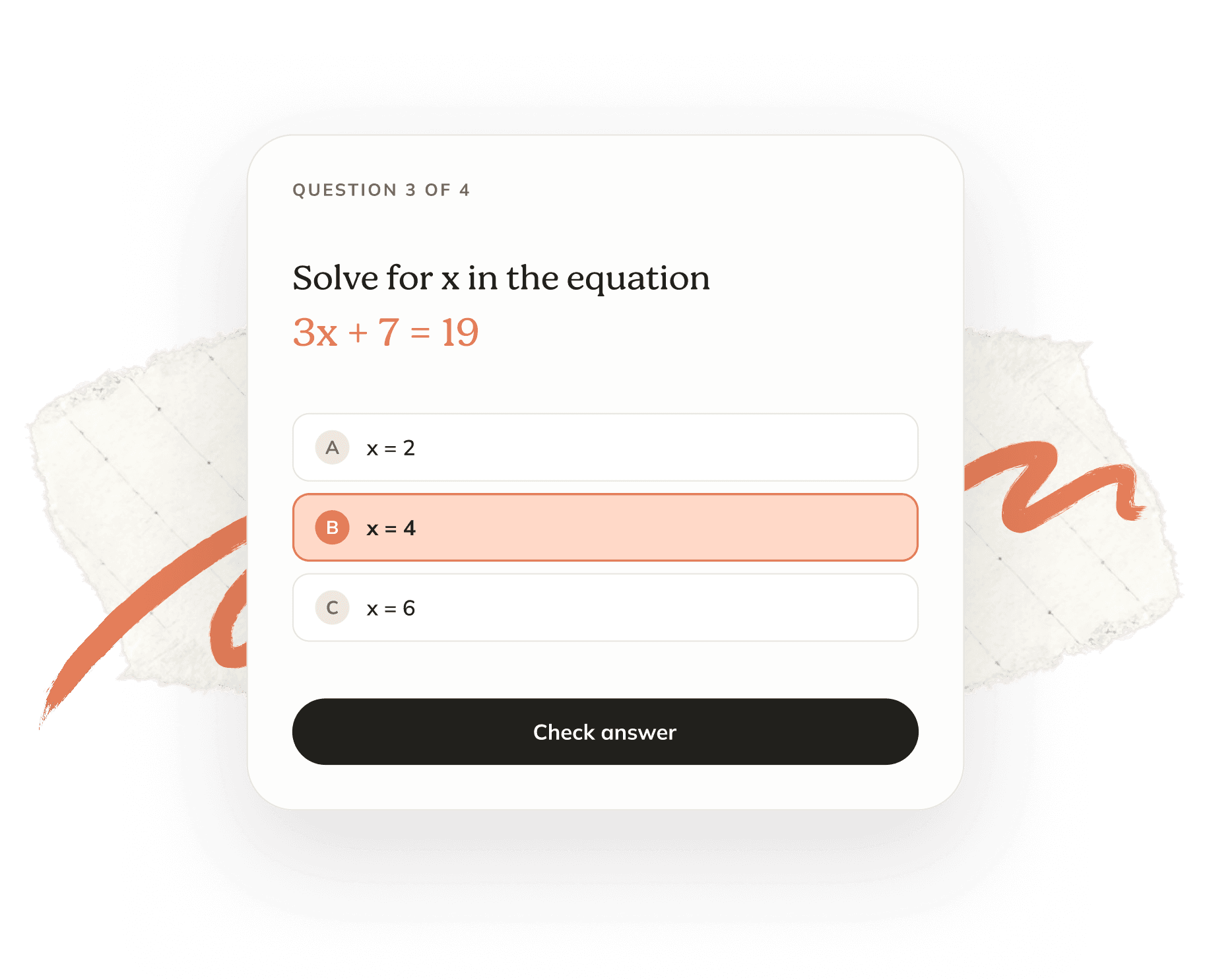
Get practice problems tailored to the exact topics you’re struggling with.
From middle-school math to AP exams to SAT/ACT prep. We also build custom plans matched to state standards and specific courses.
Revisit session summaries, session whiteboards, and uploads in one place.
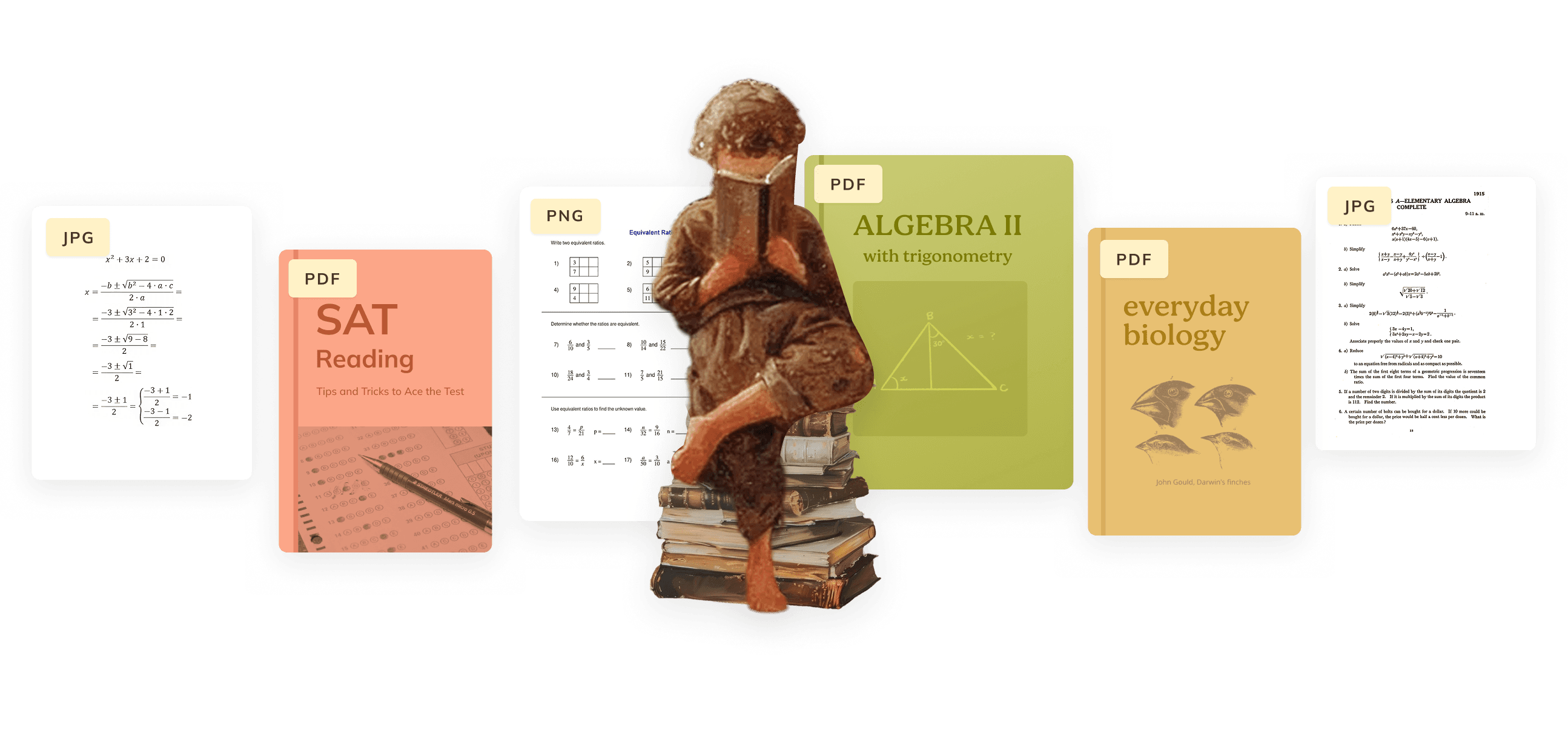
Aristotle can read and navigate any PDFs and images with the learner. That includes textbooks with hundreds of pages!
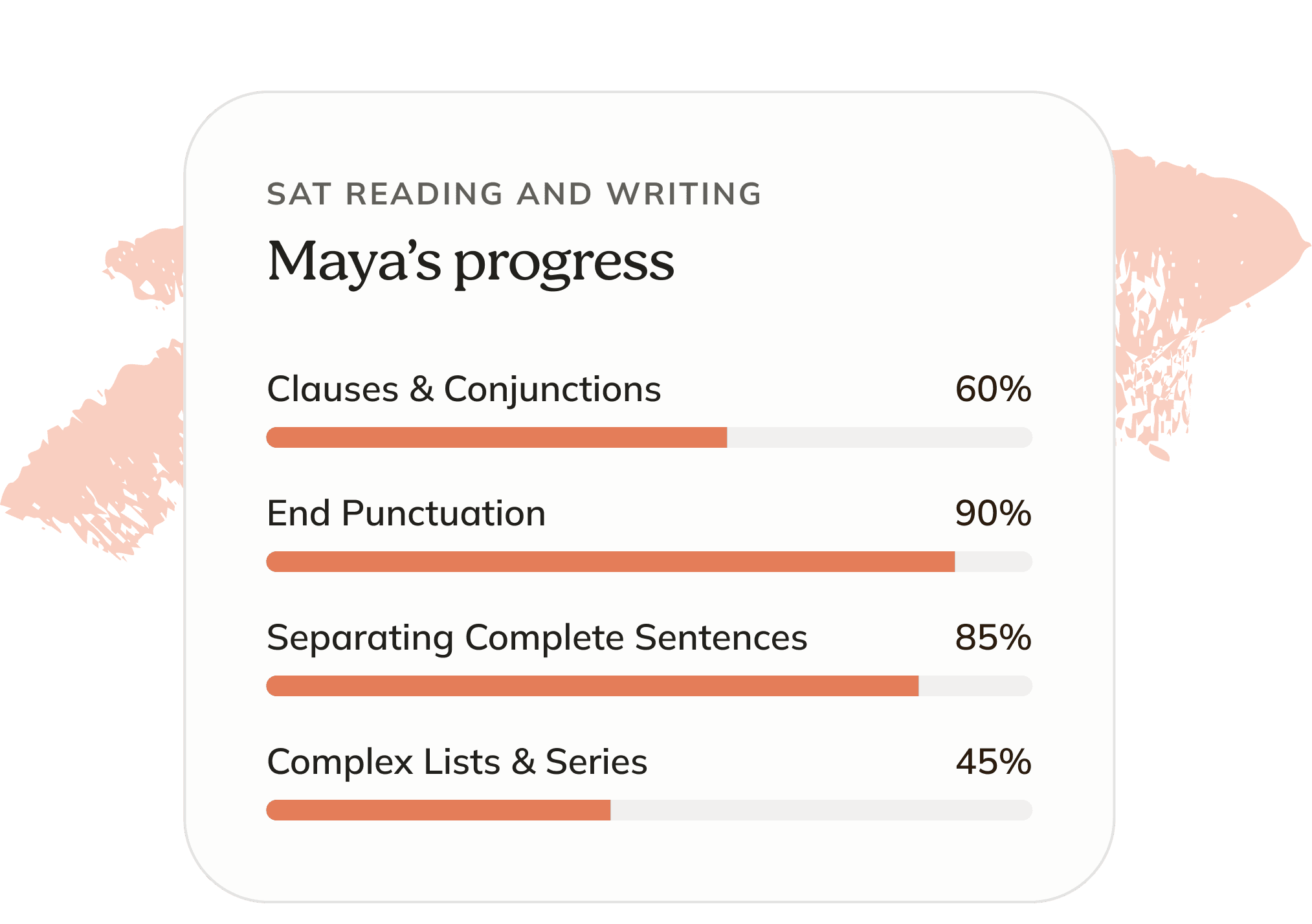
We break all subjects down into granular skills, then track mistakes and mastery on each one. Parents can see the whole picture at a glance.
Aristotle remembers every session: what you’ve covered, where you got stuck, how you like things explained. It picks up right where you left off.
The curriculum
Aristotle is designed to always know what to teach at exactly the right time.
Sample curriculum
* Click a topic to see the skills inside
Historical thinking and assessment craft
Core content Option A: the nineteenth century, 1848-1914
Core content Option B: international relations from 1919
Depth study A: The First World War, 1914-18
Depth study B: Germany, 1918-45
Depth study C: Russia, 1905-41
Depth study D: The United States, 1919-41
Depth study E: The Second World War in Europe and the Asia-Pacific, 1939-c.1945
IGCSE History tutoring curriculum172 skills across 8 units
Historical thinking and assessment craft
Every mark in this qualification is awarded through these skills. Topics: Historical concepts, Document questions and source evidence, Structured essay questions, Coursework and the significance essay.
Core content Option A: the nineteenth century, 1848-1914
One of two Core options, check which the school teaches before revising any of it. Topics: Were the revolutions of 1848 important?, How was Italy unified?, How was Germany unified?, Why was there a civil war in the United States and what were its results?, Why, and with what effects, did nations gain and expand their overseas empires in the nineteenth century?, What caused the First World War?.
Core content Option B: international relations from 1919
The other Core option, and the one most schools teach. Topics: Was the Treaty of Versailles fair?, To what extent was the League of Nations a success?, How far was Hitler's foreign policy to blame for the outbreak of war in Europe in 1939?, Who was to blame for the Cold War?, How effectively did the United States contain the spread of communism?, How secure was the USSR's control over Eastern Europe, 1948-c.1989?.
Depth study A: The First World War, 1914-18
One of five depth studies, of which every candidate takes at least one. Topics: Why was there stalemate on the Western Front?, To what extent was it a world war?, How important were other fronts?, Why did Germany ask for an armistice in 1918?.
Depth study B: Germany, 1918-45
One of five depth studies. Topics: Was the Weimar Republic doomed from the start?, Why was Hitler able to dominate Germany by 1934?, How effectively did the Nazis control Germany, 1933-45?, What was it like to live in Nazi Germany?.
Depth study C: Russia, 1905-41
One of five depth studies. Topics: Why did the Tsarist regime collapse in 1917?, How did the Bolsheviks gain power, and how did they consolidate their rule?, How did Stalin gain and hold on to power?, What was the impact of Stalin's economic policies?.
Depth study D: The United States, 1919-41
One of five depth studies. Topics: How far did the US economy boom in the 1920s?, How far did US society change in the 1920s?, What were the causes and consequences of the Wall Street Crash?, How successful was the New Deal?.
Depth study E: The Second World War in Europe and the Asia-Pacific, 1939-c.1945
One of five depth studies. Topics: How did the Second World War in Europe develop?, How did the Second World War in the Asia-Pacific develop?, What was the impact of war on civilian populations in Europe and the Asia-Pacific?, How did the Allies achieve victory over the Axis powers?.
My son told me yesterday that we should cancel his human tutor, because Aristotle is doing a better job. The human tutor was $250/hour.

A few things you might wonder before getting started.
Aristotle's IGCSE History course tracks 172 skills across 8 units, mapped to the IGCSE syllabus, including Historical thinking and assessment craft, Core content Option A: the nineteenth century, 1848-1914, and Core content Option B: international relations from 1919. Every skill is linked to the skills it builds on, so the tutor always knows which parts of IGCSE History your child has mastered and what to teach next.
Check out our most recent blog posts.

This could be you
For homework, supporting your child, or anything you’ve always wanted to know more about, Aristotle makes it easy for anyone to learn out loud.