IB syllabus
Every IB Psychology SL skill maps to a topic in the syllabus, so sessions cover what the exams test.

IB Psychology SL
Pioneered by Stanford AI researchers and learning scientists, Aristotle is the world's first voice-based AI tutor. Built for the IB Psychology SL syllabus.
Trusted by families at








Fits your child's IB Psychology SL class
Every IB Psychology SL skill maps to a topic in the syllabus, so sessions cover what the exams test.
Share your teacher's syllabus, textbook, or pacing guide and sessions follow your child's actual class.
Aiming for a 7? Aristotle plans review back from your child's target grade and exam date.
IB exam prep
Aristotle tracks 121 IB Psychology SL skills, finds the ones costing your child points, and plans review back from exam day.
Follows the syllabus, unit by unit.
Your child talks it through. Aristotle coaches from the step that went wrong.
Any time before the exam. No booking.
See what's mastered and what's left.
Features
Talk things through, work side by side, and come back next time to a tutor who remembers where you left off.
Ask questions out loud, hear explanations in Aristotle’s voice, and interrupt whenever you need to.
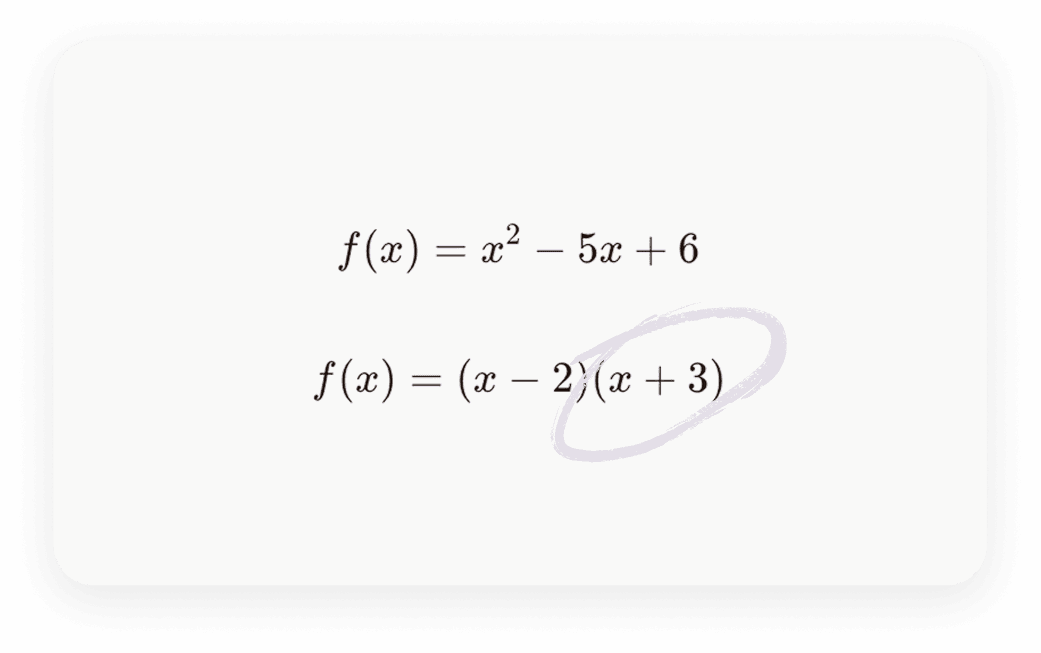
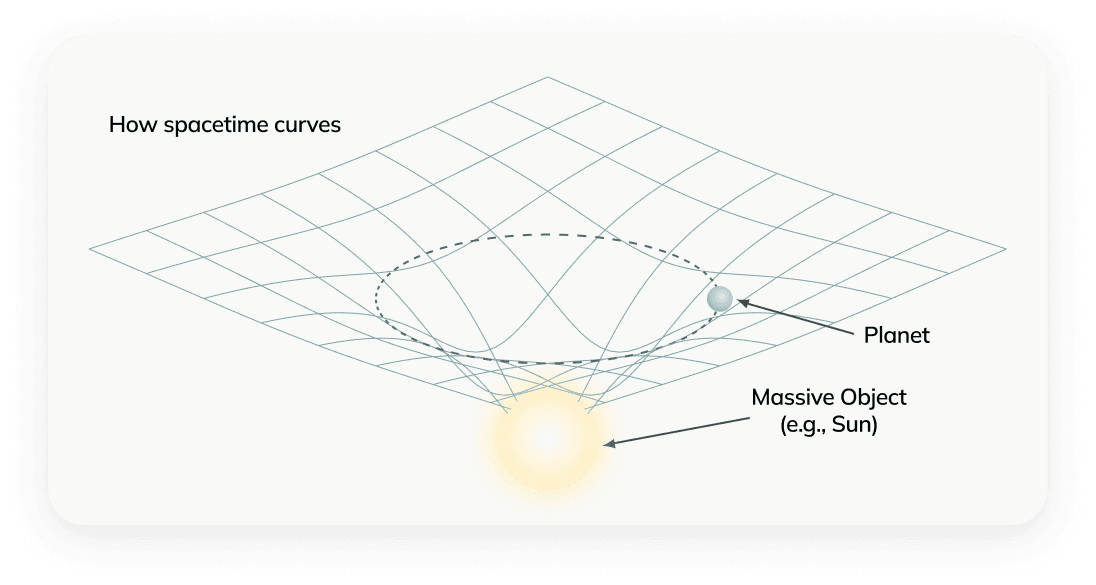
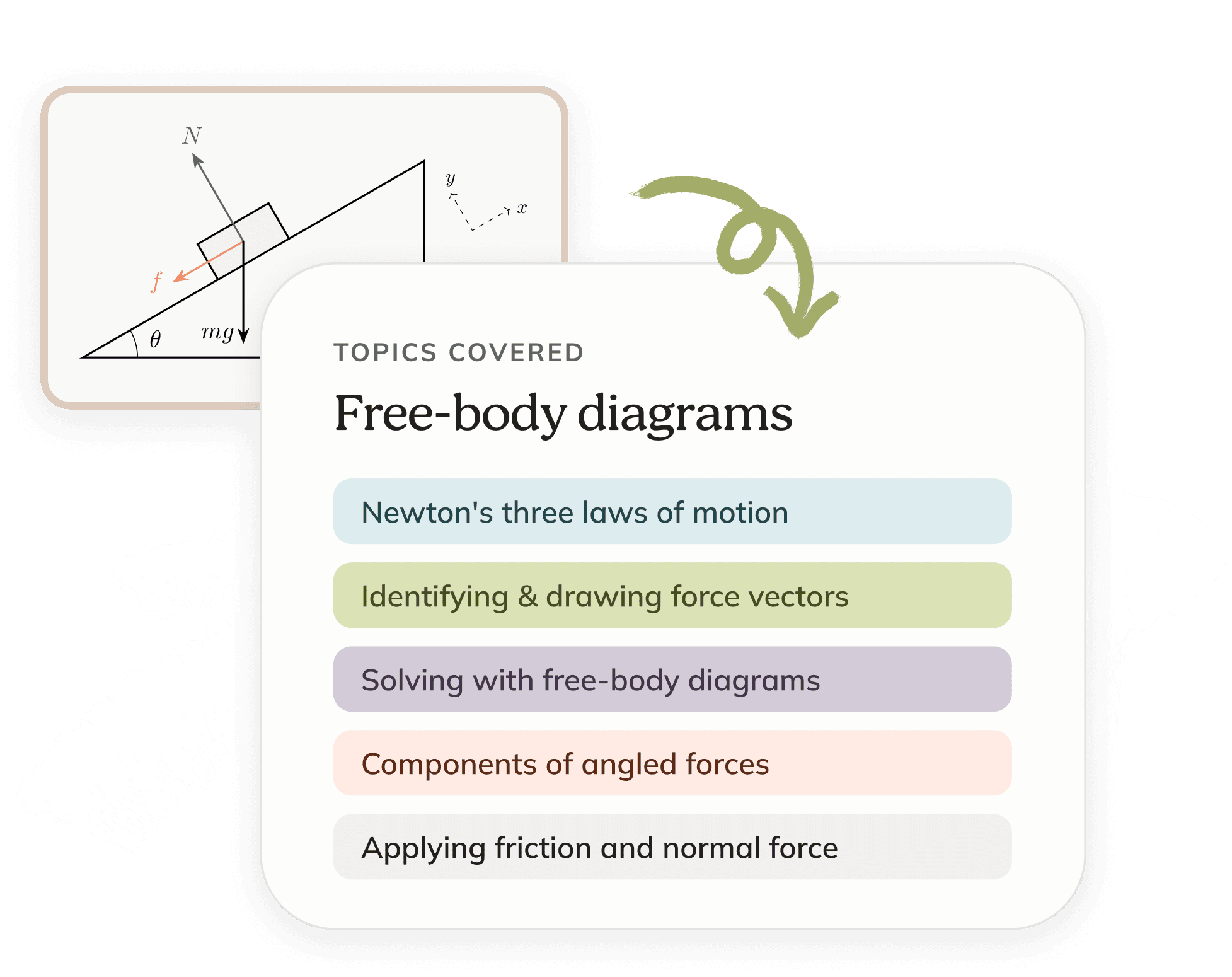
Aristotle draws steps, diagrams, and images to help you learn visually.
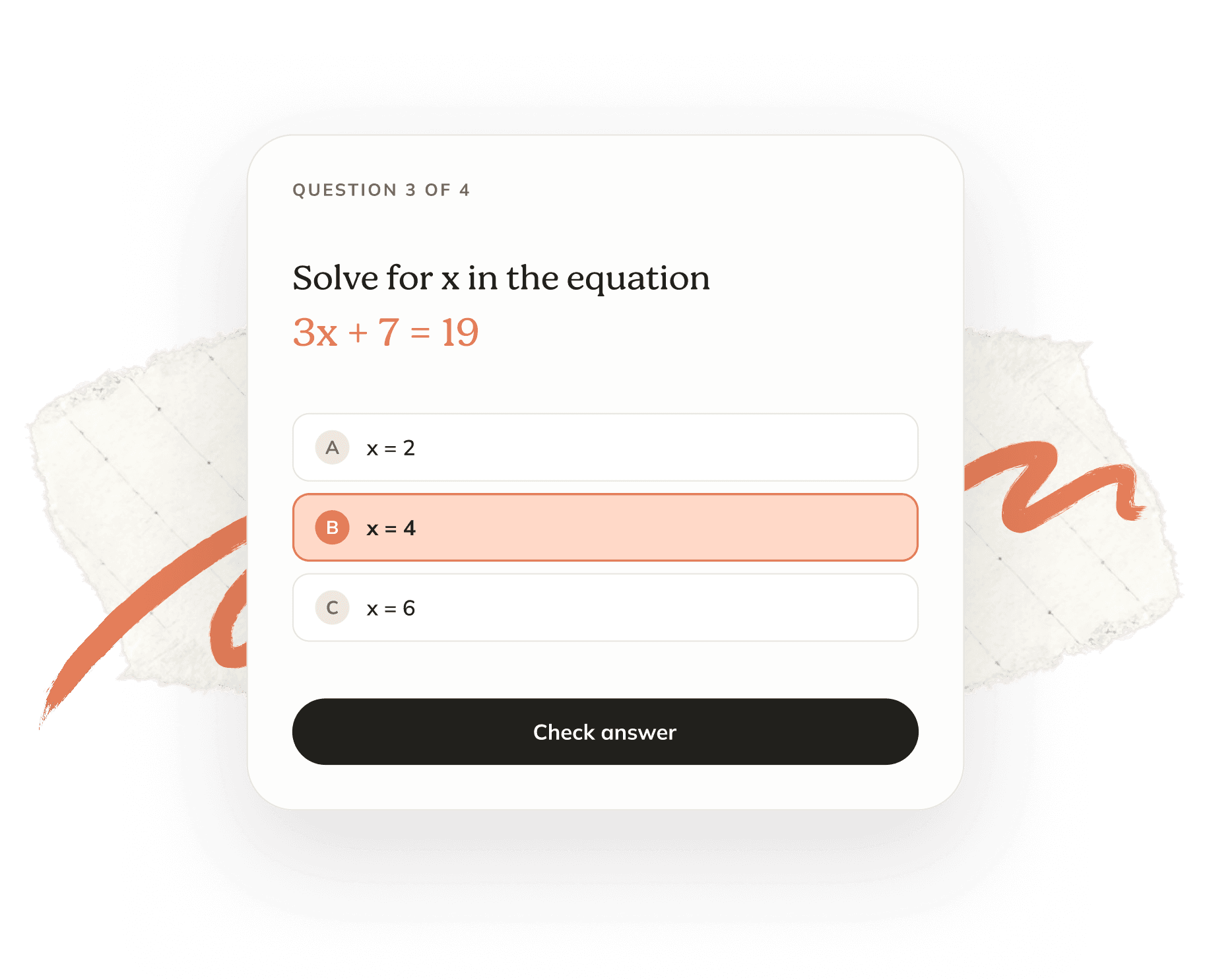
Get practice problems tailored to the exact topics you’re struggling with.
From middle-school math to AP exams to SAT/ACT prep. We also build custom plans matched to state standards and specific courses.
Revisit session summaries, session whiteboards, and uploads in one place.
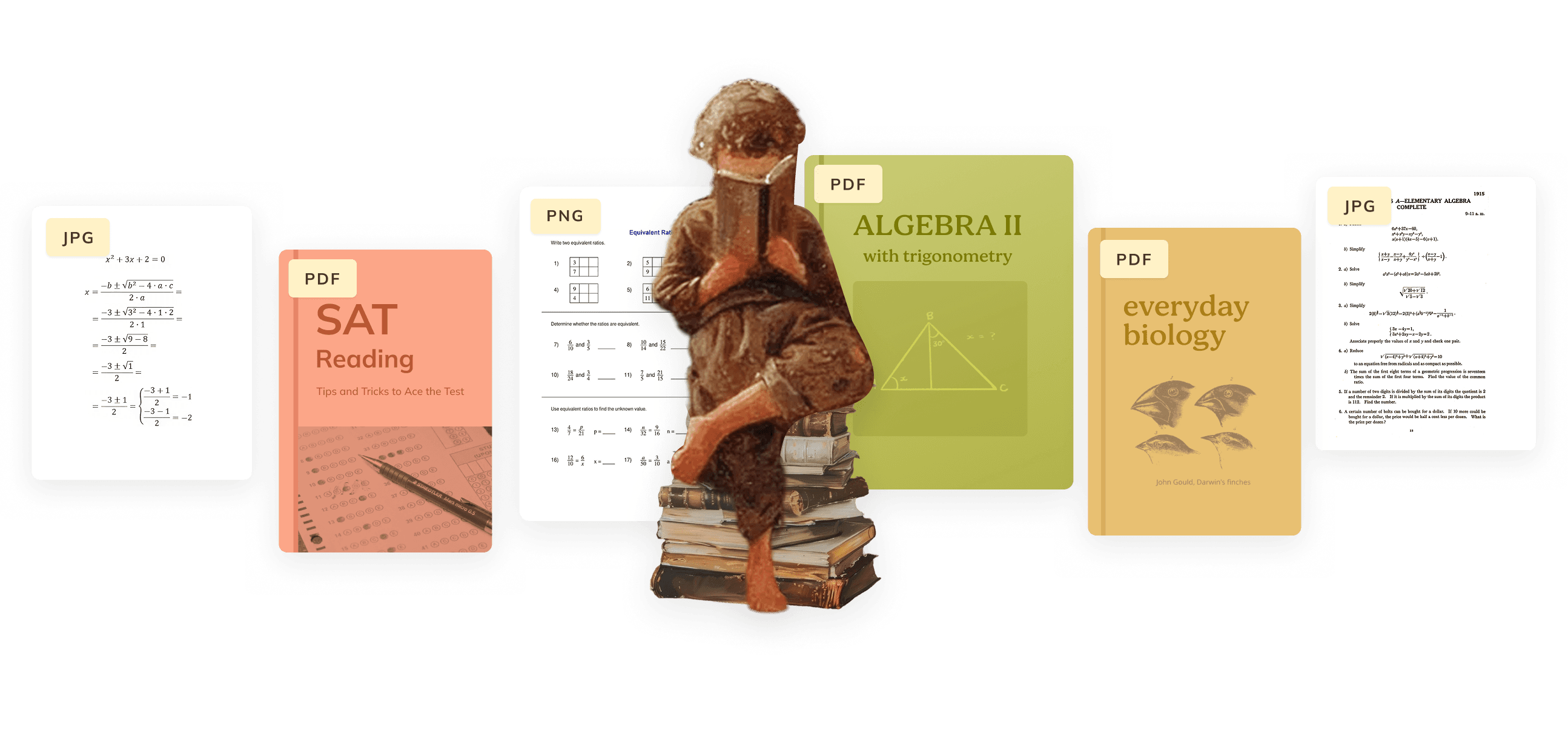
Aristotle can read and navigate any PDFs and images with the learner. That includes textbooks with hundreds of pages!
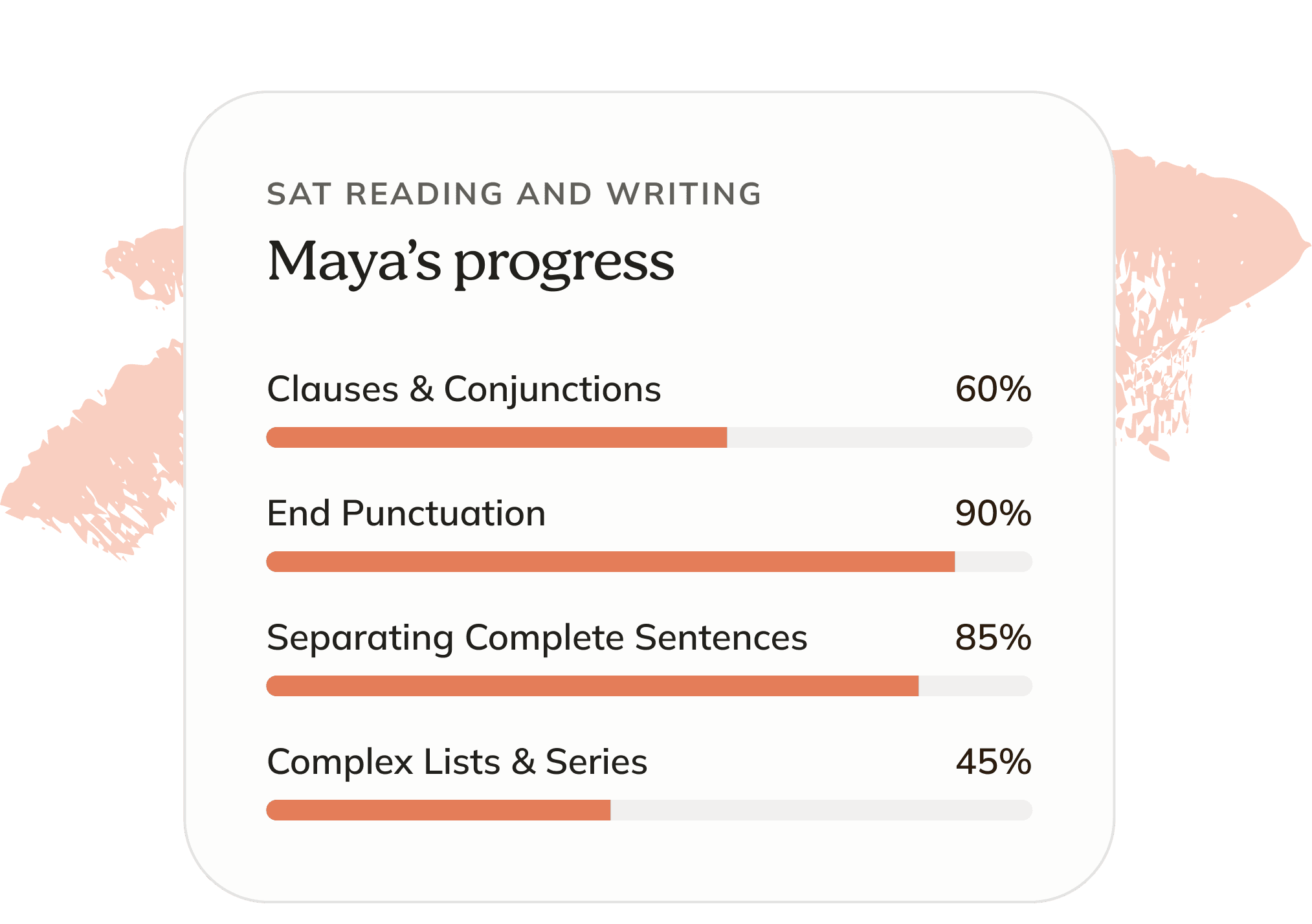
We break all subjects down into granular skills, then track mistakes and mastery on each one. Parents can see the whole picture at a glance.
Aristotle remembers every session: what you’ve covered, where you got stuck, how you like things explained. It picks up right where you left off.
The curriculum
Aristotle is designed to always know what to teach at exactly the right time.
Sample curriculum
* Click a topic to see the skills inside
The six psychological concepts
Content: the biological approach
Content: the cognitive approach
Content: the sociocultural approach
Content: research methodology
Context: health and well-being
Context: human development
Context: human relationships
Context: learning and cognition
Assessment craft and the research proposal
IB Psychology SL tutoring curriculum121 skills across 10 units
The six psychological concepts
Bias, causality, change, measurement, perspective and responsibility provide ways to interrogate psychological evidence and its applications. Topics: Bias, Causality, Change, Measurement, Perspective, Responsibility.
Content: the biological approach
The biological approach explains behaviour through brain function, chemical signalling and genetic influences interacting with the environment. Topics: Investigating biological explanations, Genetic and environmental influences, Localization and neuroplasticity, Chemical messengers and neurotransmission.
Content: the cognitive approach
This unit explains behaviour through learning processes and the processing of information. Topics: Classical and operant conditioning, Cognitive load and cognitive models, Schema theory, Dual processing and decision biases.
Content: the sociocultural approach
This unit explains how social interaction, group membership and culture shape behaviour. Topics: Dissonance, compliance and conformity, Cultural dimensions and research perspectives, Enculturation and acculturation, Social identity and social learning.
Content: research methodology
This unit examines how psychologists select methods, recruit participants and judge the quality and ethics of research. Topics: Research methods and class practicals, Sampling techniques, Research considerations, Ethics in research and class practicals.
Context: health and well-being
Apply psychological explanations and evidence to mental health disorders, health problems, and their prevention or treatment. Topics: Mental health disorders, Health problems, Prevention and treatment.
Context: human development
Explain changes in behaviour and cognition through biological and sociocultural influences, models of development, and the development of self. Topics: Models of development, Development of self.
Context: human relationships
This context explains group behaviour and interpersonal relationships using psychological theories and evidence. Topics: Group behaviour, Interpersonal relationships.
Context: learning and cognition
This context examines how people learn, make decisions and carry out cognitive processes. Topics: Thinking and learning, Cognitive processes.
Assessment craft and the research proposal
Construct responses that meet the different demands of Papers 1 and 2. Topics: Paper 1 response craft, Paper 2 research responses, Designing the research-proposal IA.
My son told me yesterday that we should cancel his human tutor, because Aristotle is doing a better job. The human tutor was $250/hour.

A few things you might wonder before getting started.
Aristotle's IB Psychology SL course tracks 121 skills across 10 units, mapped to the IB subject guide, including The six psychological concepts, Content: the biological approach, and Content: the cognitive approach. Every skill is linked to the skills it builds on, so the tutor always knows which parts of IB Psychology SL your child has mastered and what to teach next.
Check out our most recent blog posts.

This could be you
For homework, supporting your child, or anything you’ve always wanted to know more about, Aristotle makes it easy for anyone to learn out loud.