Every skill mapped
History on Aristotle is 47 skills across 9 units, each linked to the skills it builds on.

History
Pioneered by Stanford AI researchers and learning scientists, Aristotle is the world's first voice-based AI tutor. A full History course, mapped skill by skill.
Trusted by families at









Features
Talk things through, work side by side, and come back next time to a tutor who remembers where you left off.
Ask questions out loud, hear explanations in Aristotle’s voice, and interrupt whenever you need to.
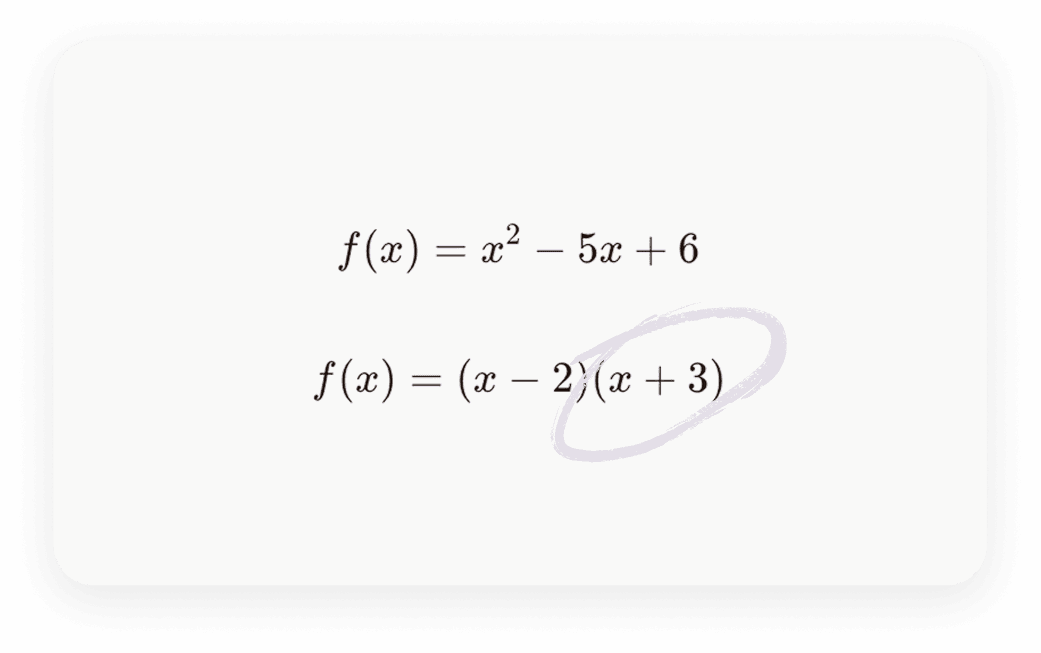
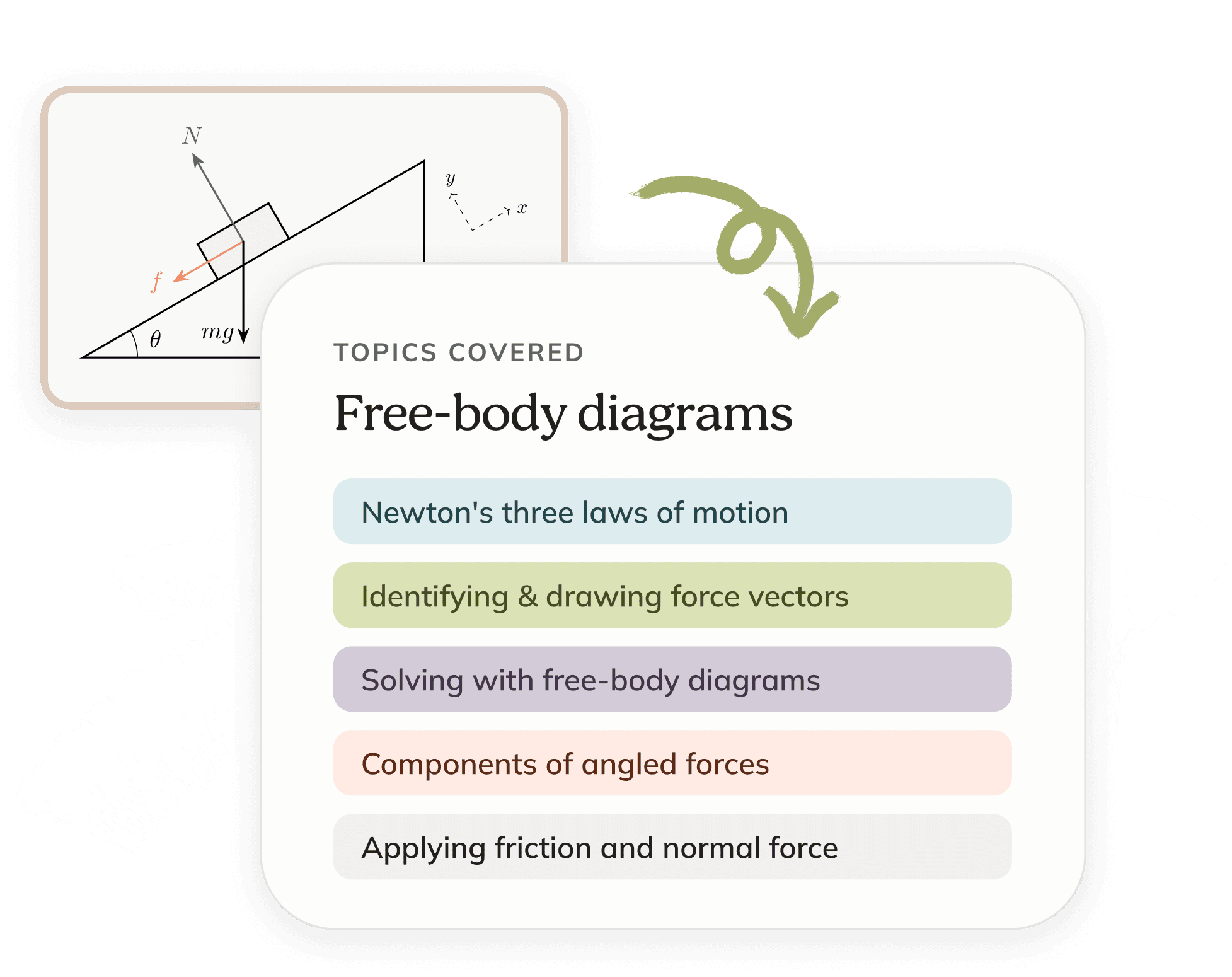
Aristotle draws steps, diagrams, and images to help you learn visually.
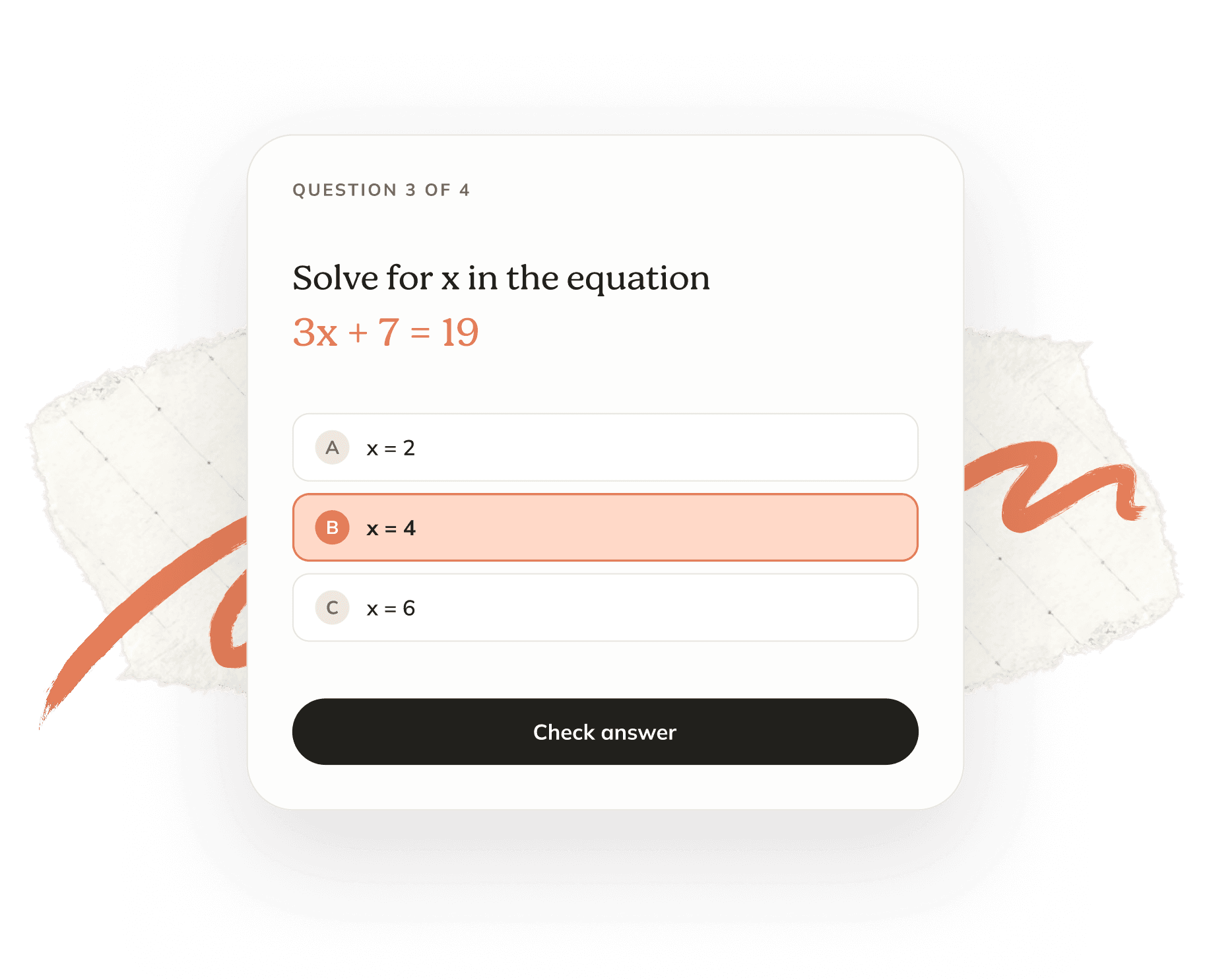
Get practice problems tailored to the exact topics you’re struggling with.
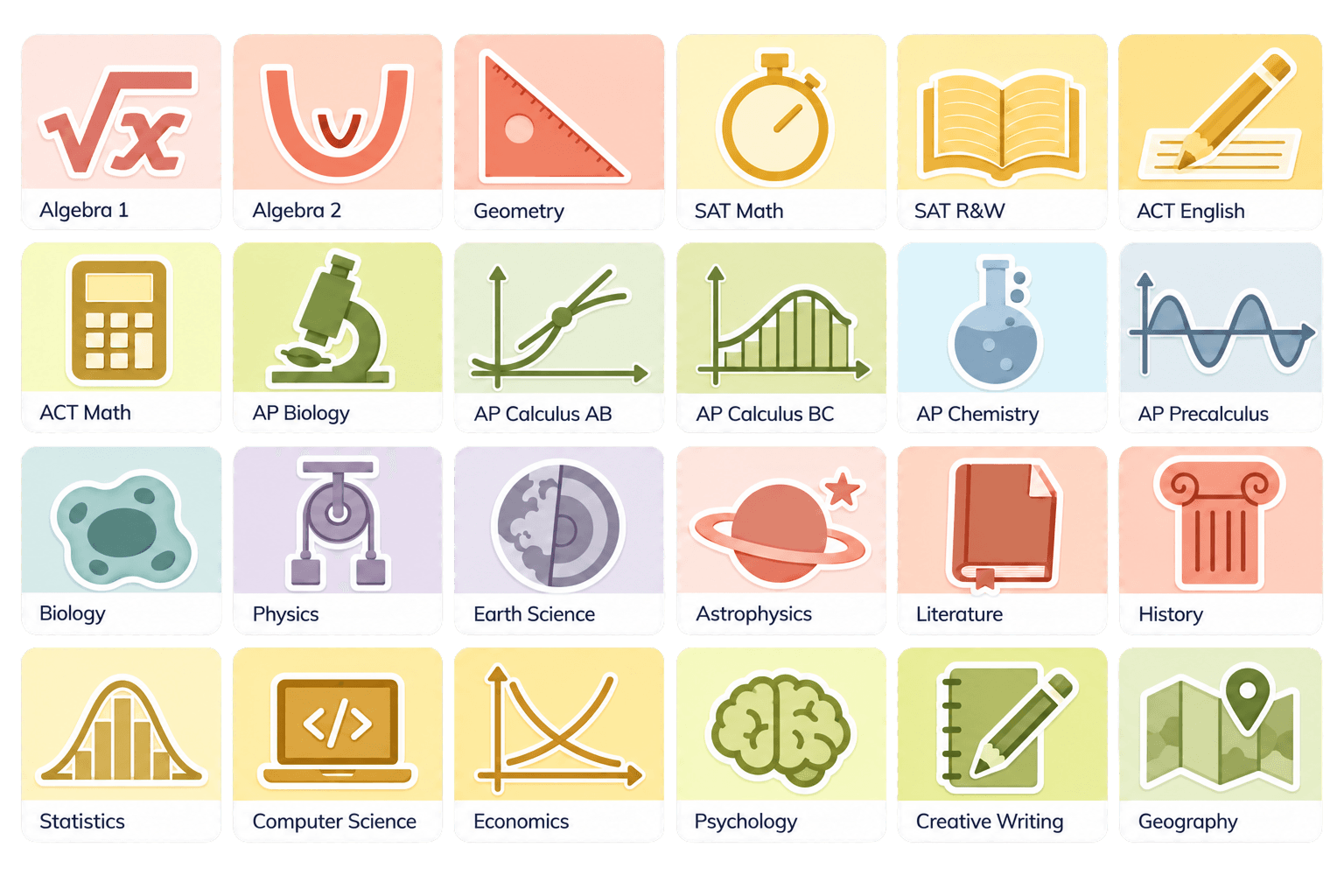
From middle-school math to AP exams to SAT/ACT prep. We also build custom plans matched to state standards and specific courses.
Revisit session summaries, session whiteboards, and uploads in one place.
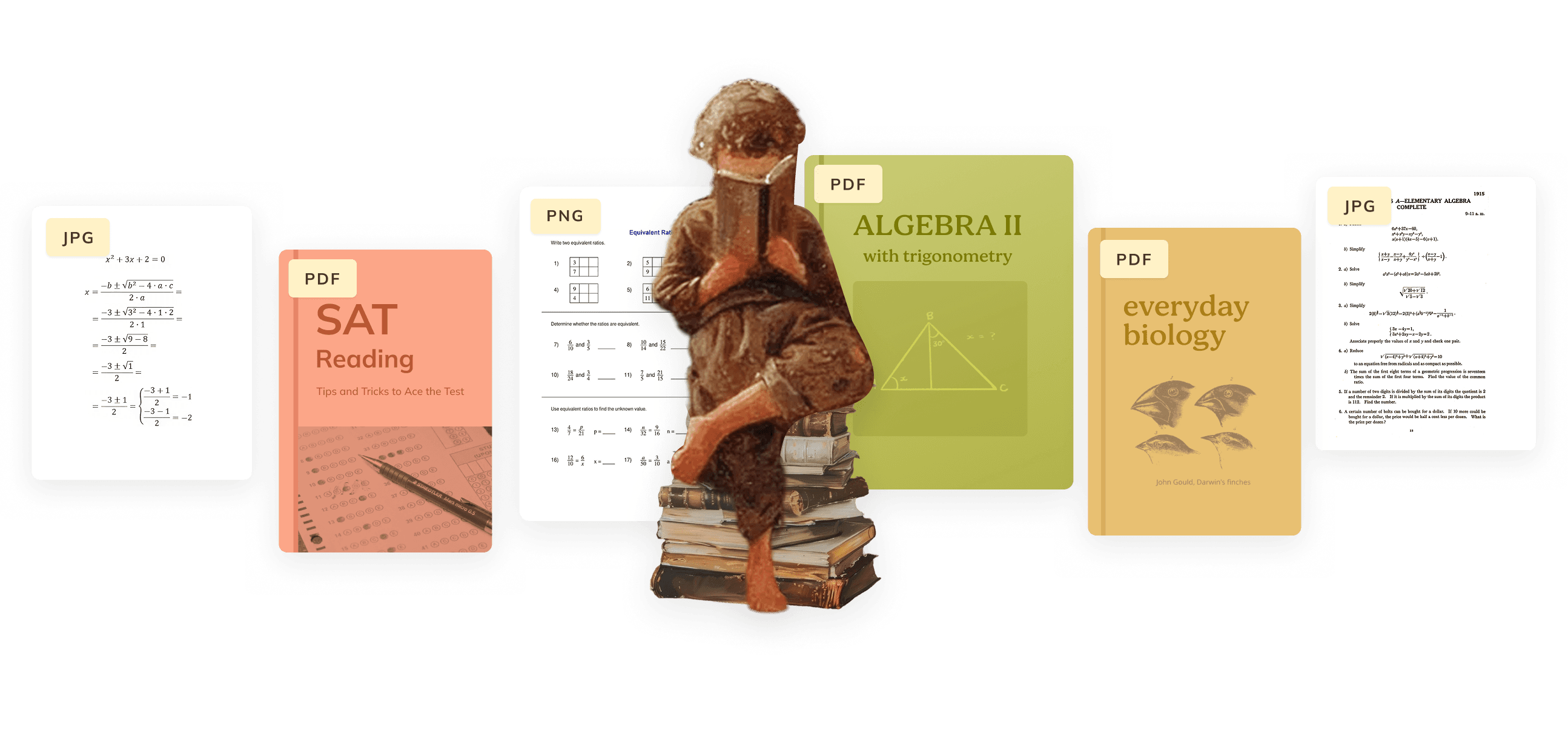
Aristotle can read and navigate any PDFs and images with the learner. That includes textbooks with hundreds of pages!
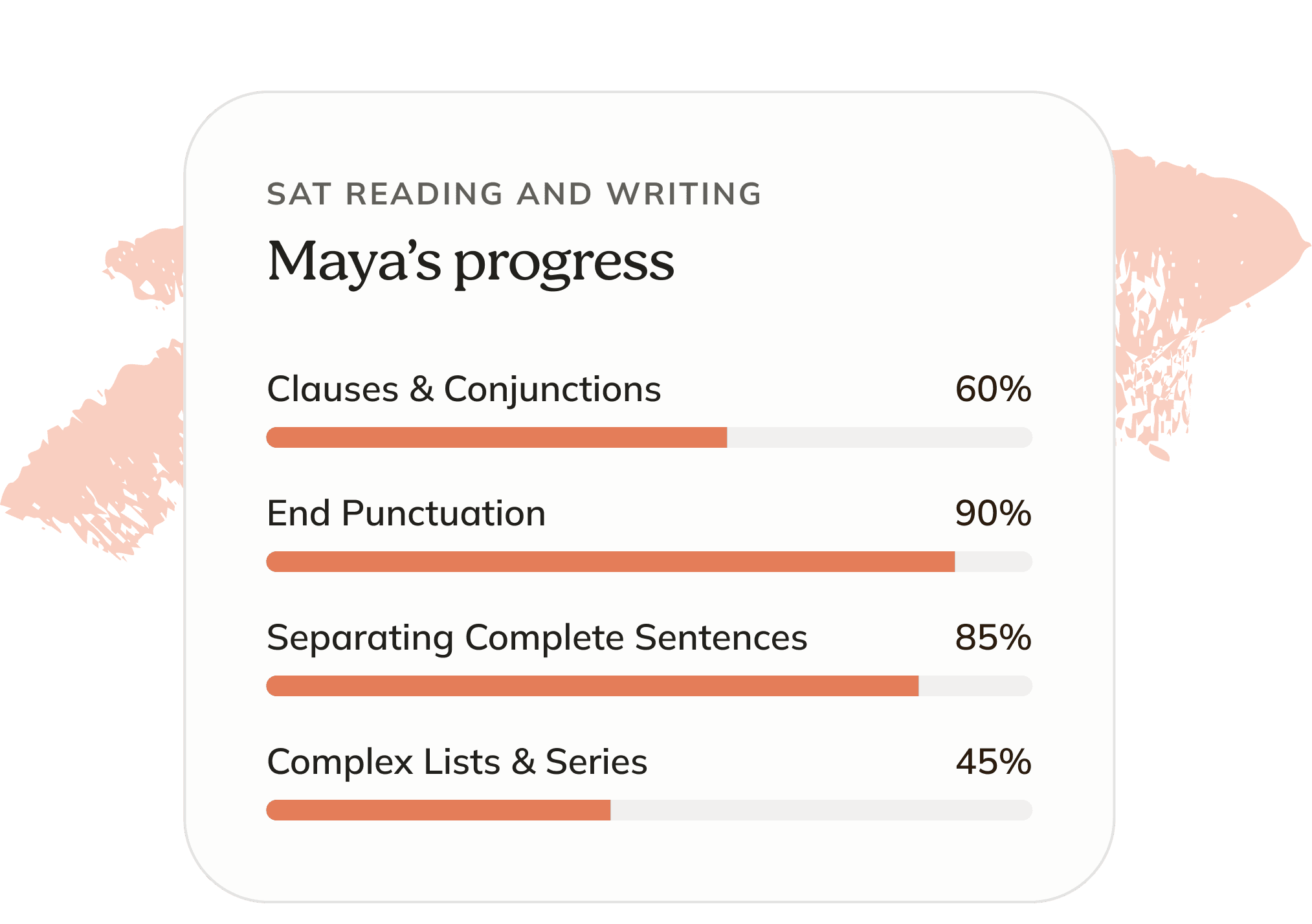
We break all subjects down into granular skills, then track mistakes and mastery on each one. Parents can see the whole picture at a glance.
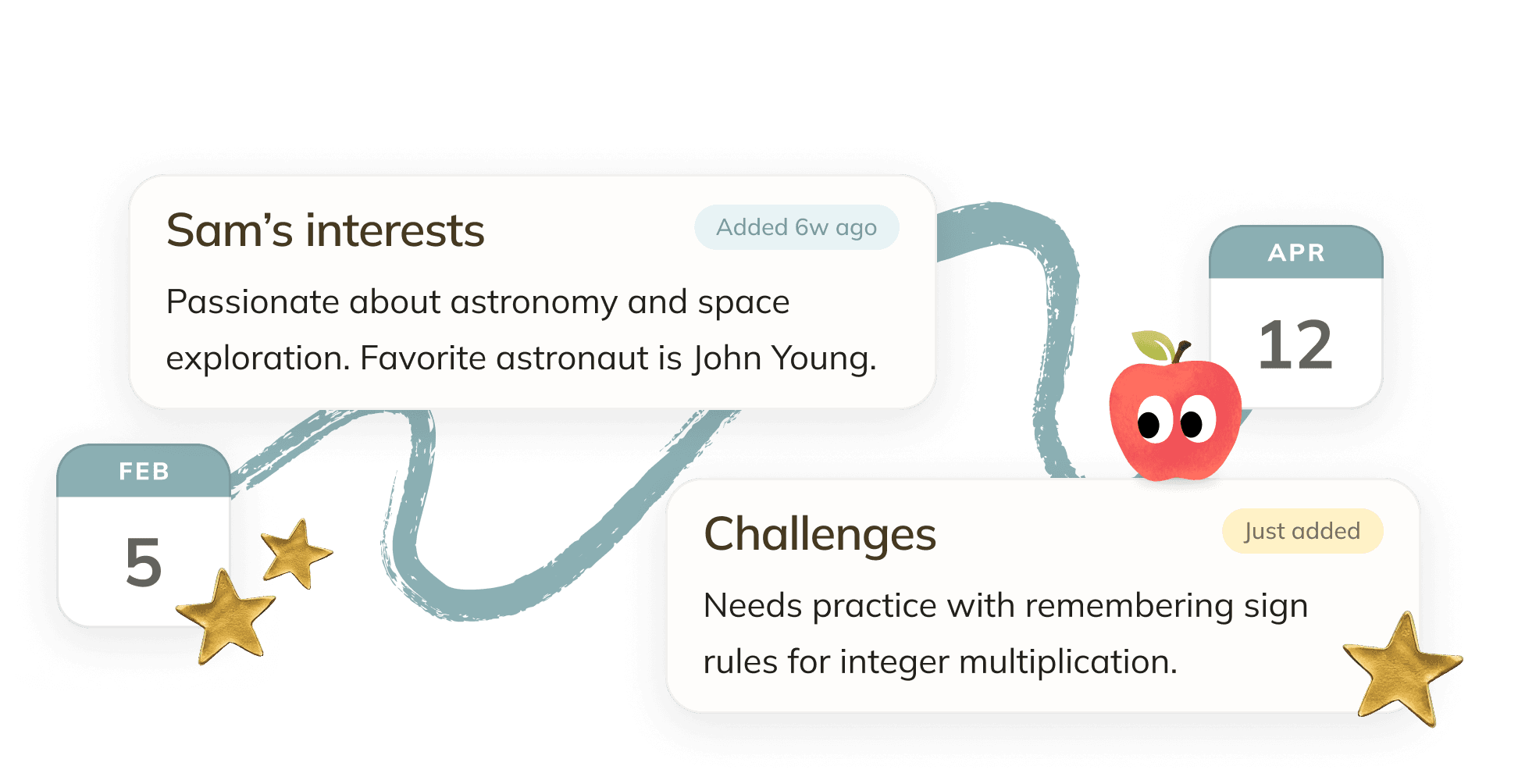
Aristotle remembers every session: what you’ve covered, where you got stuck, how you like things explained. It picks up right where you left off.
The curriculum
Aristotle is designed to always know what to teach at exactly the right time.
Sample curriculum
* Click a topic to see the skills inside
How Do We Know What Happened?
Who Had a Voice in the Ancient World?
Whose Account of an Encounter?
Why Do Revolutions Happen?
Slavery, Emancipation, and Citizenship
How Did Industrialization Change Daily Life?
War, Propaganda, and the Historical Record
Independence and Contested Memory
Doing Your Own Historical Investigation
History tutoring curriculum47 skills across 9 units
How Do We Know What Happened?
Start with surviving traces and learn what kinds of claims they can support. Topics: A City Seen Through Its Remains, Putting Evidence in Time.
Who Had a Voice in the Ancient World?
Use Athens and Rome to investigate citizenship, public persuasion, and excluded perspectives. Topics: Athens: Democracy and Its Limits, Rome: Republic, Empire, and Public Image.
Whose Account of an Encounter?
Compare accounts across differences in power, language, and purpose. Topics: Travelers: Ibn Battuta and Marco Polo, The Conquest of Mexico, Trade Seen From Different Shores.
Why Do Revolutions Happen?
Investigate causes, ideals, and outcomes through the American, French, and Haitian revolutions. Topics: From Grievances to Revolution, Rights Claimed and Rights Withheld.
Slavery, Emancipation, and Citizenship
Examine freedom as something fought for, defined, and contested after legal change. Topics: Reading Lives Under Slavery, The American Civil War and Reconstruction.
How Did Industrialization Change Daily Life?
Use work, households, and cities to investigate change at more than one scale. Topics: The Factory and the Household, Did Life Get Better?.
War, Propaganda, and the Historical Record
Investigate responsibility and civilian experience while distinguishing evidence from claims about it. Topics: Explaining War and Reading Mobilization, Documenting Atrocity.
Independence and Contested Memory
Follow decolonization, competing national stories, and the afterlives of historical events. Topics: India, Ghana, and Paths to Independence, Monuments, Museums, and Oral History.
Doing Your Own Historical Investigation
Build a small argument whose claims are proportionate to its sources. Topics: Question, Sources, and Argument.
My son told me yesterday that we should cancel his human tutor, because Aristotle is doing a better job. The human tutor was $250/hour.

A few things you might wonder before getting started.
Aristotle's History course tracks 47 skills across 9 units, including How Do We Know What Happened?, Who Had a Voice in the Ancient World?, and Whose Account of an Encounter?. Every skill is linked to the skills it builds on, so the tutor always knows which parts of History your child has mastered and what to teach next.
Check out our most recent blog posts.

This could be you
For homework, supporting your child, or anything you’ve always wanted to know more about, Aristotle makes it easy for anyone to learn out loud.