GCSE syllabus
Every GCSE History skill maps to a topic in the syllabus, so sessions cover what the exams test.

GCSE History
Pioneered by Stanford AI researchers and learning scientists, Aristotle is the world's first voice-based AI tutor. Built for the GCSE History syllabus and exams.
Trusted by families at









Fits your child's GCSE History class
Every GCSE History skill maps to a topic in the syllabus, so sessions cover what the exams test.
Share your teacher's syllabus, textbook, or pacing guide and sessions follow your child's actual class.
Aiming for a 9? Aristotle plans review back from your child's target grade and exam date.
Exam prep
Aristotle tracks 142 GCSE History skills, finds the ones costing your child points, and plans review back from exam day.
Follows the syllabus, unit by unit.
Your child talks it through. Aristotle coaches from the step that went wrong.
Any time before the exam. No booking.
See what's mastered and what's left.
Features
Talk things through, work side by side, and come back next time to a tutor who remembers where you left off.
Ask questions out loud, hear explanations in Aristotle’s voice, and interrupt whenever you need to.
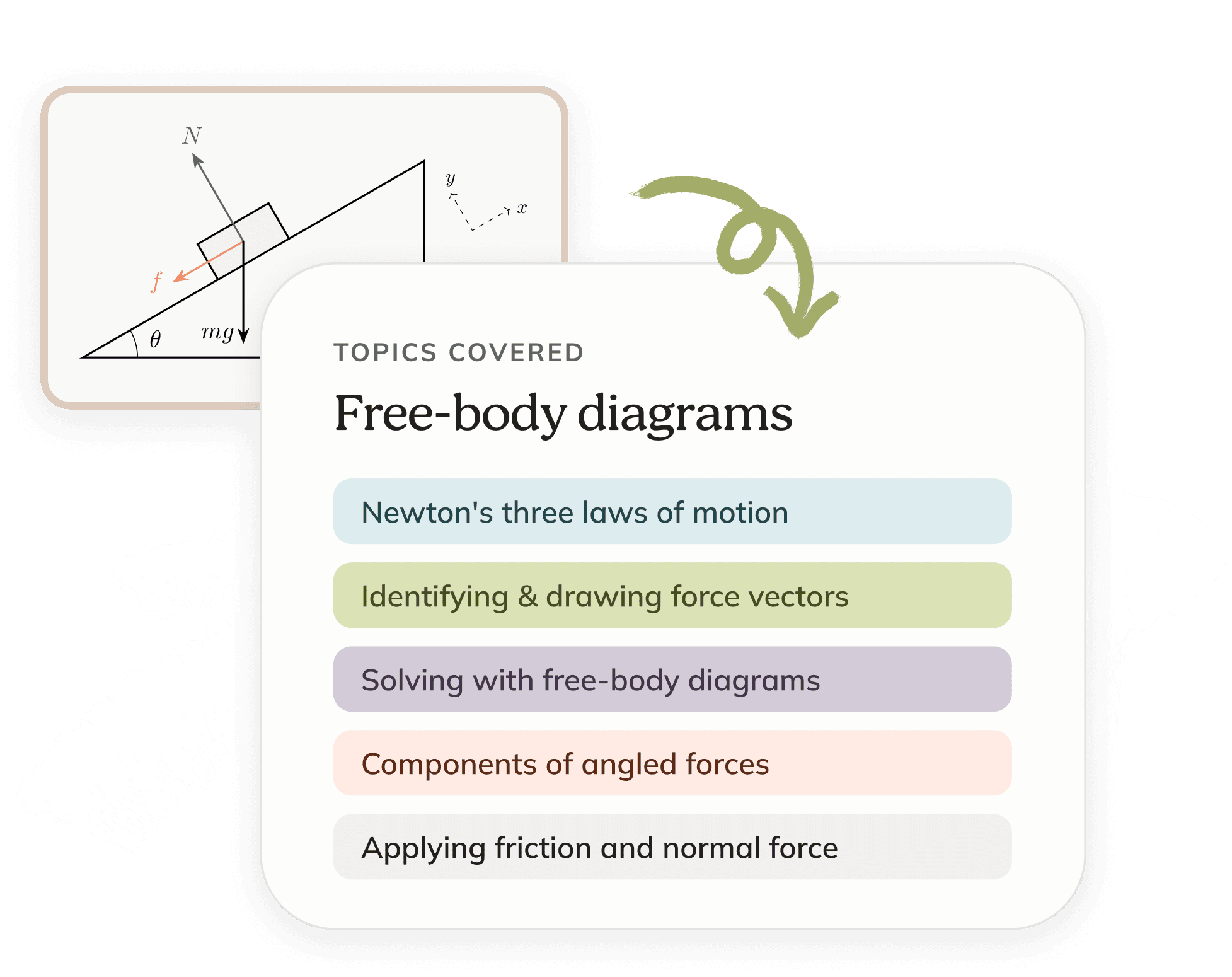
Aristotle draws steps, diagrams, and images to help you learn visually.
Get practice problems tailored to the exact topics you’re struggling with.
From middle-school math to AP exams to SAT/ACT prep. We also build custom plans matched to state standards and specific courses.
Revisit session summaries, session whiteboards, and uploads in one place.
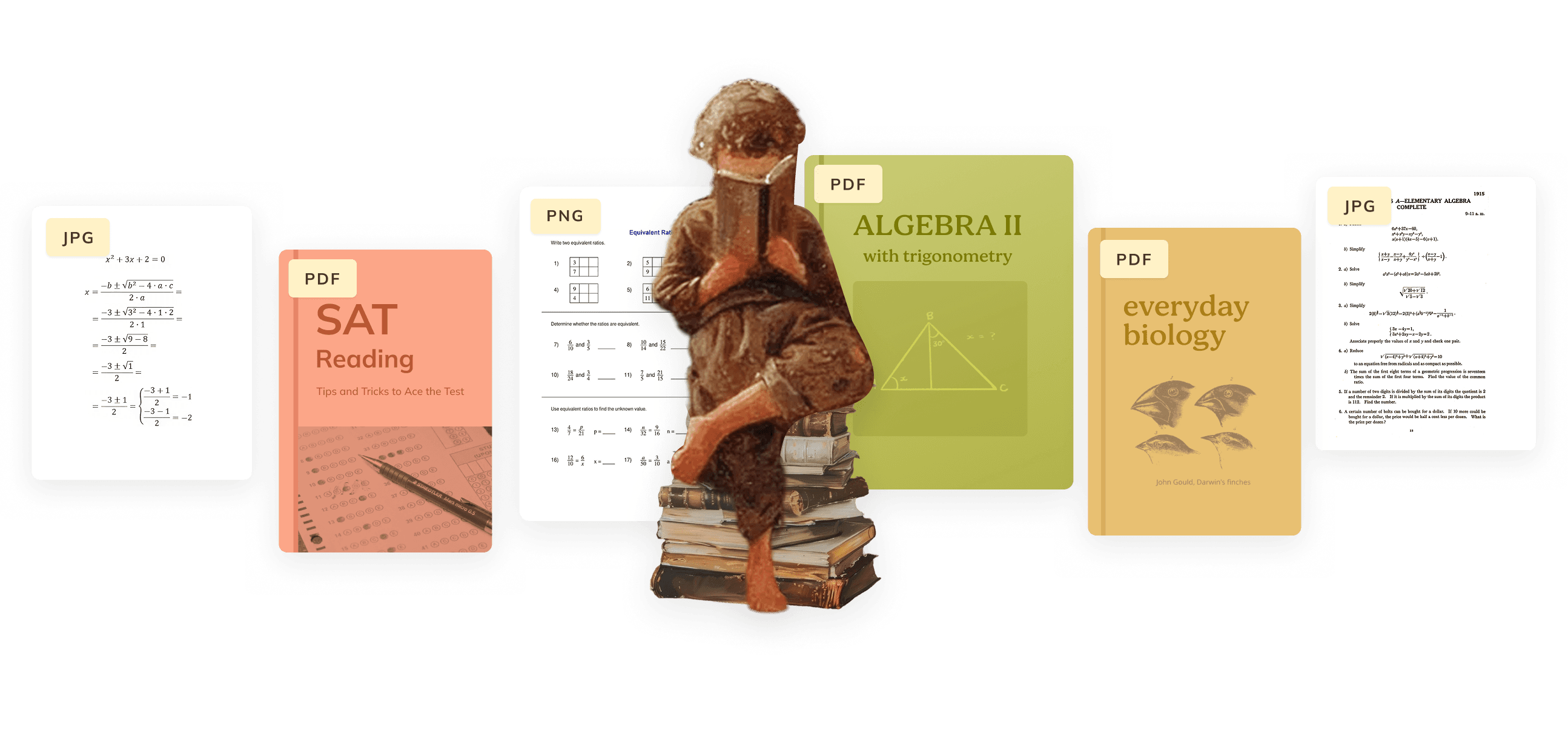
Aristotle can read and navigate any PDFs and images with the learner. That includes textbooks with hundreds of pages!
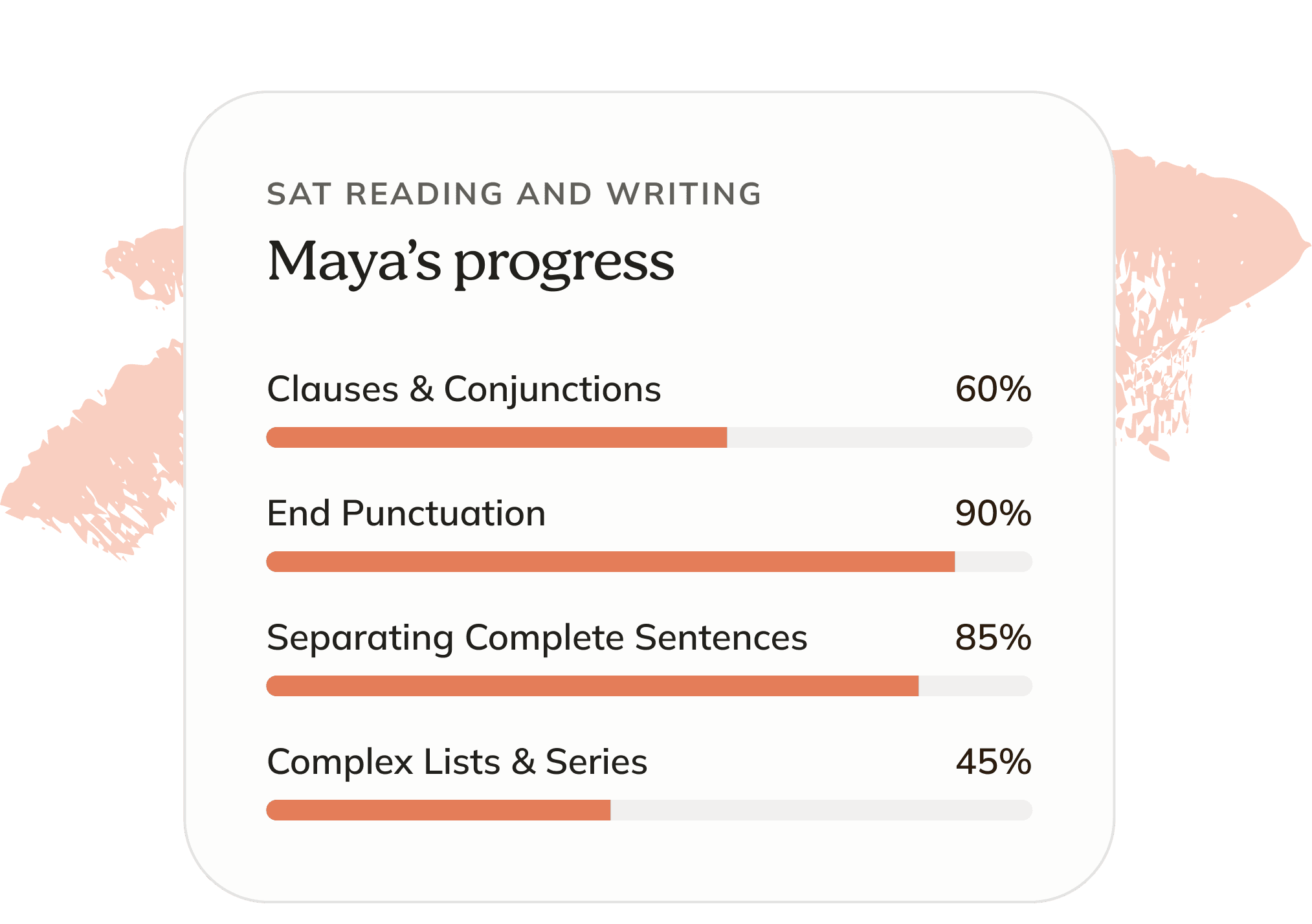
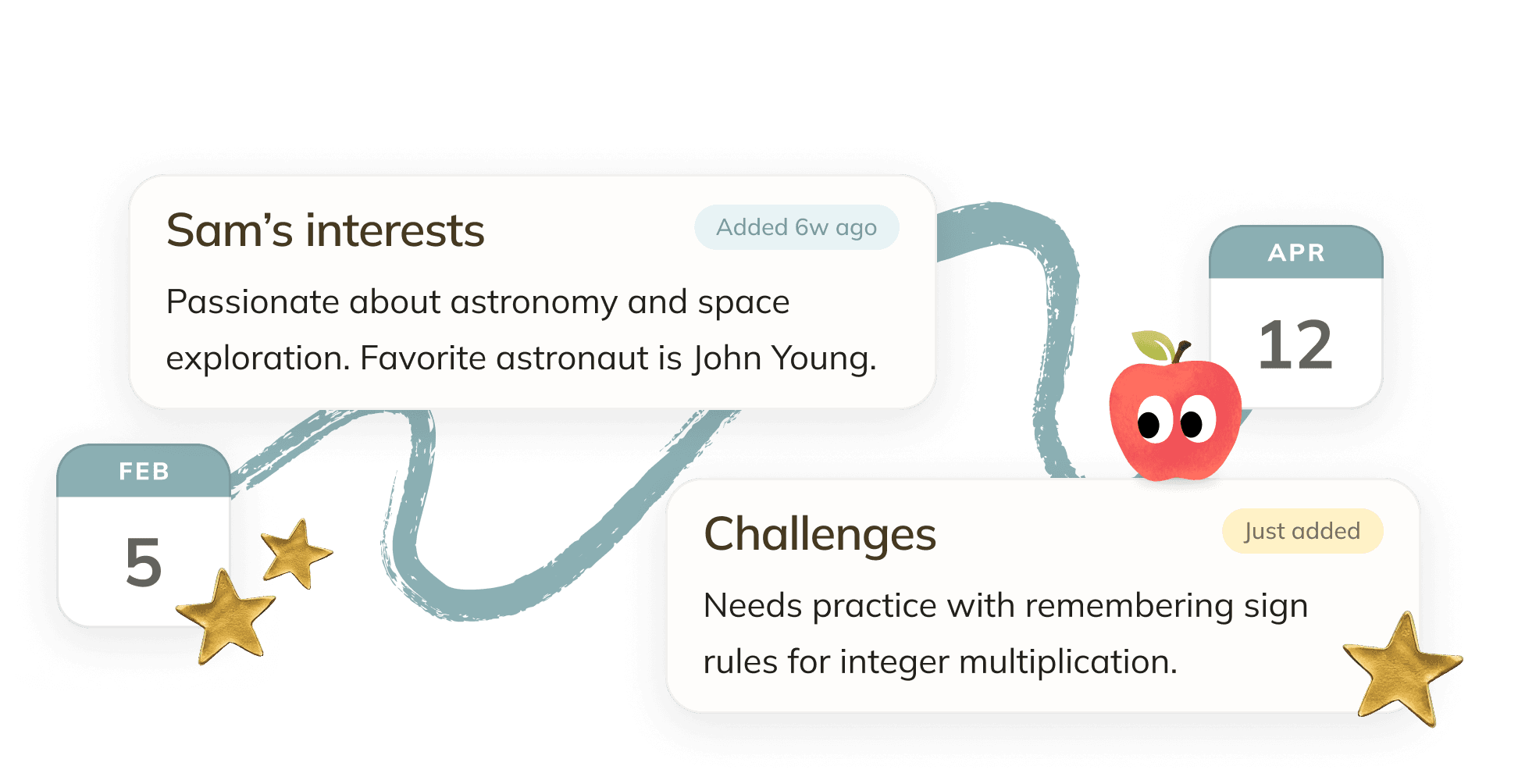
We break all subjects down into granular skills, then track mistakes and mastery on each one. Parents can see the whole picture at a glance.
Aristotle remembers every session: what you’ve covered, where you got stuck, how you like things explained. It picks up right where you left off.
The curriculum
Aristotle is designed to always know what to teach at exactly the right time.
Sample curriculum
* Click a topic to see the skills inside
Historical skills and the shape of the papers
Period study option AB: Germany, 1890–1945
Period study option AD: America, 1920–1973
Wider world depth option BB: the inter-war years, 1918–1939
Wider world depth option BC: East and West, 1945–1972
Wider world depth option BA: the First World War, 1894–1918
Wider world depth option BD: Asia, 1950–1975
Thematic option AA: Health and the people, c1000 to the present day
Thematic option AB: Power and the people, c1170 to the present day
British depth option BC: Elizabethan England, c1568–1603
British depth option BA: Norman England, c1066–c1100
The historic environment
GCSE History tutoring curriculum142 skills across 12 units
Historical skills and the shape of the papers
Everything in this unit applies whichever four options a student's school has chosen. Topics: Second-order concepts, Sources as evidence, Interpretations, Building and writing historical arguments, The question types on each paper.
Period study option AB: Germany, 1890–1945
Only for students entered for the Germany period study, examined in Paper 1 Section A. Topics: Part one: Germany and the growth of democracy, Part two: Germany and the Depression, Part three: The experiences of Germans under the Nazis.
Period study option AD: America, 1920–1973
Only for students entered for the America 1920–1973 period study, examined in Paper 1 Section A. Topics: Part one: American people and the 'Boom', Part two: Bust, the Depression and the New Deal, Part three: Post-war America.
Wider world depth option BB: the inter-war years, 1918–1939
Only for students entered for the inter-war years depth study, examined in Paper 1 Section B. Topics: Part one: Peacemaking, Part two: The League of Nations and international peace, Part three: The origins and outbreak of the Second World War.
Wider world depth option BC: East and West, 1945–1972
Only for students entered for the East and West depth study, examined in Paper 1 Section B. Topics: Part one: The origins of the Cold War, Part two: The development of the Cold War, Part three: Transformation of the Cold War.
Wider world depth option BA: the First World War, 1894–1918
Only for students entered for the First World War depth study, examined in Paper 1 Section B. Topics: Part one: The causes of the First World War, Part two: The First World War, stalemate, Part three: Ending the war.
Wider world depth option BD: Asia, 1950–1975
Only for students entered for the Asia depth study, examined in Paper 1 Section B. Topics: Part one: Conflict in Korea, Part two: Escalation of conflict in Vietnam, Part three: The ending of conflict in Vietnam.
Thematic option AA: Health and the people, c1000 to the present day
Only for students entered for the Health and the people thematic study, examined in Paper 2 Section A. Topics: Part one: Medicine stands still, Part two: The beginnings of change, Part three: A revolution in medicine, Part four: Modern medicine.
Thematic option AB: Power and the people, c1170 to the present day
Only for students entered for the Power and the people thematic study, examined in Paper 2 Section A. Topics: Part one: Challenging authority and feudalism, Part two: Challenging royal authority, Part three: Reform and reformers, Part four: Equality and rights.
British depth option BC: Elizabethan England, c1568–1603
Only for students entered for the Elizabethan England depth study, examined in Paper 2 Section B. Topics: Part one: Elizabeth's court and Parliament, Part two: Life in Elizabethan times, Part three: Troubles at home and abroad.
British depth option BA: Norman England, c1066–c1100
Only for students entered for the Norman England depth study, examined in Paper 2 Section B. Topics: Part one: The Normans, conquest and control, Part two: Life under the Normans, Part three: The Norman Church and monasticism.
The historic environment
Every British depth study ends with a sixteen-mark essay on a specified site, worth 10% of the whole course. Topics: Working with a specified site.
My son told me yesterday that we should cancel his human tutor, because Aristotle is doing a better job. The human tutor was $250/hour.

A few things you might wonder before getting started.
Aristotle's GCSE History course tracks 142 skills across 12 units, mapped to the GCSE specification, including Historical skills and the shape of the papers, Period study option AB: Germany, 1890–1945, and Period study option AD: America, 1920–1973. Every skill is linked to the skills it builds on, so the tutor always knows which parts of GCSE History your child has mastered and what to teach next.
Check out our most recent blog posts.
This could be you
For homework, supporting your child, or anything you’ve always wanted to know more about, Aristotle makes it easy for anyone to learn out loud.