Your child's level
Aristotle finds your child's level from a short chat and starts there, whether they are new to French or already conversational.

French
Pioneered by Stanford AI researchers and learning scientists, Aristotle is the world's first voice-based AI tutor. Learn French by speaking it, from first words to real conversation.
Trusted by families at









Learn French by speaking
Aristotle finds your child's level from a short chat and starts there, whether they are new to French or already conversational.
Sessions are spoken out loud, so your child practices listening and answering in French, not just reading about it.
Preparing for a class, a trip, or family conversations? Tell Aristotle and sessions follow that goal.
Features
Talk things through, work side by side, and come back next time to a tutor who remembers where you left off.
Ask questions out loud, hear explanations in Aristotle’s voice, and interrupt whenever you need to.
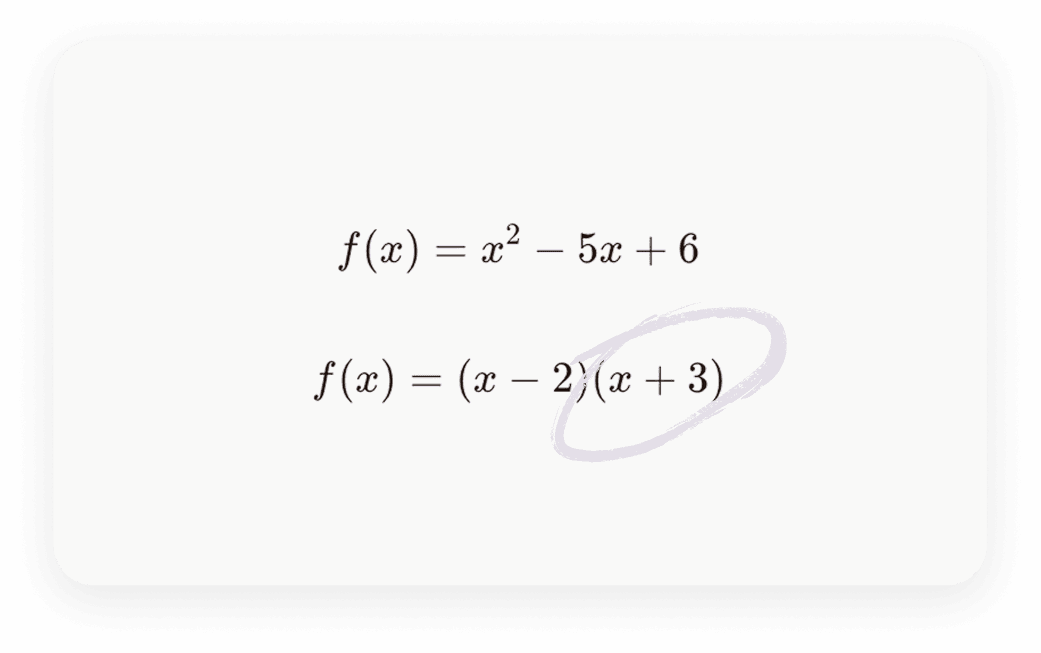
Aristotle draws steps, diagrams, and images to help you learn visually.
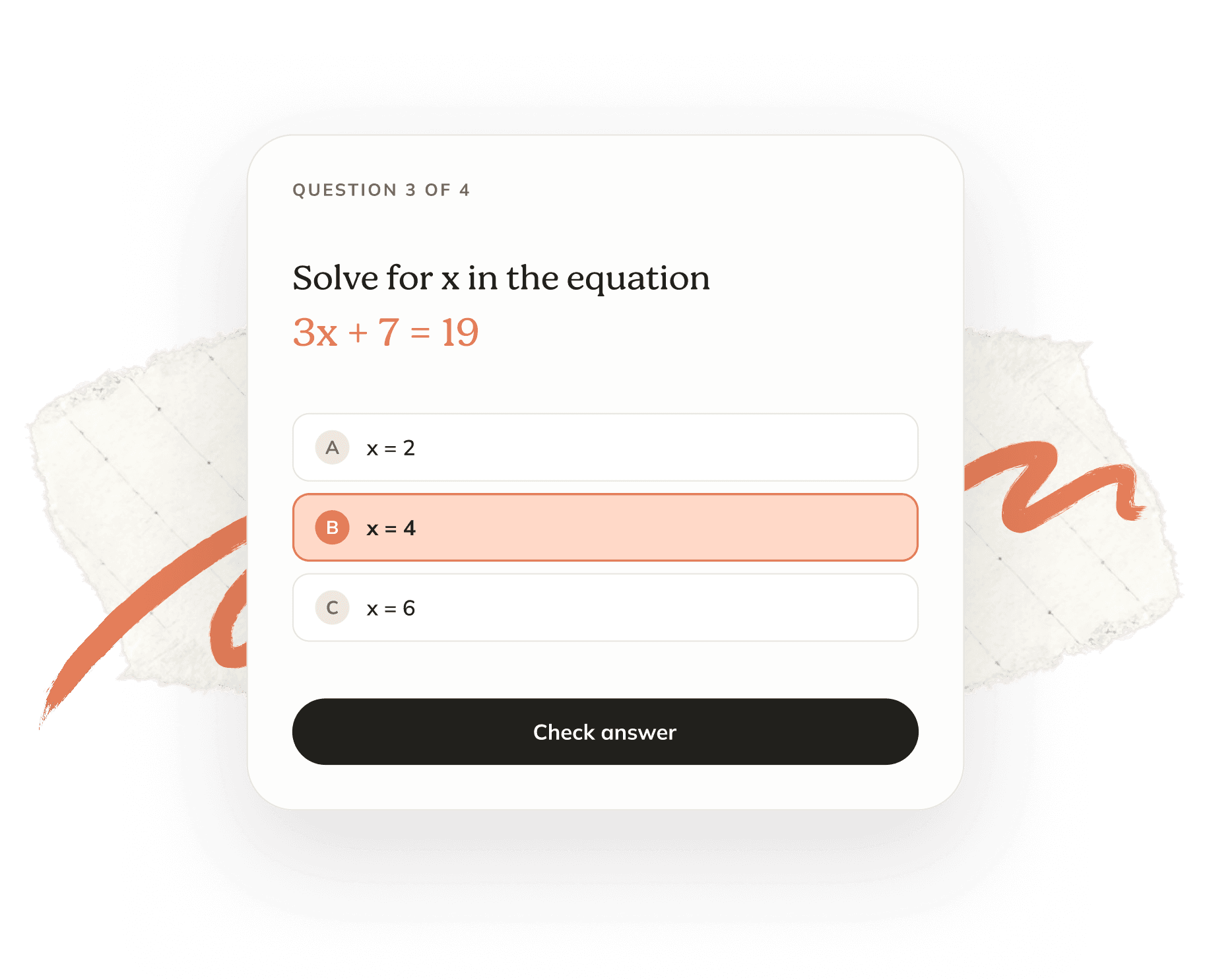
Get practice problems tailored to the exact topics you’re struggling with.
From middle-school math to AP exams to SAT/ACT prep. We also build custom plans matched to state standards and specific courses.
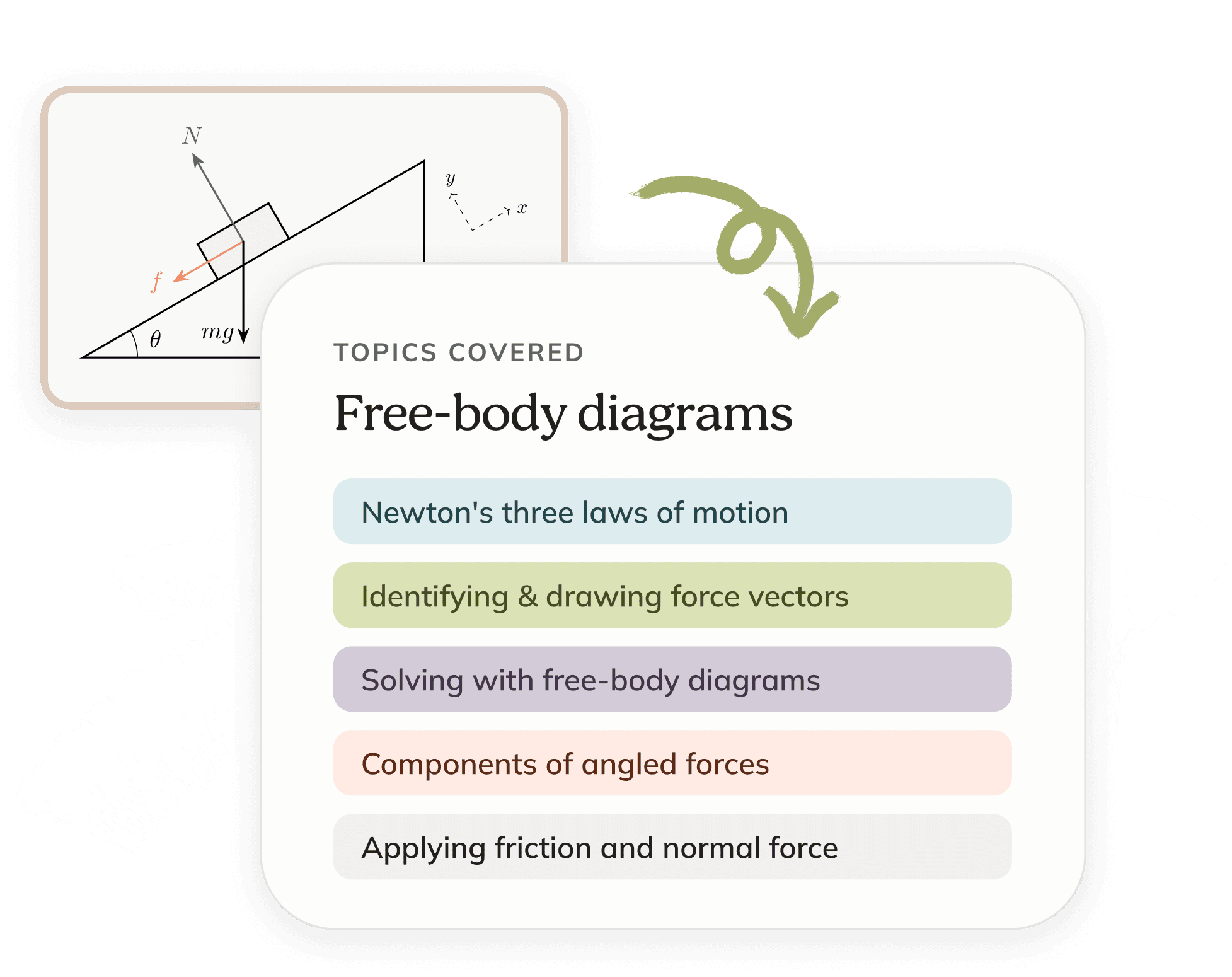
Revisit session summaries, session whiteboards, and uploads in one place.
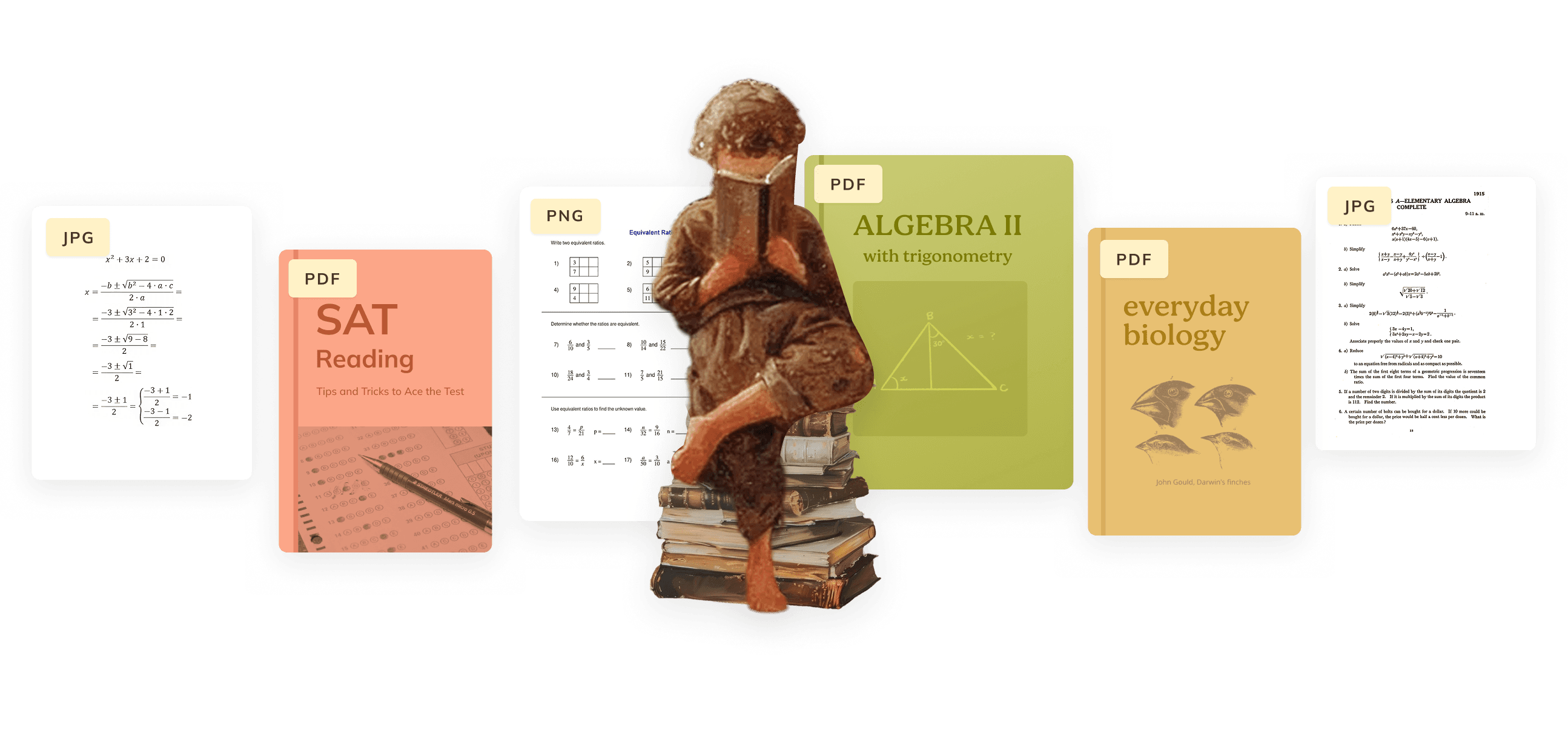
Aristotle can read and navigate any PDFs and images with the learner. That includes textbooks with hundreds of pages!
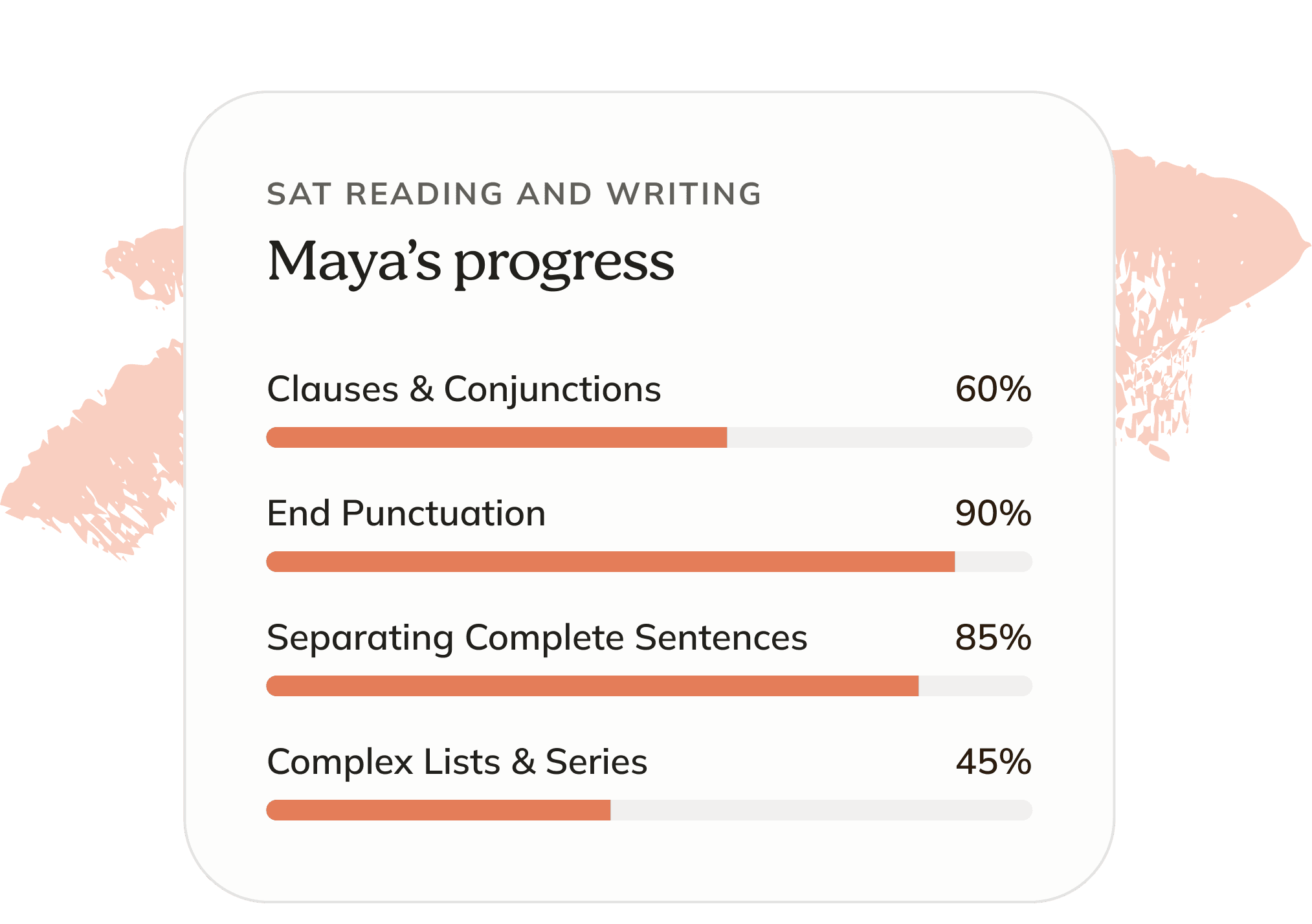
We break all subjects down into granular skills, then track mistakes and mastery on each one. Parents can see the whole picture at a glance.
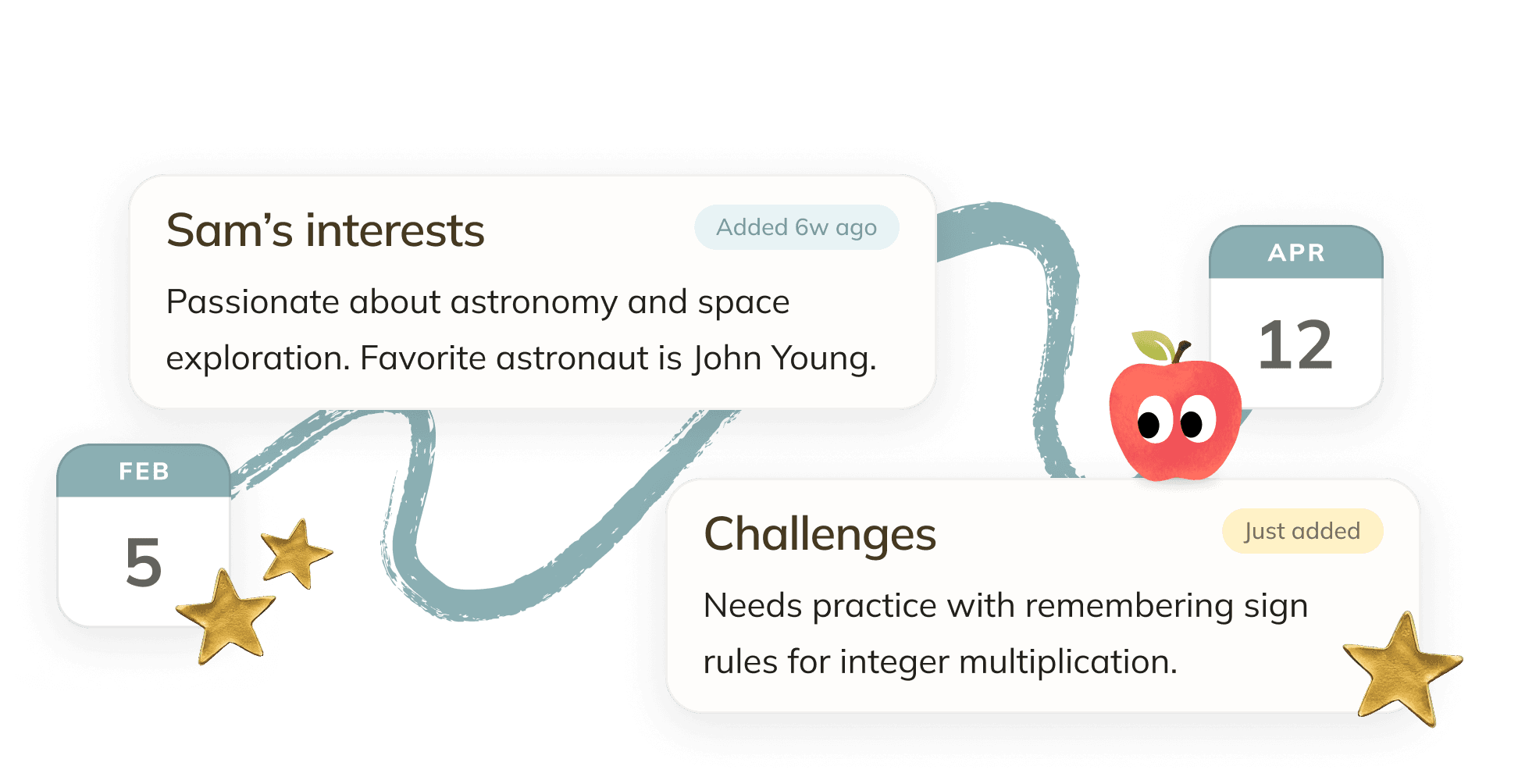
Aristotle remembers every session: what you’ve covered, where you got stuck, how you like things explained. It picks up right where you left off.
The curriculum
Aristotle is designed to always know what to teach at exactly the right time.
Sample curriculum
* Click a topic to see the skills inside
Beginner: Introduce yourself
Beginner: Getting to know someone
Beginner: Numbers and counting
Beginner: Time, days and dates
Beginner: Family and describing people
Beginner: At the café
Beginner: Food and restaurants
Beginner: Shopping and paying
Beginner: Getting around
Beginner: Daily routine and free time
Beginner: Making plans and invitations
Beginner: Health, weather and small talk
Beginner: Talking about the past
Beginner: Hotel, wifi and your phone
Beginner: Help and emergencies
Intermediate: Getting to know people
Intermediate: Getting set up in a new country
Intermediate: Renting a flat
Intermediate: Neighbours and the building
Intermediate: At the doctor and the pharmacy
Intermediate: Travel problems
Intermediate: Hotels and holiday rentals
Intermediate: Phone calls and customer service
Intermediate: Returns, complaints and bargaining
Intermediate: Reporting what happened
Intermediate: Telling what happened
Intermediate: Everyday work
Intermediate: Films, books, music and opinions
Intermediate: The news and current events
Intermediate: Food, festivals and traditions
Intermediate: Friends, plans and feelings
Advanced: Job interviews
Advanced: Negotiating
Advanced: Running and taking part in meetings
Advanced: Presenting to an audience
Advanced: Persuasion and debate
Advanced: Delicate conversations
Advanced: Formal register and administration
Advanced: Professional calls and emails
Advanced: Humour, idiom and familiar French
Advanced: Media, current affairs and literature
Advanced: Speeches and toasts
Advanced: French across the francophone world
Advanced: Mediating between people
French tutoring curriculum2004 skills across 44 units
Beginner: Introduce yourself
Saying hello, your name, your age with the numbers up to thirty (with avoir: j'ai … ans) and where you live (en, aux, à), ending in a three-sentence self-introduction. Topics: Say hello and give your name, Say how old you are, Say where you live, Introduce yourself: full role-play.
Beginner: Getting to know someone
Asking someone to repeat or slow down, choosing tu or vous, saying where you are from, what you do and what you like, and saying goodbye, with être, aimer and ne … pas. Topics: Ask someone to say it again, Say where you are from, Say what you do, Say what you like, Say goodbye, Getting to know someone: full role-play.
Beginner: Numbers and counting
Numbers from thirty to one hundred, including the 70s, 80s and 90s, used for phone numbers read in pairs, prices at a flea market and a street address with a door code. Topics: Swap phone numbers, Ask a price at a flea market, Give your address and door code, Numbers and counting: full role-play.
Beginner: Time, days and dates
Asking and telling the time, the days of the week, today and tomorrow, and booking an appointment for a day and time that suits you. Topics: Ask the time, Say what day it is, Book an appointment, Time, days and dates: full role-play.
Beginner: Family and describing people
Saying who is in your family with mon, ma and mes, describing how someone looks with adjectives that agree, and saying what they are like. Topics: Talk about your family, Say what someone looks like, Say what someone is like, Family and describing people: full role-play.
Beginner: At the café
Ordering a drink and a pastry politely at a café counter, saying sur place or à emporter, and asking for the bill and paying at a terrace table. Topics: Order a drink at the counter, Add a pastry and a juice, Ask for the bill and pay, Ask for the toilets, At the café: full role-play.
Beginner: Food and restaurants
Booking a table by phone, ordering a starter and a main course, and explaining what you do not eat with du, de la and de l'. Topics: Book a table, Order a meal, Say what you don't eat, Food and restaurants: full role-play.
Beginner: Shopping and paying
Asking for clothes in your colour and size and trying them on, buying food by weight at the market, and returning or exchanging something politely. Topics: Find clothes in your size, Buy food by weight at the market, Return or exchange something, Buy bread at the boulangerie, Shopping and paying: full role-play.
Beginner: Getting around
Asking the way and understanding simple directions, buying a train ticket and finding the platform, and taking a taxi to an address. Topics: Ask the way, Buy a train ticket, Take a taxi, Get a metro card and find your line, Say you're lost, Getting around: full role-play.
Beginner: Daily routine and free time
Describing a normal day with reflexive verbs (je me lève, je me couche), your working week with present-tense verbs, and what you do in your free time and how often. Topics: Describe a normal day, Describe your working week, Talk about your free time, Daily routine and free time: full role-play.
Beginner: Making plans and invitations
Saying what you are going to do with aller plus a verb, inviting, accepting and turning down an invitation with a reason, and agreeing where and when to meet. Topics: Say what you're going to do, Invite someone, accept or say no, Agree where and when to meet, Making plans and invitations: full role-play.
Beginner: Health, weather and small talk
Small talk about the weather, saying you feel ill and what hurts with j'ai mal à, and asking a pharmacist for something for your symptoms. Topics: Talk about the weather, Say you feel ill, Get something at the pharmacy, Health, weather and small talk: full role-play.
Beginner: Talking about the past
Saying what you did with the passé composé, avoir with most verbs and être with aller, partir and rentrer, describing a trip with il faisait beau and c'était, and reporting a lost item. Topics: Say what you did at the weekend, Tell a friend about a trip, Report a lost bag, Talking about the past: full role-play.
Beginner: Hotel, wifi and your phone
Checking in at a hotel, getting the wifi password and charging your phone, and buying a prepaid SIM card with your ID. Topics: Check in at a hotel, Get the wifi and charge your phone, Buy a prepaid SIM card, Hotel, wifi and your phone: full role-play.
Beginner: Help and emergencies
Asking a stranger for help when your French runs out, calling the emergency numbers (112, 15, 17, 18) and giving your location, and reporting a theft at the police station. Topics: Ask a stranger for help, Call the emergency services, Report a theft to the police, Help and emergencies: full role-play.
Intermediate: Getting to know people
Meeting someone at a party in Lyon: saying who you know and what brought you, how long you have lived here (depuis, ça fait … que), what you do and like (ce qui me plaît, c'est …), agreeing to say tu, and swapping numbers to meet again. Topics: Say what brought you here, Talk about your work or studies, Agree to say tu, Swap numbers and suggest meeting again, Getting to know people: full role-play.
Intermediate: Getting set up in a new country
The first weeks in France: a SIM card and phone plan, a bank account and a RIB, health cover with the Assurance Maladie and a mutuelle, and a monthly transport pass, with notes for Belgium, Switzerland and Québec. Topics: Get a SIM card and a phone plan, Open a bank account, Sort out health cover, Get a monthly transport pass, Getting set up in a new country: full role-play.
Intermediate: Renting a flat
Finding and keeping a flat in France: calling about a listing, visiting and comparing (plus … que, celui-ci), putting together a rental file with a guarantor or Visale, the check-in inventory and the deposit, and phoning the landlord about a leak with a polite conditional. Topics: Call about a flat listing, Visit and compare flats, Put together your rental file, Do the check-in inventory, Ask the landlord for a repair, Renting a flat: full role-play.
Intermediate: Neighbours and the building
Life in a French apartment building: introducing yourself on the landing, the bins and recycling, raising a noise problem without a fight, picking up a parcel after a missed delivery, and inviting people to the Fête des voisins. Topics: Introduce yourself to a neighbour, Raise a noise problem, Pick up a missed parcel, Invite the neighbours to the Fête des voisins, Neighbours and the building: full role-play.
Intermediate: At the doctor and the pharmacy
Getting care in France: booking a GP by phone or Doctolib, describing symptoms and history (depuis, ça empire), understanding a diagnosis, a prescription and a sick note (il faut que + subjunctive), the pharmacy and the carte Vitale, and calling for urgent help, with the emergency numbers of each country. Topics: Book a doctor's appointment, Describe your symptoms, Understand the diagnosis and prescription, Get your medicine at the pharmacy, Call for urgent help, At the doctor and the pharmacy: full role-play.
Intermediate: Travel problems
When a journey goes wrong: understanding a strike or delay announcement, changing a ticket at the station desk, claiming SNCF compensation for a delay, reporting lost luggage at the airport and a bag left on a train, with the passive in a été supprimé and direct-object pronouns (le, la). Topics: Understand a delay or strike announcement, Change your ticket at the desk, Claim compensation for a delay, Report lost luggage at the airport, Find a bag left on a train, Travel problems: full role-play.
Intermediate: Hotels and holiday rentals
Staying somewhere and fixing what goes wrong: a booking the hotel cannot find, a room with no hot water and street noise, a key box that will not open at a holiday flat, and a wrong bill at check-out, asking politely with pourriez-vous and asking for a geste commercial. Topics: Check in when the booking is missing, Report a problem with the room, Get into a holiday flat, Sort out the bill at check-out, Hotels and holiday rentals: full role-play.
Intermediate: Phone calls and customer service
Handling calls you cannot see: getting through and being transferred, leaving a message, explaining a broken internet box, querying a double charge and cancelling an option, and checking back what was agreed before you hang up. Topics: Get through to the right person, Report an internet breakdown, Query a bill and cancel an option, Check what was agreed, Phone calls and customer service: full role-play.
Intermediate: Returns, complaints and bargaining
Being a firm but polite customer: returning a faulty item, complaining to a manager about a late delivery (bien que + subjunctive), haggling at a vide-grenier, and sending back the wrong dish and splitting the bill, with notes on tipping and bargaining across the French-speaking world. Topics: Return a faulty item, Complain to the manager, Haggle at a flea market, Fix a problem at a restaurant, Returns, complaints and bargaining: full role-play.
Intermediate: Reporting what happened
When something goes wrong and you must report it: filing a police report for a stolen phone, describing a person in the imparfait, telling your insurer about water damage (plus-que-parfait), and blocking a lost bank card and disputing payments. Topics: Report a theft at the police station, Describe a person you saw, Report water damage to your insurer, Block a lost bank card, Reporting what happened: full role-play.
Intermediate: Telling what happened
Telling and listening to stories with friends: the weekend in the passé composé and imparfait, a mishap with tout à coup and the plus-que-parfait, a childhood memory with habits in the imparfait, and reacting as a listener (sans blague, le pauvre, et après ?). Topics: Tell what you did at the weekend, Tell a story where things went wrong, Share a childhood memory, React to someone else's story, Telling what happened: full role-play.
Intermediate: Everyday work
Working in French: joining a new team and the lunch and coffee rituals, proposing and disagreeing in a meeting (je propose qu'on + subjunctive), asking your manager for a day off, and phoning a client to follow up a quote in the vous register. Topics: Introduce yourself to your new team, Propose and disagree in a meeting, Ask your manager for a day off, Follow up a quote with a client, Everyday work: full role-play.
Intermediate: Films, books, music and opinions
Talking about culture and holding a view: recommending a film (il faut que tu voies, qui/que), disagreeing about a book (je ne pense pas que + subjunctive), choosing a concert or the Fête de la musique, and defending a point of view with connectors, as in the DELF B1 and B2 speaking tasks. Topics: Recommend a film, Disagree about a book, Choose a concert or the Fête de la musique, Defend a point of view, Films, books, music and opinions: full role-play.
Intermediate: The news and current events
Following and discussing the news at lunch or on the radio: a strike and a reform (il paraît que, d'après), reporting what someone said (reported speech with tense shifts), a local incident in the passive, and giving a measured view on a local issue. Topics: Talk about a strike in the news, Report what someone said on the radio, Discuss a local incident, Give a measured view on a local issue, The news and current events: full role-play.
Intermediate: Food, festivals and traditions
Food culture and traditions across the French-speaking world: being a guest at a French dinner (apéro, bringing wine, refusing more), the galette des rois and other customs from Québec, Belgium and Senegal, buying cheese at the market with en and quantities, and cooking crêpes for the Chandeleur with the imperative. Topics: Be a guest at a French dinner, Ask about and explain a tradition, Buy cheese at the market, Make crêpes for the Chandeleur, Food, festivals and traditions: full role-play.
Intermediate: Friends, plans and feelings
Keeping friendships going in French: making and moving plans with the conditionnel, giving advice (à ta place, si j'étais toi), apologising after a falling-out (je n'aurais pas dû), and congratulating and comforting a friend. Topics: Make and change plans, Give a friend advice, Apologise after a falling-out, Congratulate and comfort a friend, Friends, plans and feelings: full role-play.
Advanced: Job interviews
Getting through a French recruitment process: a recruiter's screening call, presenting your career path in two minutes, handling weaknesses and tricky hypotheticals with poise, and talking salary and asking informed questions back. Topics: Handle a recruiter's screening call, Present your career path, Handle weaknesses and tricky questions, Talk salary and ask questions back, Job interviews: full role-play.
Advanced: Negotiating
Negotiating in French with firmness and courtesy: a pay rise at the annual review, the terms of a lease with an agency, a supplier's quote and deadlines, and a freelance day rate, using conditions (à condition que, sous réserve de), trade-offs (en contrepartie) and polite refusals. Topics: Ask for a pay rise, Negotiate the terms of a lease, Negotiate a supplier's quote, Defend your freelance day rate, Negotiating: full role-play.
Advanced: Running and taking part in meetings
Meetings in a French workplace: opening and framing the agenda, taking and keeping the floor, disagreeing constructively with nuance (je partage en partie, il n'en reste pas moins que), and closing with a clear record of who does what by when. Topics: Open and frame a meeting, Take and keep the floor, Disagree constructively, Close with decisions and actions, Running and taking part in meetings: full role-play.
Advanced: Presenting to an audience
Giving a clear spoken presentation in French: an opening that announces the plan, describing figures and trends precisely, handling hard questions from the floor, and a conclusion with a clear call to action, as in the DALF C1 exposé. Topics: Open and announce your plan, Describe figures and trends, Handle hard questions, Conclude with a call to action, Presenting to an audience: full role-play.
Advanced: Persuasion and debate
Arguing a position in French with precision: building an argument with connectors, conceding and nuancing (certes, encore faut-il que), choosing indicative or subjunctive by meaning, rebutting an opponent, and persuading a friend in a real decision, as in the DALF C1 debate with the jury. Topics: Build and state an argument, Concede and nuance, Rebut an opponent, Persuade a friend in a real decision, Persuasion and debate: full role-play.
Advanced: Delicate conversations
The conversations that need tact: refusing a request from your manager without closing the door, apologising for a professional mistake, giving bad news to a team, and offering condolences, with softening, the conditionnel passé and the right register. Topics: Refuse a request politely, Apologise for a professional mistake, Give bad news to a team, Offer condolences, Delicate conversations: full role-play.
Advanced: Formal register and administration
Dealing with institutions in formal French: a prefecture appointment for a residence permit, a call to the tax office, a meeting with a notaire or lawyer (Maître), and a formal complaint letter read aloud, with titles and honorifics (Monsieur le Maire, Maître, Madame la Directrice), inversion and the nominal style. Topics: Renew a residence permit at the prefecture, Call the tax office, Meet a notary or lawyer, Read a formal complaint letter aloud, Formal register and administration: full role-play.
Advanced: Professional calls and emails
The phone and email side of professional life: a cold call to a prospect, a clear voicemail, reading a follow-up email aloud with its formules, and a video call with a Québec client where the register and vocabulary differ. Topics: Make a cold call to a prospect, Leave a clear voicemail, Read a follow-up email aloud, Run a video call with a Québec client, Professional calls and emails: full role-play.
Advanced: Humour, idiom and familiar French
The French that friends actually speak: banter and second-degree irony, everyday idioms, slang and verlan for recognition first, the reductions of fast speech, and explaining a joke or a pun when it falls flat. Topics: Join in friendly banter, Use everyday idioms, Understand slang and verlan, Explain a joke or a pun, Humour, idiom and familiar French: full role-play.
Advanced: Media, current affairs and literature
Discussing what you read and hear: an article with the journalistic conditional and reported speech, a podcast summed up for a friend, a radio call-in on a current issue, and a book club on a novel with passé simple recognition and critical vocabulary. Topics: Discuss a newspaper article, Sum up a podcast for a friend, Call in to a radio debate, Discuss a novel at a book club, Media, current affairs and literature: full role-play.
Advanced: Speeches and toasts
Speaking in front of people who know you: a wedding toast with an anecdote, a farewell speech at a colleague's pot de départ, thanks when you receive an award, and a few improvised words at a friend's fortieth, with the formulas, the rhythm and the optative (puissiez-vous, que … soit). Topics: Give a wedding toast, Speak at a colleague's farewell drinks, Accept an award or thank an audience, Say a few improvised words at a birthday, Speeches and toasts: full role-play.
Advanced: French across the francophone world
Understanding French as it is spoken outside Paris, for listening first and production only if the learner wants it: Québec, Belgium, Switzerland and West Africa (Abidjan and Dakar), with the words, numbers, greetings and habits that differ, and the strategy of asking about a word without ranking any variety. Topics: Get by in Montréal, Settle in Brussels, Deal with daily life in Lausanne, Get around in Abidjan and Dakar, French across the francophone world: full role-play.
Advanced: Mediating between people
Standing between two people and helping them understand each other: settling a dispute between two colleagues, calming a row between flatmates, interpreting for a friend at a landlord's office, and steering a heated family dinner away from conflict, with neutral reformulation and the language of compromise. Topics: Settle a dispute between two colleagues, Calm a row between flatmates, Interpret for a friend at the letting agency, Defuse a heated family dinner, Mediating between people: full role-play.
My son told me yesterday that we should cancel his human tutor, because Aristotle is doing a better job. The human tutor was $250/hour.

A few things you might wonder before getting started.
Aristotle's French course tracks 2004 skills across 44 units, including Beginner: Introduce yourself, Beginner: Getting to know someone, and Beginner: Numbers and counting. Every skill is linked to the skills it builds on, so the tutor always knows which parts of French your child has mastered and what to teach next.
Check out our most recent blog posts.

This could be you
For homework, supporting your child, or anything you’ve always wanted to know more about, Aristotle makes it easy for anyone to learn out loud.