Every skill mapped
Economics on Aristotle is 158 skills across 13 units, each linked to the skills it builds on.

Economics
Pioneered by Stanford AI researchers and learning scientists, Aristotle is the world's first voice-based AI tutor. A full Economics course, mapped skill by skill.
Trusted by families at








Features
Talk things through, work side by side, and come back next time to a tutor who remembers where you left off.
Ask questions out loud, hear explanations in Aristotle’s voice, and interrupt whenever you need to.
Aristotle draws steps, diagrams, and images to help you learn visually.
Get practice problems tailored to the exact topics you’re struggling with.
From middle-school math to AP exams to SAT/ACT prep. We also build custom plans matched to state standards and specific courses.
Revisit session summaries, session whiteboards, and uploads in one place.
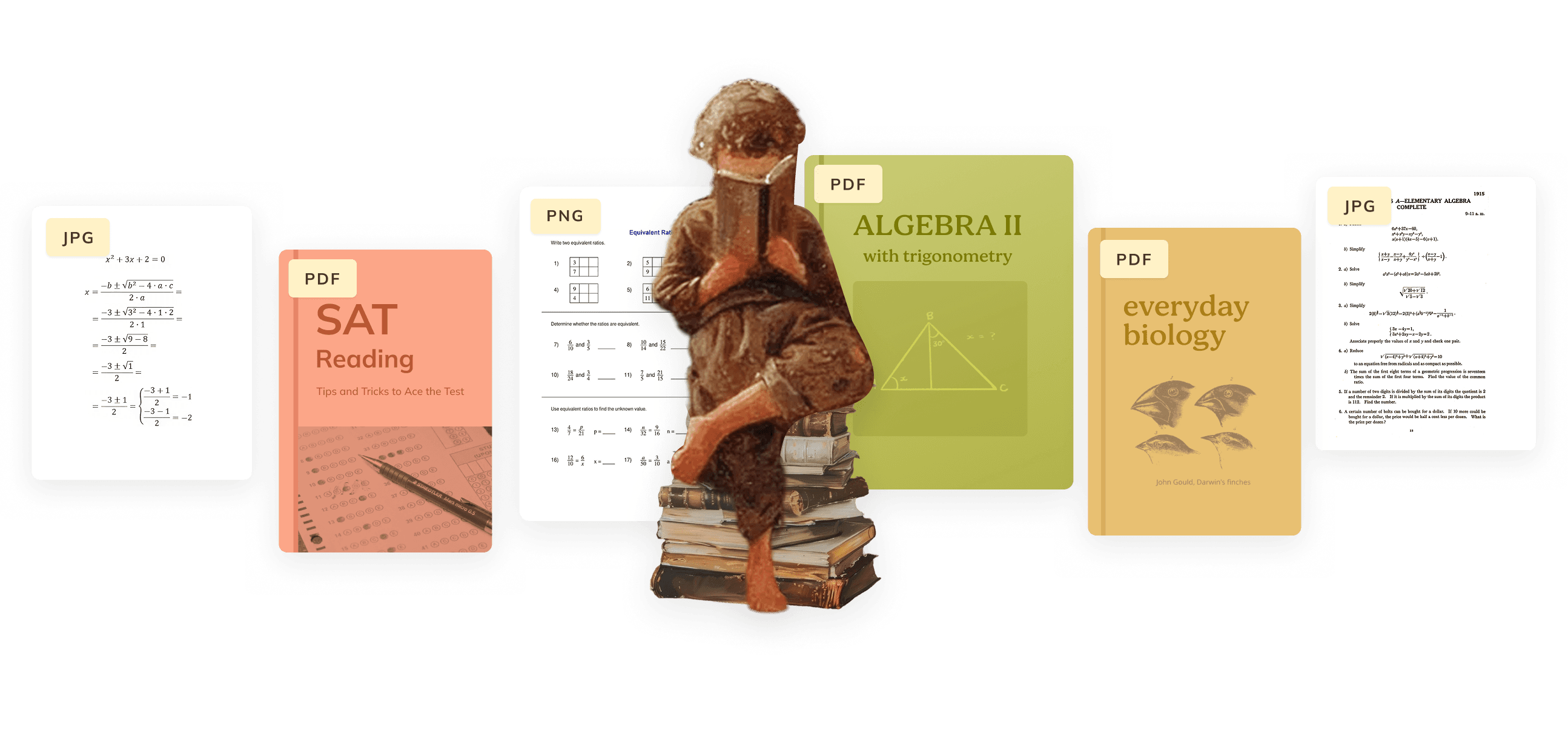
Aristotle can read and navigate any PDFs and images with the learner. That includes textbooks with hundreds of pages!
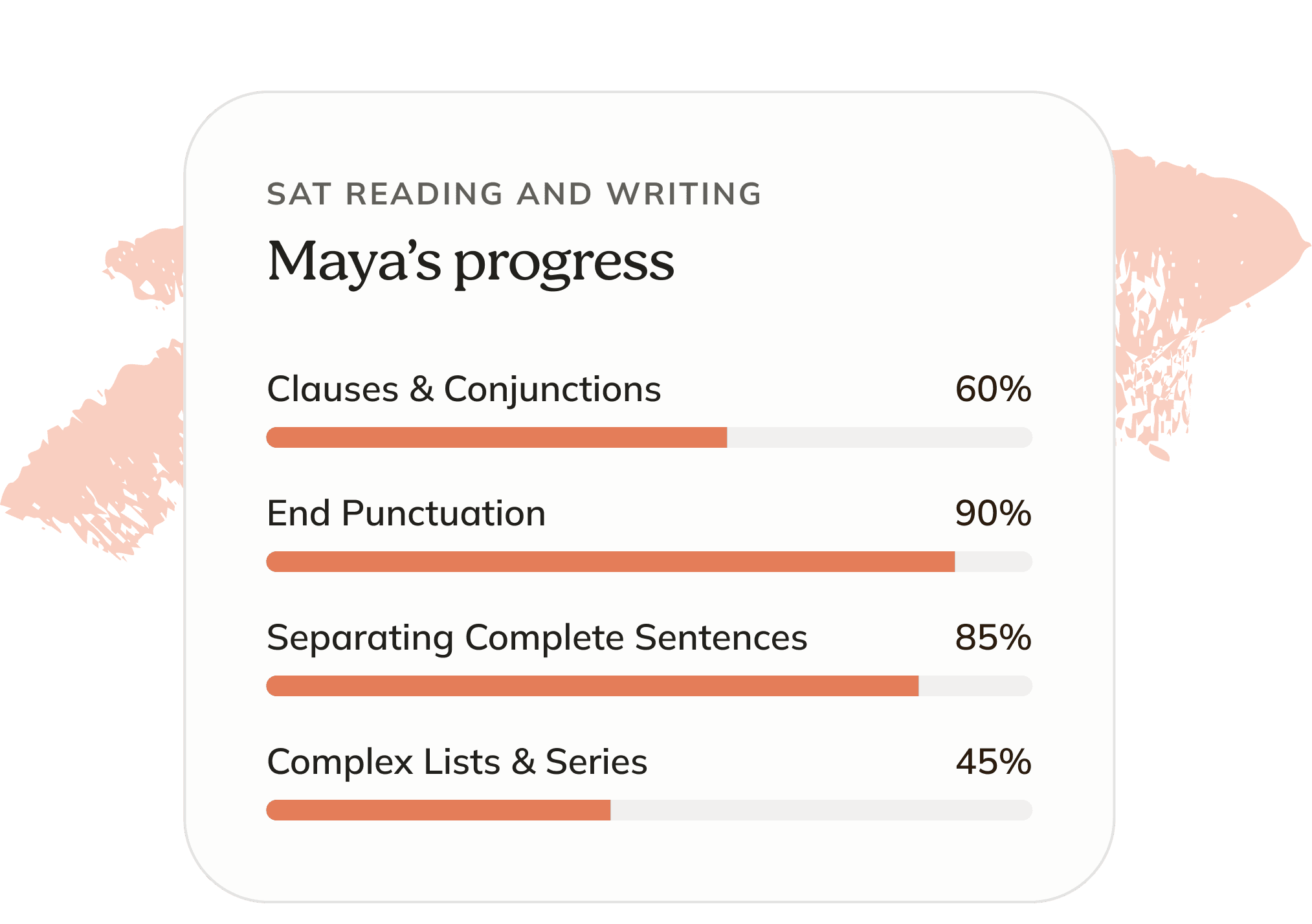
We break all subjects down into granular skills, then track mistakes and mastery on each one. Parents can see the whole picture at a glance.
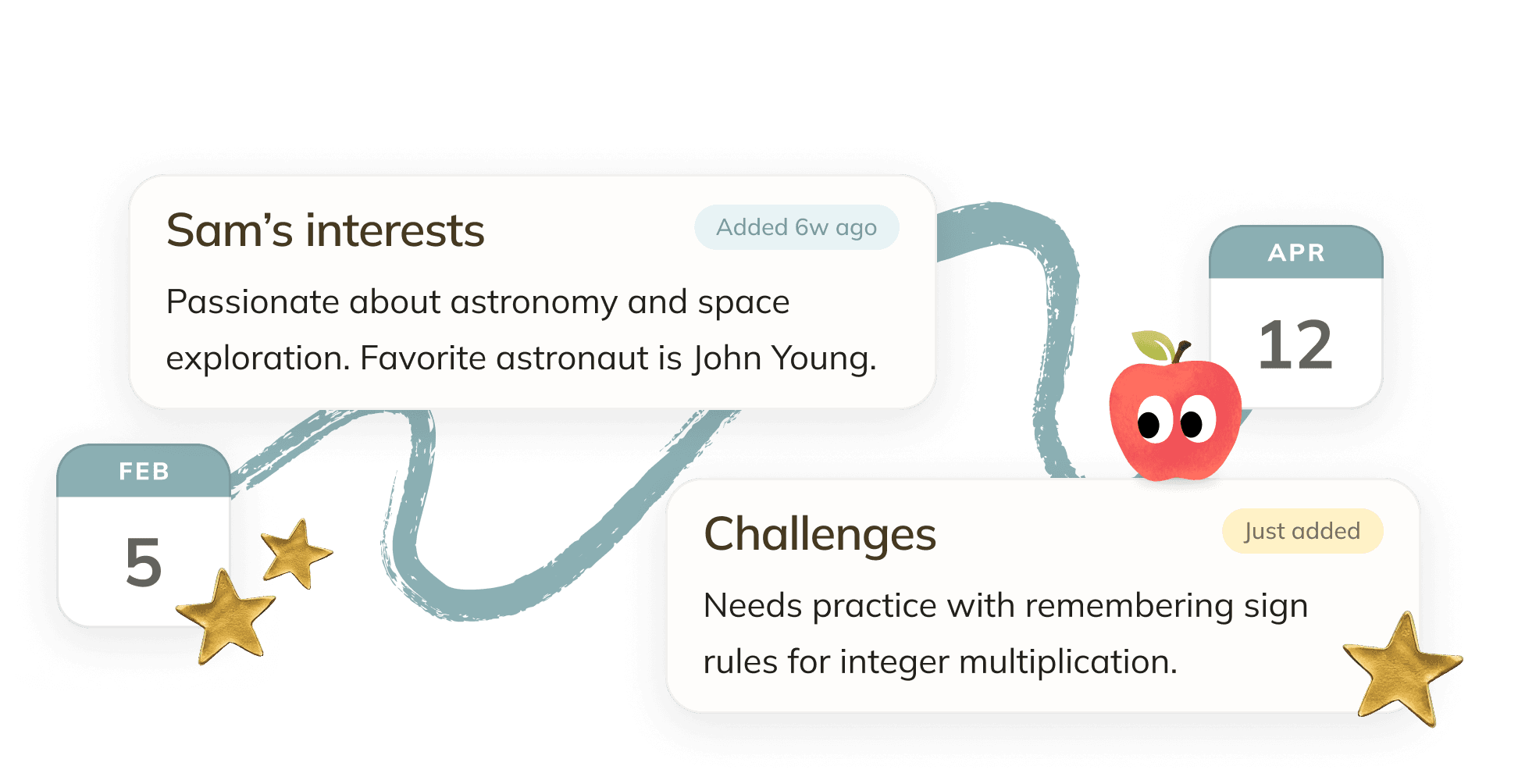
Aristotle remembers every session: what you’ve covered, where you got stuck, how you like things explained. It picks up right where you left off.
The curriculum
Aristotle is designed to always know what to teach at exactly the right time.
Sample curriculum
* Click a topic to see the skills inside
Thinking Like an Economist
How Markets Work
Markets and Welfare
The Public Sector
Firm Behavior and Market Structure
Labor Markets and the Distribution of Income
Deeper Microeconomics
Measuring the Macroeconomy
The Real Economy in the Long Run
Money and Prices in the Long Run
The Open Economy
Short-Run Fluctuations and Stabilization
Policy Debates and Working with Evidence
Economics tutoring curriculum158 skills across 13 units
Thinking Like an Economist
The habits the rest of the course rests on: costs measured as forgone alternatives, decisions made at the margin, models and graphs as tools, and the reason trade makes both sides better off. Topics: Scarcity, Trade-offs, and Incentives, Models and Graphs, Comparative Advantage and Trade.
How Markets Work
The supply-and-demand model end to end: what moves each curve, how equilibrium responds, how responsive quantities are to price, and what happens when government sets a price or levies a tax. Topics: Demand, Supply, Market Equilibrium and Change, Elasticity, Price Controls, Taxes, and Subsidies.
Markets and Welfare
Measuring whether a market outcome is good: surplus as the yardstick, the loss taxes create, and who gains and loses when a country opens to trade. Topics: Surplus and Efficiency, The Costs of Taxation, International Trade.
The Public Sector
Where private markets fail and what government can do: spillover costs and benefits, goods nobody can be excluded from, and the design of a tax system, including the market for healthcare. Topics: Externalities, Public Goods and Common Resources, Tax Design and Healthcare Markets.
Firm Behavior and Market Structure
What lies behind the supply curve and what happens when sellers have market power: costs of production, the competitive firm, monopoly, differentiated products, and strategic rivalry. Topics: The Costs of Production, Firms in Competitive Markets, Monopoly, Monopolistic Competition, Oligopoly and Game Theory.
Labor Markets and the Distribution of Income
How wages get set and why they differ, and how economists measure and argue about inequality and poverty. Topics: Markets for Factors of Production, Earnings and Discrimination, Inequality and Poverty.
Deeper Microeconomics
The formal theory behind the demand curve, and the frontier topics where the standard model needs help: hidden information, psychology, and politics. Topics: The Theory of Consumer Choice, Information, Behavior, and Politics.
Measuring the Macroeconomy
The three headline numbers and what they actually count: output, the price level, and the labor market. Topics: Gross Domestic Product, Measuring the Cost of Living, Measuring Unemployment.
The Real Economy in the Long Run
What determines living standards over decades: productivity and growth, the market that channels saving into investment, the basic tools of finance, and why some unemployment persists even in good times. Topics: Productivity and Growth, Saving, Investment, and Loanable Funds, The Basic Tools of Finance, Why Unemployment Persists.
Money and Prices in the Long Run
What money is, how banks and the central bank create and steer it, and why sustained inflation is a monetary phenomenon. Topics: The Monetary System, Money Growth and Inflation.
The Open Economy
Adding the rest of the world: trade and capital flows as two sides of one identity, exchange rates, and how domestic policy plays out when money can cross borders. Topics: Open-Economy Basics, The Open-Economy Model.
Short-Run Fluctuations and Stabilization
Why output and employment swing around their long-run path, what monetary and fiscal policy can do about it, and the inflation-unemployment trade-off that constrains both. Topics: Aggregate Demand and Aggregate Supply, Monetary and Fiscal Policy, Inflation and Unemployment.
Policy Debates and Working with Evidence
Where economists genuinely disagree and how to argue a side well, plus the data literacy needed to check an economic claim before believing it. Topics: Standing Policy Debates, Reading Economic Evidence.
My son told me yesterday that we should cancel his human tutor, because Aristotle is doing a better job. The human tutor was $250/hour.

A few things you might wonder before getting started.
Aristotle's Economics course tracks 158 skills across 13 units, including Thinking Like an Economist, How Markets Work, and Markets and Welfare. Every skill is linked to the skills it builds on, so the tutor always knows which parts of Economics your child has mastered and what to teach next.
Check out our most recent blog posts.
This could be you
For homework, supporting your child, or anything you’ve always wanted to know more about, Aristotle makes it easy for anyone to learn out loud.