Your child's level
Aristotle finds your child's level from a short chat and starts there, whether they are new to Chinese or already conversational.

Chinese
Pioneered by Stanford AI researchers and learning scientists, Aristotle is the world's first voice-based AI tutor. Learn Chinese by speaking it, from first words to real conversation.
Trusted by families at









Learn Chinese by speaking
Aristotle finds your child's level from a short chat and starts there, whether they are new to Chinese or already conversational.
Sessions are spoken out loud, so your child practices listening and answering in Chinese, not just reading about it.
Preparing for a class, a trip, or family conversations? Tell Aristotle and sessions follow that goal.
Features
Talk things through, work side by side, and come back next time to a tutor who remembers where you left off.
Ask questions out loud, hear explanations in Aristotle’s voice, and interrupt whenever you need to.
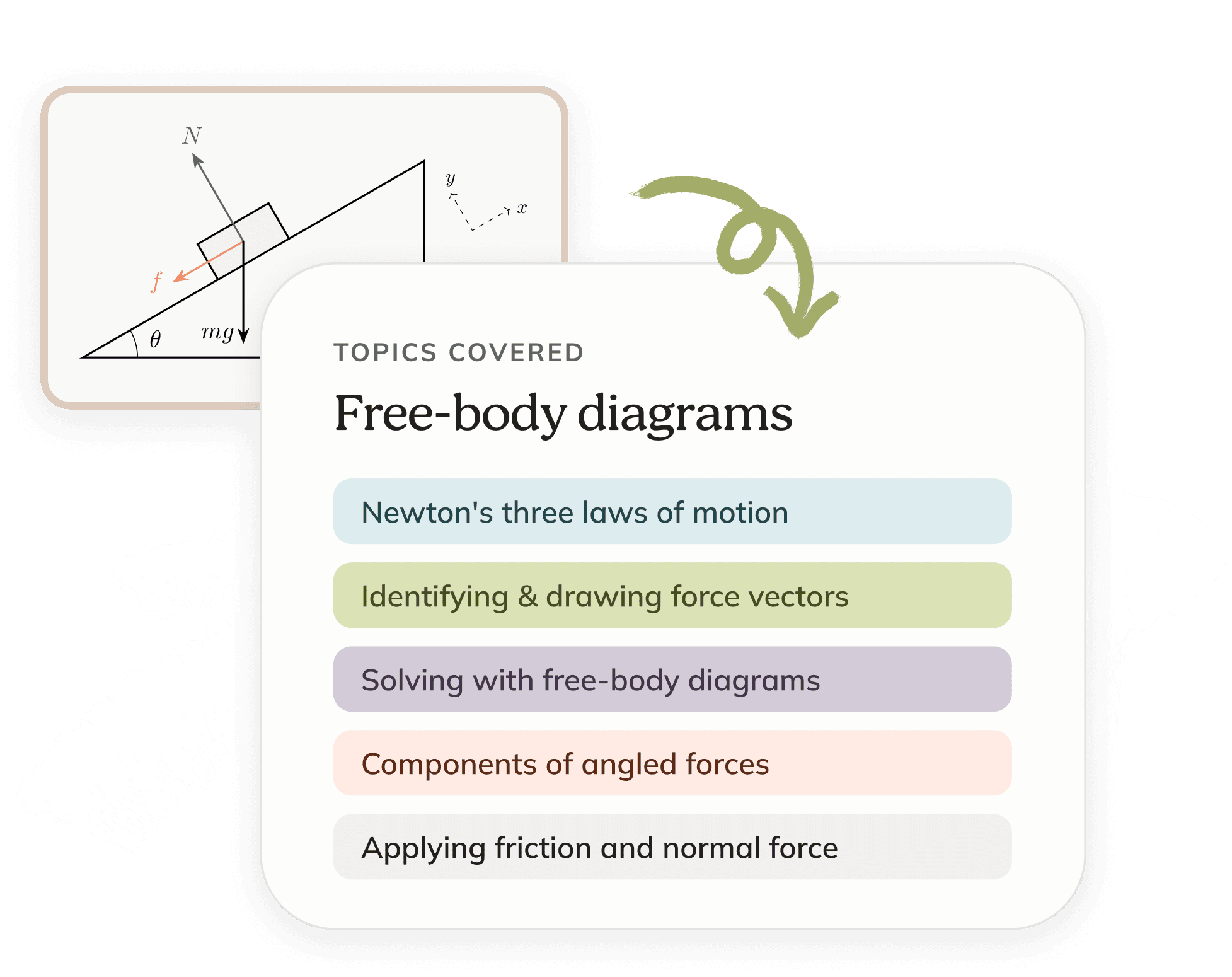
Aristotle draws steps, diagrams, and images to help you learn visually.
Get practice problems tailored to the exact topics you’re struggling with.
From middle-school math to AP exams to SAT/ACT prep. We also build custom plans matched to state standards and specific courses.
Revisit session summaries, session whiteboards, and uploads in one place.
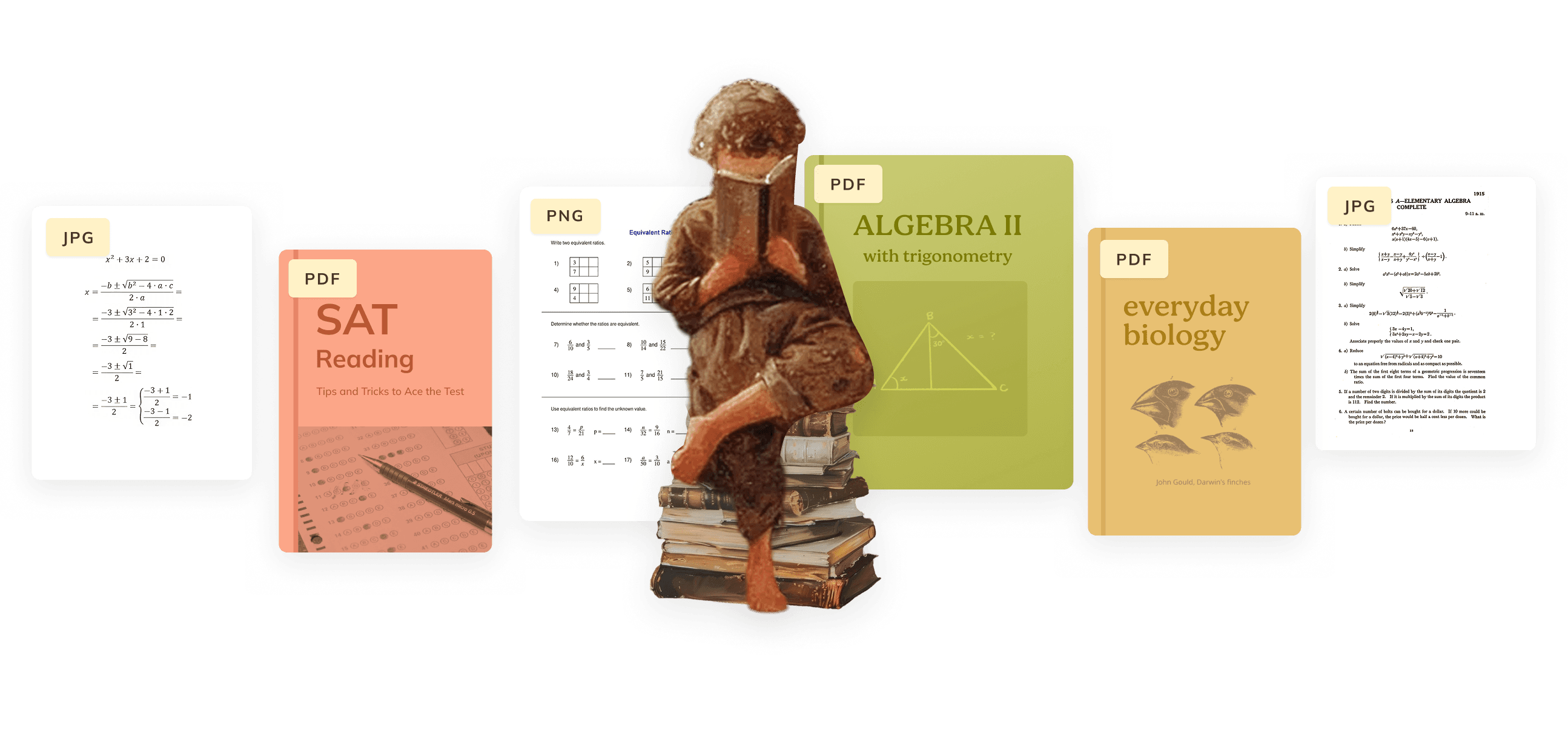
Aristotle can read and navigate any PDFs and images with the learner. That includes textbooks with hundreds of pages!
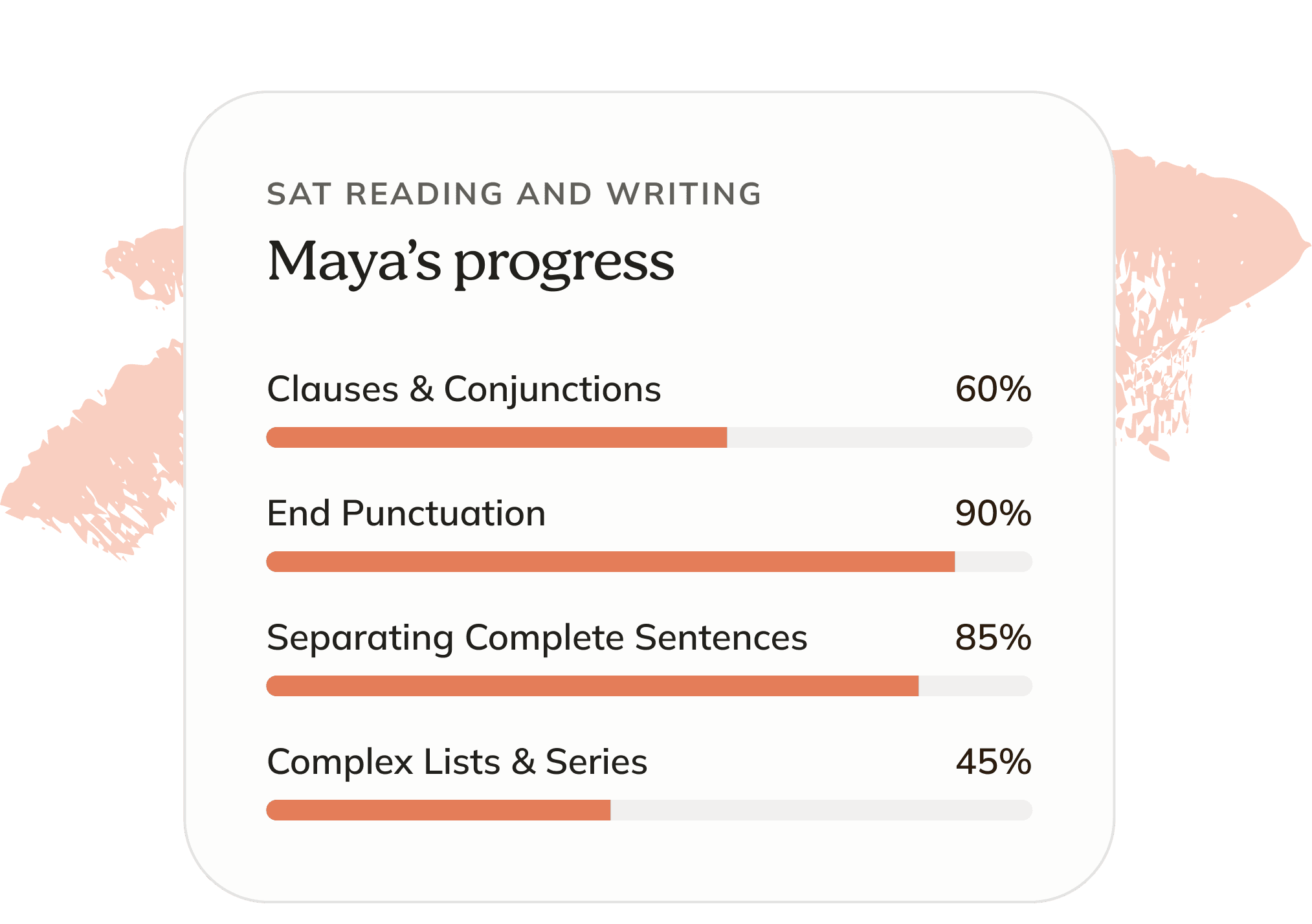
We break all subjects down into granular skills, then track mistakes and mastery on each one. Parents can see the whole picture at a glance.
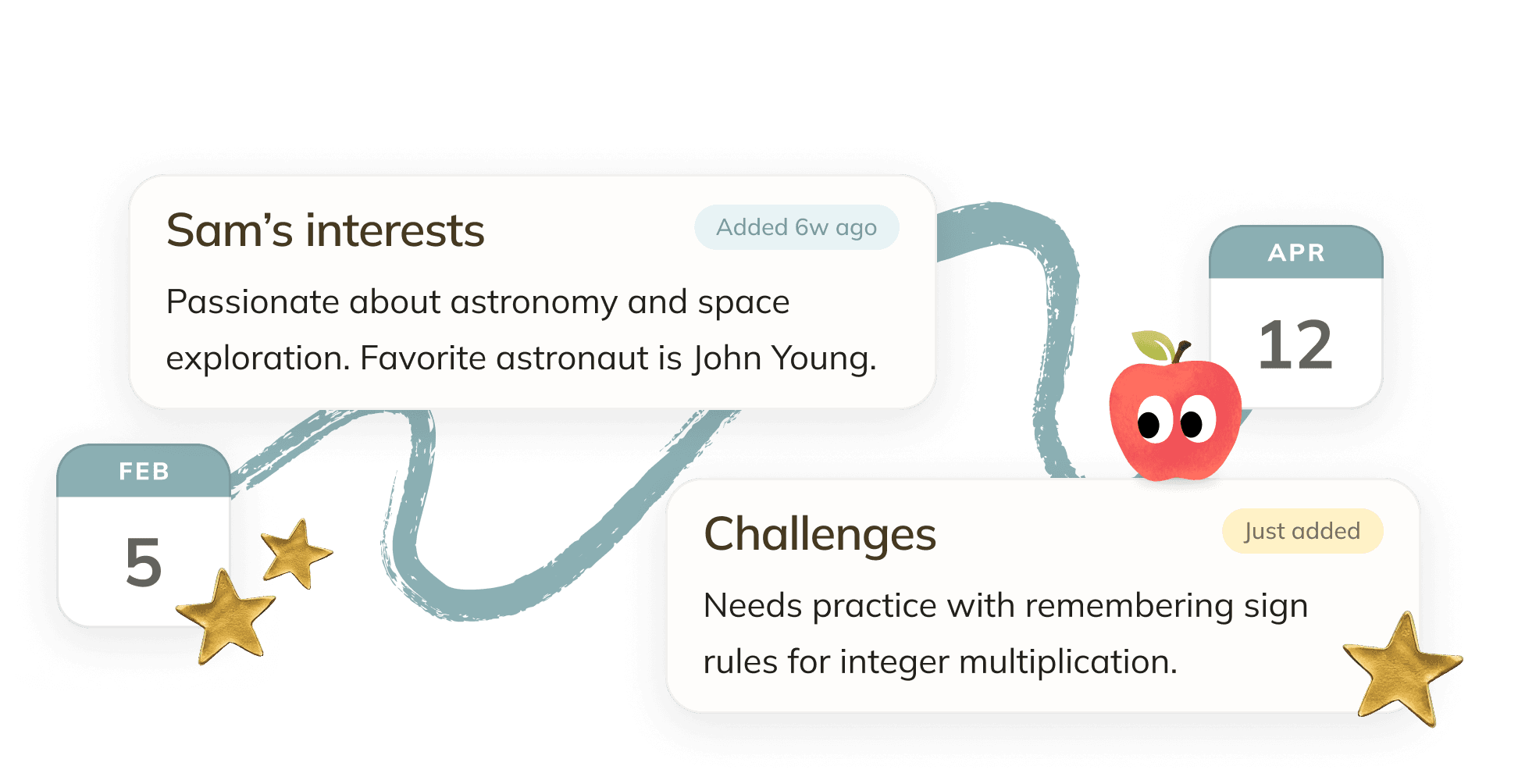
Aristotle remembers every session: what you’ve covered, where you got stuck, how you like things explained. It picks up right where you left off.
The curriculum
Aristotle is designed to always know what to teach at exactly the right time.
Sample curriculum
* Click a topic to see the skills inside
Beginner: Introduce yourself
Beginner: Getting to know someone
Beginner: Numbers and counting
Beginner: Time, days and dates
Beginner: Family and describing people
Beginner: At the coffee shop and tea shop
Beginner: Food and restaurants
Beginner: Shopping and paying
Beginner: Getting around
Beginner: Daily routine and free time
Beginner: Making plans and invitations
Beginner: Health, weather and small talk
Beginner: Talking about the past and experiences
Beginner: Hotel, phone and wifi
Beginner: Getting help and emergencies
Intermediate: Settling in: SIM card, bank and registration
Intermediate: Renting a flat
Intermediate: Neighbours and the building
Intermediate: Getting around the city
Intermediate: Booking and changing travel
Intermediate: Hotel problems
Intermediate: At the hospital and pharmacy
Intermediate: Lost things, the police and emergencies
Intermediate: Returns, customer service and complaints
Intermediate: Starting at work and small talk
Intermediate: Meetings, deadlines and mistakes
Intermediate: Telling what happened
Intermediate: Giving and defending an opinion
Intermediate: The news and current issues
Intermediate: Festivals and family visits
Intermediate: Friends, plans and advice
Advanced: Job interviews
Advanced: Negotiating
Advanced: Running and joining meetings
Advanced: Presenting to an audience
Advanced: Persuasion and debate
Advanced: Delicate conversations
Advanced: Formal register: calls, emails and honorifics
Advanced: Banquets, toasts and speeches
Advanced: Humour, idioms and slang
Advanced: Media, current affairs and books
Advanced: Regional variation
Advanced: Mediating between people
Chinese tutoring curriculum1837 skills across 43 units
Beginner: Introduce yourself
Saying hello, your name, your age with the numbers up to thirty and where you live, with the tones and tone changes of each new word, ending in a four-sentence self-introduction. Topics: Say hello and give your name, Say how old you are, Say where you live, Introduce yourself: full role-play.
Beginner: Getting to know someone
Asking someone to say it again or slow down, saying where you are from, what you do and what you like, and saying goodbye, with 是, 不是, 吗 questions and the 不 tone change. Topics: Ask someone to say it again, Say where you are from, Say what you do, Find a shared hobby, Say goodbye and see you tomorrow, Getting to know someone: full role-play.
Beginner: Numbers and counting
Phone numbers read digit by digit with 零 and yāo, counting things with 个 and 两, and room and floor numbers, with the 一 tone changes. Topics: Swap phone numbers, Buy a number of apples, Find your room and floor, Numbers and counting: full role-play.
Beginner: Time, days and dates
Asking and telling the time, the day of the week and the date, and arranging when and where to meet; time words are learned as chunks before the verb. Topics: Ask what time it is, Say the day and the date, Arrange a time to meet, Time, days and dates: full role-play.
Beginner: Family and describing people
Saying who is in your family with 有 and 和, siblings and 没有, and describing people in a photo with 很 and an adjective. Topics: Say who is in your family, Talk about brothers and sisters, Describe people in a photo, Family and describing people: full role-play.
Beginner: At the coffee shop and tea shop
Ordering a drink with a size, hot or iced and sweetness, eating in or taking away, and paying by phone, with 杯 and the 一 and 不 tone changes. Topics: Order a drink and a size, Choose hot or iced and how sweet, Take it away and pay, At the coffee shop and tea shop: full role-play.
Beginner: Food and restaurants
Getting a table, ordering dishes with measure words, asking for less spice or saying what you don't eat, and paying the bill, in a sit-down restaurant. Topics: Get a table, Order dishes, Ask for less spice or say what you don't eat, Say it was tasty and pay the bill, Food and restaurants: full role-play.
Beginner: Shopping and paying
Asking prices, saying something is too expensive and asking for a better price, asking for another size or colour and trying it on, and paying, at a market and a clothes shop. Topics: Ask the price and bargain, Ask for another size or colour, Pay and say no to a bag, Fix a payment that won't go through, Shop at a convenience store, Shopping and paying: full role-play.
Beginner: Getting around
Asking where places are, giving and following simple directions with 往 and 一直, and taking a taxi, with the 3rd-tone chains in directions. Topics: Ask where a place is, Follow simple directions, Take a taxi, Get a transport card and change lines, Getting around: full role-play.
Beginner: Daily routine and free time
Describing a typical day with the time before the verb, what you do at the weekend and how often, and what you can do with 会 and 能. Topics: Describe your day, Say what you do at the weekend, Say what you can do, Daily routine and free time: full role-play.
Beginner: Making plans and invitations
Asking if someone is free, inviting with 一起…吧, accepting or politely declining, and agreeing where and when to meet, by phone or message. Topics: Invite a friend out, Accept or say no politely, Agree where and when to meet, Making plans and invitations: full role-play.
Beginner: Health, weather and small talk
Small talk about the weather, saying you feel unwell and where it hurts with 有点儿, and buying medicine at a pharmacy. Topics: Chat about the weather, Say you don't feel well, Buy medicine at the pharmacy, Health, weather and small talk: full role-play.
Beginner: Talking about the past and experiences
The A2 bridge: saying what you did with 了, what you have done before with 过, and how and when it happened with 是…的, ending in a short account of a trip. Topics: Say what you did last weekend, Say what you have done before, Tell how your trip went, Talking about the past and experiences: full role-play.
Beginner: Hotel, phone and wifi
Checking in with a reservation and passport, getting a SIM card with data, and getting online and charging a phone, the first jobs on arrival in China. Topics: Check in at a hotel, Get a SIM card, Get online and charge your phone, Hotel, phone and wifi: full role-play.
Beginner: Getting help and emergencies
Saying you are lost and asking for help, reporting a lost or stolen phone, wallet or passport, and calling 110 or 120 and giving your location. Topics: Say you are lost and ask for help, Report a lost or stolen phone or wallet, Call for help in an emergency, Getting help and emergencies: full role-play.
Intermediate: Settling in: SIM card, bank and registration
The first errands of a stay in mainland China: a real-name SIM card at a carrier's shop, a bank account at the counter, registering your address at the police station, and linking a card to Alipay or WeChat Pay, ending in explaining what you have done and what is left. Topics: Get a SIM card at a carrier's shop, Open a bank account, Register your address at the police station, Link a card to Alipay and pay with it, Settling in: SIM card, bank and registration: full role-play.
Intermediate: Renting a flat
Renting through an agent on Beike or Lianjia: saying what you want, viewing a flat and comparing it, negotiating rent and the deposit terms, checking the flat and the contract, and calling the landlord when something breaks. Topics: Tell an agent what flat you want, View a flat and compare, Negotiate rent and the deposit, Check the flat and sign the contract, Call the landlord about a repair, Renting a flat: full role-play.
Intermediate: Neighbours and the building
Living in a Chinese residential compound: meeting a neighbour in the lift, asking them politely to keep the noise down, getting help from the property management office, and sorting out a parcel at the courier station or locker. Topics: Meet a neighbour in the lift, Ask a neighbour to keep the noise down, Get help from the property management office, Collect a parcel at the courier station, Neighbours and the building: full role-play.
Intermediate: Getting around the city
Finding your way when it is not simple: following a passer-by's directions with landmarks, finding a toilet fast in a mall or station, changing metro lines, meeting a Didi driver at the right spot, and sorting out a shared bike that won't lock. Topics: Ask a passer-by when you are lost, Find a toilet fast, Change metro lines, Meet your Didi driver, Getting around the city: full role-play.
Intermediate: Booking and changing travel
Long-distance travel on high-speed rail and planes: buying a ticket at the counter with seat preferences, changing a ticket after missing the train, handling a delayed flight and asking about compensation, and reporting lost luggage. Topics: Buy a high-speed rail ticket at the counter, Change a ticket after missing your train, Handle a delayed flight, Report lost luggage, Booking and changing travel: full role-play.
Intermediate: Hotel problems
Staying in a hotel when things go wrong: checking in when the booking can't be found and a deposit is asked for, complaining politely about a room fault, asking to change rooms because of noise, and querying a charge at check-out. Topics: Check in when the booking is missing, Complain about a room fault, Ask to change rooms because of noise, Query a charge at check-out, Hotel problems: full role-play.
Intermediate: At the hospital and pharmacy
Seeing a doctor in a Chinese public hospital: registering for the right department, describing symptoms with when they started and how they feel, understanding the diagnosis, tests and prescription, and buying medicine at a pharmacy with dosage and allergy questions. Topics: Register at the hospital, Describe your symptoms to the doctor, Understand the diagnosis and prescription, Buy medicine at a pharmacy, At the hospital and pharmacy: full role-play.
Intermediate: Lost things, the police and emergencies
When something goes wrong in public: finding a bag left on the metro through lost and found, reporting a stolen phone at the police station, sorting out a collision with an e-bike, and calling 120 for someone who has collapsed. Topics: Find a bag left on the metro, Report a stolen phone at the police station, Sort out a collision with an e-bike, Call 120 for someone who has collapsed, Lost things, the police and emergencies: full role-play.
Intermediate: Returns, customer service and complaints
Getting a problem with something you bought fixed: returning clothes in a shop, returning an online order on Taobao or JD under the seven-day rule, phoning customer service about broadband that keeps dropping, and pushing politely for a fair solution when the first answer is no. Topics: Return or exchange in a shop, Return an online order, Phone customer service about a fault, Push back politely for a fair solution, Returns, customer service and complaints: full role-play.
Intermediate: Starting at work and small talk
The social side of a Chinese workplace: introducing yourself on the first day and addressing colleagues by title, small talk at lunch and in the pantry, asking a colleague for help without imposing, and the conventions of WeChat work groups. Topics: Introduce yourself on your first day, Small talk at lunch, Ask a colleague for help, Reply in a WeChat work group, Starting at work and small talk: full role-play.
Intermediate: Meetings, deadlines and mistakes
Getting work done in Mandarin: arranging a meeting time, giving a short progress update in a meeting, asking for more time on a deadline, and owning a mistake and saying how you'll fix it, in polite workplace register. Topics: Arrange a meeting time, Give a progress update in a meeting, Ask for more time on a deadline, Own a mistake at work, Meetings, deadlines and mistakes: full role-play.
Intermediate: Telling what happened
Telling stories the way friends do: what you did at the weekend in order, a mishap with 把 and 被, a travel story with a twist using 没想到 and 结果, and passing on what someone else told you. Topics: Tell a friend about your weekend, Tell about a mishap, Tell a travel story with a twist, Pass on what someone told you, Telling what happened: full role-play.
Intermediate: Giving and defending an opinion
Talking about films, series, books and music with friends: recommending something and saying why, defending your view when a friend disagrees, comparing a book with its film or series, and agreeing on where to eat when everyone wants something different. Topics: Recommend a series to a friend, Defend your opinion when a friend disagrees, Compare a book with its film or series, Agree where to eat with friends, Giving and defending an opinion: full role-play.
Intermediate: The news and current issues
Talking about what's in the news: reacting to a trending headline with a friend, passing on a report with its numbers, understanding a public notice about a typhoon or closure, and giving a considered view on a local issue such as housing costs. Topics: React to a trending headline, Pass on a report with numbers, Understand a public notice, Give a view on a local issue, The news and current issues: full role-play.
Intermediate: Festivals and family visits
Joining in Chinese festivals: visiting a friend's family at Spring Festival with a gift and the right greetings, toasting and refusing more food at the New Year's Eve dinner, red envelopes in person and in WeChat groups, and Mid-Autumn with colleagues, comparing it with festivals at home. Topics: Visit a friend's family at Spring Festival, Toast and refuse more food at the New Year's Eve dinner, Give and get red envelopes, Talk about Mid-Autumn with colleagues, Festivals and family visits: full role-play.
Intermediate: Friends, plans and advice
Social life with Chinese friends: inviting and turning down an invitation without offending, phoning a restaurant to book, changing plans with 如果 and 要是, sorting out who pays with 请客 and AA, and giving a friend advice about a relationship or stress. Topics: Invite a friend and decline politely, Book a restaurant by phone, Change plans at short notice, Sort out who pays, Give a friend advice, Friends, plans and advice: full role-play.
Advanced: Job interviews
A job interview at a Chinese company in professional spoken Mandarin: a structured self-introduction, a behavioural question answered with a concrete example, salary and start date, and asking informed questions and closing well. Topics: Give a structured self-introduction, Answer a behavioural question, Discuss salary and start date, Ask good questions and close, Job interviews: full role-play.
Advanced: Negotiating
Negotiating in Mandarin from the market to the office: haggling with a stallholder, renegotiating a lease renewal with the landlord, setting price and delivery terms with a supplier, and countering a job offer, with conditions, concessions and a clear close. Topics: Haggle at a market, Renegotiate a lease renewal, Set price and delivery terms with a supplier, Counter a job offer, Negotiating: full role-play.
Advanced: Running and joining meetings
Meetings in a Chinese workplace: chairing and opening a meeting with an agenda, disagreeing with a senior colleague without loss of face, steering a discussion back on track, and summarising decisions and action items at the close. Topics: Open and chair a meeting, Disagree with a senior colleague, Steer a meeting back on track, Summarise decisions and action items, Running and joining meetings: full role-play.
Advanced: Presenting to an audience
Giving a work presentation in Mandarin: opening and signposting a talk, describing data and trends from a chart with 同比 and 环比, and handling hard questions, including ones you can't answer yet. Topics: Open and signpost a presentation, Describe data and trends, Handle hard questions, Presenting to an audience: full role-play.
Advanced: Persuasion and debate
Arguing a position on a social question such as remote work or AI in schools: stating a position with reasons and evidence, conceding and rebutting with the connectives of argument, and persuading a sceptical listener and concluding. Topics: State and support a position, Concede and rebut, Persuade and conclude, Persuasion and debate: full role-play.
Advanced: Delicate conversations
Conversations where face and feelings matter: turning down a request from someone senior without a flat no, apologising formally to a client for a serious error, breaking bad news to your team, and offering condolences to a colleague who has lost a parent. Topics: Turn down a senior person's request, Apologise formally to a client, Break bad news to your team, Offer condolences, Delicate conversations: full role-play.
Advanced: Formal register: calls, emails and honorifics
Switching into formal Mandarin: meeting a senior guest with honorific and humble forms and business cards, making a formal phone call to another company, reading a formal email or notice aloud and replying in the same register, and asking your manager for leave. Topics: Receive a senior guest, Make a formal call to another company, Read a formal email aloud and reply, Ask your manager for leave, Formal register: calls, emails and honorifics: full role-play.
Advanced: Banquets, toasts and speeches
Formal dining and speaking at occasions: hosting a business dinner with seating and serving etiquette, toasting the guest of honour and handling 劝酒, giving a short wedding speech with blessings, and making a farewell speech for a colleague. Topics: Host a business dinner, Toast the guest of honour, Give a short wedding speech, Give a farewell speech for a colleague, Banquets, toasts and speeches: full role-play.
Advanced: Humour, idioms and slang
The colour of everyday Mandarin: using chengyu naturally when encouraging a friend, catching proverbs and two-part allegorical sayings (歇后语) in conversation, getting and returning a pun or a tease, and following internet slang in a group chat. Topics: Use chengyu to encourage a friend, Catch proverbs and 歇后语, Get a pun or a tease and reply in kind, Follow slang in a group chat, Humour, idioms and slang: full role-play.
Advanced: Media, current affairs and books
Talking critically about media in Mandarin: summarising a news report for someone who missed it, questioning a clickbait story and its source, discussing public opinion on a trending social issue, and talking about a novel such as Yu Hua's 活着 with a friend. Topics: Summarise a news report, Question a clickbait story, Discuss public opinion on a social issue, Talk about a novel with a friend, Media, current affairs and books: full role-play.
Advanced: Regional variation
Understanding Mandarin as it is spoken across the Chinese-speaking world: Taiwan Mandarin's words and tone, a Beijing taxi driver's erhua and slang, a Sichuan speaker's accent and local words, and Cantonese loanwords in Guangzhou and Hong Kong Mandarin. Topics: Talk with a Taiwanese friend, Chat with a Beijing taxi driver, Understand a Sichuan accent, Hear Cantonese loanwords in the south, Regional variation: full role-play.
Advanced: Mediating between people
Standing between two people who need each other: relaying a dispute between your non-Chinese-speaking friend and their landlord, interpreting and softening between your foreign boss and a Chinese client, and helping two colleagues in conflict find a way forward. Topics: Mediate between a friend and a landlord, Interpret between your boss and a client, Help two colleagues resolve a conflict, Mediating between people: full role-play.
My son told me yesterday that we should cancel his human tutor, because Aristotle is doing a better job. The human tutor was $250/hour.

A few things you might wonder before getting started.
Aristotle's Chinese course tracks 1837 skills across 43 units, including Beginner: Introduce yourself, Beginner: Getting to know someone, and Beginner: Numbers and counting. Every skill is linked to the skills it builds on, so the tutor always knows which parts of Chinese your child has mastered and what to teach next.
Check out our most recent blog posts.

This could be you
For homework, supporting your child, or anything you’ve always wanted to know more about, Aristotle makes it easy for anyone to learn out loud.