Every skill mapped
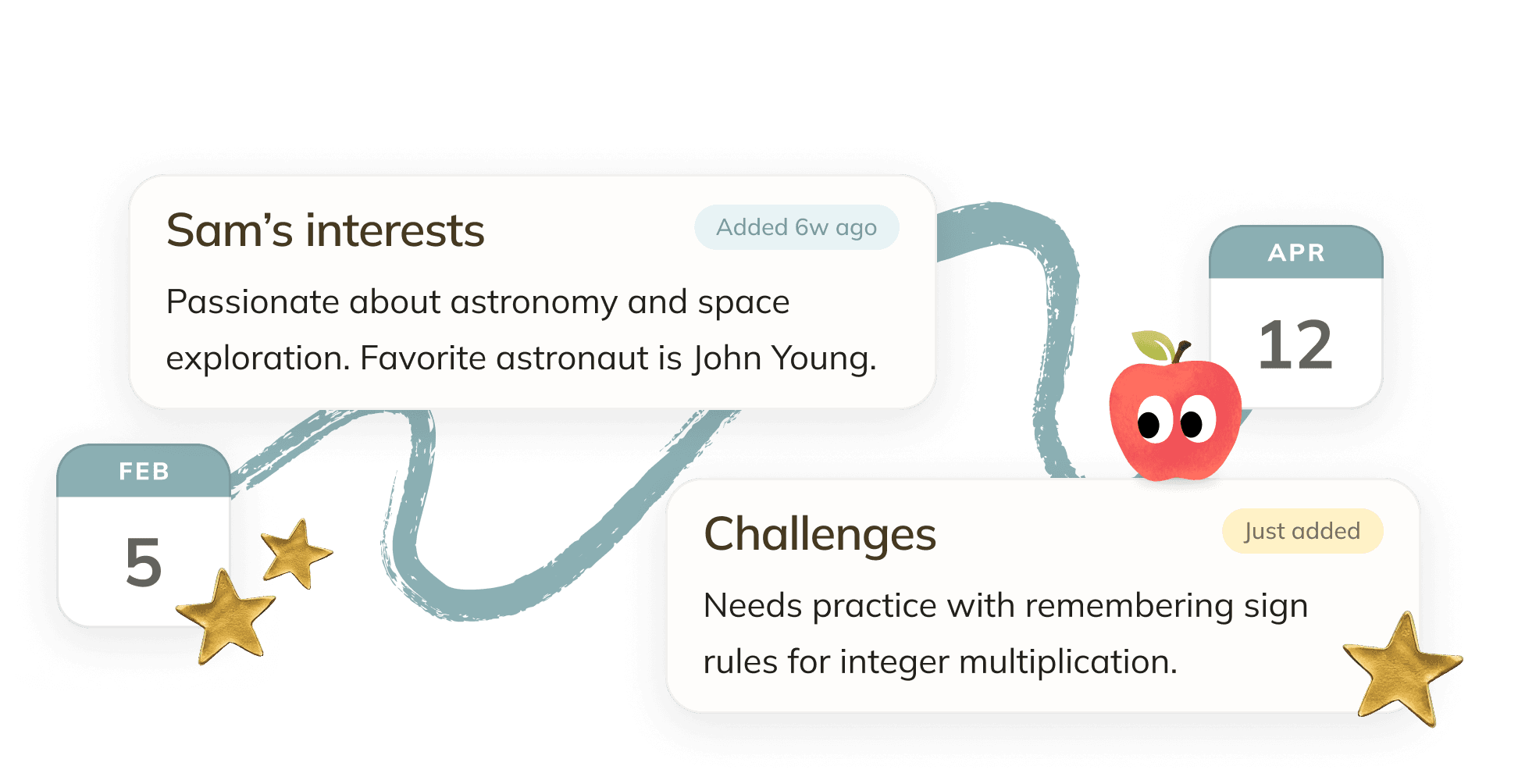
Astronomy on Aristotle is 380 skills across 16 units, each linked to the skills it builds on.

Astronomy
Pioneered by Stanford AI researchers and learning scientists, Aristotle is the world's first voice-based AI tutor. A full Astronomy course, mapped skill by skill.
Trusted by families at








Fits your child's Astronomy class
Astronomy on Aristotle is 380 skills across 16 units, each linked to the skills it builds on.
Share a syllabus, textbook, or reading list and sessions follow it, or let Aristotle lead the way through the course.
Aristotle moves on when a skill is mastered and slows down when it isn't, so no time goes to what your child already knows.
Features
Talk things through, work side by side, and come back next time to a tutor who remembers where you left off.
Ask questions out loud, hear explanations in Aristotle’s voice, and interrupt whenever you need to.
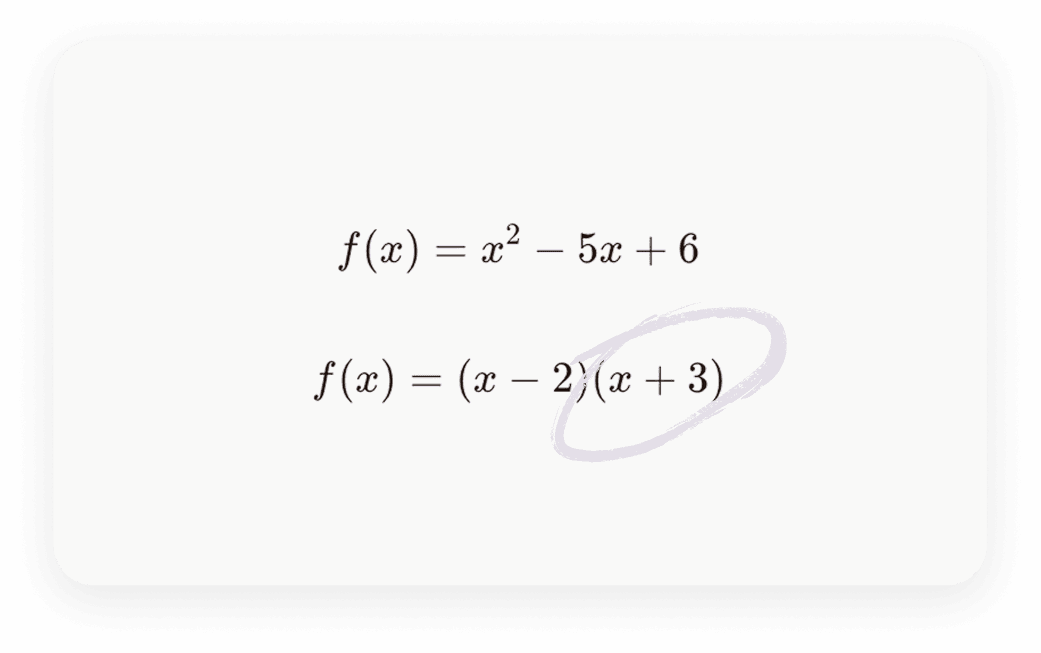
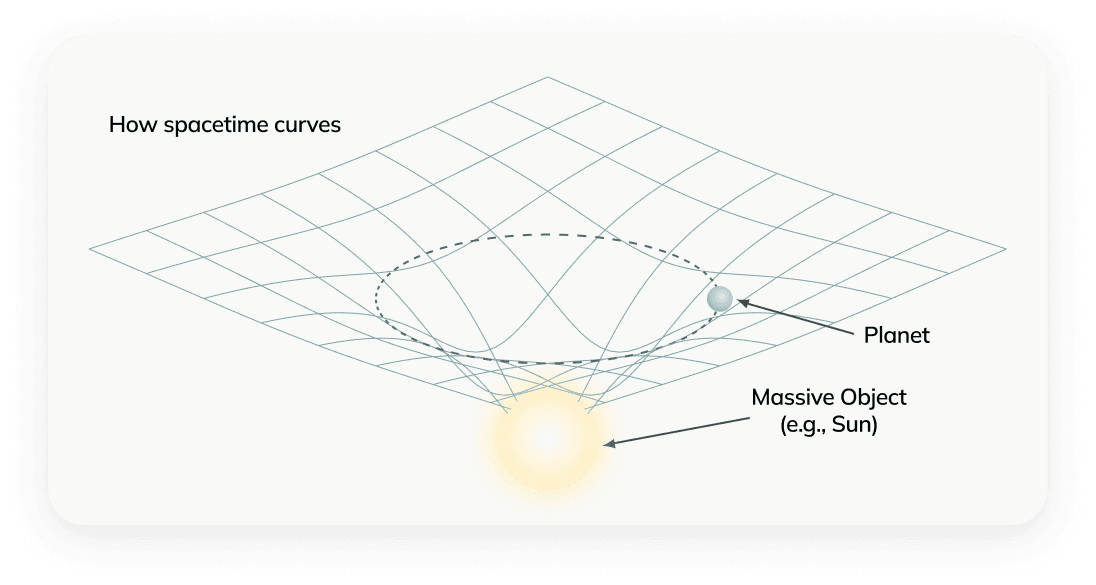
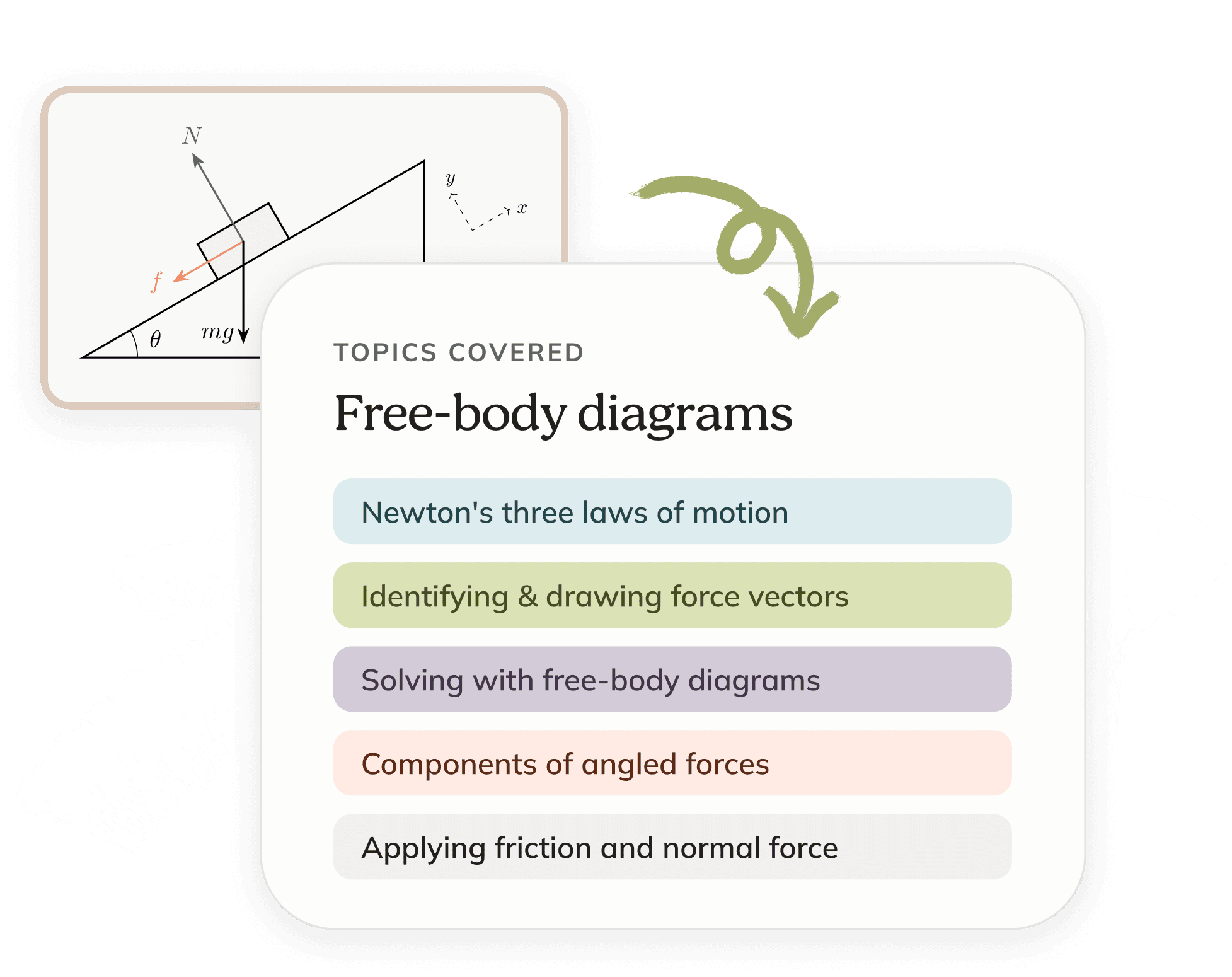
Aristotle draws steps, diagrams, and images to help you learn visually.
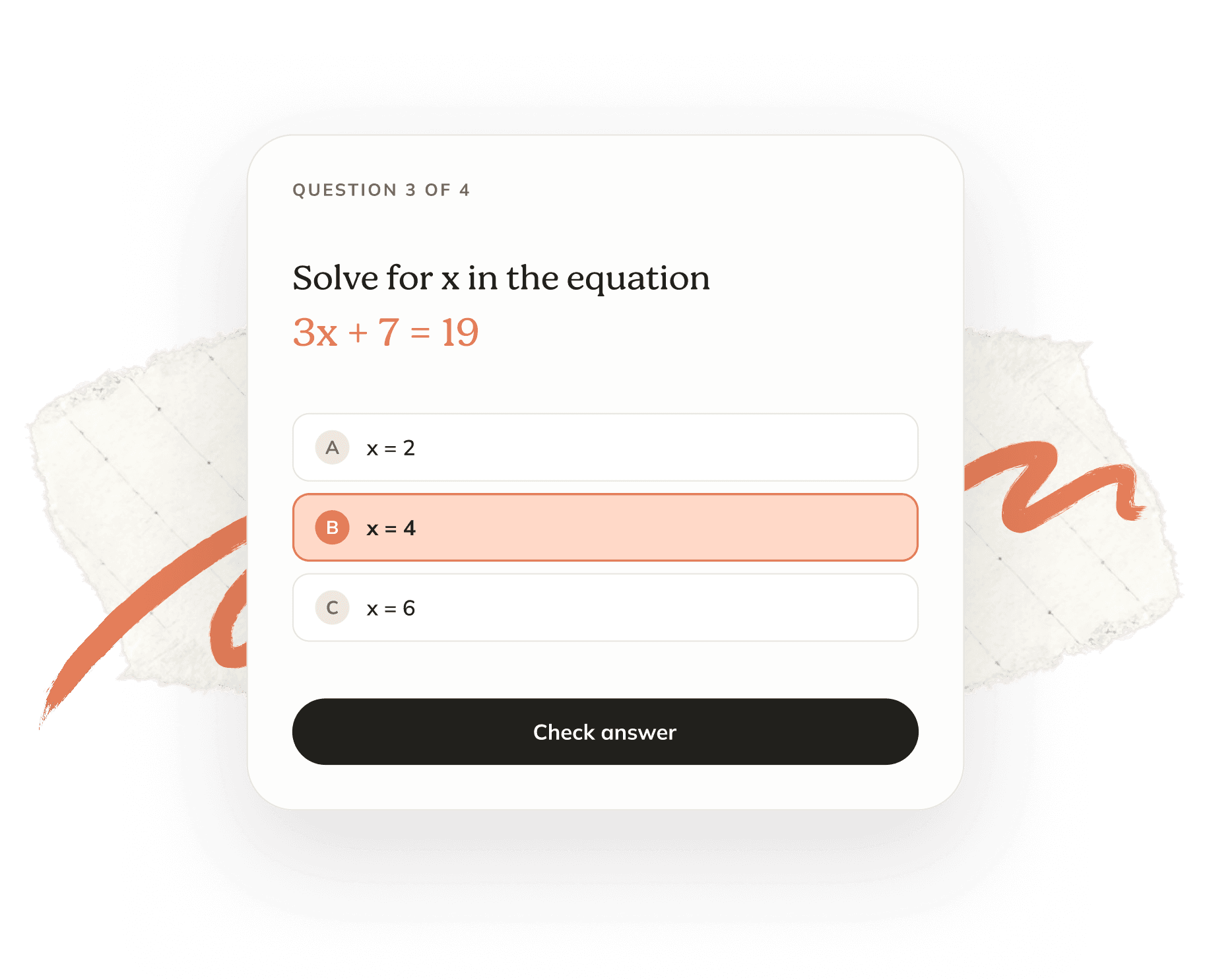
Get practice problems tailored to the exact topics you’re struggling with.
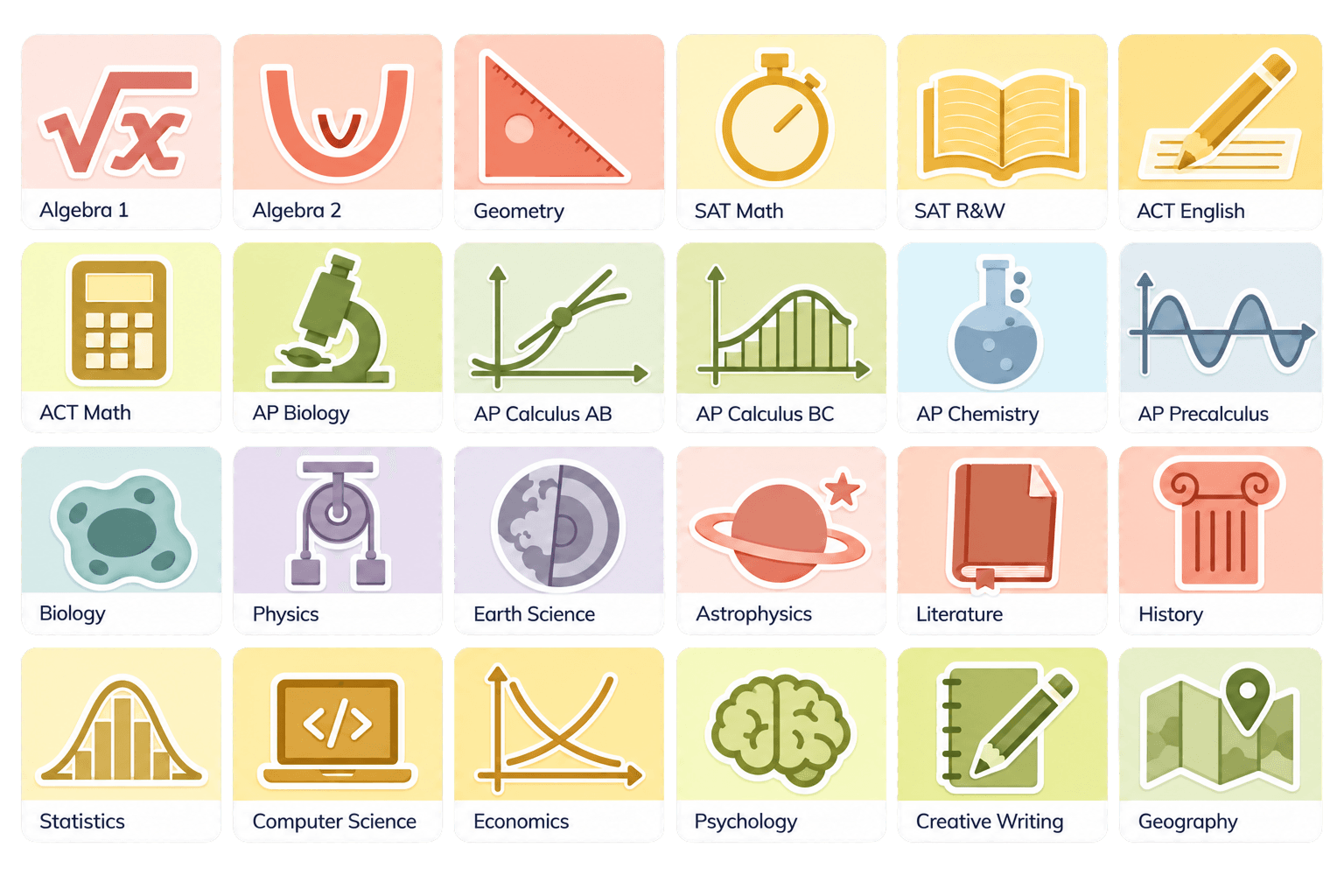
From middle-school math to AP exams to SAT/ACT prep. We also build custom plans matched to state standards and specific courses.
Revisit session summaries, session whiteboards, and uploads in one place.
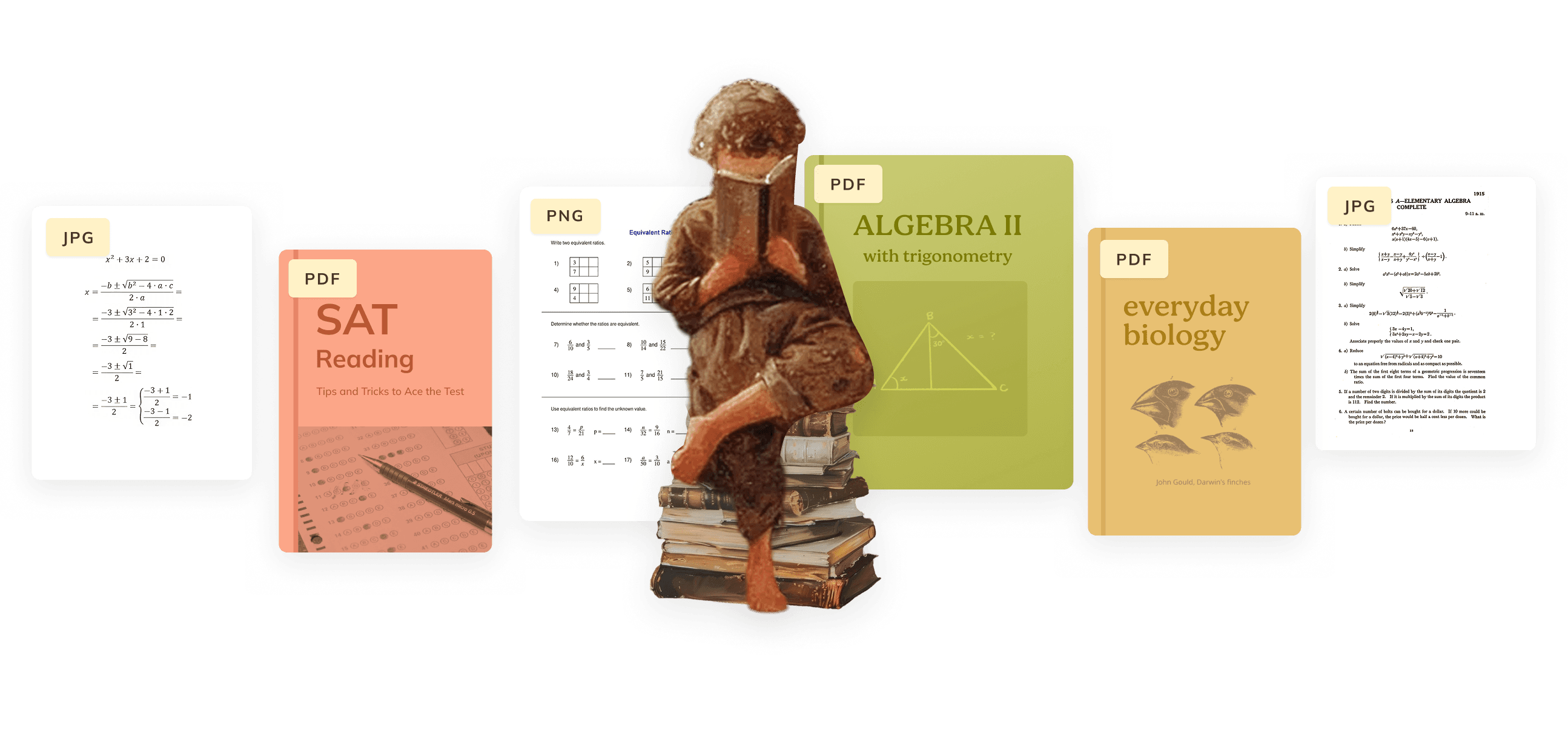
Aristotle can read and navigate any PDFs and images with the learner. That includes textbooks with hundreds of pages!
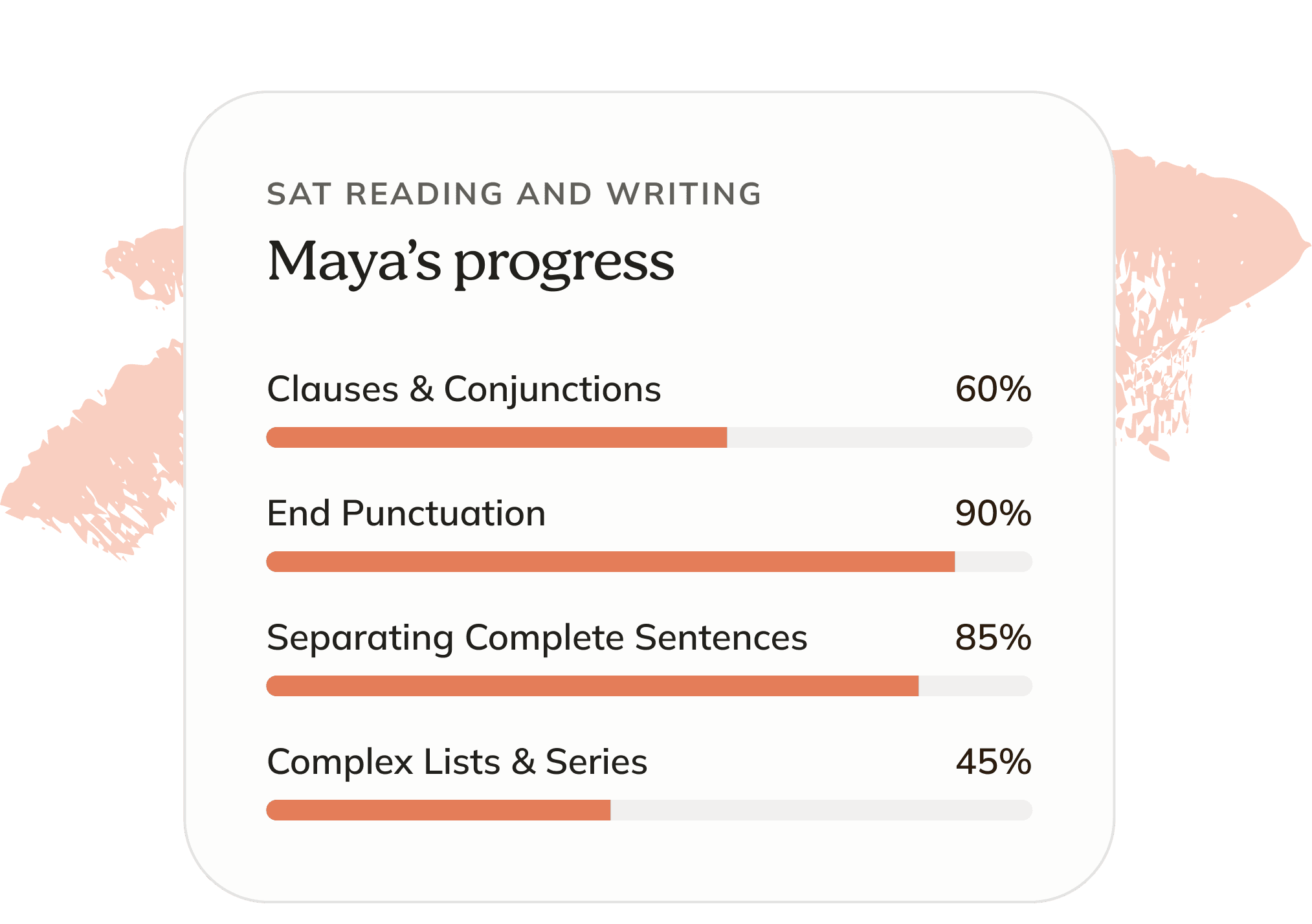
We break all subjects down into granular skills, then track mistakes and mastery on each one. Parents can see the whole picture at a glance.
Aristotle remembers every session: what you’ve covered, where you got stuck, how you like things explained. It picks up right where you left off.
The curriculum
Aristotle is designed to always know what to teach at exactly the right time.
Sample curriculum
* Click a topic to see the skills inside
Cosmic Scale and Astronomical Evidence
The Sky, Coordinates, and Time
Earth, Moon, and Sun
Gravity and Orbits
Light and Spectra
Telescopes and Observing
Planetary Systems
Planetary Worlds and Small Bodies
The Sun and Stellar Measurements
Interstellar Matter and Star Formation
Stellar Interiors and Evolution
Variable Stars and Compact Objects
The Milky Way
Galaxies and Cosmic Distances
Cosmology
Exoplanets and Life
Astronomy tutoring curriculum380 skills across 16 units
Cosmic Scale and Astronomical Evidence
Measure cosmic distances and apparent sizes, locate our surroundings, and use observations and models to support appropriately limited claims. Topics: Astronomical Measurements, Our Cosmic Setting, Light and Delayed Information, Astronomical Evidence.
The Sky, Coordinates, and Time
Directions, daily and annual motion, observer latitude, and astronomical clocks explain which parts of the sky can be seen and how their positions are recorded. Topics: Sky Reference Systems, Apparent Sky Motion, Latitude and Visibility, Solar and Sidereal Time, Spherical Sky Calculations, Epochs and Coordinate Updates, Navigation and Calendars.
Earth, Moon, and Sun
Use the geometry of Earth, Moon, and Sun to explain changing illumination, lunar phases, eclipses, and tidal cycles. Topics: Seasons and Sunlight, Lunar Phases and Timing, Viewing the Moon, Eclipse Geometry, Tidal Cycles.
Gravity and Orbits
Use gravitational interaction and orbital geometry to explain planetary motion, infer physical quantities, and trace tidal changes. Topics: Testing Orbital Models, Orbital Geometry, Kepler’s Laws, Gravitational Interaction, Orbital Motion, Tidal Dynamics.
Light and Spectra
Electromagnetic waves and photons carry information about distant matter. Topics: Electromagnetic Waves, Photons and Light Models, Atomic and Molecular Radiation, Thermal Radiation, Formation and Identification of Spectra, Motion and Spectral Line Profiles.
Telescopes and Observing
Choose and interpret instruments, quantify their performance, and carry out purposeful astronomical observations. Topics: Telescope Optics and Performance, Eyepieces and Fields, Image Scale and Exposure, Atmosphere and Observing Limits, Detector Measurements, Specialized Instruments and Displays, Practical Observing.
Planetary Systems
Formation in disks and subsequent growth, collisions, migration, and resonances explain planetary architecture. Topics: From Cloud to Disk, Condensation and Solid Building Material, Growing Planets, Architecture and Redistribution, Orbital Resonances, Evidence of Planetary Origins.
Planetary Worlds and Small Bodies
Physical processes and observations explain the interiors, surfaces, atmospheres, rings, moons, and small bodies of planetary systems. Topics: Interiors and Internal Heat, Surfaces and Geological History, Atmospheres and Circulation, Planetary Energy Balance and Climate, Magnetic Fields and Plasma, Water and Active Moons, Ring Systems, Asteroids, Comets, and Meteors.
The Sun and Stellar Measurements
Topics: The Sun as a Physical Star, Solar Activity and Space Weather, Stellar Distances and Motion, Brightness and Photometric Calibration, Spectral Classification, Stellar Sizes and the H–R Diagram, Binary Stars as Mass Measurements.
Interstellar Matter and Star Formation
Observations of gas, dust, collapsing clouds, and young objects explain how interstellar material becomes stars. Topics: Interstellar Gas, Interstellar Dust, Gas and Molecular Tracers, Cloud Collapse, Protostars and Young Stars, Star-Forming Regions.
Stellar Interiors and Evolution
Pressure balance, transport and nuclear reactions govern stellar lifetimes and mass-dependent evolutionary paths. Topics: Stellar Balance, Energy Through Stellar Interiors, Fusion and Element Production, Stellar Energy Budgets and Lifetimes, Evolutionary Paths, Stellar Populations as Clocks and Tests.
Variable Stars and Compact Objects
Changing light, compact-remnant structure and multiple messengers reveal pulsation, mass transfer, explosions and the behavior of neutron stars and black holes. Topics: Stellar Light Curves, Pulsating Stars and Distances, Eclipsing Variability, White-Dwarf Structure, Glowing and Expanding Remnants, Mass Transfer and Novae, Supernova Mechanisms and Evidence, Pulsars and Their Evolution, Compact Surfaces and Accretion, Black-Hole Boundaries and Evidence, Compact Mergers and Multiple Messengers.
The Milky Way
Topics: Structure from Inside the Galaxy, Galactic Stellar Populations, Reconstructing Galactic Gas Maps, Spiral Structure and Patterns, Galactic Mass and Dark Matter, Milky Way Assembly Evidence.
Galaxies and Cosmic Distances
Galaxy observations reveal diversity, interactions, nuclear activity, cosmic distance calibration, and the distribution of matter on larger scales. Topics: Galaxy Forms and Populations, Extragalactic Distance Calibration, Galaxy Interactions and Evolution, Active Galactic Nuclei, Groups, Clusters, and the Cosmic Web.
Cosmology
Topics: Expansion and Observable Limits, Evidence for the Hot Early Universe, Expansion History and Cosmic Models, Origins of Cosmic Structure.
Exoplanets and Life
Topics: Detecting and Validating Planets, Inferring Properties and Survey Limits, Evaluating Potential Habitats, Testing Life and Technology Claims, Exploration Choices and History, Discovery Evidence and Research Roles.
My son told me yesterday that we should cancel his human tutor, because Aristotle is doing a better job. The human tutor was $250/hour.

A few things you might wonder before getting started.
Aristotle's Astronomy course tracks 380 skills across 16 units, including Cosmic Scale and Astronomical Evidence, The Sky, Coordinates, and Time, and Earth, Moon, and Sun. Every skill is linked to the skills it builds on, so the tutor always knows which parts of Astronomy your child has mastered and what to teach next.
Check out our most recent blog posts.
This could be you
For homework, supporting your child, or anything you’ve always wanted to know more about, Aristotle makes it easy for anyone to learn out loud.