College Board framework
Every AP US Government and Politics skill maps to a unit and topic in the College Board's course and exam description, so sessions match what the exam tests.

AP US Government and Politics
Pioneered by Stanford AI researchers and learning scientists, Aristotle is the world's first voice-based AI tutor. Built for the AP US Government and Politics course and exam.
Trusted by families at









AP exam prep
Aristotle tracks 99 AP US Government and Politics skills, finds the ones costing your child points, and plans review back from the May exam.
Follows the College Board's units.
Your child talks it through. Aristotle coaches from the step that went wrong.
Any time before the exam. No booking.
See what's mastered and what's left.
Features
Talk things through, work side by side, and come back next time to a tutor who remembers where you left off.
Ask questions out loud, hear explanations in Aristotle’s voice, and interrupt whenever you need to.
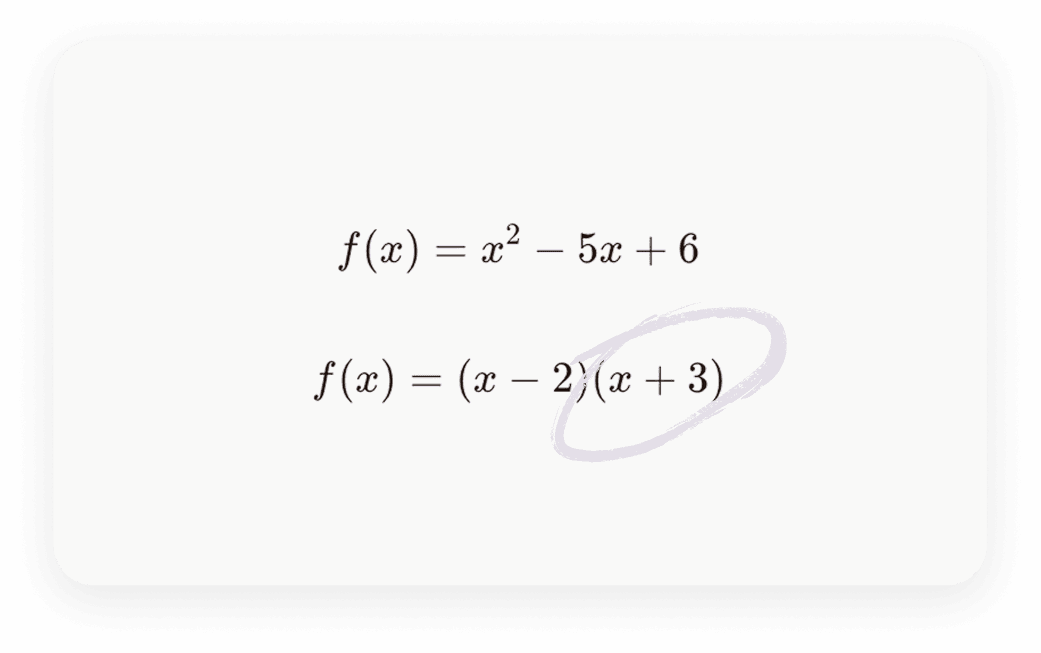
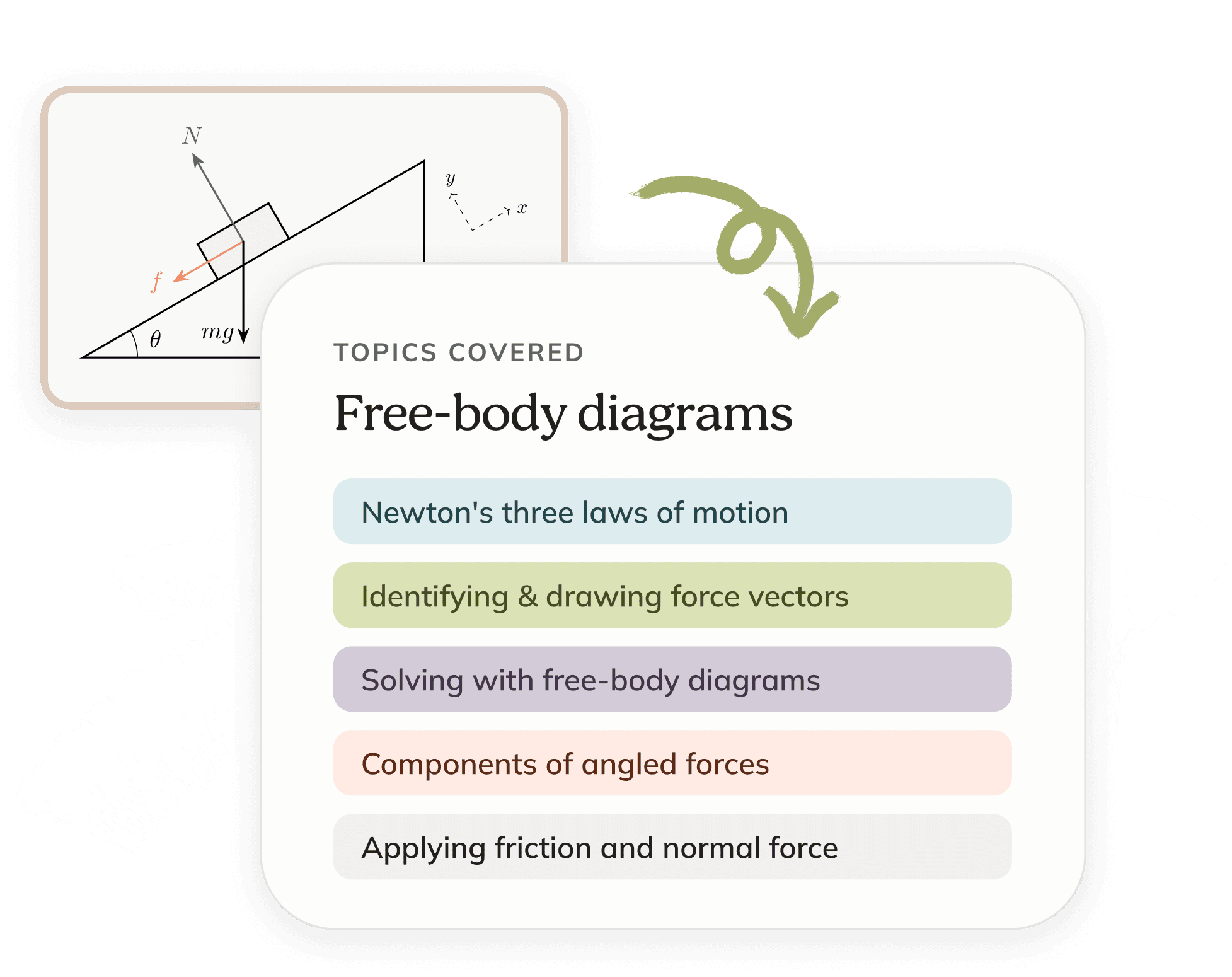
Aristotle draws steps, diagrams, and images to help you learn visually.
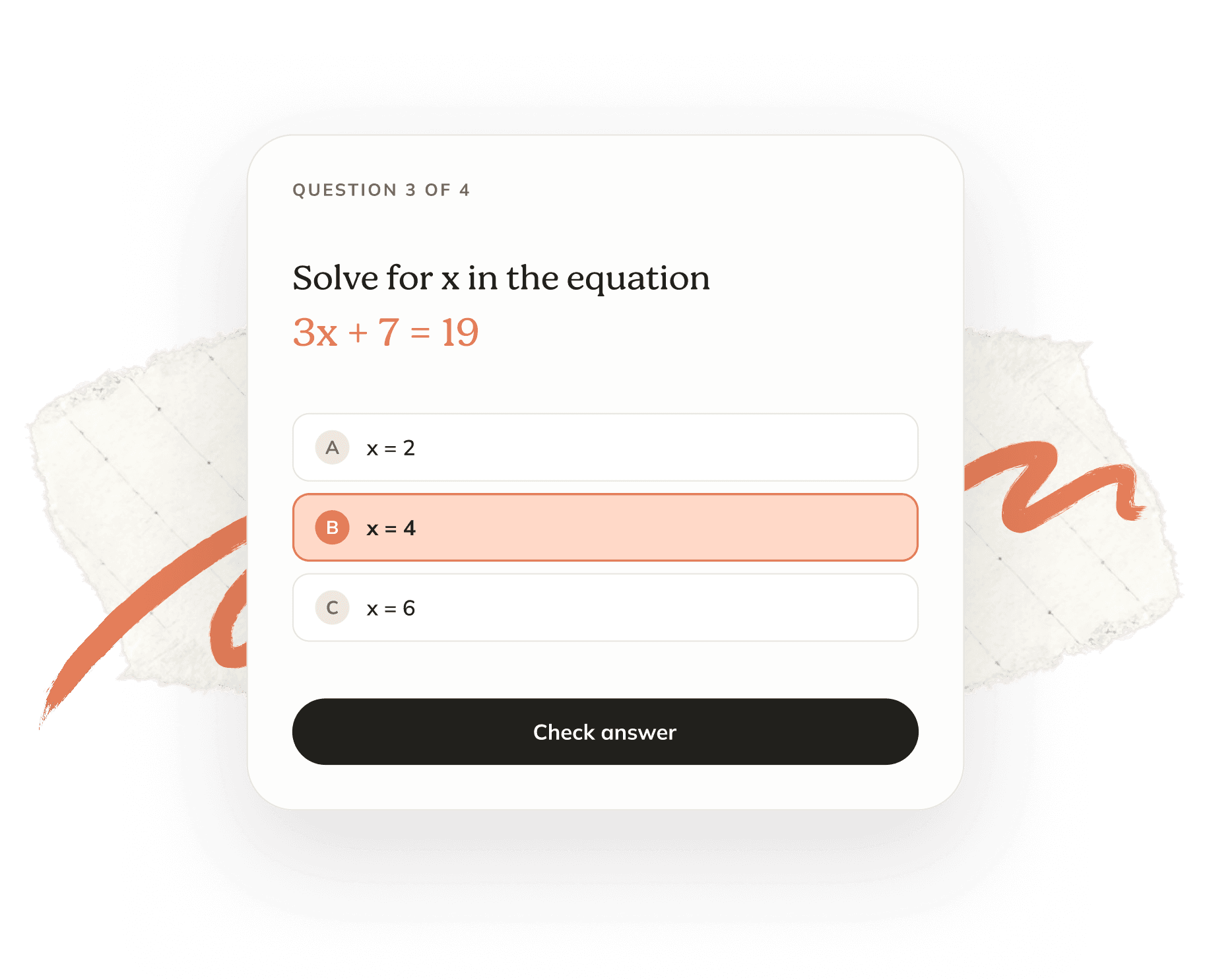
Get practice problems tailored to the exact topics you’re struggling with.
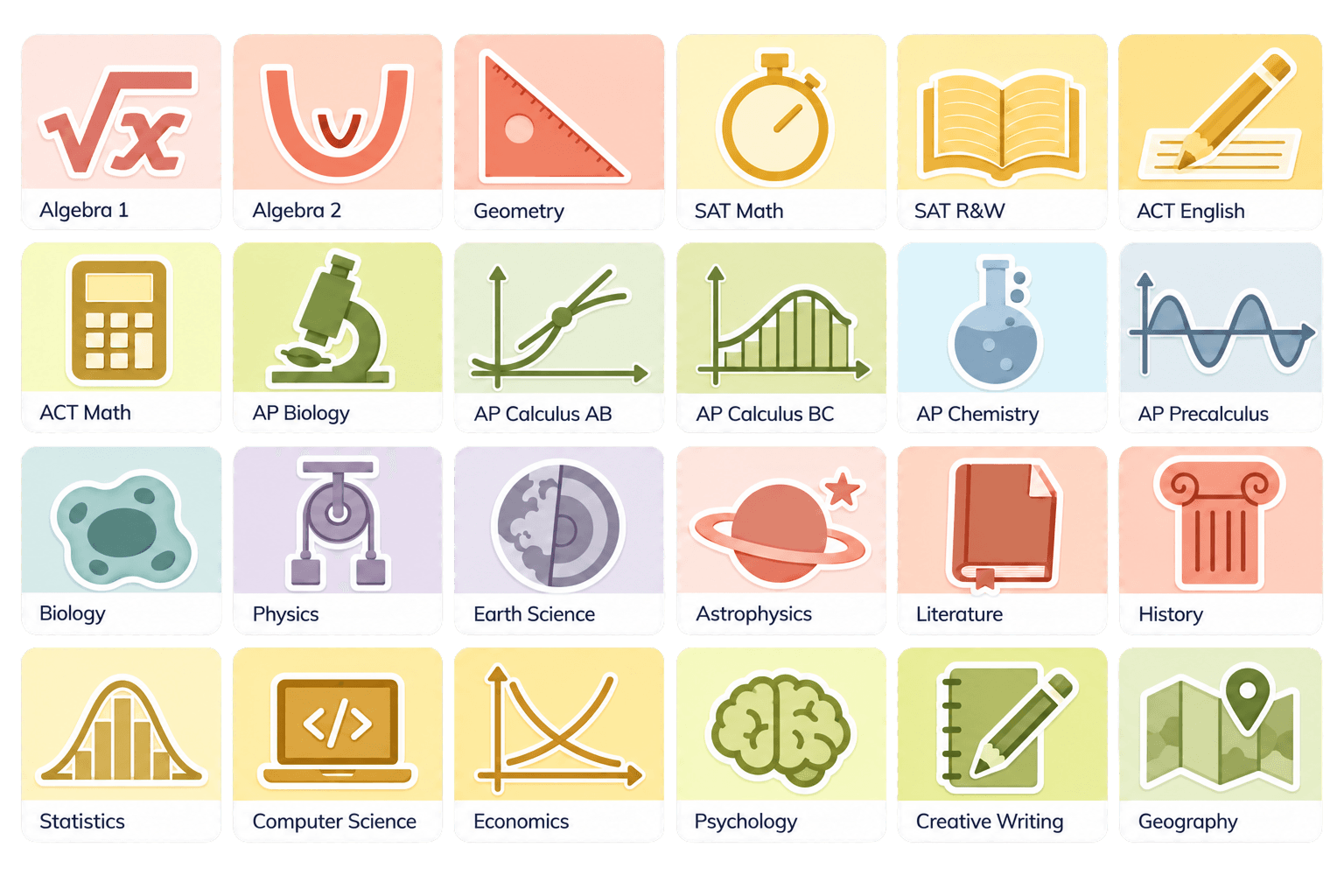
From middle-school math to AP exams to SAT/ACT prep. We also build custom plans matched to state standards and specific courses.
Revisit session summaries, session whiteboards, and uploads in one place.
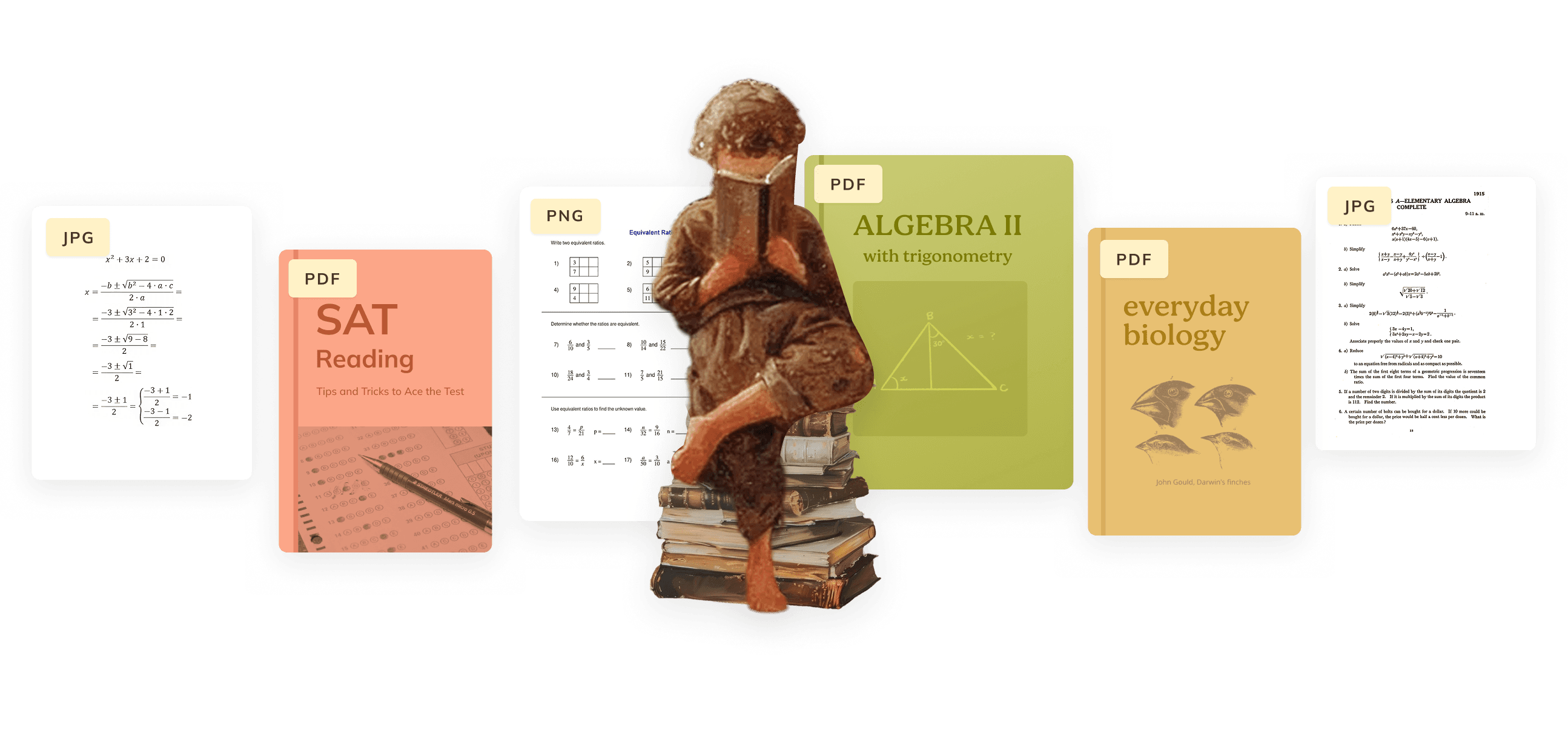
Aristotle can read and navigate any PDFs and images with the learner. That includes textbooks with hundreds of pages!
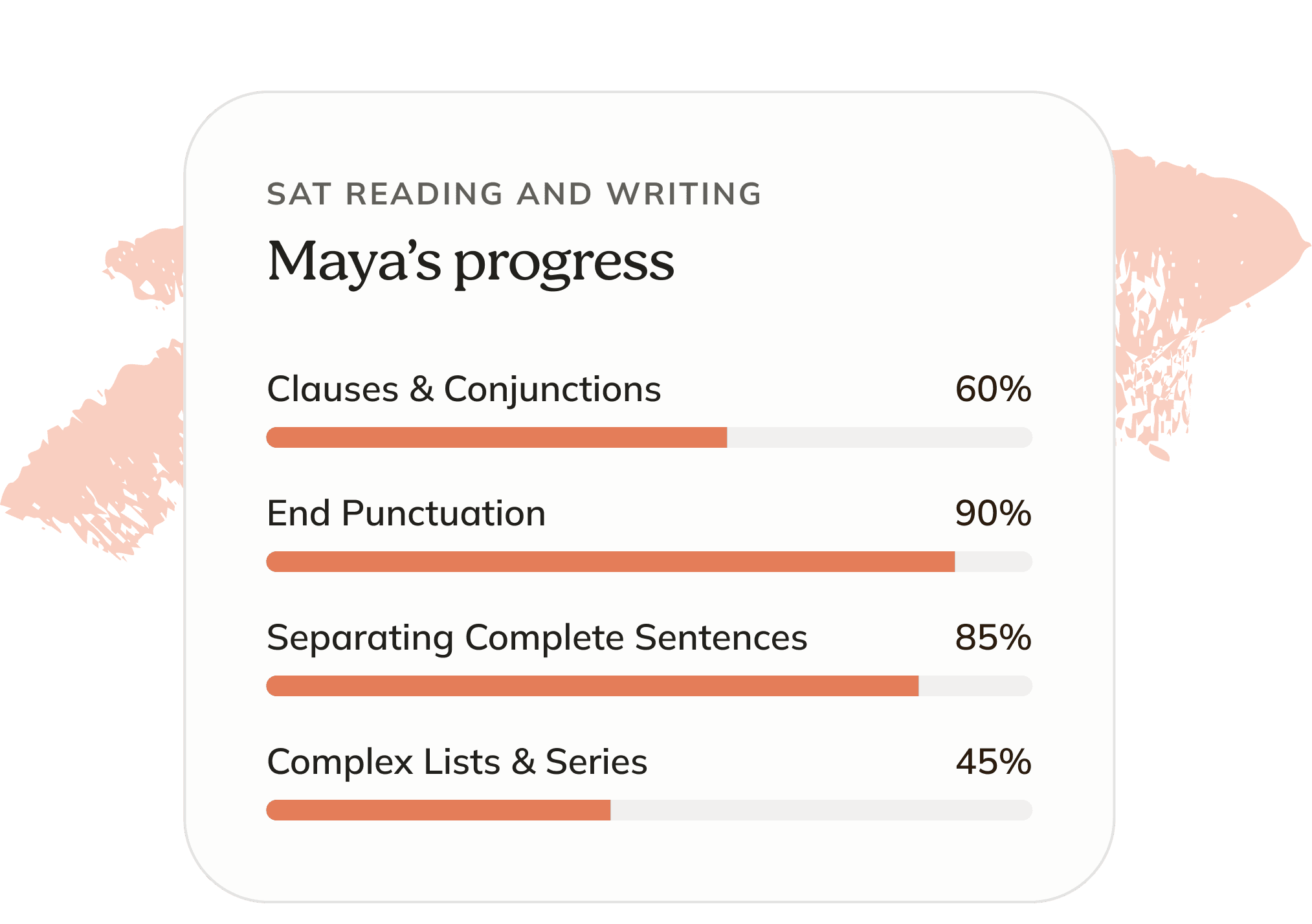
We break all subjects down into granular skills, then track mistakes and mastery on each one. Parents can see the whole picture at a glance.
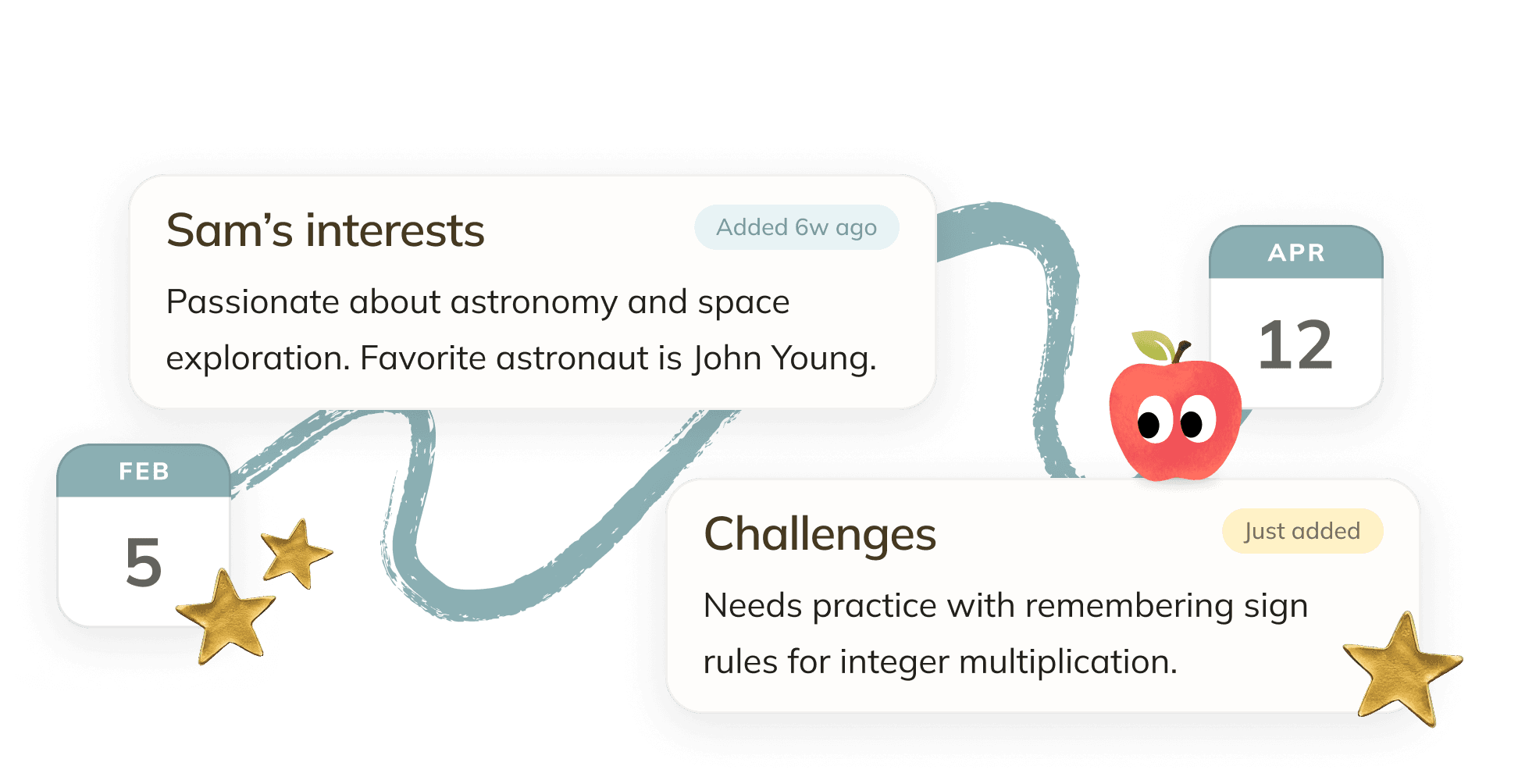
Aristotle remembers every session: what you’ve covered, where you got stuck, how you like things explained. It picks up right where you left off.
The curriculum
Aristotle is designed to always know what to teach at exactly the right time.
Sample curriculum
* Click a topic to see the skills inside
Political Analysis Skills
Foundations of American Democracy
Interactions Among Branches of Government
Civil Liberties and Civil Rights
American Political Ideologies and Beliefs
Political Participation
AP US Government and Politics tutoring curriculum99 skills across 6 units
Political Analysis Skills
The ways of thinking this course uses from the first day: applying a political concept to a new scenario, reading tables, charts, maps, and polls to describe patterns and draw supported conclusions, reading a text or visual source for its argument and perspective, comparing a new Supreme Court case with a required precedent on a shared principle, and building a written argument with a defensible claim, evidence from foundational documents, reasoning, and a rebuttal. Topics: Applying Concepts to Scenarios, Reading Political Data, Reading Text and Visual Sources, Comparing Supreme Court Cases, Building a Political Argument.
Foundations of American Democracy
The ideas and structures the American system is built on: the democratic ideals in the Declaration of Independence, the Constitution, and the Gettysburg Address; the participatory, pluralist, and elite models of democracy; the Federalist and Anti-Federalist debate in Federalist No. Topics: Democratic Ideals and the Founding Documents, Models of Representative Democracy, Federalists and Anti-Federalists, From the Articles to the Constitution, Separation of Powers and Checks and Balances, Federalism.
Interactions Among Branches of Government
How the national government's institutions work and work against one another: the two chambers of Congress and the rules that move or stall a bill, the forces that shape how members vote, the president's formal and informal powers and the checks on them, the judiciary's independence and the power of judicial review from Federalist No. Topics: Congress: Two Chambers, How Congress Makes Law, Congressional Behavior, The Presidency, The Federal Judiciary, The Federal Bureaucracy.
Civil Liberties and Civil Rights
How the Constitution protects people against their own government, and how those protections have been argued over in court: the Bill of Rights and its extension to the states through selective incorporation (McDonald v. Topics: The Bill of Rights and Incorporation, Freedom of Religion, Freedom of Speech, Freedom of the Press, Balancing Liberty with Order and Safety, Due Process and the Rights of the Accused, Civil Rights Movements and Government Responses, Minority Rights, Majority Rule, and Affirmative Action.
American Political Ideologies and Beliefs
Where Americans' political beliefs come from and how they are measured and expressed: the core values of individualism, equality of opportunity, free enterprise (grounded in Adam Smith's Wealth of Nations), and the rule of law, and how different readings of those values produce different views of government; political socialization through family, school, peers, media, and organizations, and the generational, life-cycle, and event effects that shape ideology; scientific polling and how to judge claims built on it; and how liberal, conservative, and libertarian ideologies, carried by the two major parties, shape debates over regulating the market, fiscal and monetary policy, and the government's role in social issues. Topics: Core Values and Political Culture, Political Socialization, Measuring and Evaluating Public Opinion, Ideology, Parties, and Policy.
Political Participation
How citizens' preferences reach government and how government answers: the amendments that expanded the vote and the models that describe how people decide to vote; the structural, personal, and demographic factors behind turnout; political parties as linkage institutions and how they adapt; the barriers that keep third parties from winning; interest groups, movements, and other actors competing to shape policy; presidential and congressional elections, including the Electoral College and the incumbency advantage; modern campaigns and the rules and court decisions (Citizens United v. Topics: Voting Rights and Voter Behavior, Political Parties, Interest Groups and Other Policy Actors, Elections and Campaigns, Campaign Finance, The Media.
My son told me yesterday that we should cancel his human tutor, because Aristotle is doing a better job. The human tutor was $250/hour.

A few things you might wonder before getting started.
Aristotle's AP US Government and Politics course tracks 99 skills across 6 units, mapped to the College Board framework, including Political Analysis Skills, Foundations of American Democracy, and Interactions Among Branches of Government. Every skill is linked to the skills it builds on, so the tutor always knows which parts of AP US Government and Politics your child has mastered and what to teach next.
Check out our most recent blog posts.

This could be you
For homework, supporting your child, or anything you’ve always wanted to know more about, Aristotle makes it easy for anyone to learn out loud.