College Board framework
Every AP Research skill maps to a unit and topic in the College Board's course and exam description, so sessions match what the exam tests.

AP Research
Pioneered by Stanford AI researchers and learning scientists, Aristotle is the world's first voice-based AI tutor. Built for the AP Research course and exam.
Trusted by families at








AP exam prep
Aristotle tracks 130 AP Research skills, finds the ones costing your child points, and plans review back from the May exam.
Follows the College Board's units.
Your child talks it through. Aristotle coaches from the step that went wrong.
Any time before the exam. No booking.
See what's mastered and what's left.
Features
Talk things through, work side by side, and come back next time to a tutor who remembers where you left off.
Ask questions out loud, hear explanations in Aristotle’s voice, and interrupt whenever you need to.
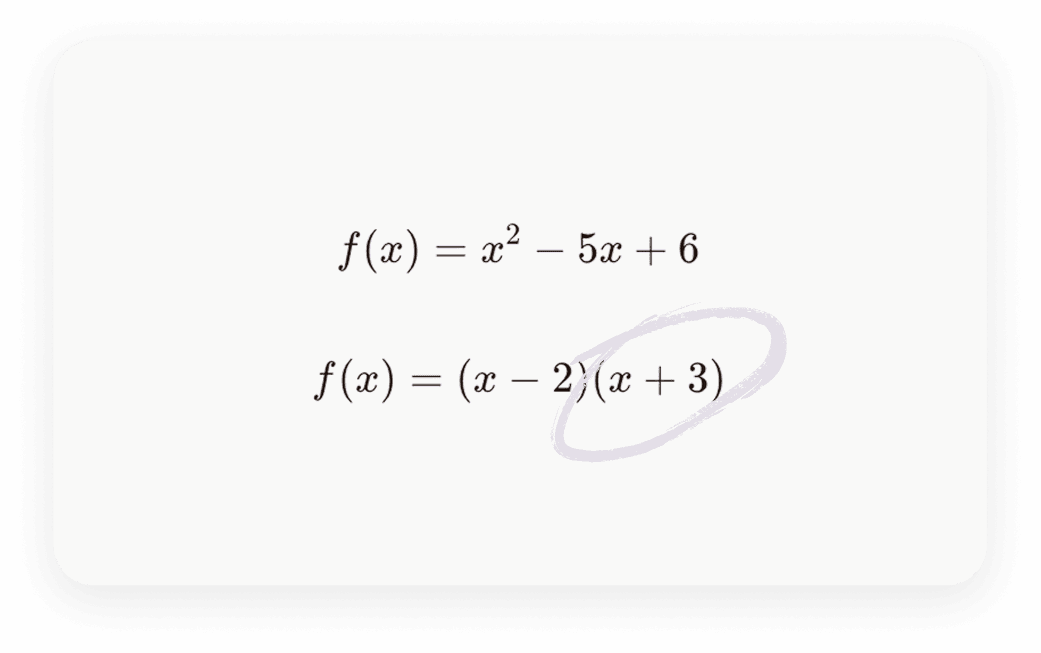
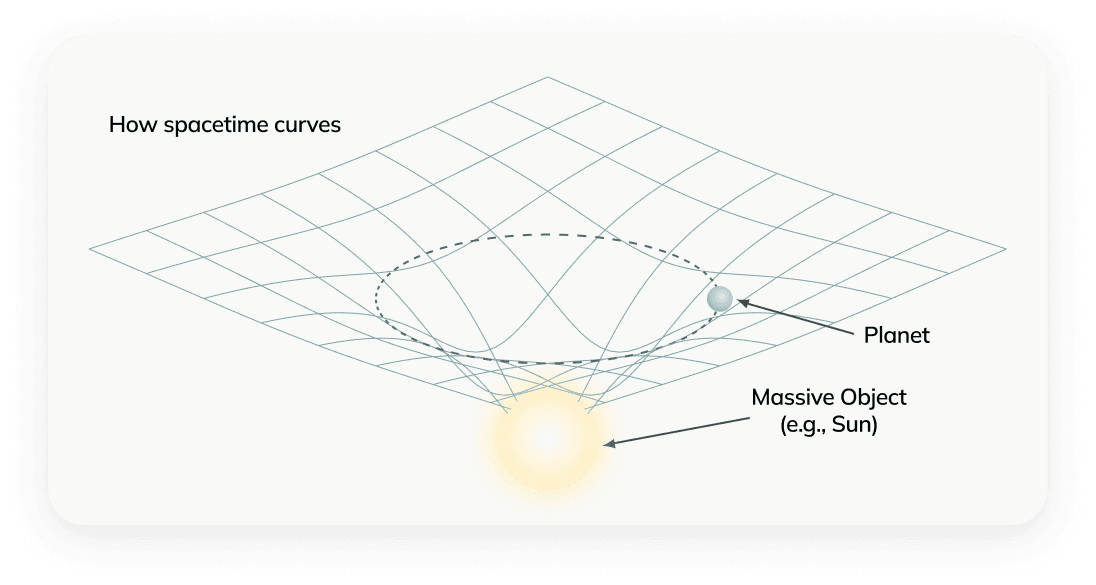
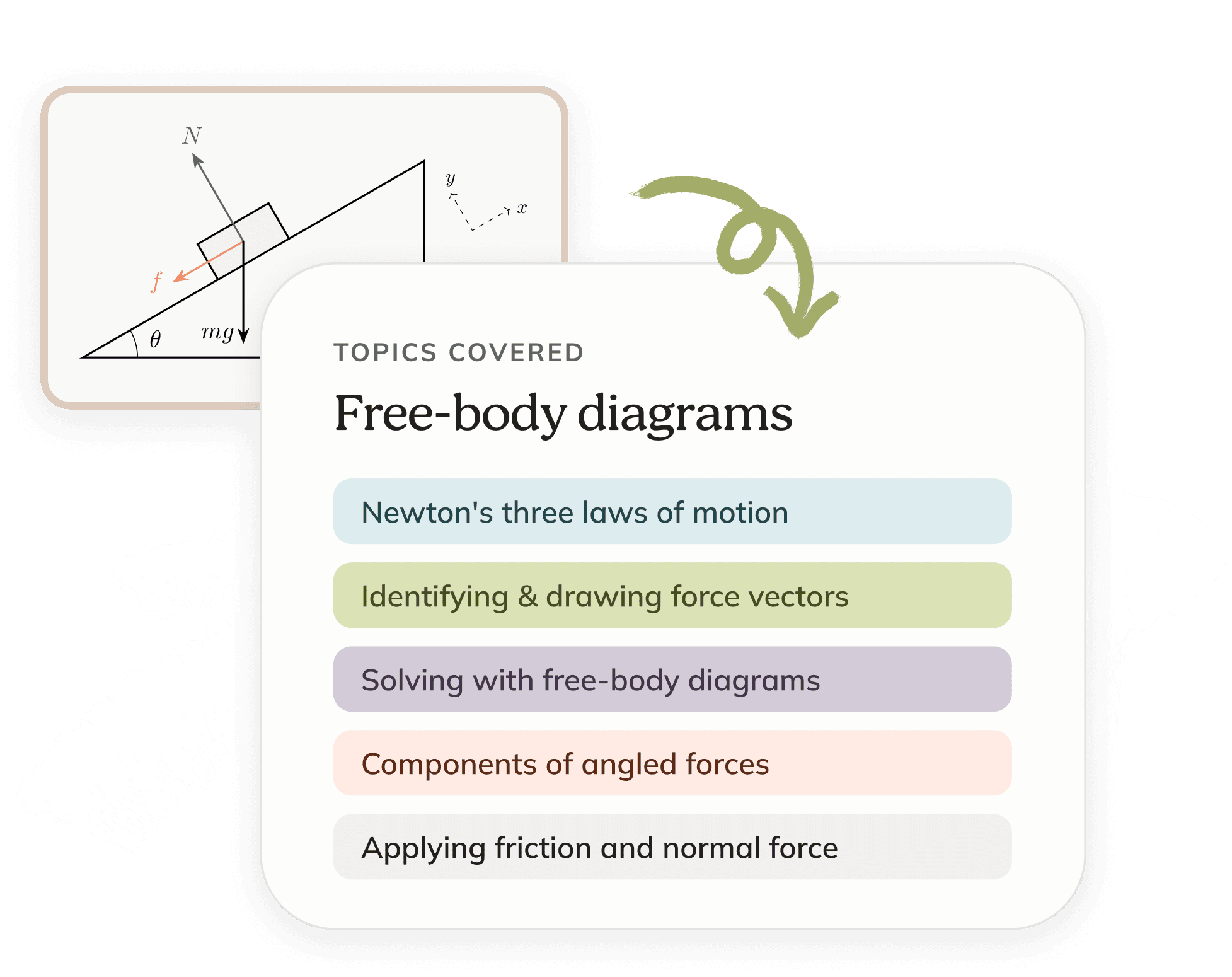
Aristotle draws steps, diagrams, and images to help you learn visually.
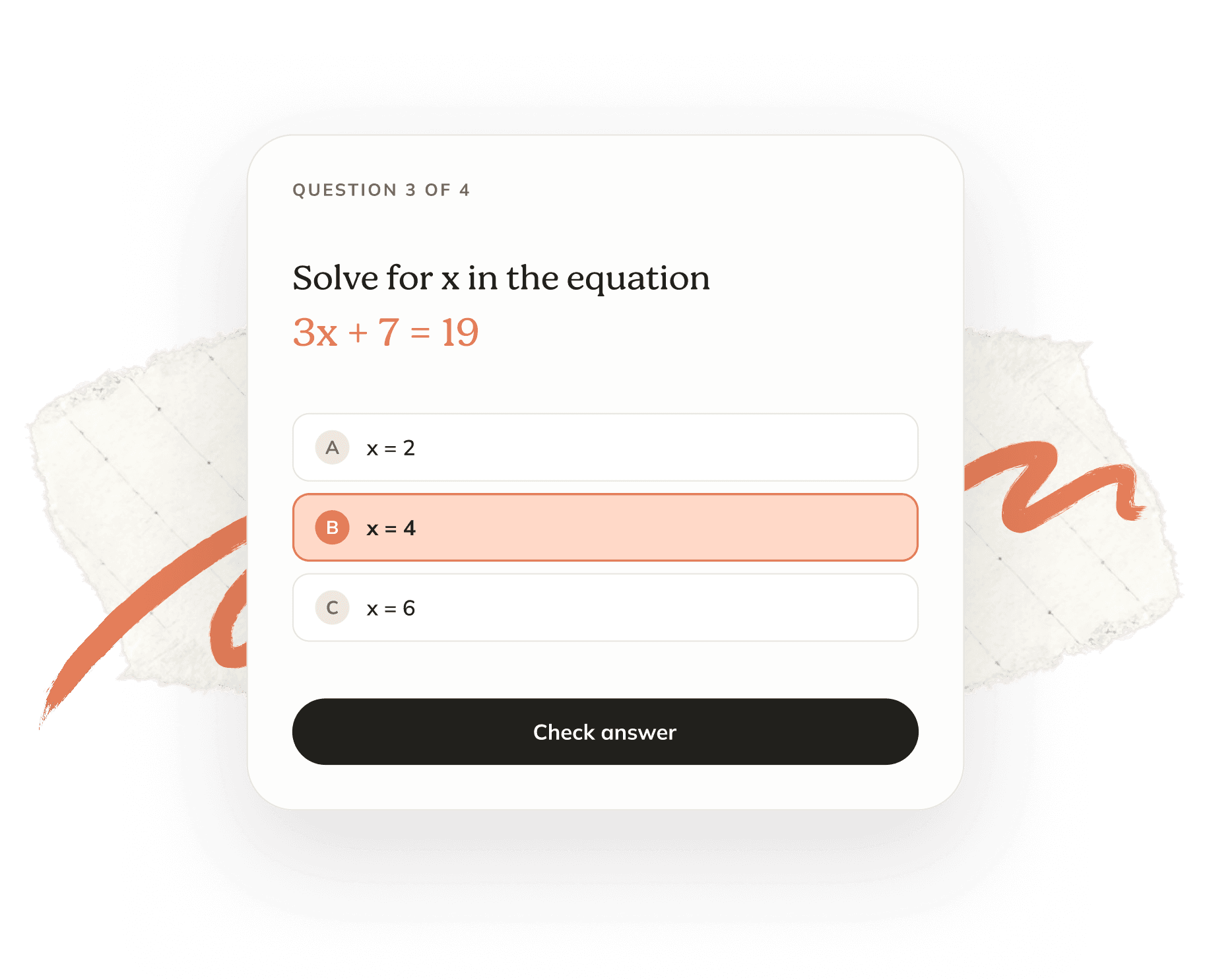
Get practice problems tailored to the exact topics you’re struggling with.
From middle-school math to AP exams to SAT/ACT prep. We also build custom plans matched to state standards and specific courses.
Revisit session summaries, session whiteboards, and uploads in one place.
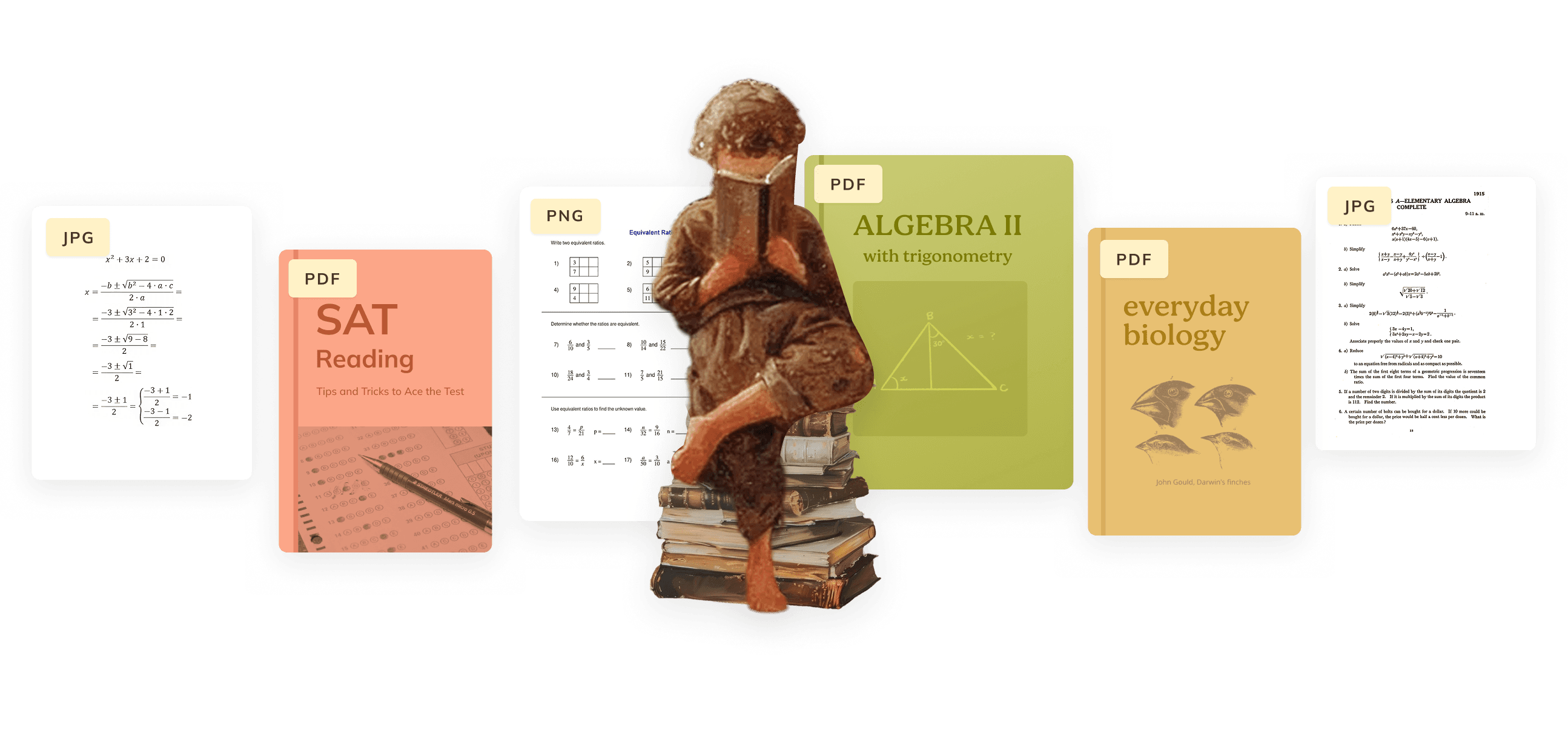
Aristotle can read and navigate any PDFs and images with the learner. That includes textbooks with hundreds of pages!
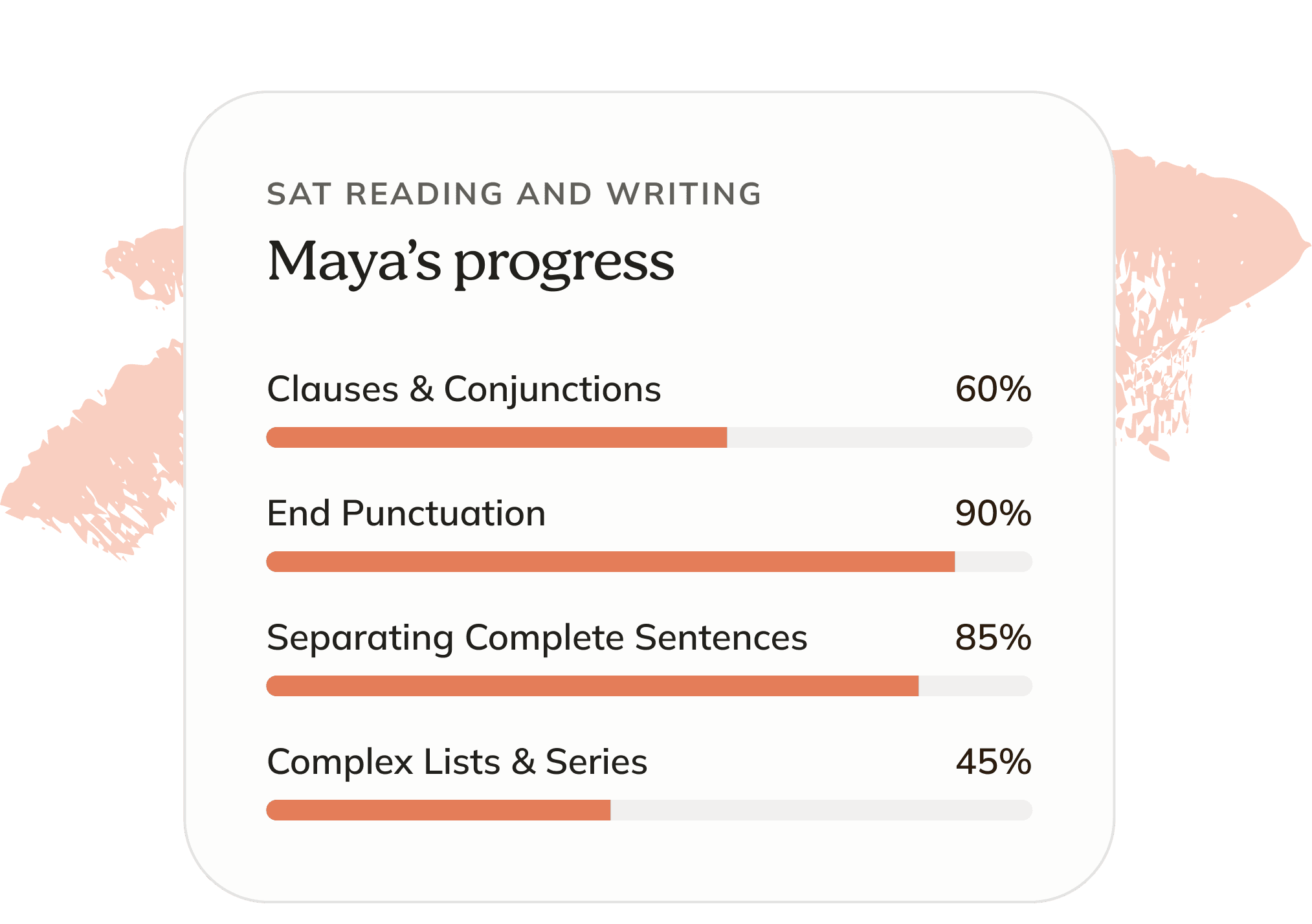
We break all subjects down into granular skills, then track mistakes and mastery on each one. Parents can see the whole picture at a glance.
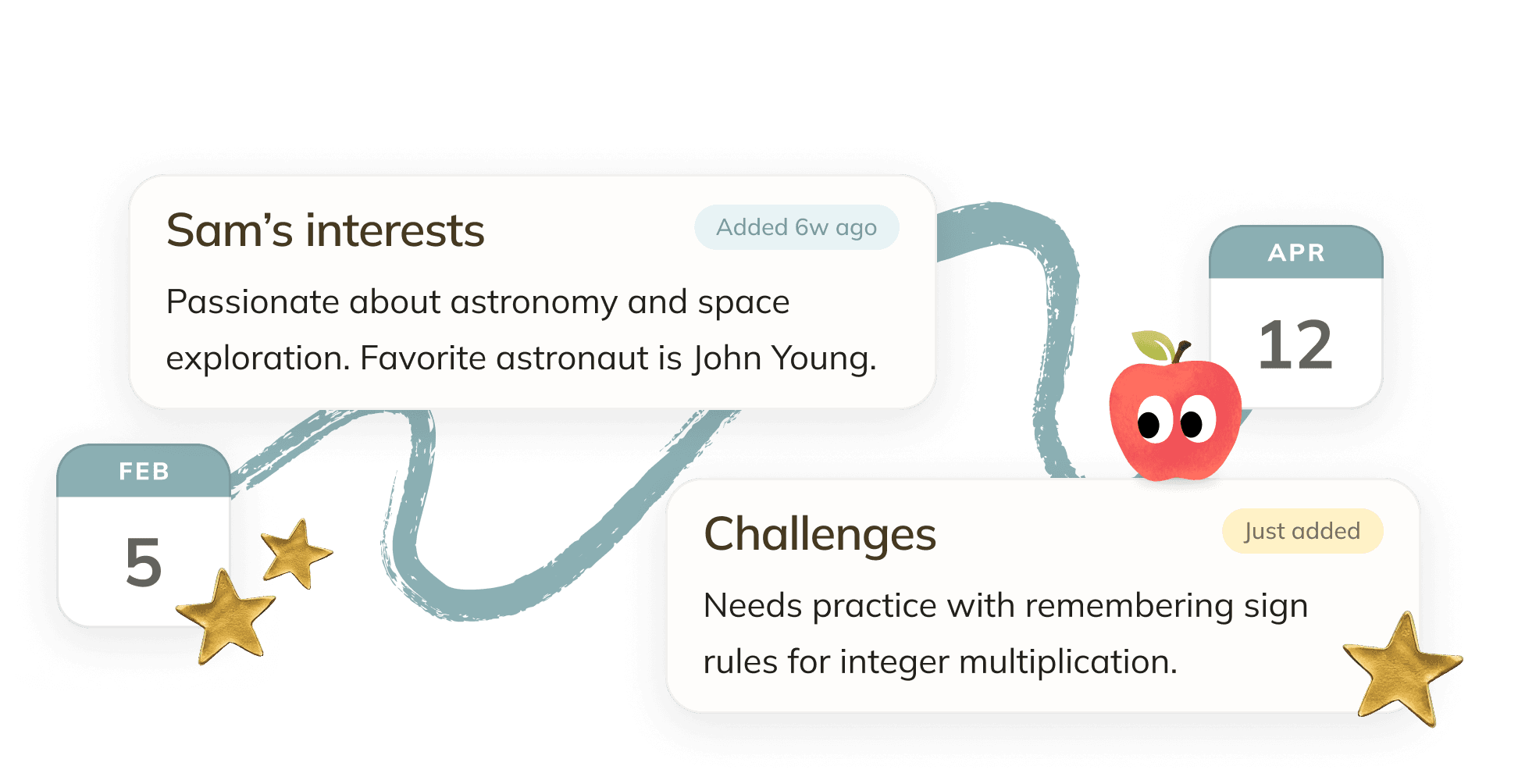
Aristotle remembers every session: what you’ve covered, where you got stuck, how you like things explained. It picks up right where you left off.
The curriculum
Aristotle is designed to always know what to teach at exactly the right time.
Sample curriculum
* Click a topic to see the skills inside
Question and Explore
Understand and Analyze
Evaluate Multiple Perspectives
Synthesize Ideas
Team, Transform, and Transmit
AP Research tutoring curriculum130 skills across 5 units
Question and Explore
Topics: Personal interest and intellectual curiosity inspire investigation of topics or issues that may or may not be clearly defined., Strengthening understanding of a concept or issue requires questioning existing ideas, using what is known to discover what is not known, and making connections to prior knowledge., The investigative process is aided by the effective organization, management, and selection of resources and information., The relevance and credibility of the source of information is determined by the context of its use., There are multiple ways to investigate questions, problems, and issues..
Understand and Analyze
Topics: Authors express their ideas, perspectives, and/or arguments through their works., Authors choose evidence to shape and support their arguments., Arguments have implications and consequences..
Evaluate Multiple Perspectives
Topics: Different perspectives often lead to competing and alternative arguments., Not all arguments are equal; some arguments are more credible/valid than others..
Synthesize Ideas
Topics: Scholarly works convey perspectives and demonstrate effective reasoning that have been selected for the intended audience, purpose, and situation., Scholars responsibly and purposefully engage with the evidence to develop a compelling argument or aesthetic rationale., Responsible participation in the scholarly community requires acknowledging and respecting the usin prior findings and contributions of others., Forming one’s own perspective and reaching new understandings involve innovative thinking and synthesis of existing knowledge with personally generated evidence., Arguments, choices, and solutions present intended and unintended opportunities and consequences..
Team, Transform, and Transmit
Topics: How a perspective or argument is presented affects how people interpret or react to it., Teams are most effective when they draw on the diverse perspectives, skills, and backgrounds of team members to address complex, open-ended problems., Reflection increases learning, self-awareness, and personal growth through identification and evaluation of personal conclusions and their implications., Scholars perform, present, and/or produce their work within a larger community..
My son told me yesterday that we should cancel his human tutor, because Aristotle is doing a better job. The human tutor was $250/hour.

A few things you might wonder before getting started.
Aristotle's AP Research course tracks 130 skills across 5 units, mapped to the College Board framework, including Question and Explore, Understand and Analyze, and Evaluate Multiple Perspectives. Every skill is linked to the skills it builds on, so the tutor always knows which parts of AP Research your child has mastered and what to teach next.
Check out our most recent blog posts.

This could be you
For homework, supporting your child, or anything you’ve always wanted to know more about, Aristotle makes it easy for anyone to learn out loud.