College Board framework
Every AP Psychology skill maps to a unit and topic in the College Board's course and exam description, so sessions match what the exam tests.

AP Psychology
Pioneered by Stanford AI researchers and learning scientists, Aristotle is the world's first voice-based AI tutor. Built for the AP Psychology course and exam.
Trusted by families at








AP exam prep
Aristotle tracks 109 AP Psychology skills, finds the ones costing your child points, and plans review back from the May exam.
Follows the College Board's units.
Your child talks it through. Aristotle coaches from the step that went wrong.
Any time before the exam. No booking.
See what's mastered and what's left.
Features
Talk things through, work side by side, and come back next time to a tutor who remembers where you left off.
Ask questions out loud, hear explanations in Aristotle’s voice, and interrupt whenever you need to.
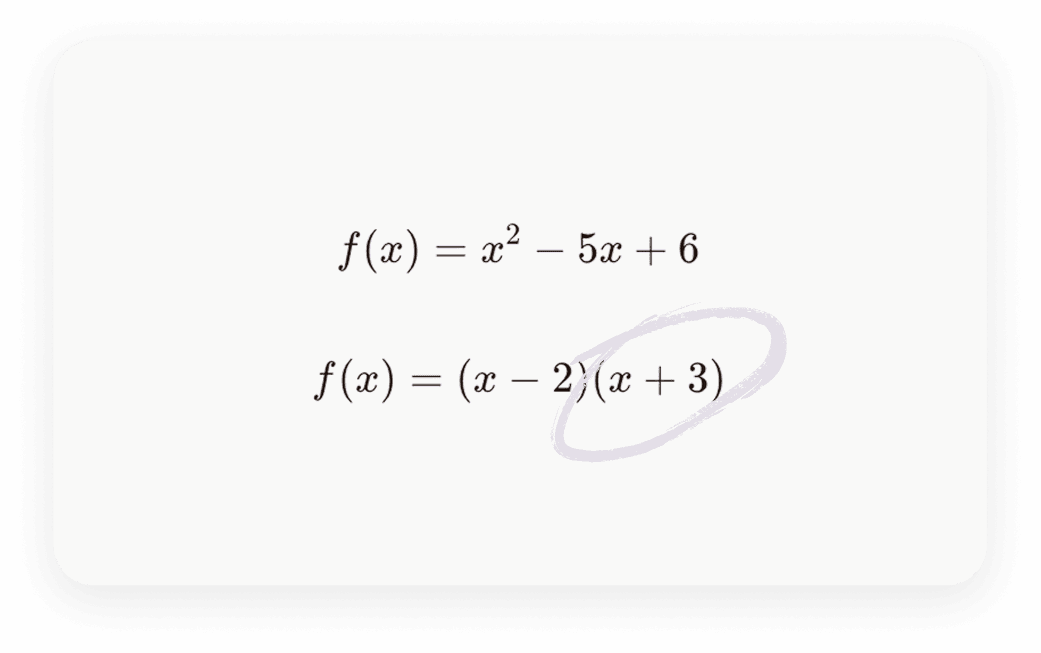
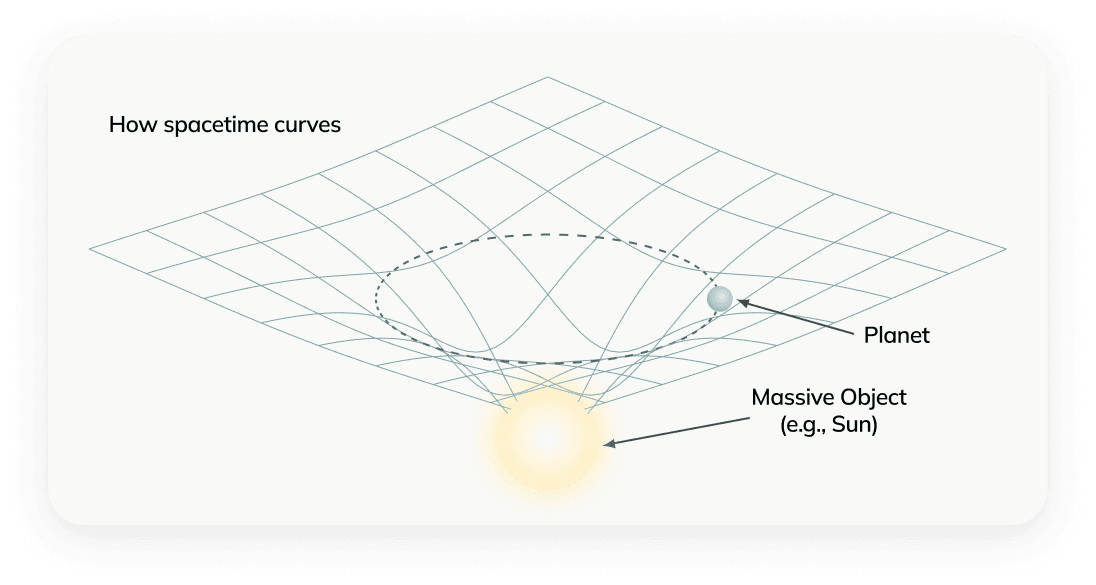
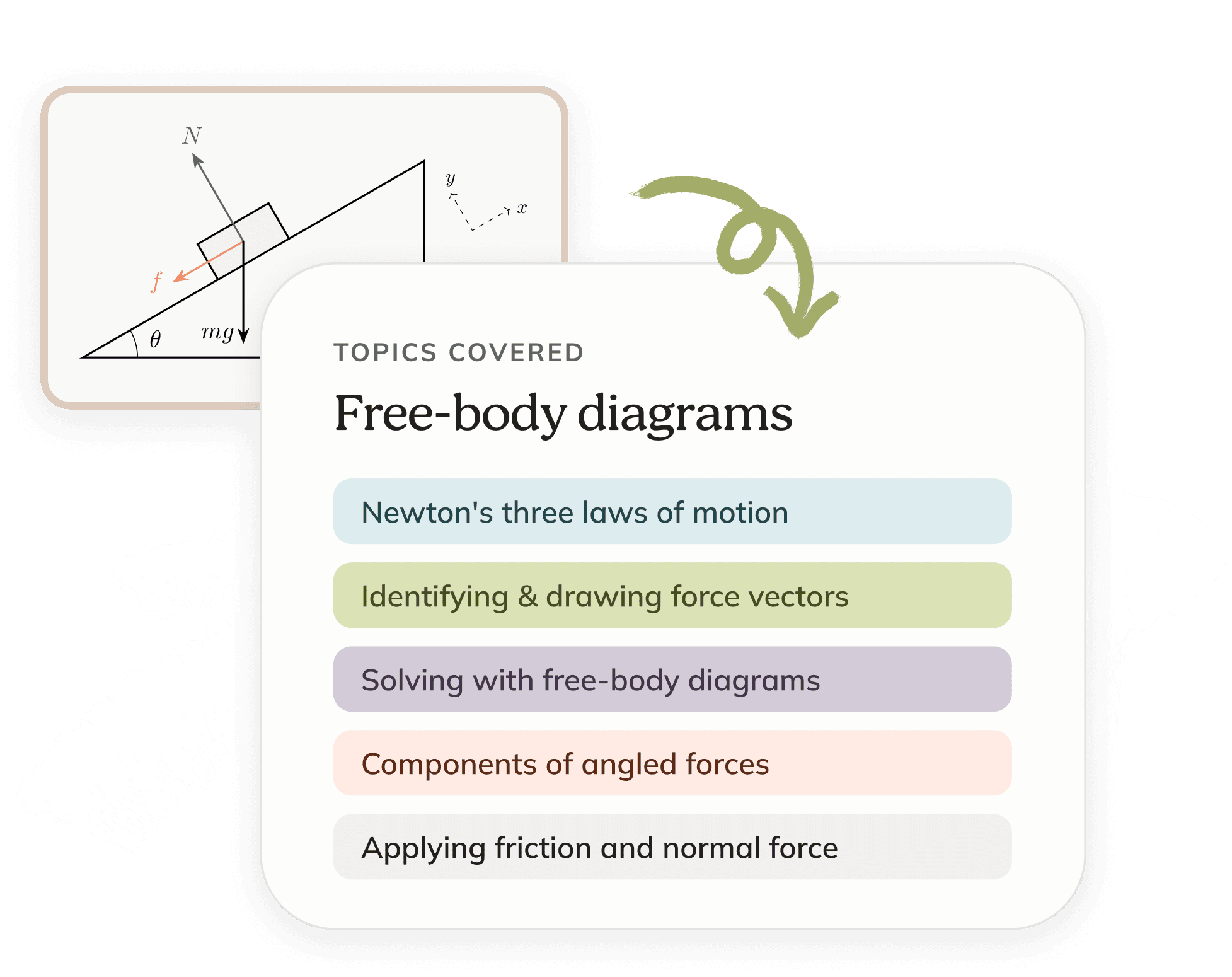
Aristotle draws steps, diagrams, and images to help you learn visually.
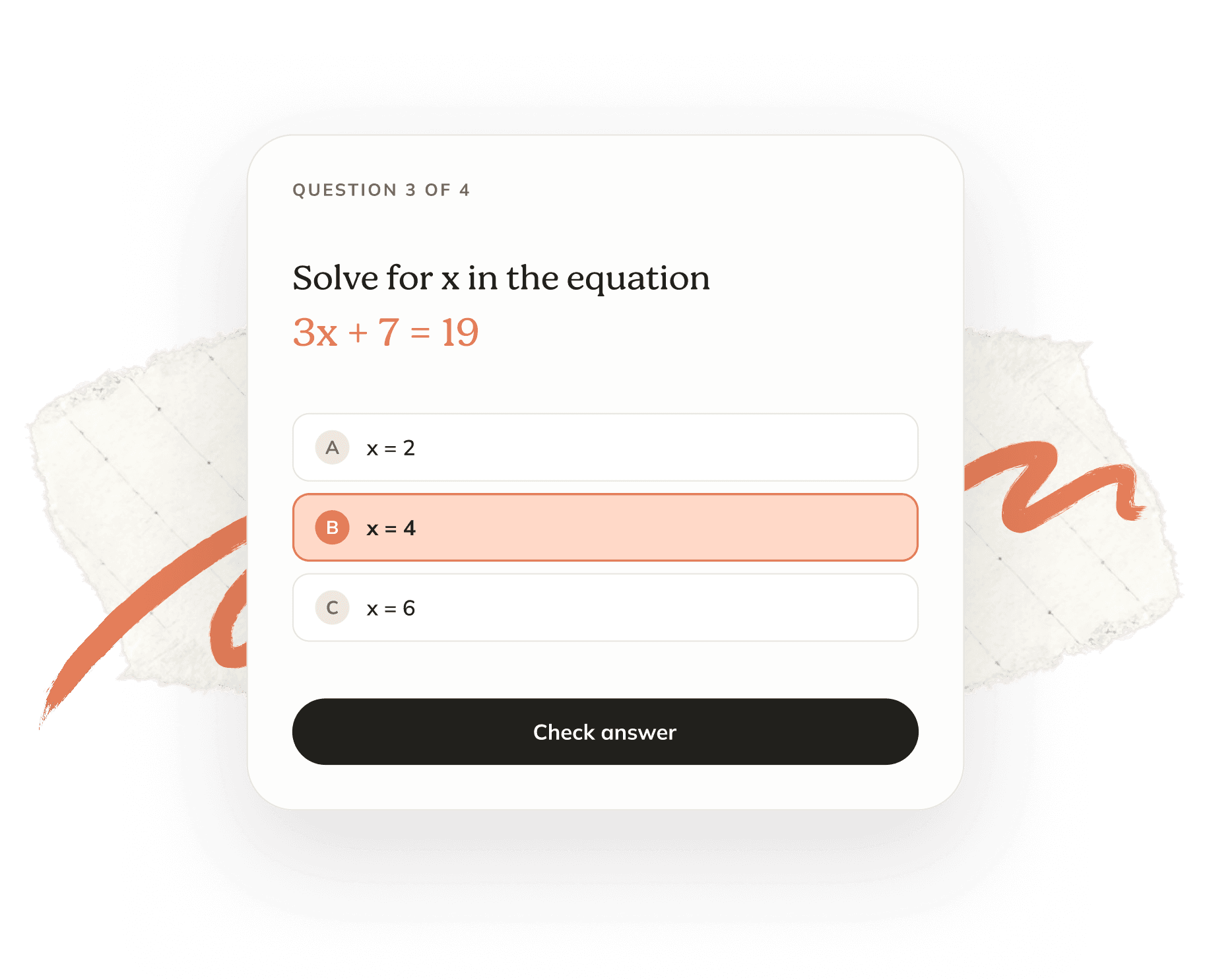
Get practice problems tailored to the exact topics you’re struggling with.
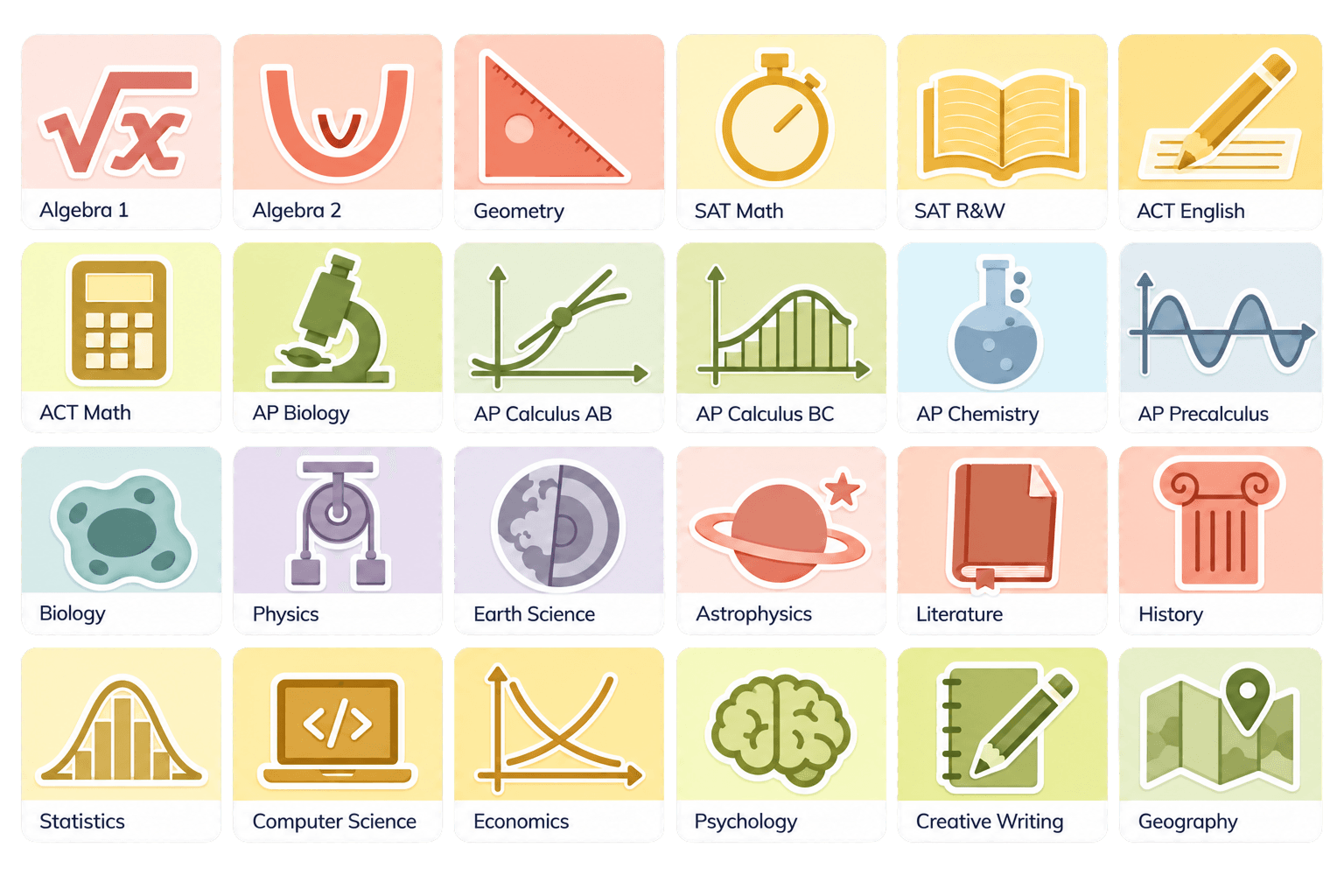
From middle-school math to AP exams to SAT/ACT prep. We also build custom plans matched to state standards and specific courses.
Revisit session summaries, session whiteboards, and uploads in one place.
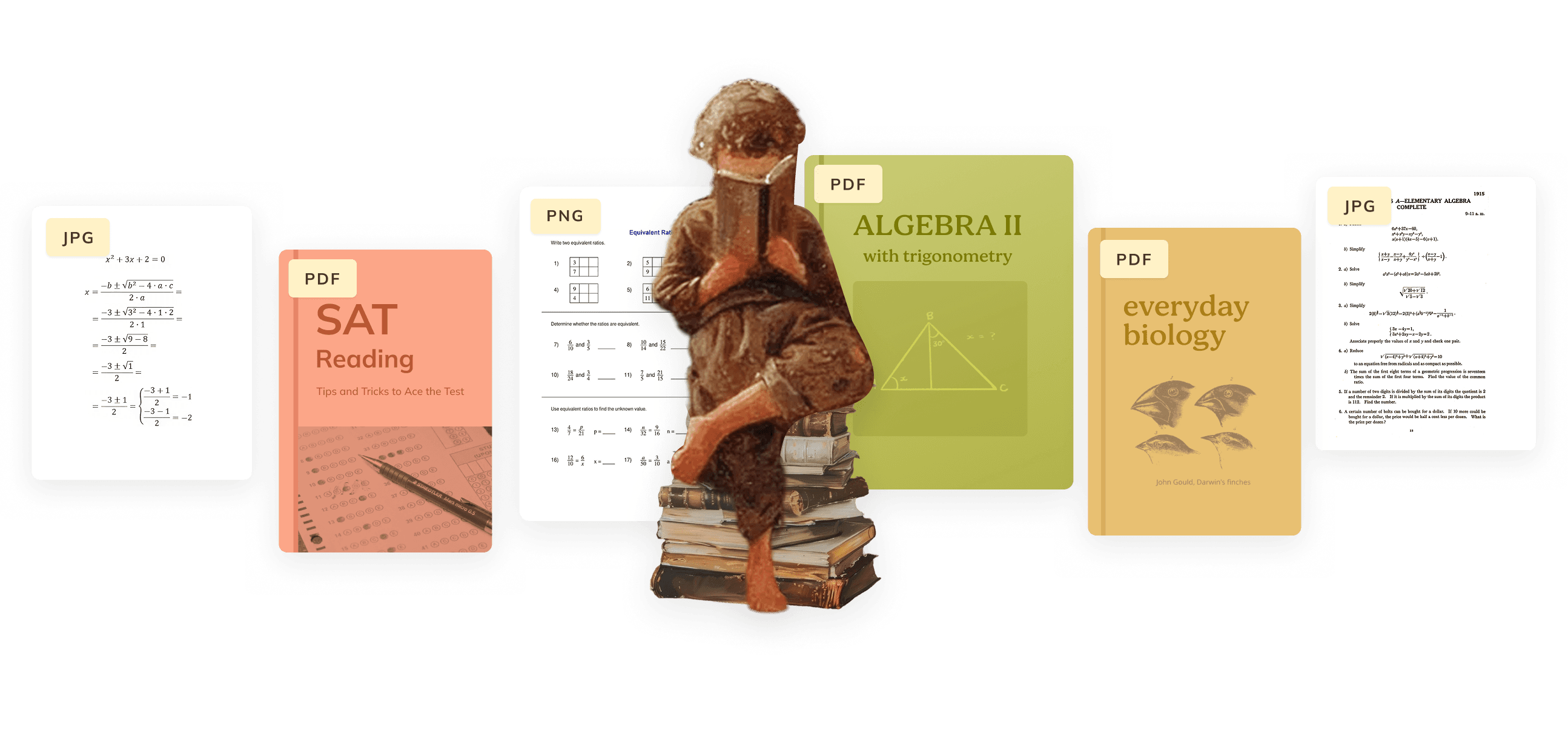
Aristotle can read and navigate any PDFs and images with the learner. That includes textbooks with hundreds of pages!
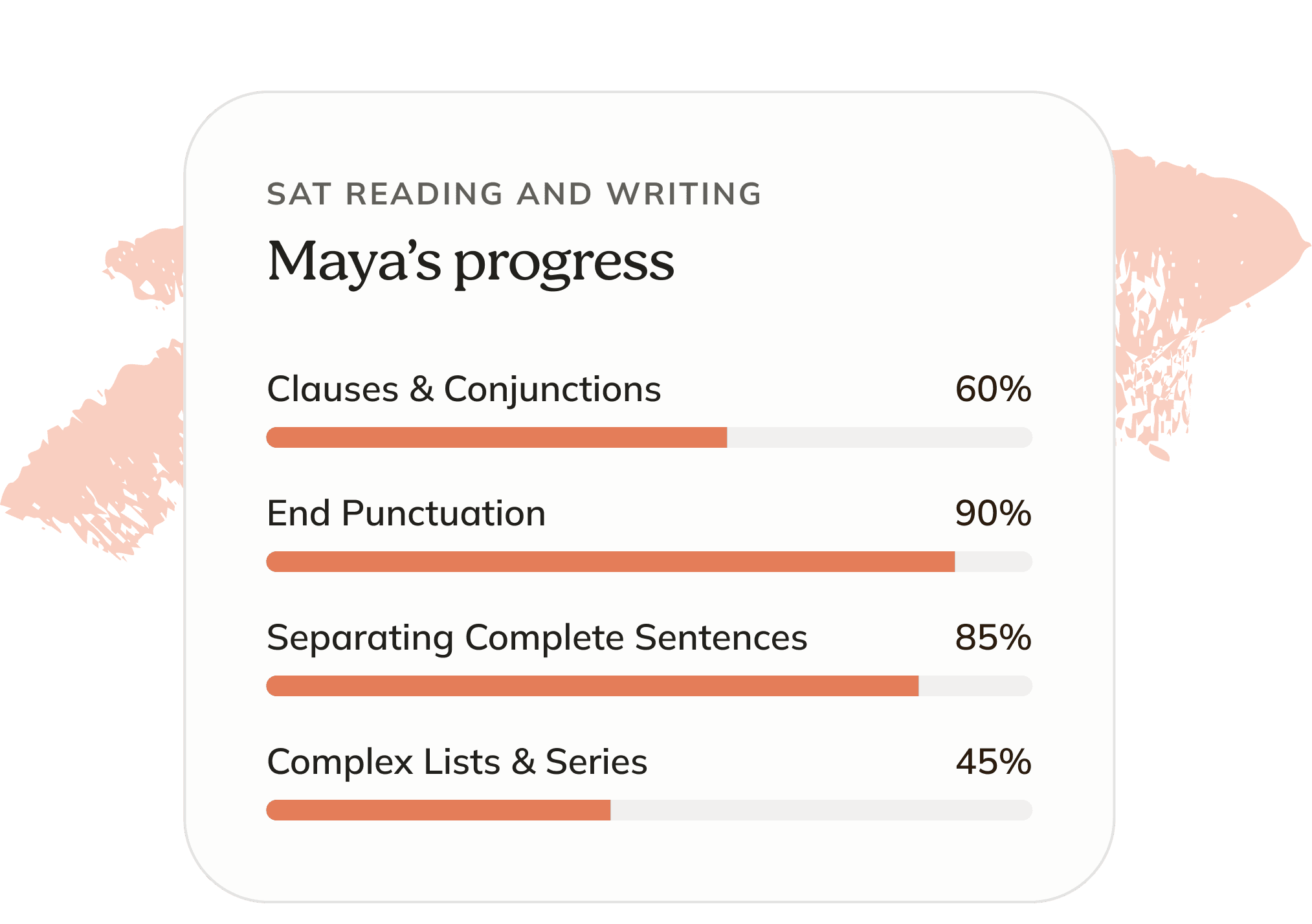
We break all subjects down into granular skills, then track mistakes and mastery on each one. Parents can see the whole picture at a glance.
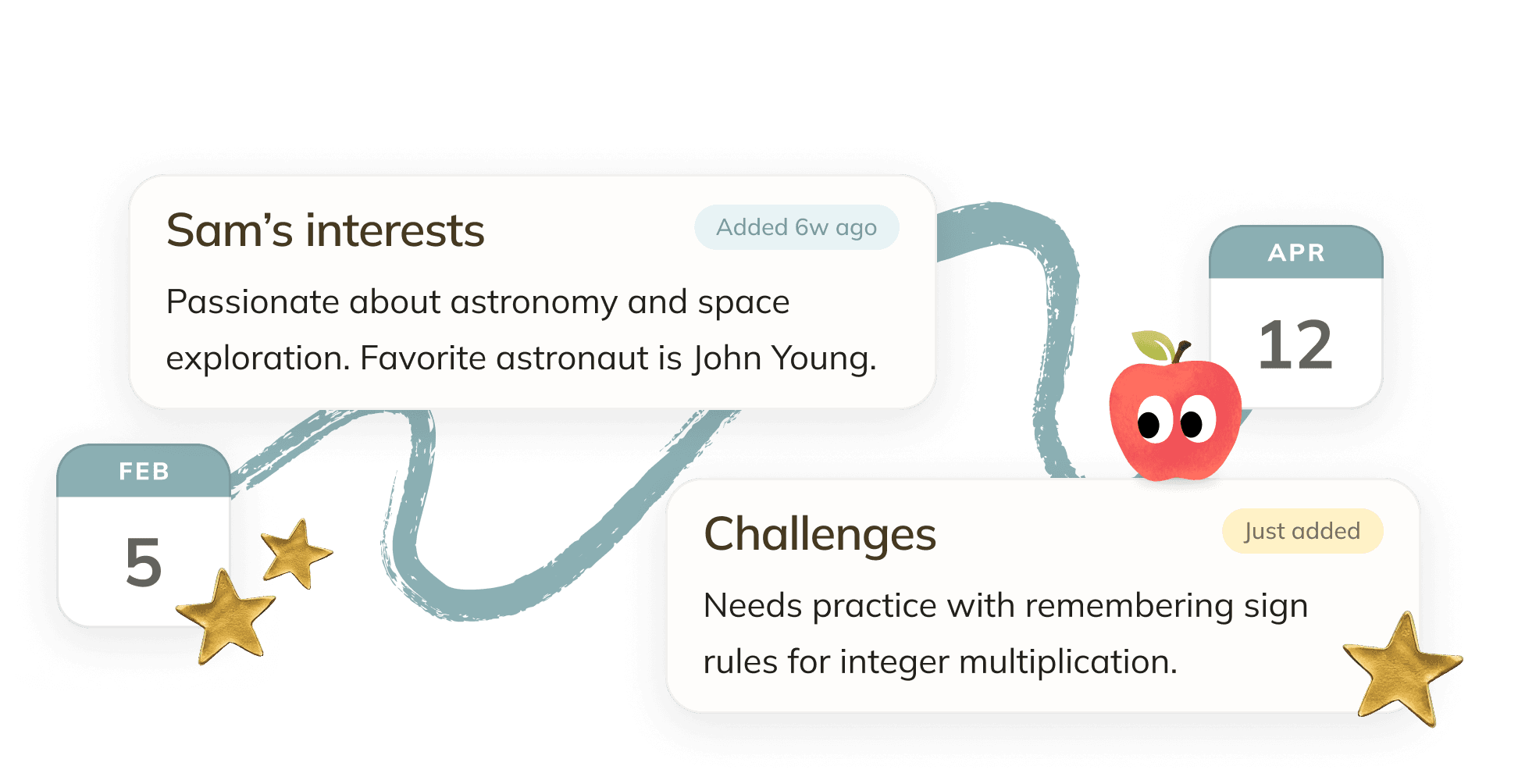
Aristotle remembers every session: what you’ve covered, where you got stuck, how you like things explained. It picks up right where you left off.
The curriculum
Aristotle is designed to always know what to teach at exactly the right time.
Sample curriculum
* Click a topic to see the skills inside
Research Methods and Scientific Reasoning
Biological Bases of Behavior
Cognition
Development and Learning
Social Psychology and Personality
Mental and Physical Health
AP Psychology tutoring curriculum109 skills across 6 units
Research Methods and Scientific Reasoning
The scientific toolkit the rest of the course uses from the first day: comparing how the major psychological perspectives explain the same behavior, spotting everyday reasoning biases, telling experiments from non-experimental designs, taking apart an experiment's hypothesis, variables, sample, and controls, judging whether a study treated its participants ethically, reading descriptive and inferential statistics in tables and graphs, and building an evidence-based argument from summarized studies. Topics: Perspectives and Thinking Biases, Research Designs, Elements of an Experiment, Research Ethics, Reading and Interpreting Data, Building Arguments from Evidence.
Biological Bases of Behavior
How the body produces behavior and mental processes: the interplay of heredity, environment, and evolution; the divisions of the nervous system and the neurons that carry its signals; neural firing, neurotransmitters, hormones, and how psychoactive drugs alter them; the structures of the brain and the methods used to study them; consciousness, circadian rhythms, sleep stages, dreaming, and sleep disorders; and how each sensory system turns physical energy into neural messages. Topics: Heredity, Environment, and Evolution, Organization of the Nervous System, Neurons, Neurotransmitters, and Drugs, The Brain, Consciousness and Sleep, Sensation and the Senses.
Cognition
How the mind organizes, stores, and uses information: the internal and external factors that shape perception, Gestalt grouping, attention and its failures, depth and motion cues, and perceptual constancy; concepts, schemas, heuristics, decision-making traps, and problem-solving; the types and models of memory, how memories are encoded, stored, retrieved, forgotten, and distorted; and how intelligence has been defined, measured, and misused, along with the mindsets that shape achievement. Topics: Perception, Thinking, Judgment, and Decision-Making, Memory, Intelligence and Achievement.
Development and Learning
How people change from before birth through late adulthood and how experience changes behavior. Topics: Themes and Physical Development, Sex, Gender, and Socialization, Cognitive Development, Language and Communication, Social-Emotional Development, Classical Conditioning, Operant Conditioning, Social and Cognitive Learning.
Social Psychology and Personality
How people explain, judge, and influence one another, and what makes each person consistently themselves. Topics: Attribution and Person Perception, Stereotypes, Prejudice, and Attitude Change, Social Influence and Persuasion, Groups, Culture, and Helping, Theories of Personality, Motivation, Emotion.
Mental and Physical Health
How stress and everyday behavior affect the body, what positive psychology has learned about well-being, and how psychological disorders are defined, explained, sorted into categories, and treated. Topics: Health Psychology and Stress, Positive Psychology, Defining and Explaining Disorders, Categories of Disorders, Treatment of Disorders.
My son told me yesterday that we should cancel his human tutor, because Aristotle is doing a better job. The human tutor was $250/hour.

A few things you might wonder before getting started.
Aristotle's AP Psychology course tracks 109 skills across 6 units, mapped to the College Board framework, including Research Methods and Scientific Reasoning, Biological Bases of Behavior, and Cognition. Every skill is linked to the skills it builds on, so the tutor always knows which parts of AP Psychology your child has mastered and what to teach next.
Check out our most recent blog posts.
This could be you
For homework, supporting your child, or anything you’ve always wanted to know more about, Aristotle makes it easy for anyone to learn out loud.