College Board framework
Every AP Macroeconomics skill maps to a unit and topic in the College Board's course and exam description, so sessions match what the exam tests.

AP Macroeconomics
Pioneered by Stanford AI researchers and learning scientists, Aristotle is the world's first voice-based AI tutor. Built for the AP Macroeconomics course and exam.
Trusted by families at








AP exam prep
Aristotle tracks 94 AP Macroeconomics skills, finds the ones costing your child points, and plans review back from the May exam.
Follows the College Board's units.
Your child talks it through. Aristotle coaches from the step that went wrong.
Any time before the exam. No booking.
See what's mastered and what's left.
Features
Talk things through, work side by side, and come back next time to a tutor who remembers where you left off.
Ask questions out loud, hear explanations in Aristotle’s voice, and interrupt whenever you need to.
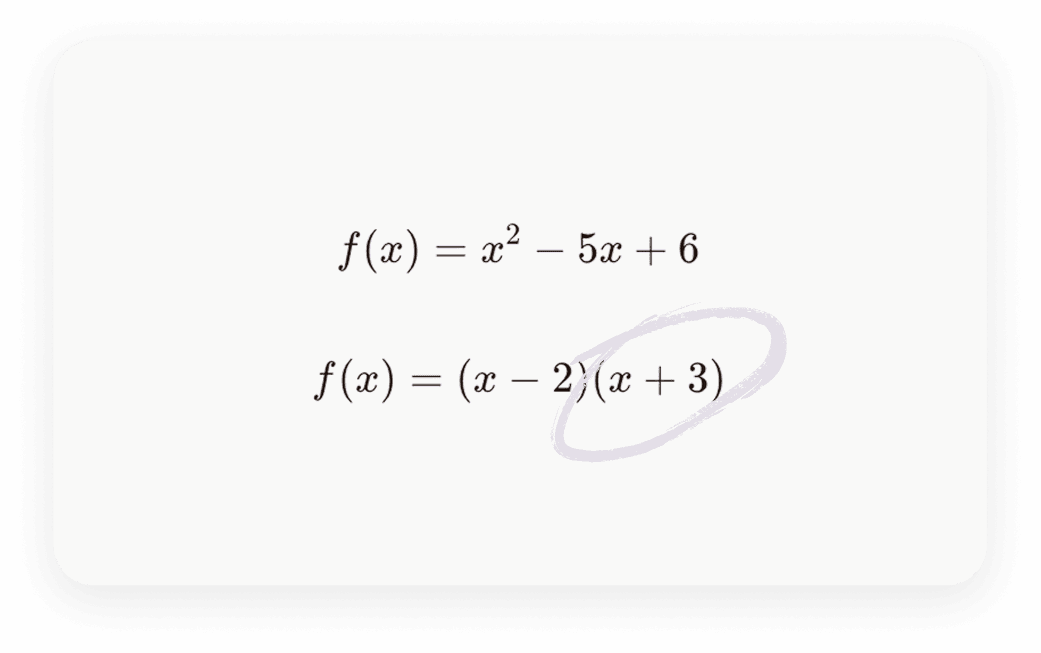
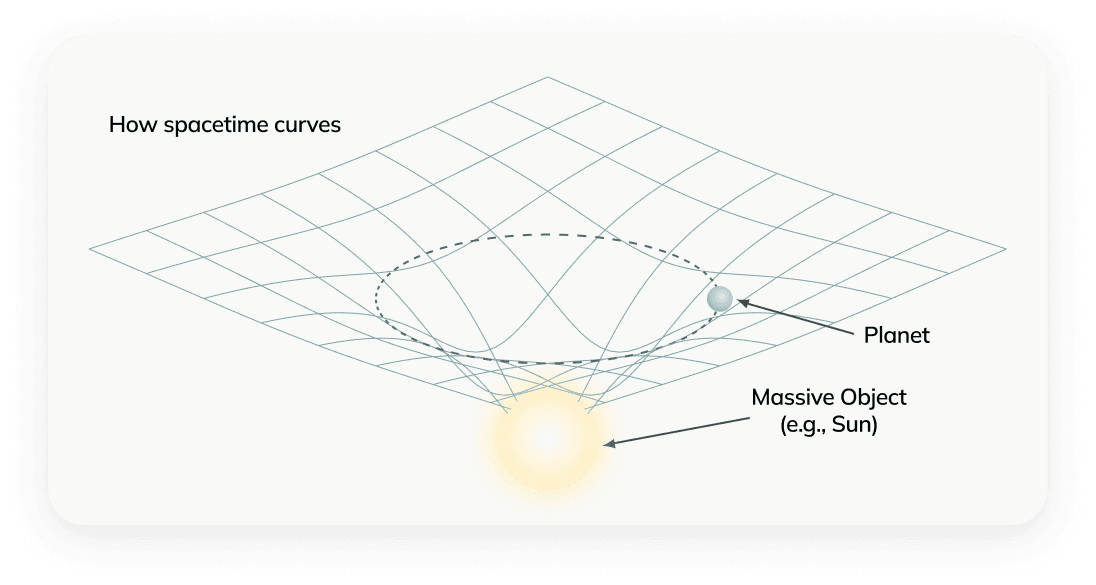
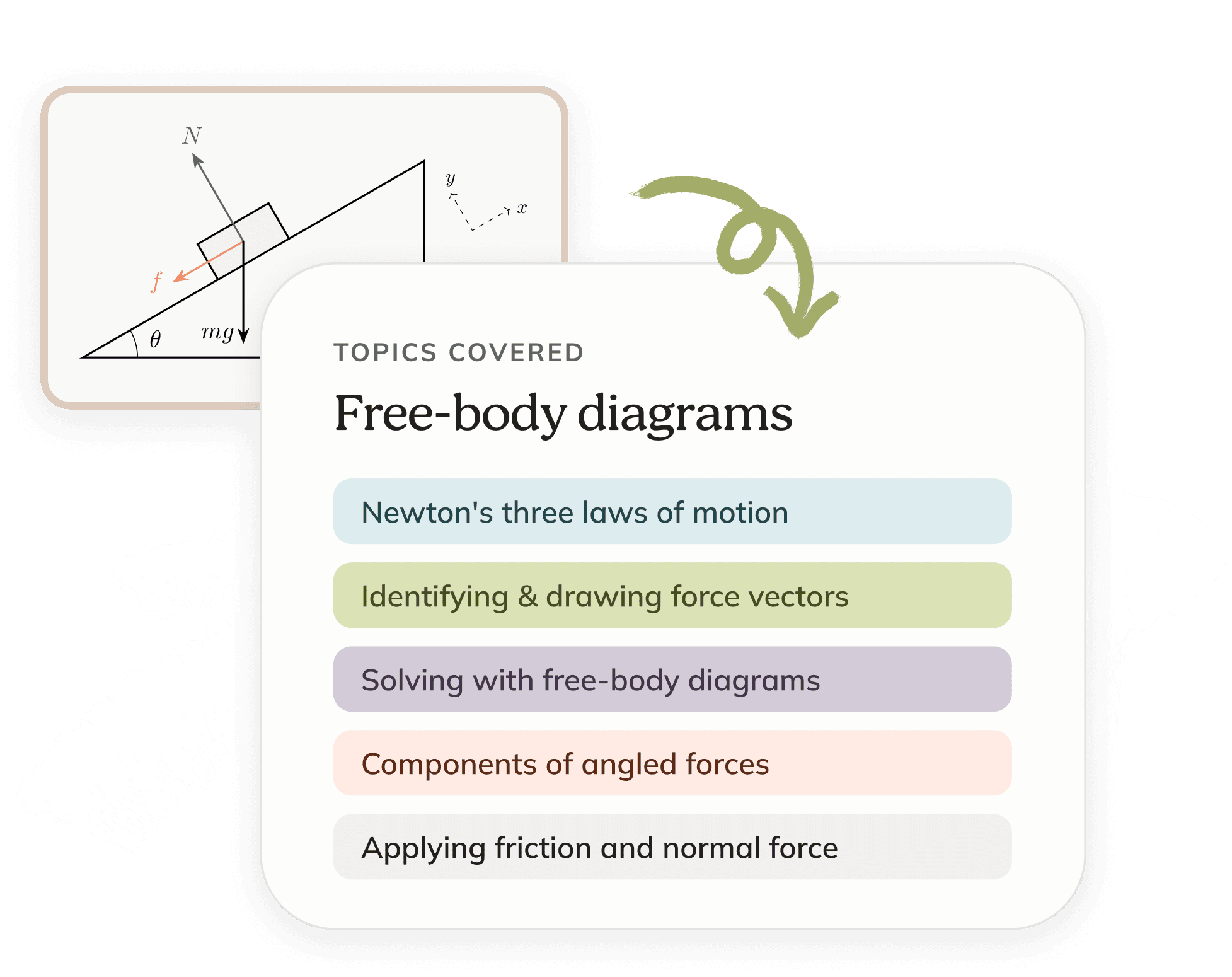
Aristotle draws steps, diagrams, and images to help you learn visually.
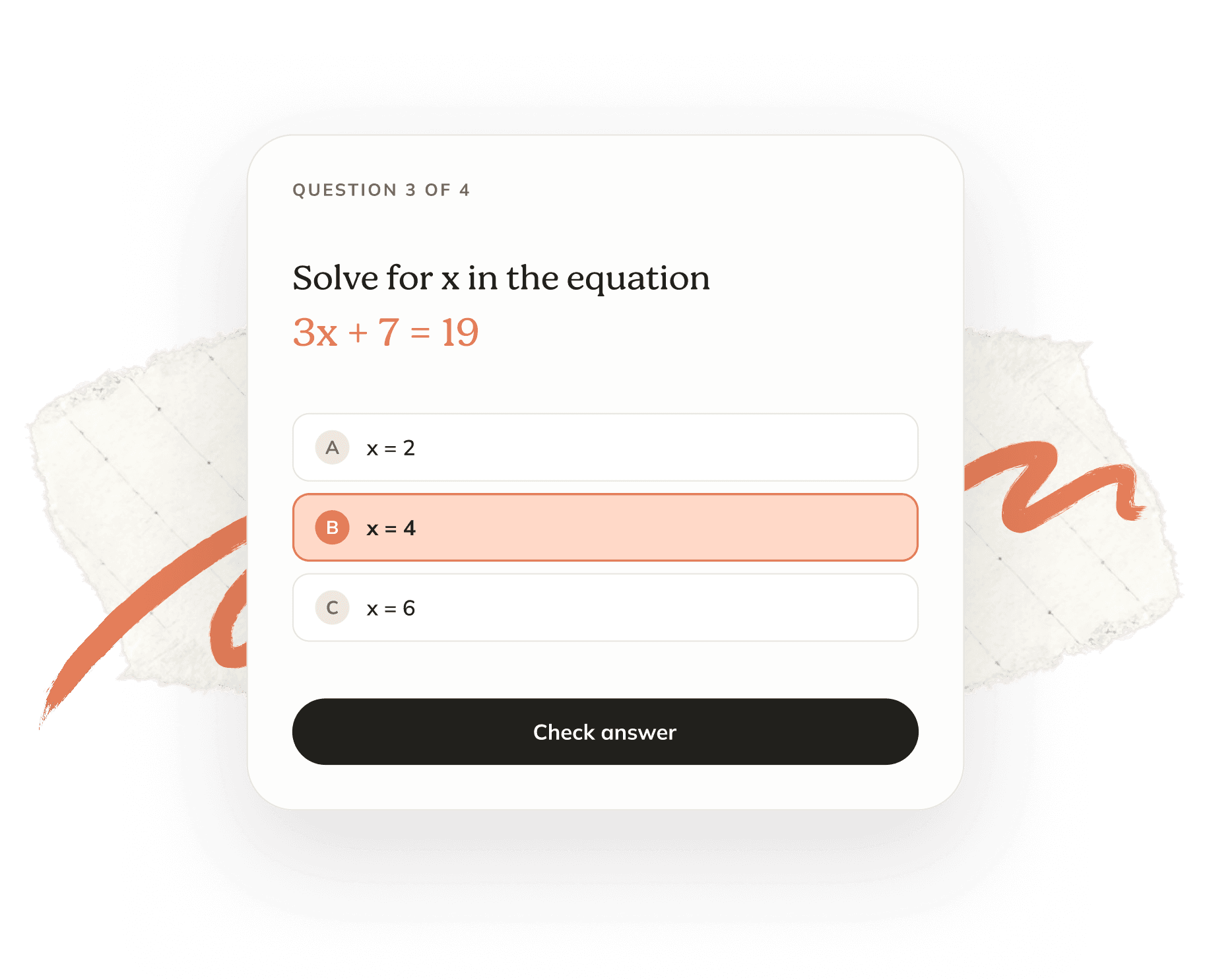
Get practice problems tailored to the exact topics you’re struggling with.
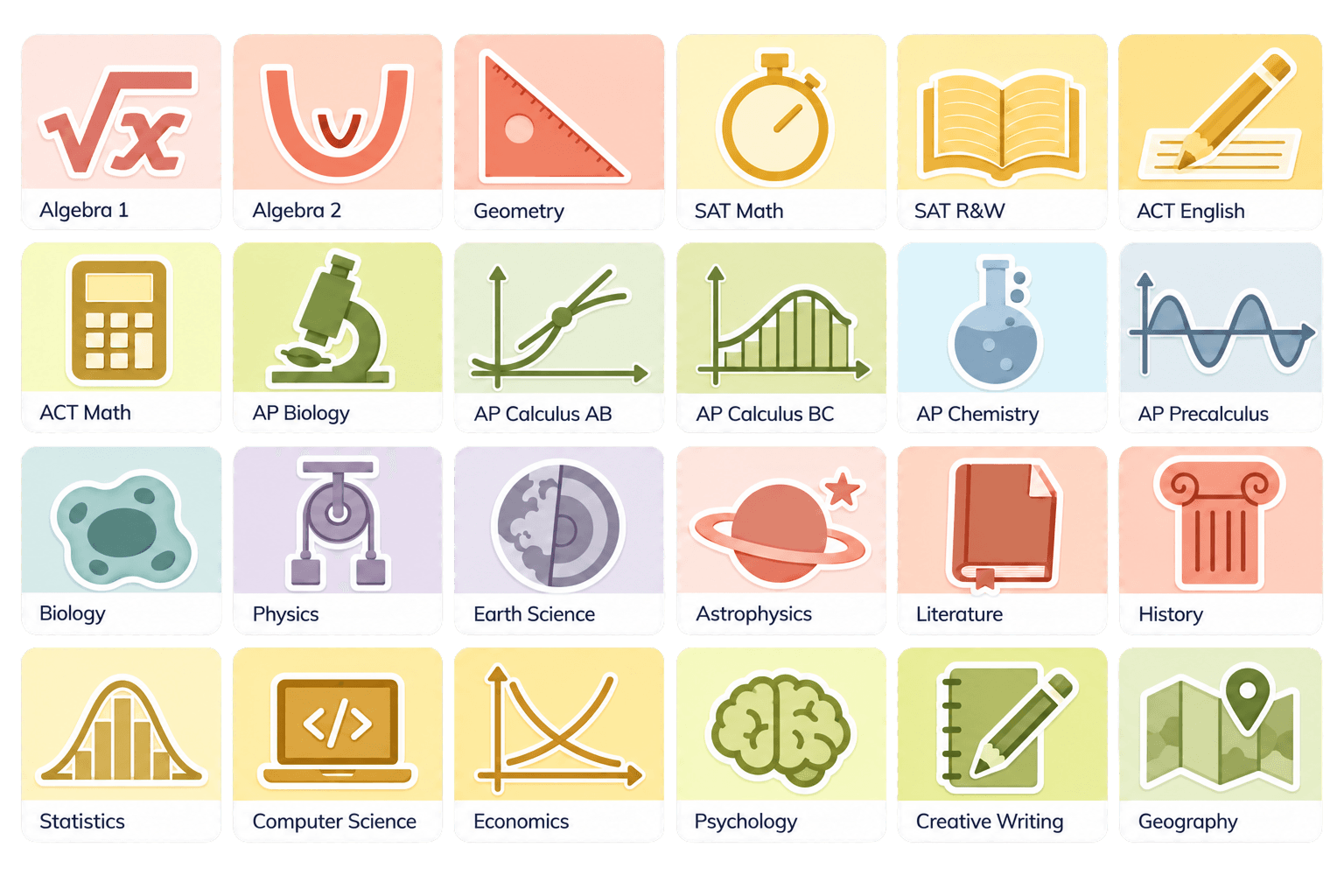
From middle-school math to AP exams to SAT/ACT prep. We also build custom plans matched to state standards and specific courses.
Revisit session summaries, session whiteboards, and uploads in one place.
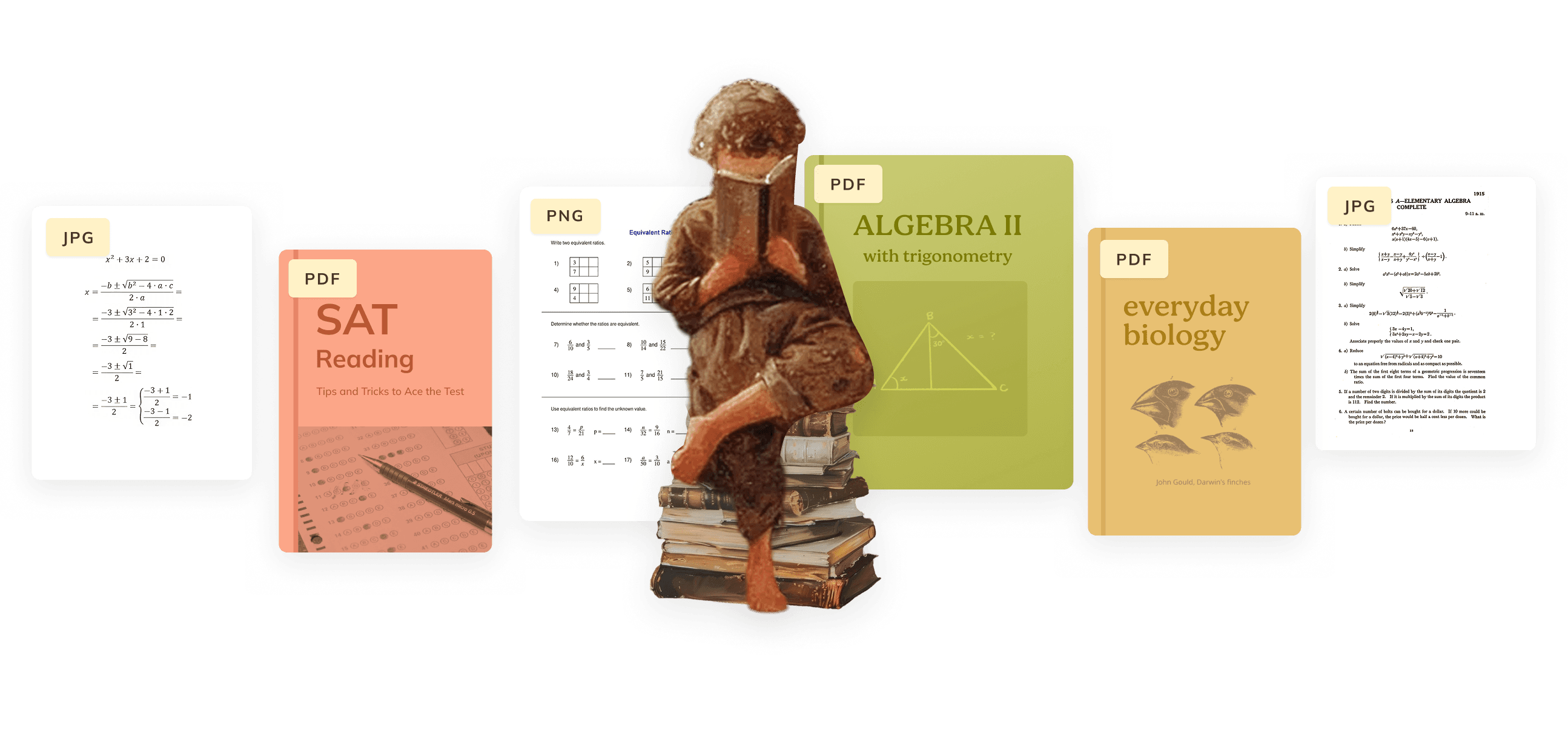
Aristotle can read and navigate any PDFs and images with the learner. That includes textbooks with hundreds of pages!
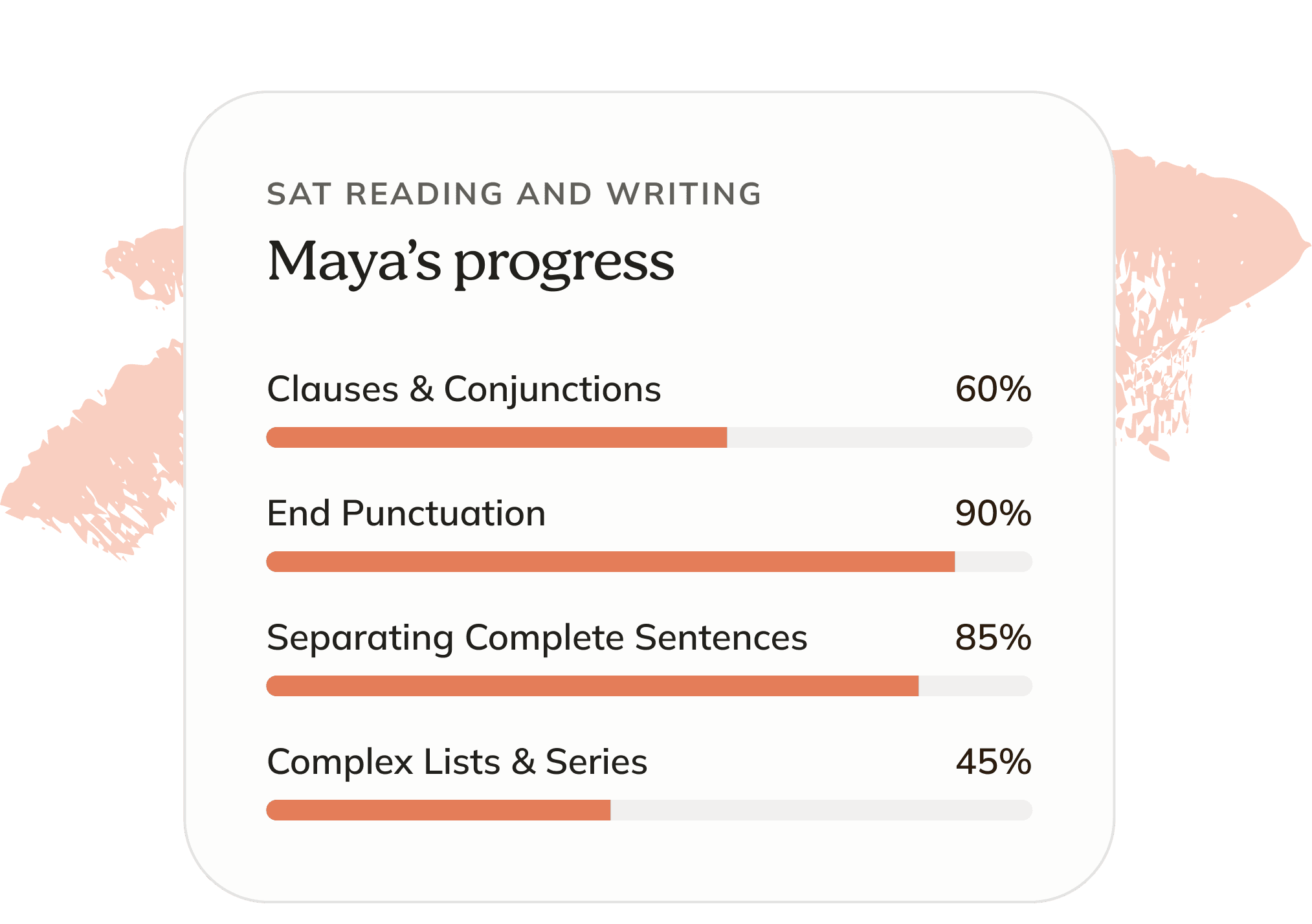
We break all subjects down into granular skills, then track mistakes and mastery on each one. Parents can see the whole picture at a glance.
Aristotle remembers every session: what you’ve covered, where you got stuck, how you like things explained. It picks up right where you left off.
The curriculum
Aristotle is designed to always know what to teach at exactly the right time.
Sample curriculum
* Click a topic to see the skills inside
Basic Economic Concepts
Economic Indicators and the Business Cycle
National Income and Price Determination
Financial Sector
Long-Run Consequences of Stabilization Policies
Open Economy, International Trade and Finance
AP Macroeconomics tutoring curriculum94 skills across 6 units
Basic Economic Concepts
How economists reason about choices under scarcity: opportunity cost and the production possibilities curve as a model of tradeoffs, efficiency, and growth, comparative advantage and the gains from specialization and trade, and how demand and supply interact to set prices in a market. Topics: Scarcity and Economic Resources, Production Possibilities Curve, Comparative Advantage and Gains from Trade, Demand, Supply, Market Equilibrium and Change.
Economic Indicators and the Business Cycle
How the health of a whole economy is measured and how it moves over time: gross domestic product and the circular flow, the limitations of GDP, real versus nominal values and price indices, the unemployment rate and its types, inflation and how it is measured, and the phases of the business cycle. Topics: Gross Domestic Product, Unemployment, Inflation and the Price Level, The Business Cycle.
National Income and Price Determination
How total output and the price level are determined in the short run and long run: aggregate demand and its components, the spending and tax multipliers, short-run and long-run aggregate supply, equilibrium in the aggregate model, recessionary and inflationary gaps, and how fiscal policy shifts aggregate demand to close them. Topics: Aggregate Demand, Multipliers, Aggregate Supply, The AD-AS Model, Fiscal Policy and Stabilizers.
Financial Sector
How money, banks, and financial markets work: the definition and functions of money, fractional-reserve banking and the money-creation process, the money market and the loanable funds market, the tools of monetary policy, and how the central bank changes interest rates to influence the economy. Topics: Financial Assets and Interest Rates, Money and the Money Supply, Banking and Money Creation, The Money Market, Monetary Policy, The Loanable Funds Market.
Long-Run Consequences of Stabilization Policies
The longer-run consequences of stabilization policy: how fiscal and monetary policy interact, the short-run and long-run Phillips curve, the link between money growth and inflation, crowding out, government deficits and debt, and the sources of long-run economic growth. Topics: Combining Fiscal and Monetary Policy, The Phillips Curve, Money Growth and Inflation, Government Deficits and the National Debt, Crowding Out, Economic Growth and Growth Policy.
Open Economy, International Trade and Finance
How economies interact through trade and finance: the balance of payments and its accounts, the foreign exchange market and how exchange rates are determined, how net exports and capital flows respond to exchange rates and interest rates, and how an open economy links domestic policy to the rest of the world. Topics: Balance of Payments Accounts, Exchange Rates, The Foreign Exchange Market, Net Exports and International Capital Flows.
My son told me yesterday that we should cancel his human tutor, because Aristotle is doing a better job. The human tutor was $250/hour.

A few things you might wonder before getting started.
Aristotle's AP Macroeconomics course tracks 94 skills across 6 units, mapped to the College Board framework, including Basic Economic Concepts, Economic Indicators and the Business Cycle, and National Income and Price Determination. Every skill is linked to the skills it builds on, so the tutor always knows which parts of AP Macroeconomics your child has mastered and what to teach next.
Check out our most recent blog posts.

This could be you
For homework, supporting your child, or anything you’ve always wanted to know more about, Aristotle makes it easy for anyone to learn out loud.