College Board framework
Every AP European History skill maps to a unit and topic in the College Board's course and exam description, so sessions match what the exam tests.
AP European History
Pioneered by Stanford AI researchers and learning scientists, Aristotle is the world's first voice-based AI tutor. Built for the AP European History course and exam.
Trusted by families at








AP exam prep
Aristotle tracks 130 AP European History skills, finds the ones costing your child points, and plans review back from the May exam.
Follows the College Board's units.
Your child talks it through. Aristotle coaches from the step that went wrong.
Any time before the exam. No booking.
See what's mastered and what's left.
Features
Talk things through, work side by side, and come back next time to a tutor who remembers where you left off.
Ask questions out loud, hear explanations in Aristotle’s voice, and interrupt whenever you need to.
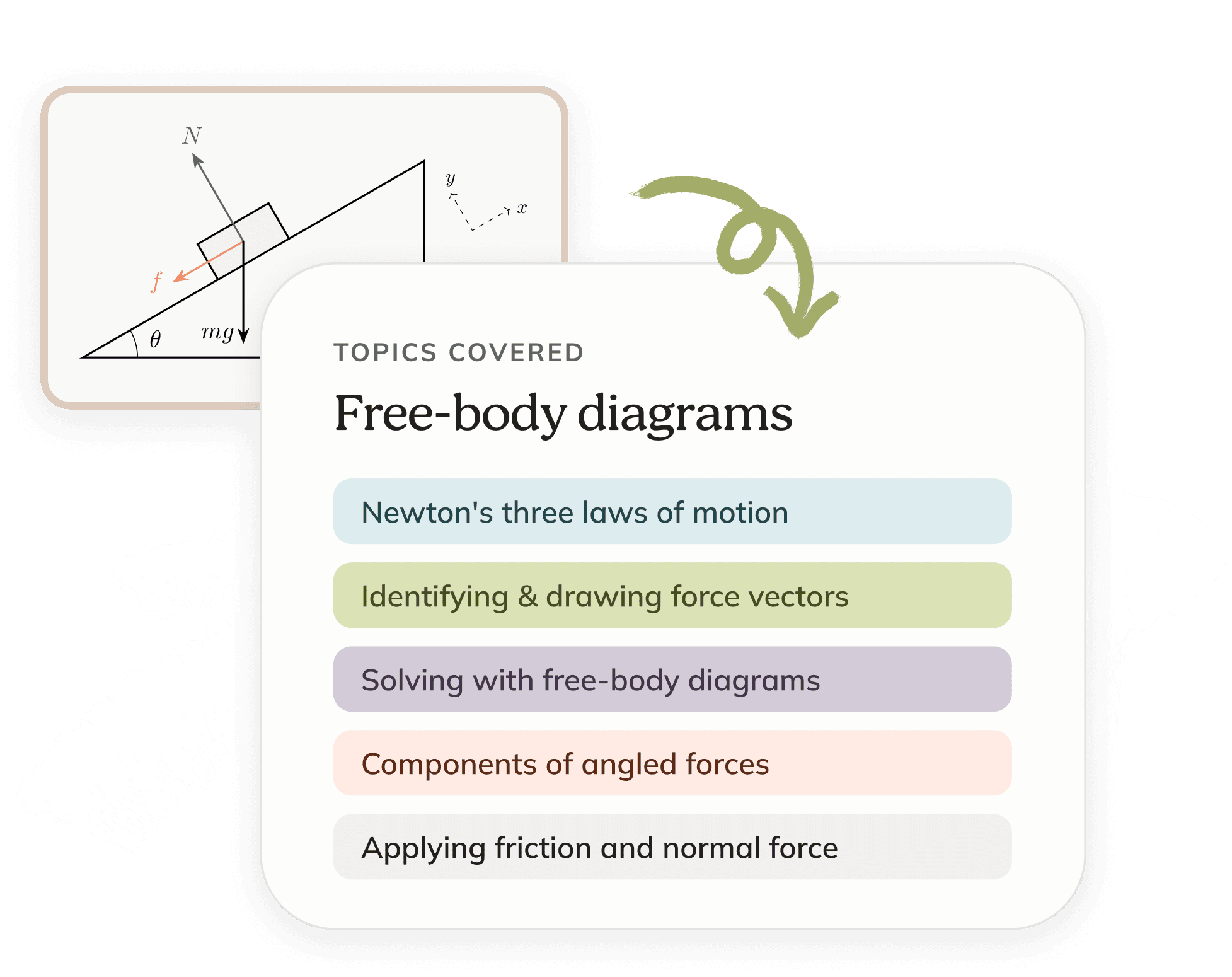
Aristotle draws steps, diagrams, and images to help you learn visually.
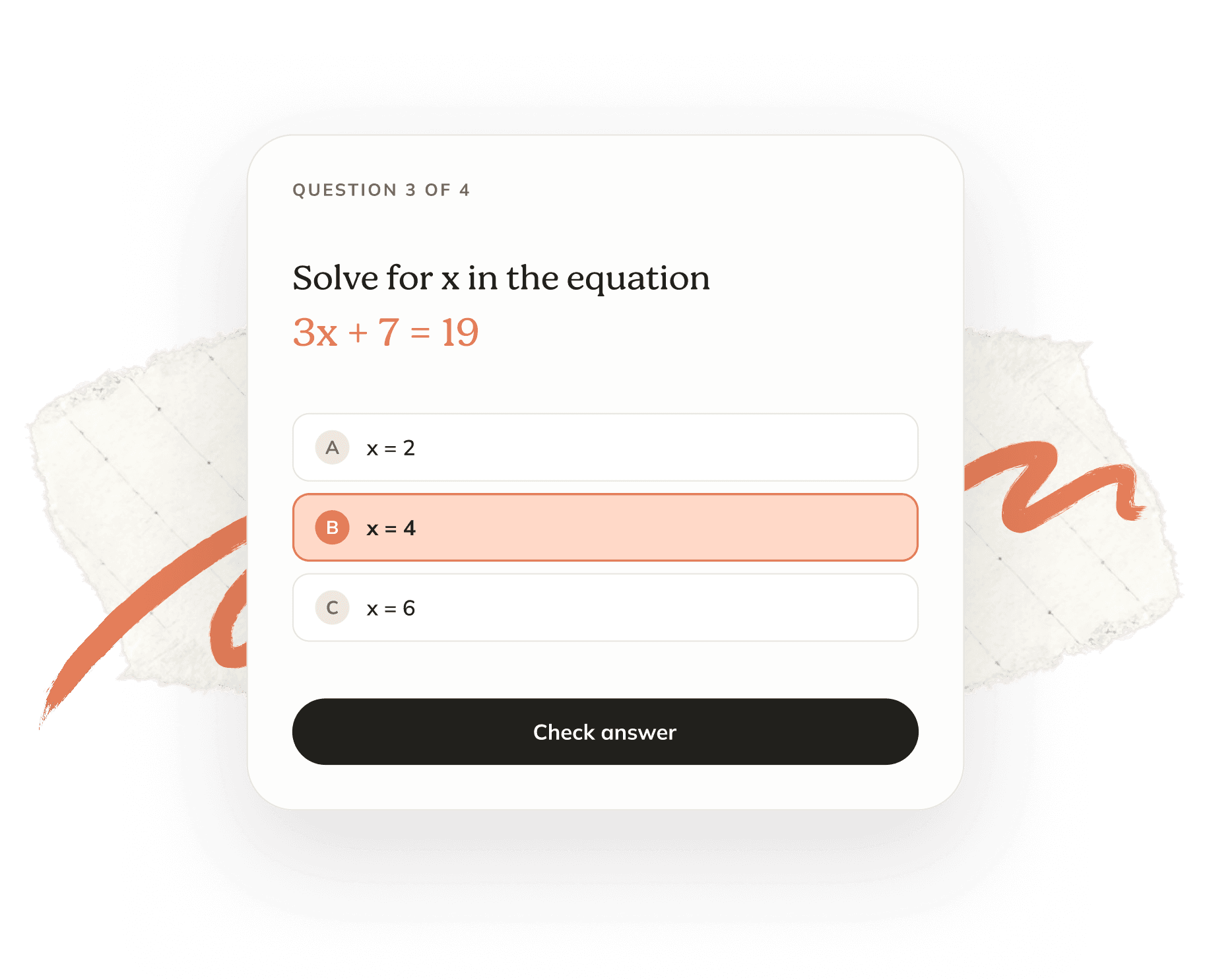
Get practice problems tailored to the exact topics you’re struggling with.
From middle-school math to AP exams to SAT/ACT prep. We also build custom plans matched to state standards and specific courses.
Revisit session summaries, session whiteboards, and uploads in one place.
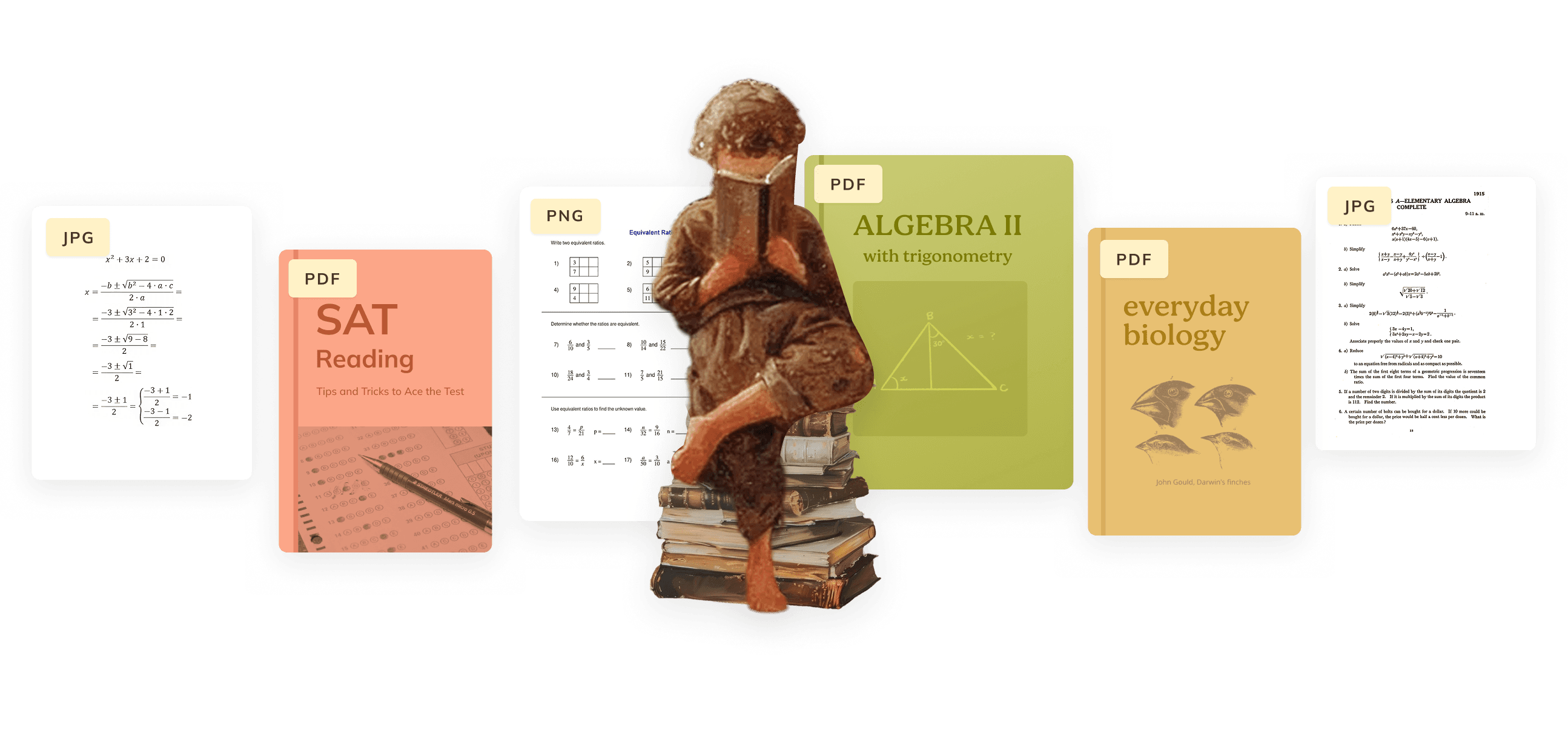
Aristotle can read and navigate any PDFs and images with the learner. That includes textbooks with hundreds of pages!
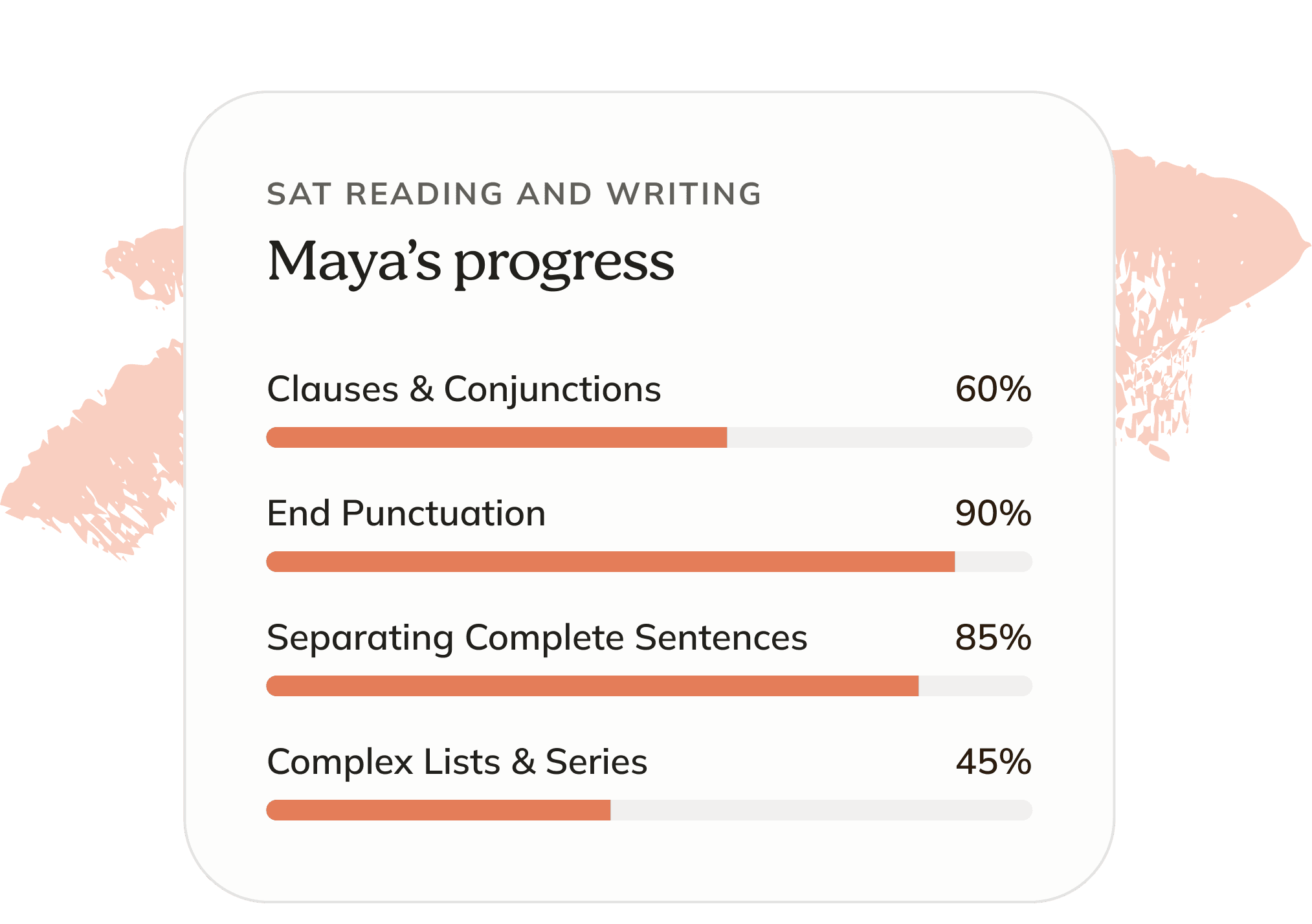
We break all subjects down into granular skills, then track mistakes and mastery on each one. Parents can see the whole picture at a glance.
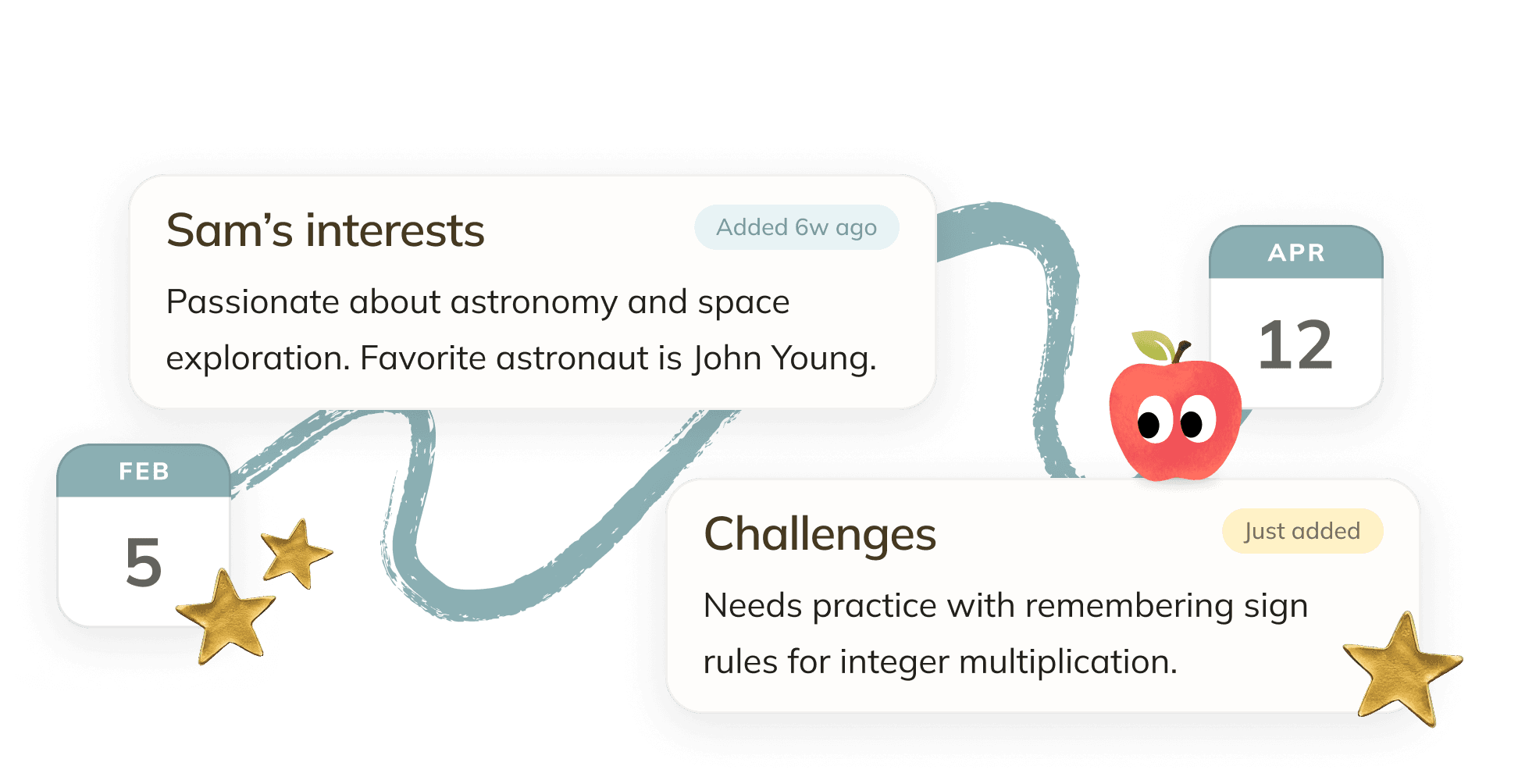
Aristotle remembers every session: what you’ve covered, where you got stuck, how you like things explained. It picks up right where you left off.
The curriculum
Aristotle is designed to always know what to teach at exactly the right time.
Sample curriculum
* Click a topic to see the skills inside
Renaissance and Exploration, 1450 to 1648
Reformation and Wars of Religion, 1450 to 1648
Absolutism and Constitutionalism, 1648 to 1815
The Scientific Revolution and the Enlightenment, 1648 to 1815
Global Rivalry, Revolution, and Napoleon, 1648 to 1815
Industrialization and Its Effects, 1815 to 1914
Nationalism, Imperialism, and Modern Thought, 1815 to 1914
Global Conflict, 1914 to 1945
The Cold War and Contemporary Europe, 1945 to the Present
Historical Thinking and Writing
AP European History tutoring curriculum130 skills across 10 units
Renaissance and Exploration, 1450 to 1648
How the recovery of Greek and Roman learning changed scholarship, politics, and art in Italy and then north of the Alps; how printing multiplied those ideas; how new monarchies built the first centralized states; why Europeans sailed to Africa, Asia, and the Americas and what their empires, the Columbian Exchange, and the slave trade did to both sides of the Atlantic; and how commerce, prices, and population reshaped town and countryside while old hierarchies held on. Topics: The Italian Renaissance, The Northern Renaissance and Printing, New Monarchies and the Sovereign State, Exploration and Overseas Empires, The Columbian Exchange and the Slave Trade, The Commercial Revolution and Rural Life, Causes and Consequences of the Renaissance and Age of Discovery.
Reformation and Wars of Religion, 1450 to 1648
How Luther and Calvin broke the religious unity of western Europe and what radicals, peasants, princes, and the Catholic Church did in response; how religious division fused with dynastic and political rivalry into a century of wars in France, the Habsburg lands, and the Holy Roman Empire, ending at Westphalia; how sixteenth-century society kept its hierarchies of class, religion, and gender while towns policed morals and witch trials peaked; and how Mannerist and Baroque art served church and state. Topics: Luther, Calvin, and Protestant Reform, The Catholic Reformation, Wars of Religion, Sixteenth-Century Society, Mannerism and Baroque Art, Causes and Effects of the Reformation and Wars of Religion.
Absolutism and Constitutionalism, 1648 to 1815
How European states answered the question of who holds power after the wars of religion: England's civil war and Glorious Revolution that fixed Parliament's rights, the Dutch merchant republic, and the absolutist model of Louis XIV and the Russian tsars; how a competitive state system replaced religious war with balance-of-power diplomacy, a military revolution, and the partition of Poland; and how a market economy, agricultural improvement, cottage industry, mercantilist empires, and the expanding slave trade built the commercial foundation under all of it. Topics: The English Civil War and the Glorious Revolution, The Market Economy and Agricultural Change, Mercantilism and the Atlantic Economy, The Dutch Golden Age, The Balance of Power and the Military Revolution, Absolutist Approaches to Power, Comparing Forms of Political Power.
The Scientific Revolution and the Enlightenment, 1648 to 1815
How a new way of knowing nature, built on observation, experiment, and mathematics, overturned the authority of the ancients in astronomy and medicine while older beliefs persisted; how the philosophes applied that confidence in reason to government, religion, and the economy and spread their ideas through salons and print; how population growth, changing families, and swelling cities reshaped eighteenth-century society; how the arts and a new consumer culture reflected bourgeois values; and how rulers in Prussia, Austria, and Russia tried to govern as enlightened absolutists. Topics: The Scientific Revolution, The Enlightenment, Eighteenth-Century Population and Society, Culture, Arts, and Consumption, Enlightened Absolutism and the Eastern Powers, How Science and Reason Challenged the Old Order.
Global Rivalry, Revolution, and Napoleon, 1648 to 1815
How commercial competition overseas turned into worldwide wars that left Britain the leading power and France bankrupt; why the French monarchy collapsed in 1789 and how the Revolution moved from a liberal constitutional phase through the Jacobin republic and the Terror to war with Europe; how the Revolution's ideals reached Haiti and divided opinion across Europe; how Napoleon consolidated some of its gains, spread them by conquest, and provoked the nationalism that helped bring him down; how the Congress of Vienna tried to restore balance and contain revolution; and how Romanticism and religious revival challenged the Enlightenment's confidence in reason. Topics: Global Rivalry and Britain's Ascendancy, The French Revolution, The Revolution's Effects Beyond France, Napoleon and the Congress of Vienna, Romanticism and Religious Revival, Continuity and Change in the Political Order.
Industrialization and Its Effects, 1815 to 1914
Why Britain industrialized first and how industry spread unevenly across the continent; how the second industrial revolution's steel, chemicals, electricity, railroads, and mass marketing integrated national economies, raised living standards, and produced volatile business cycles; how factory work and city life created self-conscious classes, reshaped family and gender roles, and changed daily life for workers; how the conservative order of the Concert of Europe faced revolutionaries in 1830 and 1848 and how Russia reformed from above; how liberalism, radicalism, socialism, and anarchism proposed different answers to the industrial age; and how mass parties, unions, feminists, reformers, and governments responded to its problems. Topics: Why Britain Industrialized First and How Industry Spread, The Second Industrial Revolution, Class, Family, and Living Conditions, The Conservative Order and Its Challengers, Liberalism, Radicalism, Socialism, and Anarchism, Reform Movements and Government Responses, How Innovation Reshaped Europe.
Nationalism, Imperialism, and Modern Thought, 1815 to 1914
How nationalism grew from romantic idealism and liberal reform into a force that conservative statesmen harnessed to build states and that also fed racialism and anti-Semitism; how the Crimean War broke the Concert and let Cavour and Bismarck unify Italy and Germany; how Bismarck's alliances and their collapse produced the rival blocs and Balkan crises that led to 1914; how Darwin, positivism, Freud, and the new physics remade Europeans' understanding of nature and themselves; why Europeans seized Africa and Asia, what let them do it, and what imperialism did to Europe and the colonized; and how the arts moved from Romanticism through Realism to the abstraction of modern art. Topics: Nationalism and the Nation-State, Unification and the Alliance System, Science, Positivism, and the Crisis of Certainty, The New Imperialism, Culture and the Arts, Nationalism, Imperialism, and Stability.
Global Conflict, 1914 to 1945
How a Balkan assassination became a world war through nationalism, alliances, military plans, and imperial rivalry; how new weapons produced trench stalemate and total war, and how the strain brought revolution in Russia, the collapse of empires, and the rise of the United States; why the Paris settlement satisfied no one and left the League and the Weimar Republic weak; how the Great Depression discredited democracies and fed extremism; how fascism took power in Italy and Germany, authoritarian regimes spread across central and eastern Europe, and Stalin modernized the Soviet Union by terror; how appeasement failed and World War II was fought and won; how Nazi racial ideology culminated in the Holocaust; and how war and crisis shattered the nineteenth century's faith in progress while transforming women's lives. Topics: World War I, The Russian Revolution, The Peace Settlement, The Great Depression, Fascism, Authoritarianism, and Stalinism, World War II and the Holocaust, Culture and Society in an Age of Crisis, The Individual and the State in an Age of Conflict.
The Cold War and Contemporary Europe, 1945 to the Present
How Marshall Plan money and an economic miracle rebuilt western Europe and paid for welfare states that later came under strain; how distrust between the Soviet Union and the West divided the continent into two blocs organized around NATO and the Warsaw Pact, market economies and central planning; how Soviet attempts at reform, eastern European revolts, and Gorbachev's failed restructuring ended in the revolutions of 1989 and the collapse of the Soviet Union; how new nationalisms brought war and genocide to the Balkans; how women gained rights and options, colonies won independence, and European states built the European Union while debating sovereignty; how migration, American culture, new technologies, and globalization reshaped daily life; and how existentialism, religious change, experimental arts, consumer society, and the movements of 1968 redefined what it means to be European. Topics: Rebuilding and the Welfare State, The Cold War and the Two Blocs, Reform, Revolt, and the Fall of Communism, Nationalism, Ethnic Conflict, and Atrocities after 1945, Women and Feminism, Decolonization, European Integration, Migration and Immigration, Technology and Globalization, Thought, Religion, Arts, and Society after 1945, What It Means to Be European.
Historical Thinking and Writing
The skills that turn knowledge of European history into historical argument: reading a source for its point of view, purpose, historical situation, and audience and knowing how those limit its use; comparing the arguments of two sources; placing a development in its broader context; reasoning about causes and effects, continuity and change, and similarities and differences; writing a defensible thesis; selecting and explaining evidence; and planning answers to short-answer questions and to document-based and long essays. Topics: Reading Sources, Historical Reasoning, Building an Argument, Answering the Written Tasks.
My son told me yesterday that we should cancel his human tutor, because Aristotle is doing a better job. The human tutor was $250/hour.

A few things you might wonder before getting started.
Aristotle's AP European History course tracks 130 skills across 10 units, mapped to the College Board framework, including Renaissance and Exploration, 1450 to 1648, Reformation and Wars of Religion, 1450 to 1648, and Absolutism and Constitutionalism, 1648 to 1815. Every skill is linked to the skills it builds on, so the tutor always knows which parts of AP European History your child has mastered and what to teach next.
Check out our most recent blog posts.
This could be you
For homework, supporting your child, or anything you’ve always wanted to know more about, Aristotle makes it easy for anyone to learn out loud.