College Board framework
Every AP Environmental Science skill maps to a unit and topic in the College Board's course and exam description, so sessions match what the exam tests.
AP Environmental Science
Pioneered by Stanford AI researchers and learning scientists, Aristotle is the world's first voice-based AI tutor. Built for the AP Environmental Science course and exam.
Trusted by families at









Fits your child's AP Environmental Science class
Every AP Environmental Science skill maps to a unit and topic in the College Board's course and exam description, so sessions match what the exam tests.
Share your teacher's syllabus, textbook, or pacing guide and sessions follow your child's actual class.
Aiming for a 5, or just to pass? Aristotle builds the path backwards from your target score and the May exam date.
AP exam prep
Aristotle tracks 148 AP Environmental Science skills, finds the ones costing your child points, and plans review back from the May exam.
Follows the College Board's units.
Your child talks it through. Aristotle coaches from the step that went wrong.
Any time before the exam. No booking.
See what's mastered and what's left.
Features
Talk things through, work side by side, and come back next time to a tutor who remembers where you left off.
Ask questions out loud, hear explanations in Aristotle’s voice, and interrupt whenever you need to.
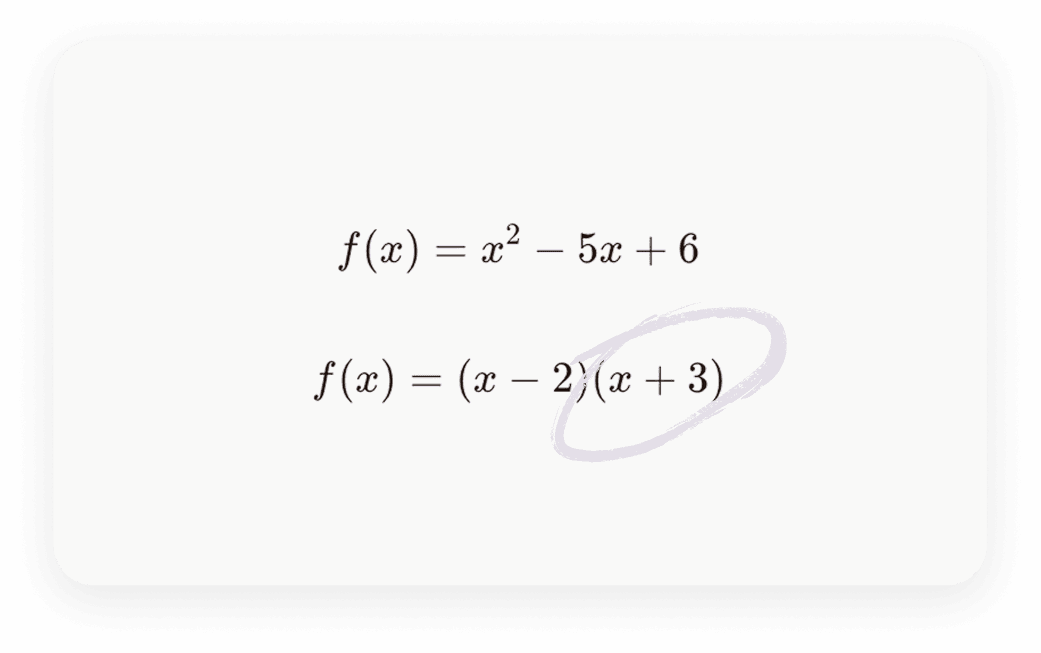
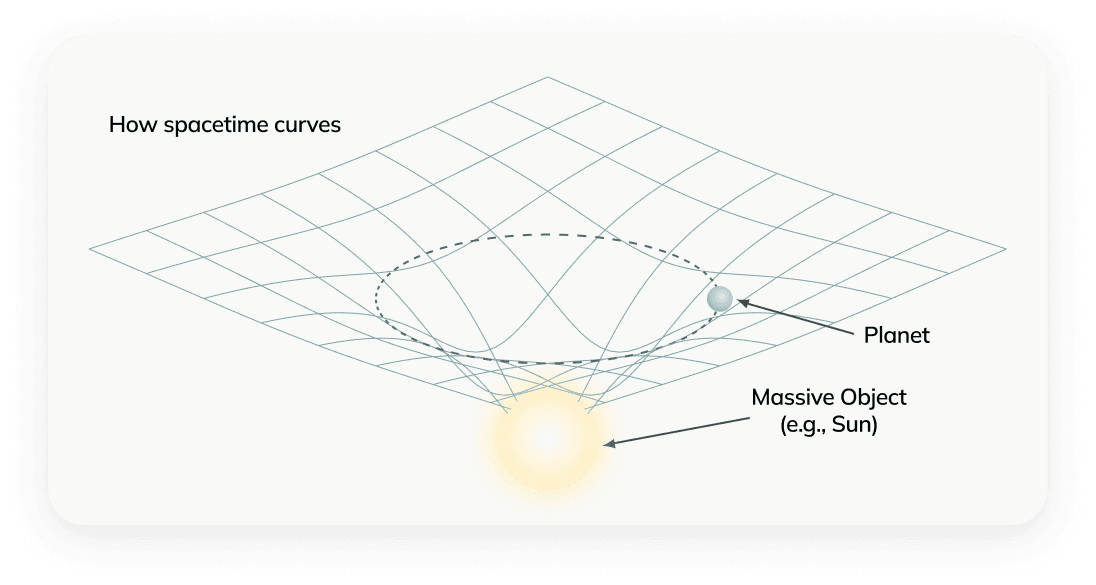
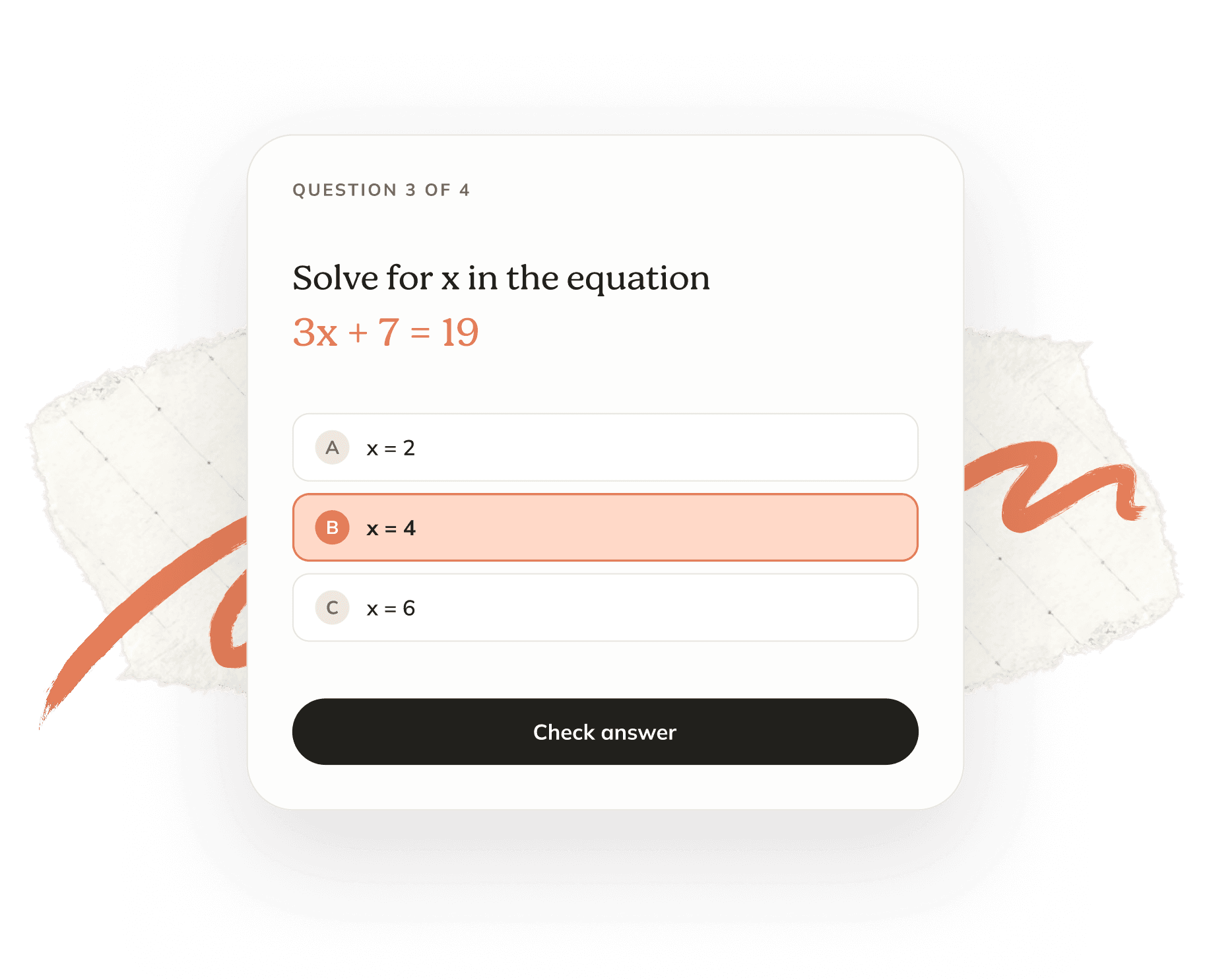
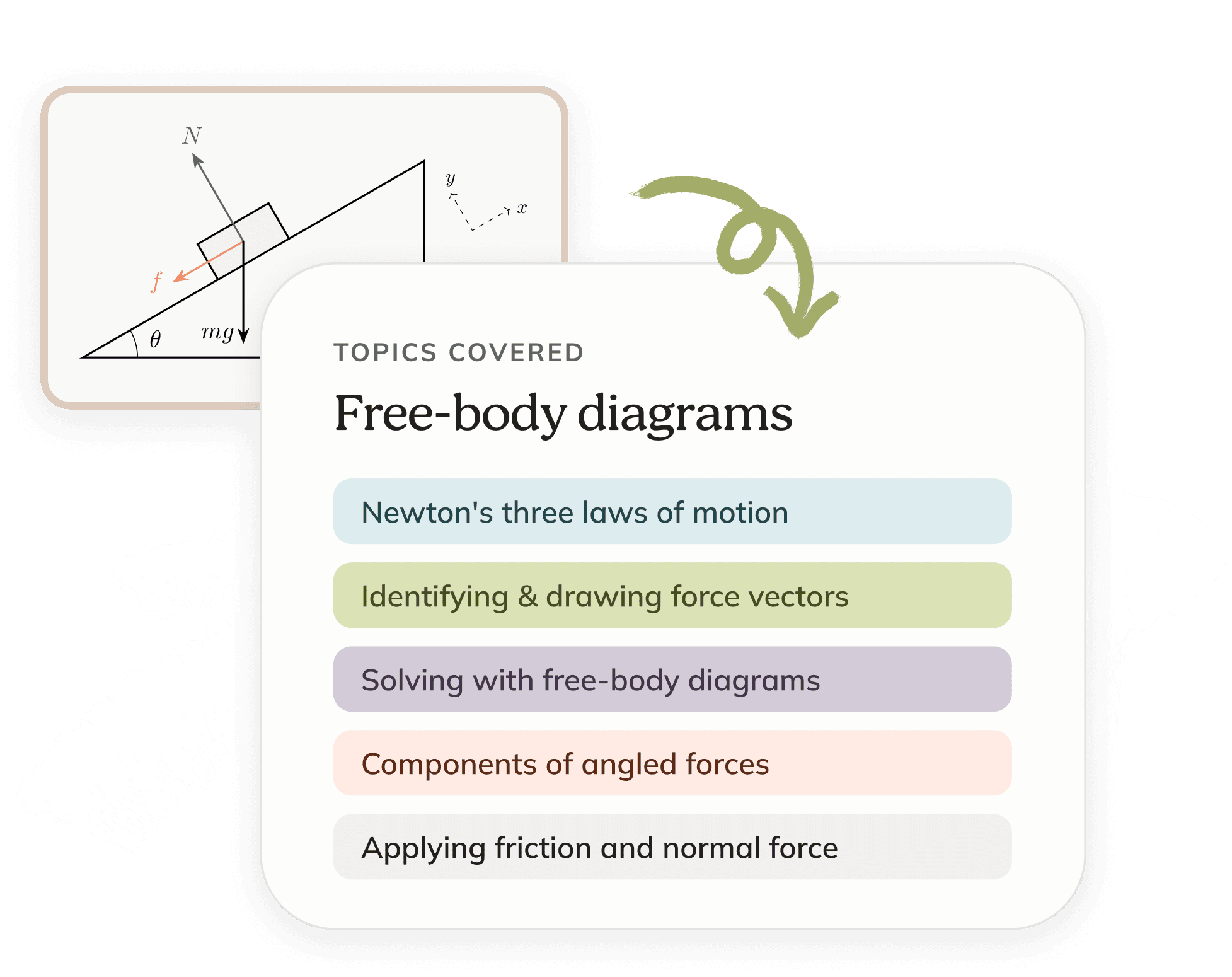
Aristotle draws steps, diagrams, and images to help you learn visually.
Get practice problems tailored to the exact topics you’re struggling with.
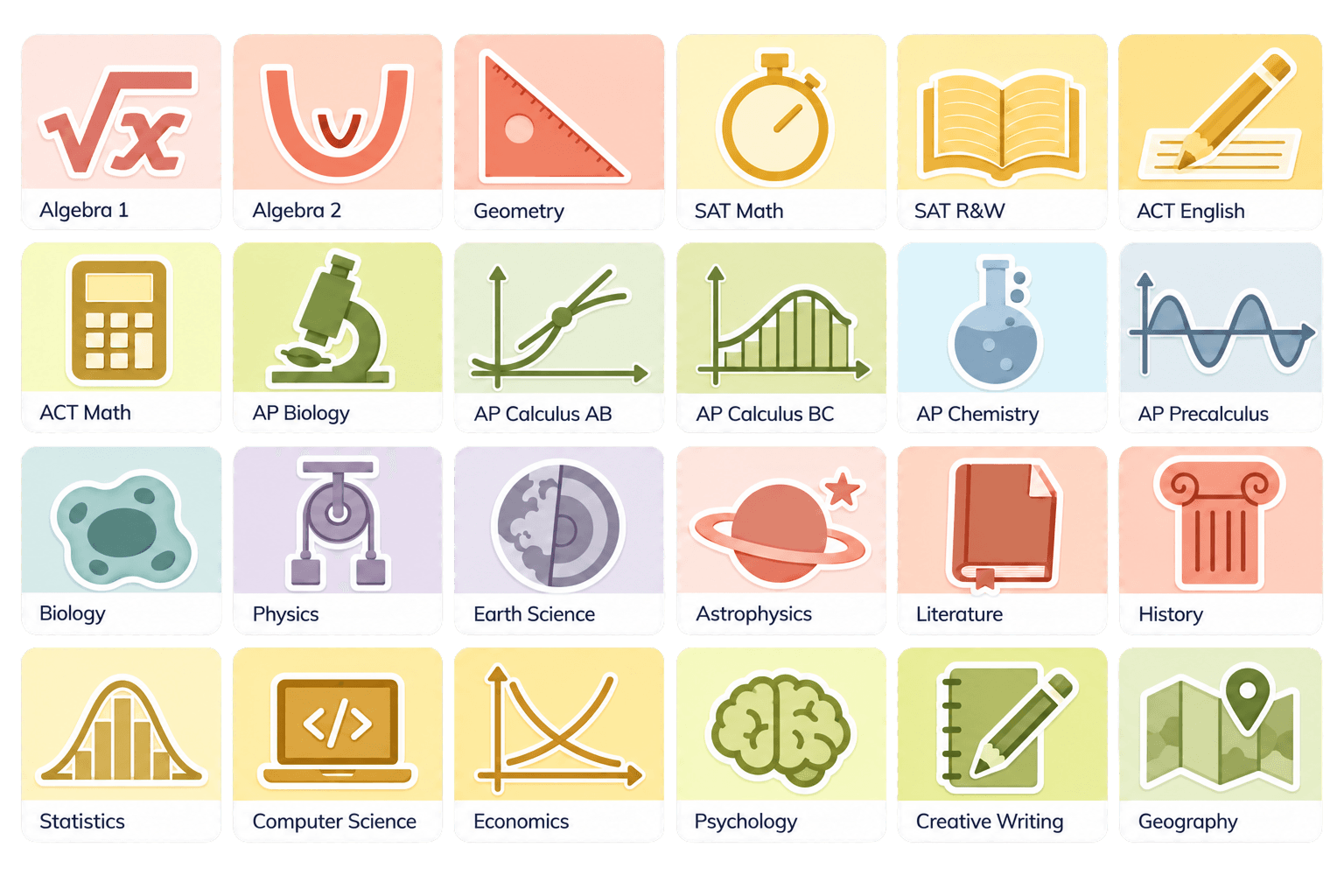
From middle-school math to AP exams to SAT/ACT prep. We also build custom plans matched to state standards and specific courses.
Revisit session summaries, session whiteboards, and uploads in one place.
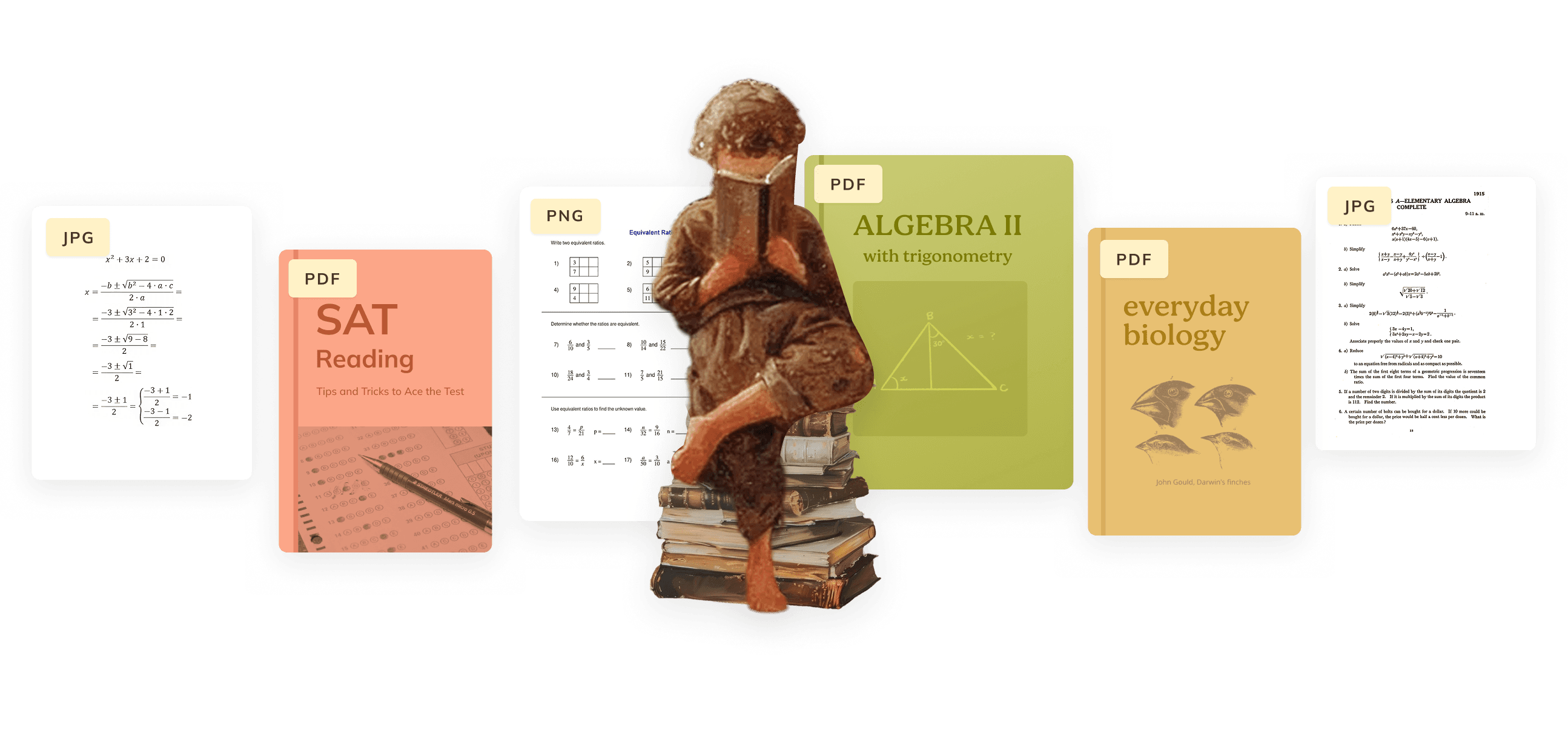
Aristotle can read and navigate any PDFs and images with the learner. That includes textbooks with hundreds of pages!
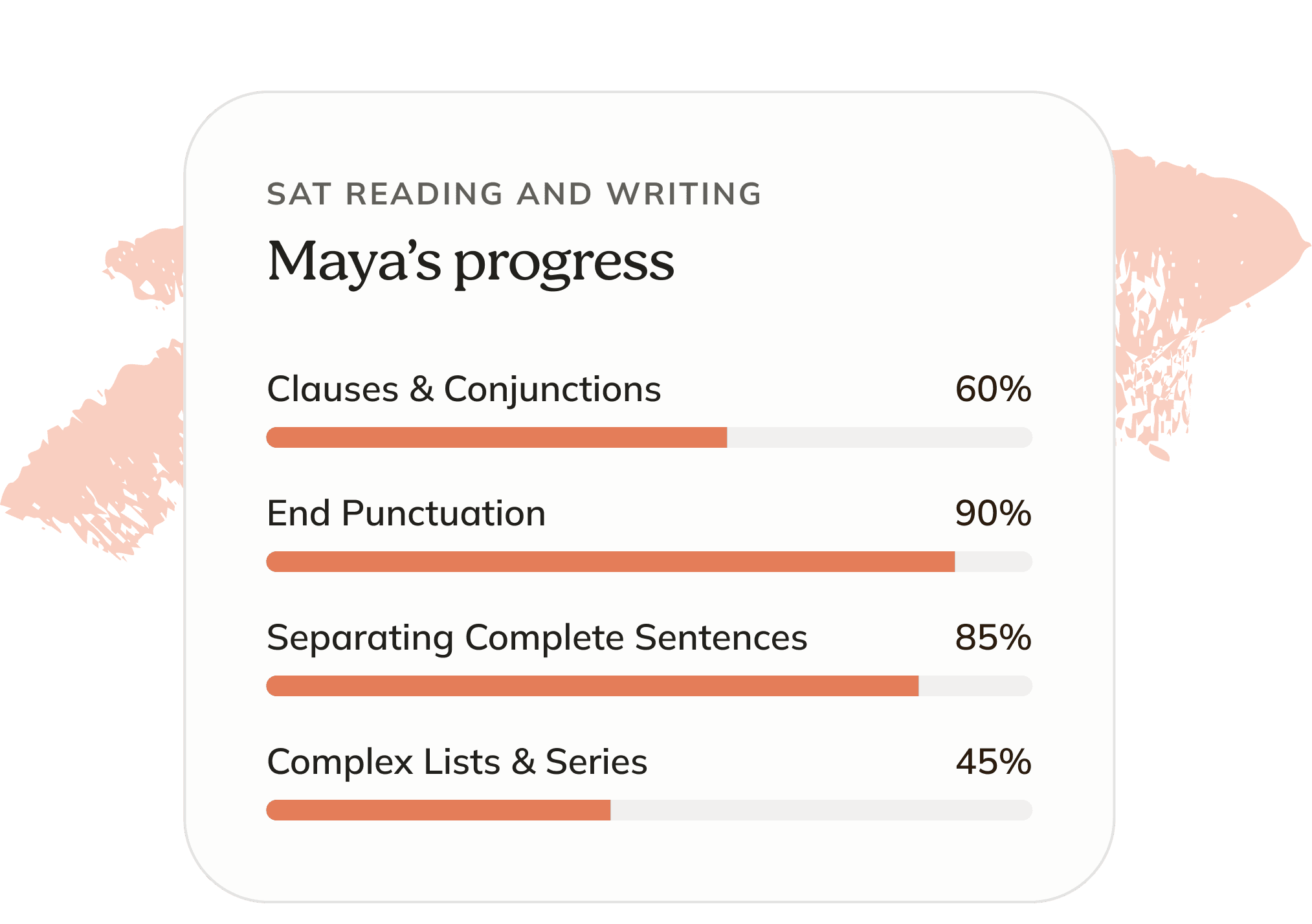
We break all subjects down into granular skills, then track mistakes and mastery on each one. Parents can see the whole picture at a glance.
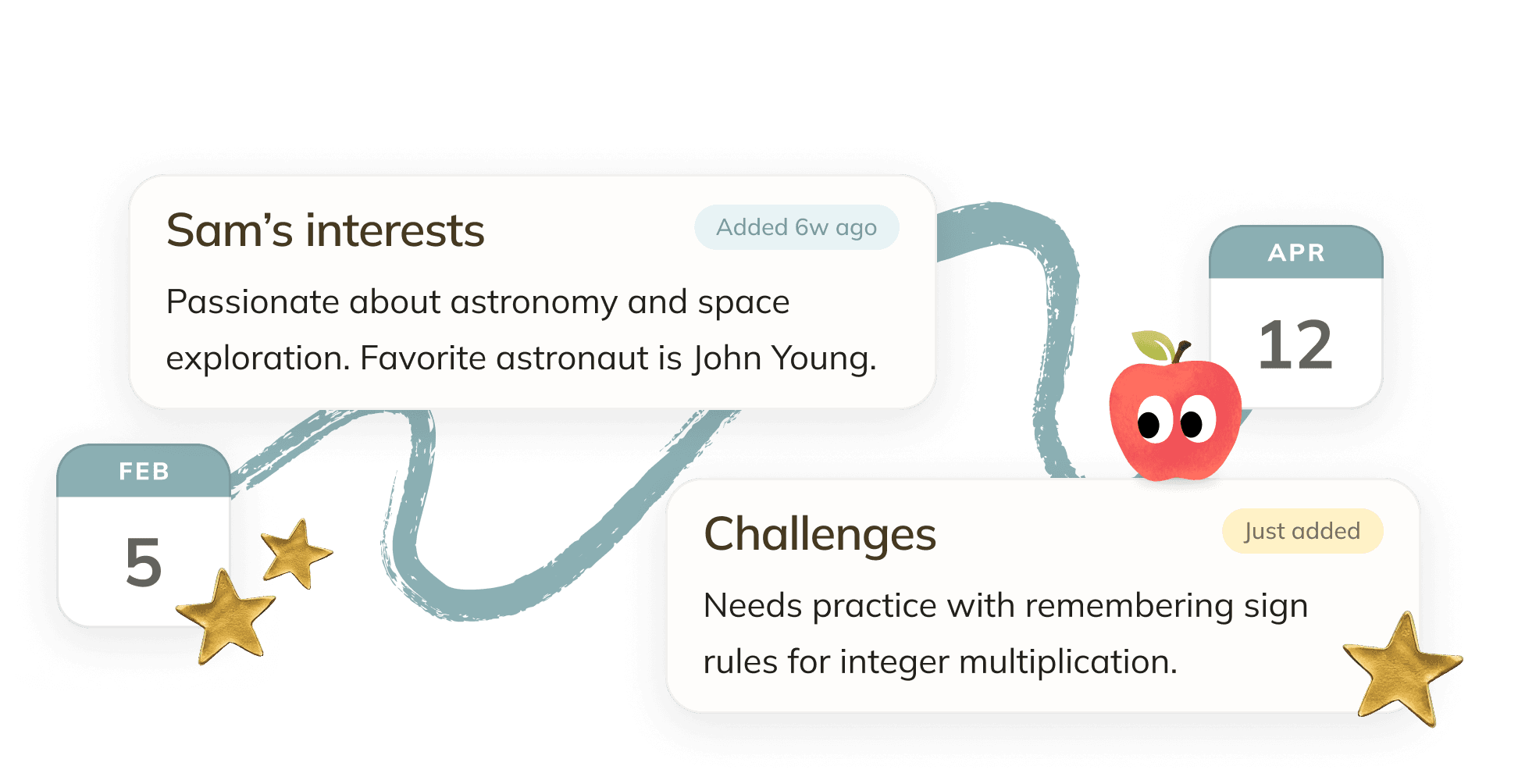
Aristotle remembers every session: what you’ve covered, where you got stuck, how you like things explained. It picks up right where you left off.
The curriculum
Aristotle is designed to always know what to teach at exactly the right time.
Sample curriculum
* Click a topic to see the skills inside
The Living World: Ecosystems
The Living World: Biodiversity
Populations
Earth Systems and Resources
Land and Water Use
Energy Resources and Consumption
Atmospheric Pollution
Aquatic and Terrestrial Pollution
Global Change
AP Environmental Science tutoring curriculum148 skills across 9 units
The Living World: Ecosystems
How energy and matter move through ecosystems: trophic structure and energy flow, primary productivity, the carbon, nitrogen, phosphorus, and hydrologic cycles, and how organisms interact within food webs and ecological niches. Topics: Species Interactions, Terrestrial and Aquatic Biomes, Biogeochemical Cycles, Energy Flow and Productivity.
The Living World: Biodiversity
What biodiversity is and why it matters: ecosystem services, the value of genetic and species diversity, island biogeography, ecological tolerance, natural disruptions, and how ecosystems respond and adapt to change over time. Topics: Biodiversity Levels and Ecosystem Services, Island Biogeography and Ecological Tolerance, Disturbance, Adaptation, and Succession.
Populations
How populations of organisms, including humans, grow and change: life-history strategies, carrying capacity, population growth models and calculations, age-structure diagrams, the demographic transition, and the factors that drive human population dynamics. Topics: Life-History Strategies and Survivorship, Population Growth, Limits, and Carrying Capacity, Human Population Dynamics.
Earth Systems and Resources
The physical Earth systems that supply environmental resources: plate tectonics and geologic processes, soil formation and properties, the atmosphere's structure and circulation, global wind and water patterns, solar radiation, seasons, and El Nino/La Nina. Topics: The Geosphere and Soil, Atmosphere, Circulation, and Watersheds, Solar Energy and Climate Drivers.
Land and Water Use
How humans use land and water and the environmental tradeoffs involved: agriculture and its impacts, irrigation and pest control, forestry and mining, ecological footprints, urbanization, sustainable practices, and the consequences of resource extraction. Topics: Land and Water Use Impacts, Agricultural Methods, Sustainability and Mitigation.
Energy Resources and Consumption
Where societies get energy and what each source costs the environment: renewable and nonrenewable resources, fossil fuels, nuclear power, and energy from biomass, solar, wind, hydro, and geothermal sources, global energy use patterns, and energy conservation and efficiency. Topics: Energy Resources and Global Consumption, Nonrenewable Energy: Fossil Fuels and Nuclear, Renewable Energy Sources, Energy Calculations and Conservation.
Atmospheric Pollution
The sources, chemistry, and control of air pollution: primary and secondary pollutants, combustion byproducts, photochemical and industrial smog, thermal inversions, acid deposition, indoor air pollutants, and strategies to reduce emissions. Topics: Air Pollutants and Their Sources, Air Quality Conditions and Special Cases, Reducing Air Pollution and Noise.
Aquatic and Terrestrial Pollution
How pollutants move through water and land and harm organisms: point and nonpoint sources, sewage and oxygen-demanding wastes, eutrophication, persistent and bioaccumulating toxins, solid and hazardous waste, and human health impacts including dose-response reasoning and pathogens. Topics: Water Pollution Sources and Contaminants, Nutrients, Oxygen, and Aquatic Habitat, Persistent Toxics and Biomagnification, Solid Waste, Waste Reduction, and Sewage Treatment, Toxicology and Human Health.
Global Change
Large-scale, often global environmental change driven by human activity: stratospheric ozone depletion, the greenhouse effect and global climate change, ocean warming and acidification, invasive species, endangerment and extinction, and sustainability responses. Topics: Stratospheric Ozone, Greenhouse Effect and Global Climate Change, Ocean Warming and Acidification, Threats to Biodiversity.
My son told me yesterday that we should cancel his human tutor, because Aristotle is doing a better job. The human tutor was $250/hour.

A few things you might wonder before getting started.
Aristotle's AP Environmental Science course tracks 148 skills across 9 units, mapped to the College Board framework, including The Living World: Ecosystems, The Living World: Biodiversity, and Populations. Every skill is linked to the skills it builds on, so the tutor always knows which parts of AP Environmental Science your child has mastered and what to teach next.
Check out our most recent blog posts.
This could be you
For homework, supporting your child, or anything you’ve always wanted to know more about, Aristotle makes it easy for anyone to learn out loud.