College Board framework
Every AP Comparative Government and Politics skill maps to a unit and topic in the College Board's course and exam description, so sessions match what the exam tests.

AP Comparative Government and Politics
Pioneered by Stanford AI researchers and learning scientists, Aristotle is the world's first voice-based AI tutor. Built for the AP Comparative Government and Politics course and exam.
Trusted by families at








AP exam prep
Aristotle tracks 136 AP Comparative Government and Politics skills, finds the ones costing your child points, and plans review back from the May exam.
Follows the College Board's units.
Your child talks it through. Aristotle coaches from the step that went wrong.
Any time before the exam. No booking.
See what's mastered and what's left.
Features
Talk things through, work side by side, and come back next time to a tutor who remembers where you left off.
Ask questions out loud, hear explanations in Aristotle’s voice, and interrupt whenever you need to.
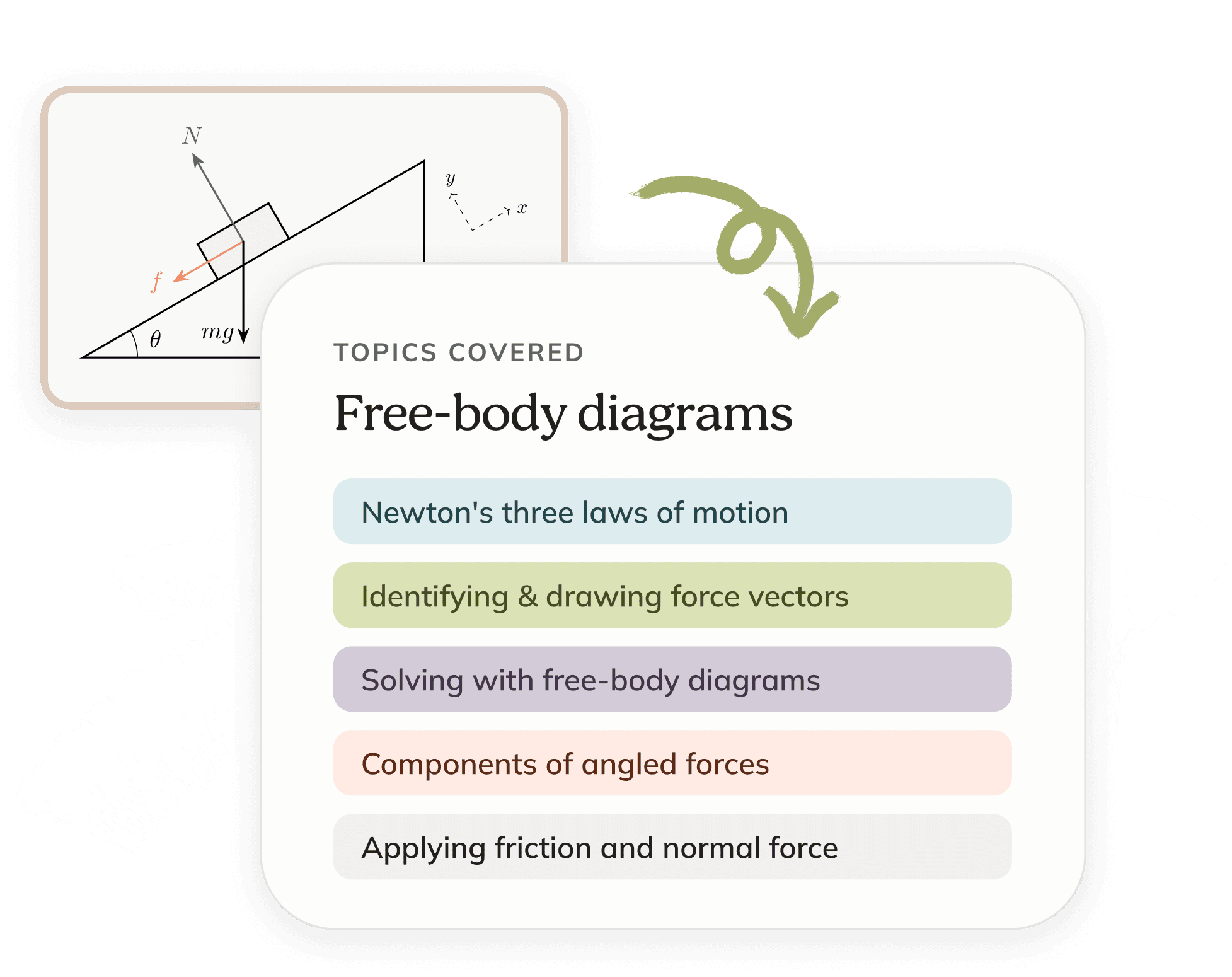
Aristotle draws steps, diagrams, and images to help you learn visually.
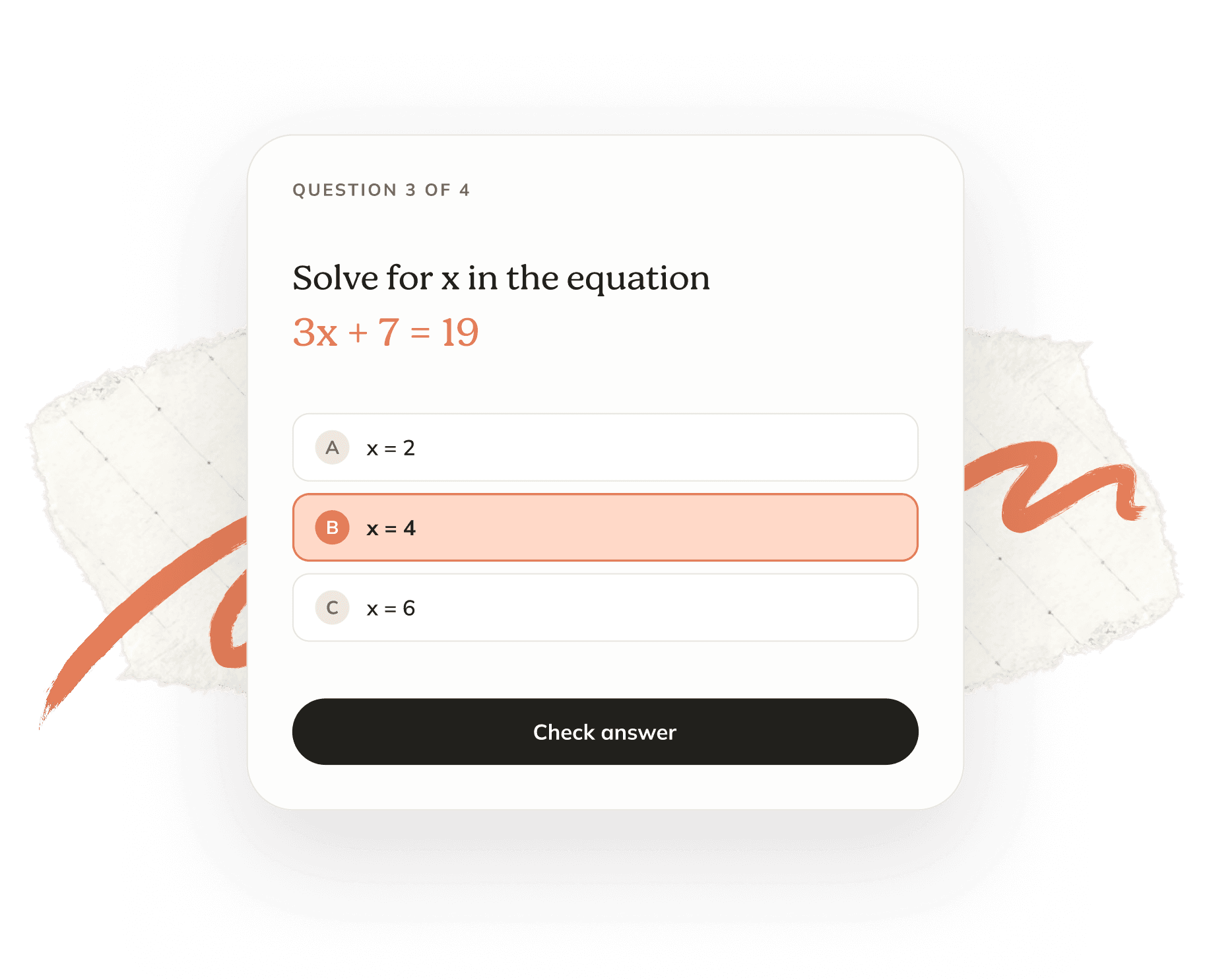
Get practice problems tailored to the exact topics you’re struggling with.
From middle-school math to AP exams to SAT/ACT prep. We also build custom plans matched to state standards and specific courses.
Revisit session summaries, session whiteboards, and uploads in one place.
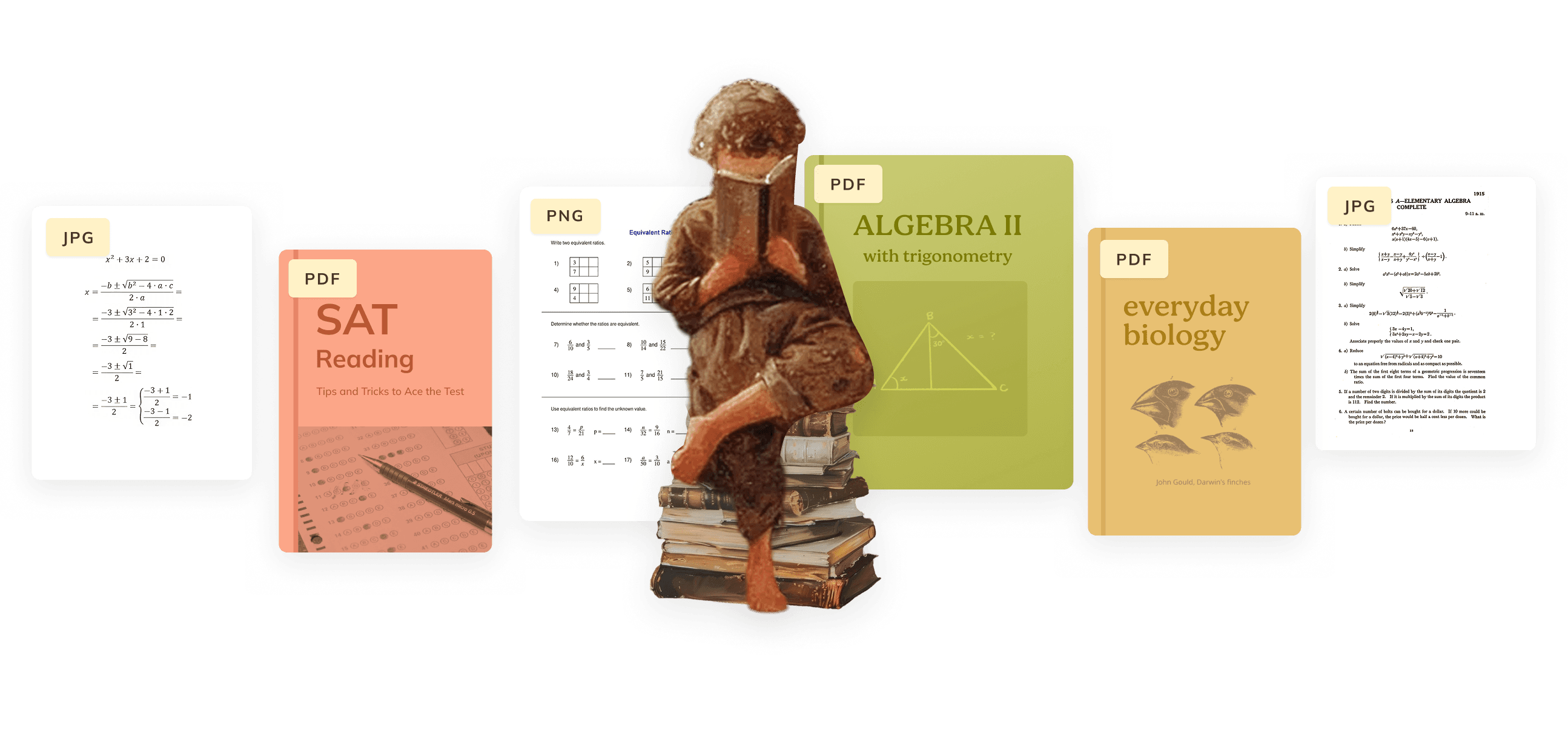
Aristotle can read and navigate any PDFs and images with the learner. That includes textbooks with hundreds of pages!
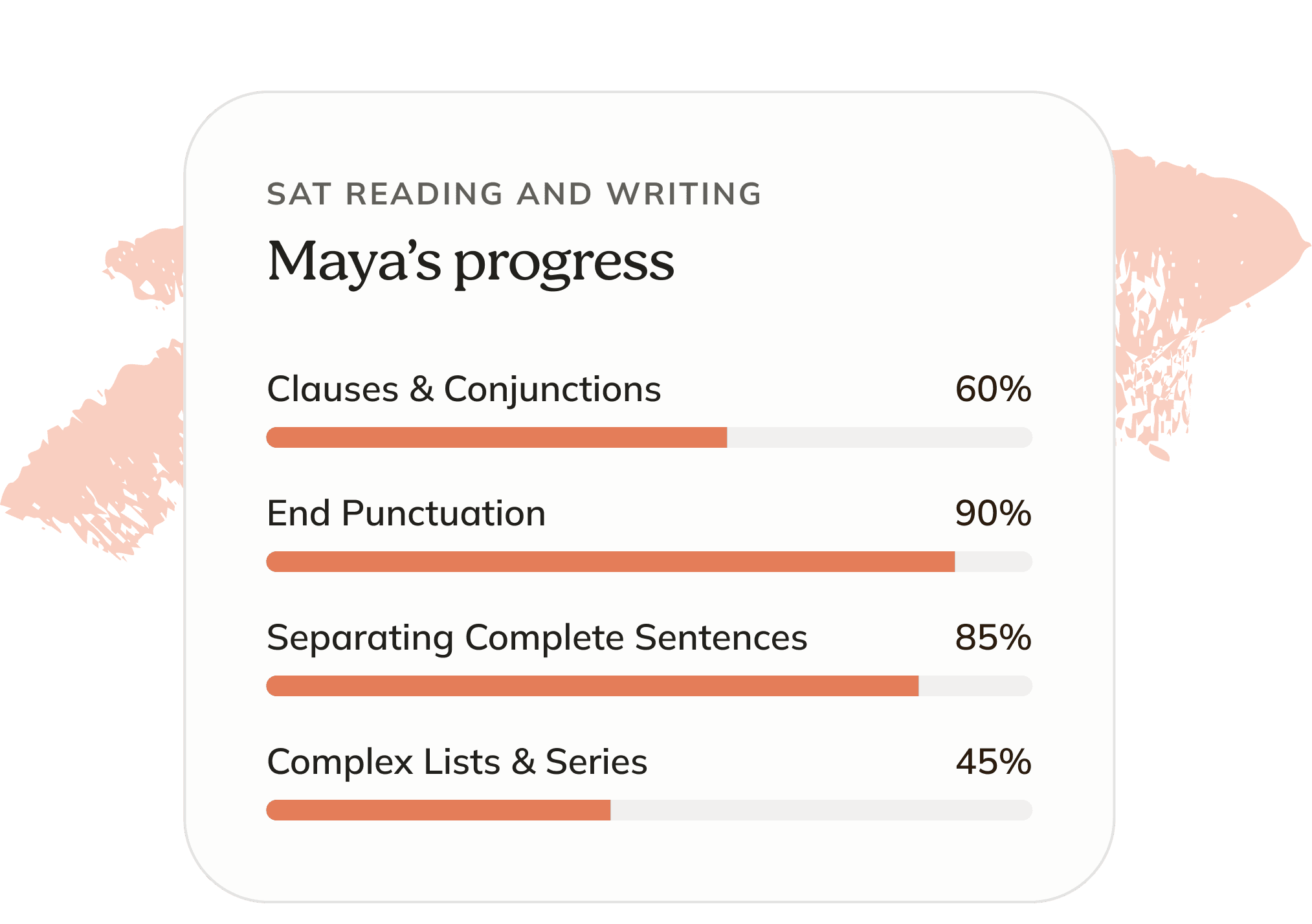
We break all subjects down into granular skills, then track mistakes and mastery on each one. Parents can see the whole picture at a glance.
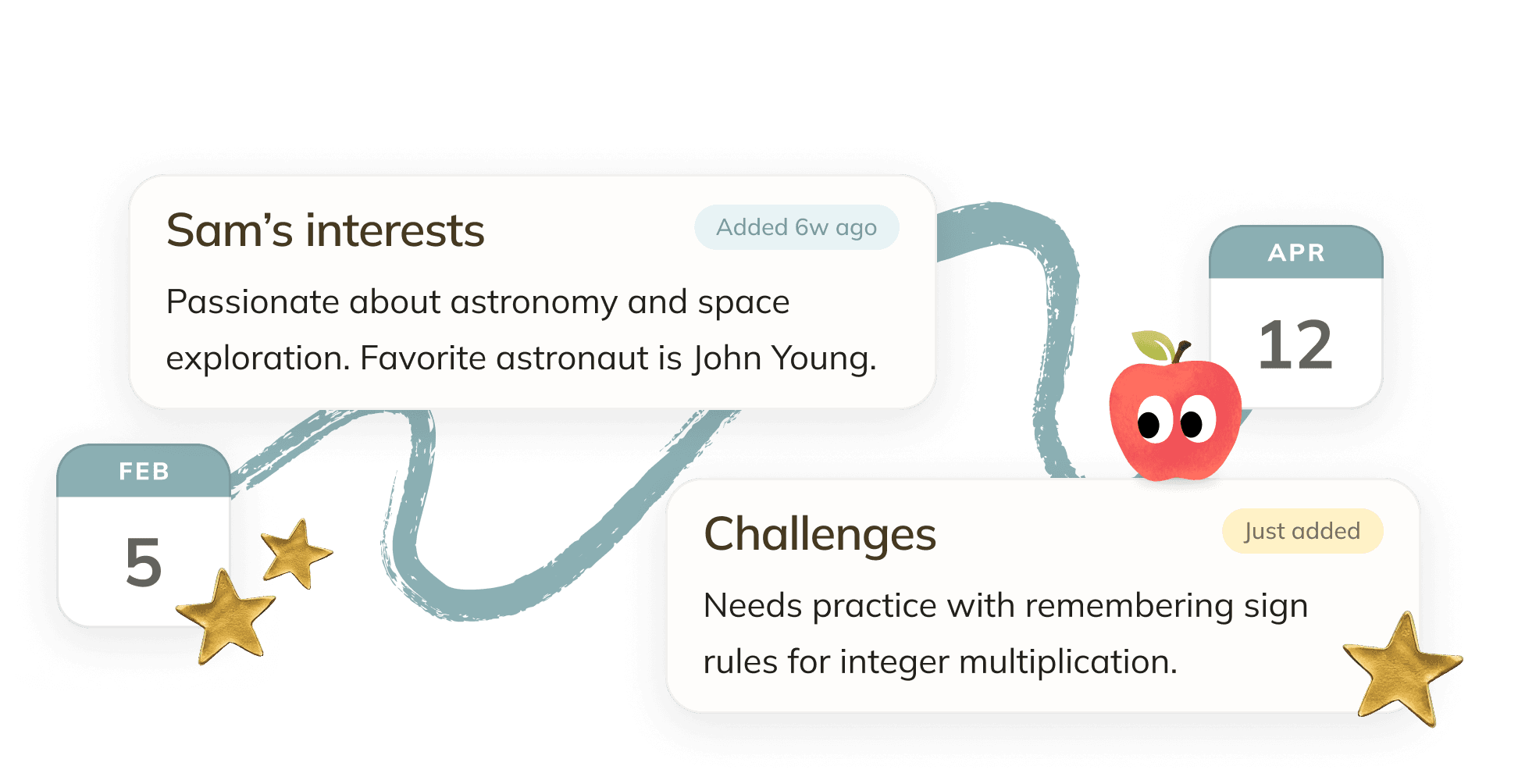
Aristotle remembers every session: what you’ve covered, where you got stuck, how you like things explained. It picks up right where you left off.
The curriculum
Aristotle is designed to always know what to teach at exactly the right time.
Sample curriculum
* Click a topic to see the skills inside
Political Analysis Skills
Political Systems, Regimes, and Governments
Political Institutions
Political Culture and Participation
Party and Electoral Systems and Citizen Organizations
Political and Economic Changes and Development
AP Comparative Government and Politics tutoring curriculum136 skills across 6 units
Political Analysis Skills
Political analysis uses concepts, country comparisons, quantitative data, written sources, and evidence-based arguments to explain how governments work. Topics: Concept Application, Country Comparison, Data Analysis, Source Analysis, Argumentation.
Political Systems, Regimes, and Governments
Political scientists compare how states organize power and how people accept or challenge their rule. Topics: The Practice of Political Scientists, Defining Political Organizations, Democracy vs. Authoritarianism, Democratization, Sources of Power and Authority, Change in Power and Authority, Federal and Unitary Systems, Political Legitimacy, Sustaining Legitimacy, Political Stability.
Political Institutions
Executives, legislatures, and courts divide the work of making, implementing, and interpreting policy. Topics: Parliamentary, Presidential, and Semi-Presidential Systems, Comparing Parliamentary, Presidential, and Semi-Presidential Systems, Executive Systems, Executive Term Limits, Removal of Executives, Legislative Systems, Independent Legislatures, Judicial Systems, Independent Judiciaries.
Political Culture and Participation
Citizens' beliefs and associations shape what they expect from government and how they take part in politics. Topics: Civil Society, Political Culture, Political Ideologies, Political Values and Beliefs, Nature and Role of Political Participation, Forces that Impact Political Participation, Civil Rights and Civil Liberties, Political and Social Cleavages, Challenges from Political and Social Cleavages.
Party and Electoral Systems and Citizen Organizations
Election rules and party organization determine how citizens gain representation and influence policy. Topics: Electoral Systems and Rules, Objectives of Election Rules, Political Party Systems, Role of Political Party Systems, Impact of Social Movements and Interest Groups, Pluralist and Corporatist Interests.
Political and Economic Changes and Development
Global markets, economic reforms, population movements, and natural resources change the choices governments face. Topics: Impact of Global Economic and Technological Forces, Political Responses to Global Market Forces, Challenges from Globalization, Policies and Economic Liberalization, International and Supranational Organizations, Adaptation of Social Policies, Impact of Industrialization and Economic Development, Causes and Effects of Demographic Change, Impact of Natural Resources.
My son told me yesterday that we should cancel his human tutor, because Aristotle is doing a better job. The human tutor was $250/hour.

A few things you might wonder before getting started.
Aristotle's AP Comparative Government and Politics course tracks 136 skills across 6 units, mapped to the College Board framework, including Political Analysis Skills, Political Systems, Regimes, and Governments, and Political Institutions. Every skill is linked to the skills it builds on, so the tutor always knows which parts of AP Comparative Government and Politics your child has mastered and what to teach next.
Check out our most recent blog posts.
This could be you
For homework, supporting your child, or anything you’ve always wanted to know more about, Aristotle makes it easy for anyone to learn out loud.