College Board framework
Every AP African American Studies skill maps to a unit and topic in the College Board's course and exam description, so sessions match what the exam tests.

AP African American Studies
Pioneered by Stanford AI researchers and learning scientists, Aristotle is the world's first voice-based AI tutor. Built for the AP African American Studies course and exam.
Trusted by families at









AP exam prep
Aristotle tracks 196 AP African American Studies skills, finds the ones costing your child points, and plans review back from the May exam.
Follows the College Board's units.
Your child talks it through. Aristotle coaches from the step that went wrong.
Any time before the exam. No booking.
See what's mastered and what's left.
Features
Talk things through, work side by side, and come back next time to a tutor who remembers where you left off.
Ask questions out loud, hear explanations in Aristotle’s voice, and interrupt whenever you need to.
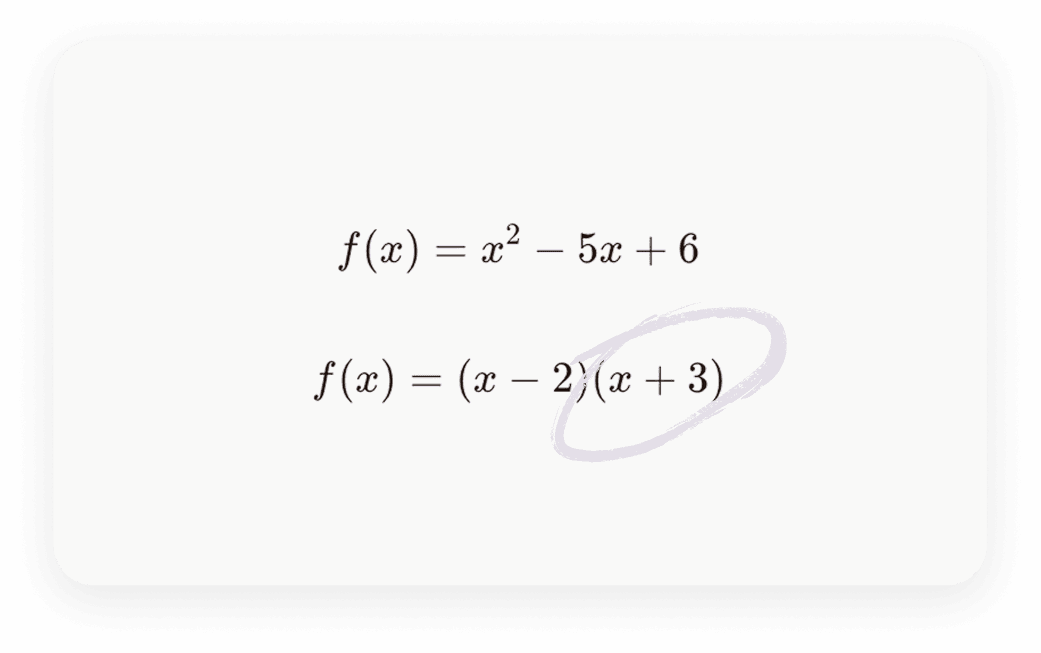
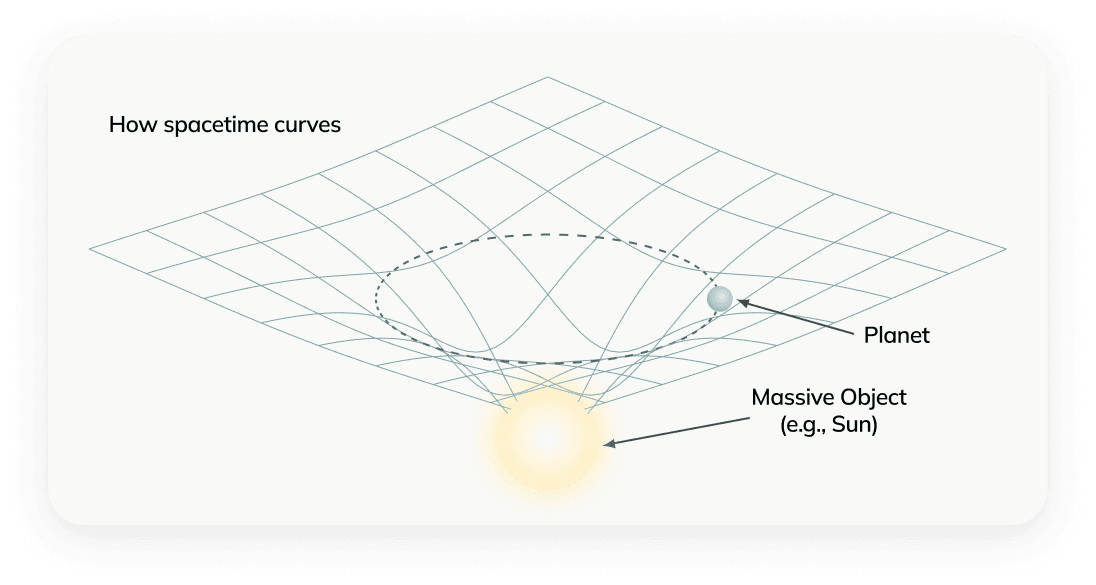
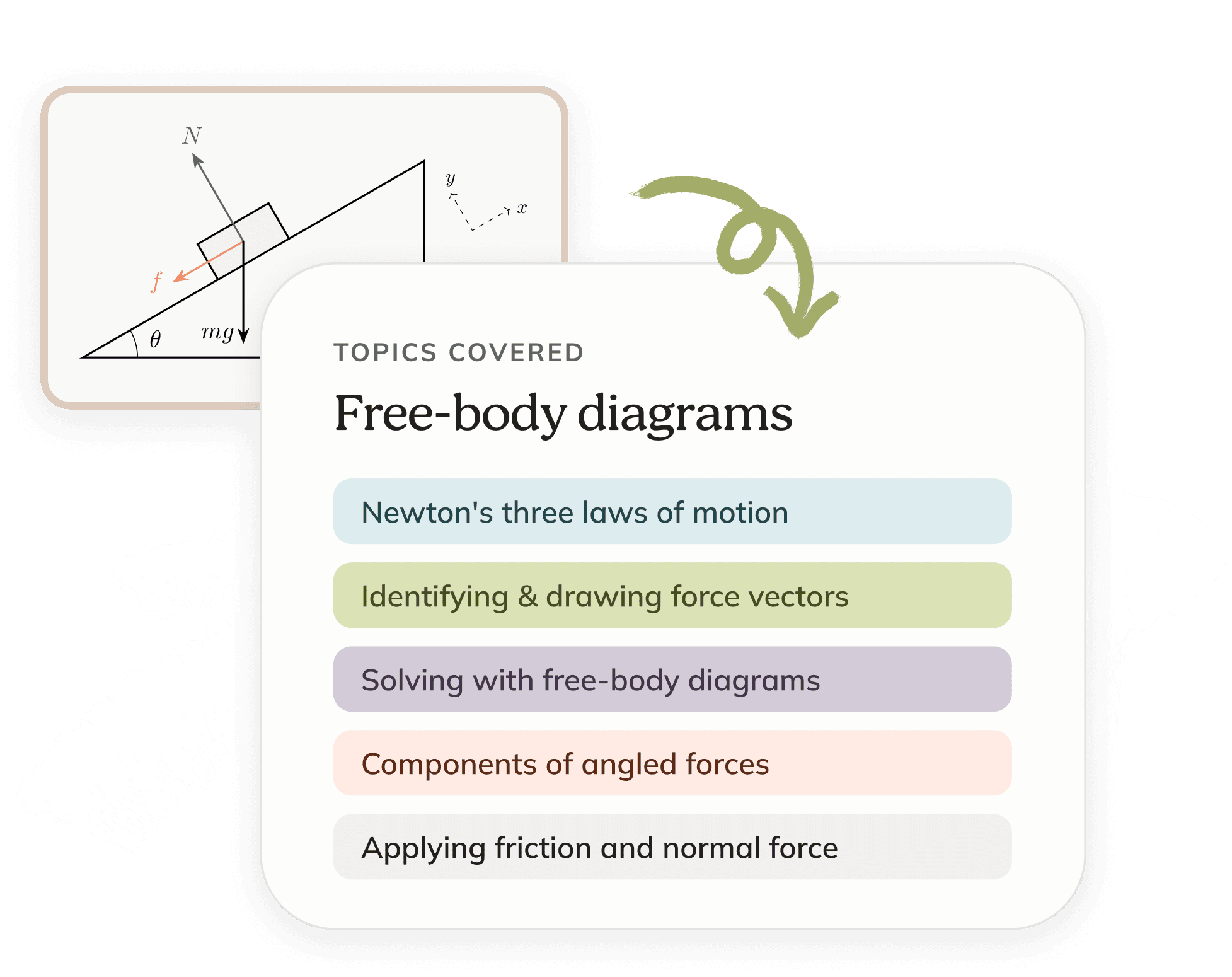
Aristotle draws steps, diagrams, and images to help you learn visually.
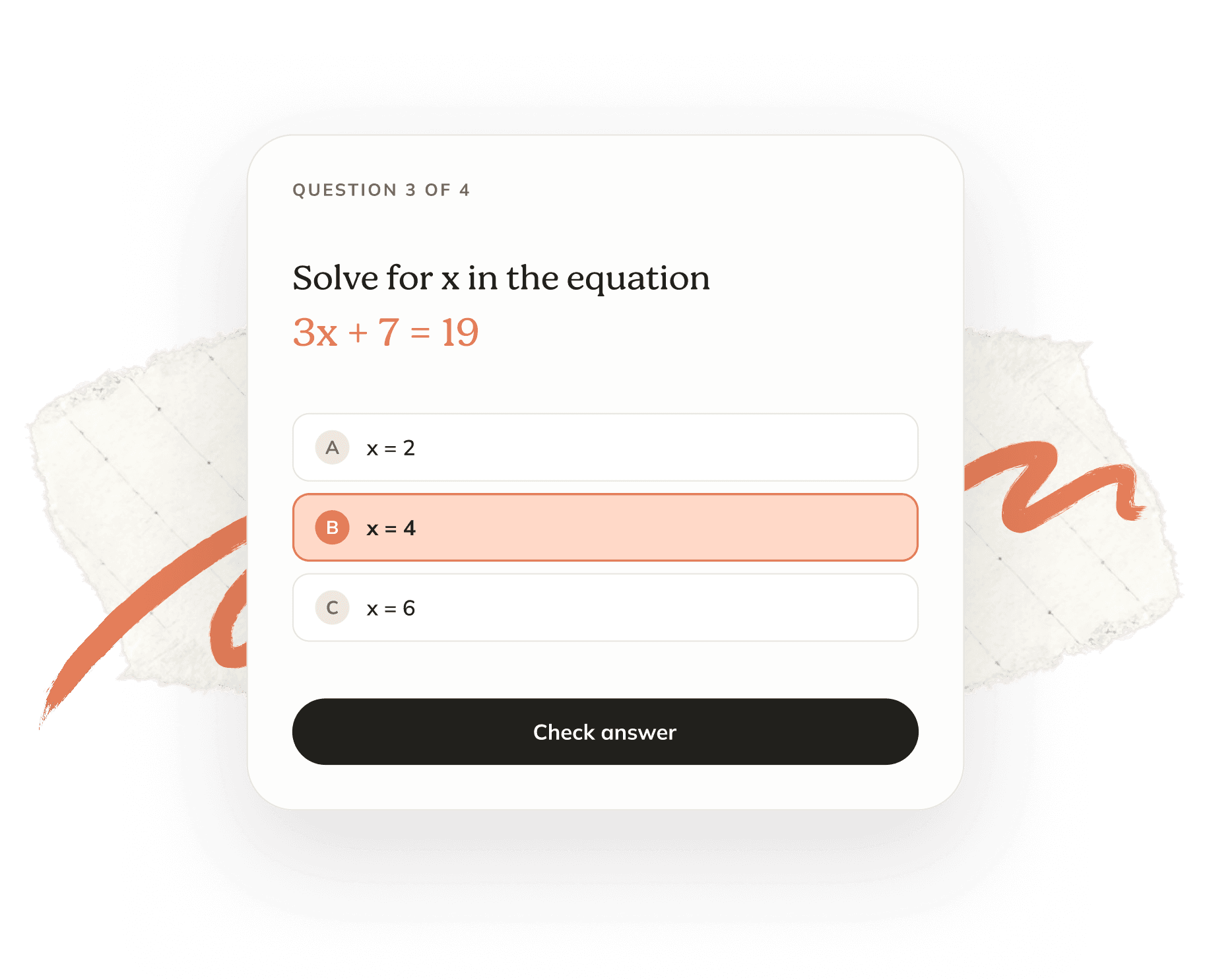
Get practice problems tailored to the exact topics you’re struggling with.
From middle-school math to AP exams to SAT/ACT prep. We also build custom plans matched to state standards and specific courses.
Revisit session summaries, session whiteboards, and uploads in one place.
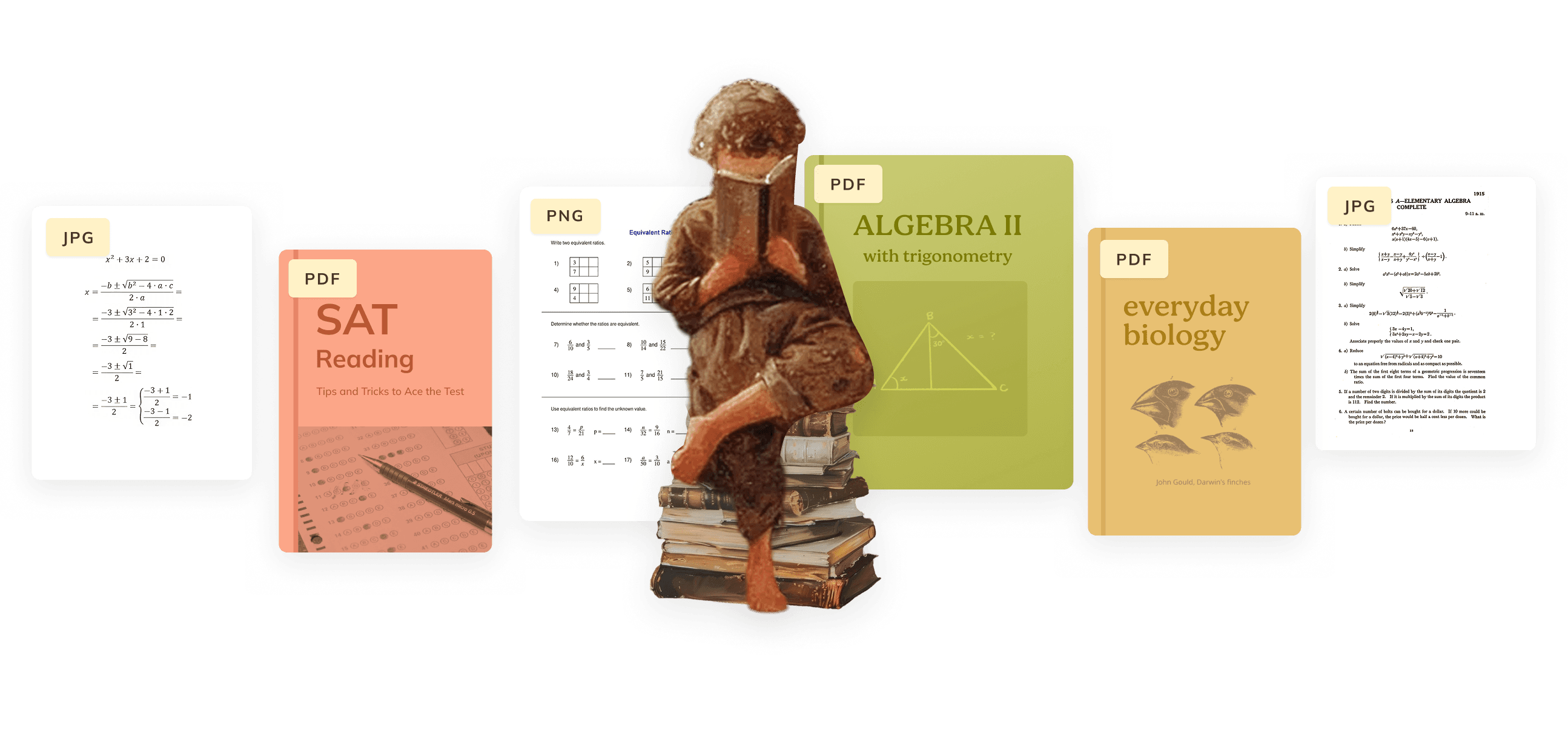
Aristotle can read and navigate any PDFs and images with the learner. That includes textbooks with hundreds of pages!
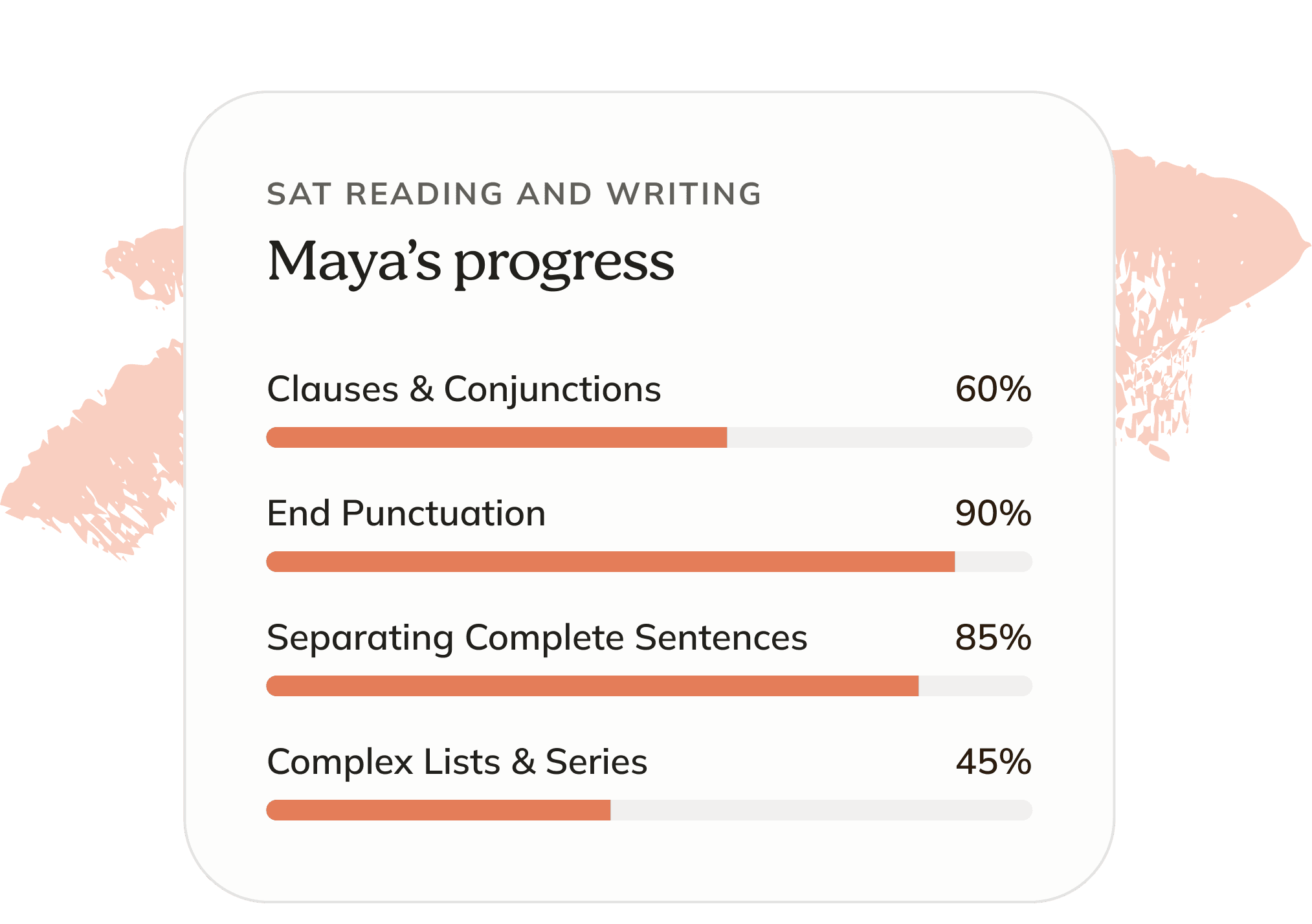
We break all subjects down into granular skills, then track mistakes and mastery on each one. Parents can see the whole picture at a glance.
Aristotle remembers every session: what you’ve covered, where you got stuck, how you like things explained. It picks up right where you left off.
The curriculum
Aristotle is designed to always know what to teach at exactly the right time.
Sample curriculum
* Click a topic to see the skills inside
Origins of the African Diaspora
Freedom, Enslavement, and Resistance
The Practice of Freedom
Movements and Debates
Historical and Source Analysis Skills
AP African American Studies tutoring curriculum196 skills across 5 units
Origins of the African Diaspora
African American Studies begins with Africa's diverse societies and their connections to the wider world. Topics: What Is African American Studies?, African Geography, Population Growth, and Ethnolinguistic Diversity, Africa's Ancient Societies, The Sudanic Empires and West African Learning Traditions, Indigenous Cosmologies and Religious Syncretism, Culture and Trade in Southern and East Africa, Kongo, Kinship, and Political Leadership, Global Africans.
Freedom, Enslavement, and Resistance
This unit follows Africans and their descendants through early American colonization, the Atlantic slave trade, and the growth of racial slavery. Topics: African Explorers and the Geography of the Slave Trade, Capture, the Middle Passage, and Resistance at Sea, Slave Auctions, Labor, and the American Economy, Slave Law, Racial Classification, and Inherited Status, Creating African American Culture and Naming Black Identity, Stono, Fort Mose, and the Haitian Revolution, Everyday Resistance, Revolts, and Free Black Organizing, Maroon Societies, Brazil, and Relations with Indigenous Peoples, Emigration, Radical Resistance, and the Underground Railroad, Art, Photography, and Women's Narratives of Resistance, The Civil War, Emancipation, and Freedom Days.
The Practice of Freedom
African Americans claimed citizenship, rebuilt families, and created institutions after emancipation while confronting restrictions on land, labor, voting, and public life. Topics: Reconstruction Citizenship and Family Life, Black Codes, Land, and Labor, The Defeat of Reconstruction and Jim Crow, White Supremacist Violence and the Red Summer, The Color Line and Strategies for Black Advancement, Black Institutions, Higher Education, and Community Life, The New Negro Movement, Photography, and Poetry, Black Performance and the Study of Black History, Migration and Pan-African Organizing.
Movements and Debates
Black freedom movements linked struggles against segregation in the United States with anticolonial movements abroad. Topics: Négritude, Negrismo, and Anticolonial Solidarity, World War II, School Desegregation, and Housing Discrimination, Civil Rights Organizations and Grassroots Leadership, The Arts, Music, and Politics of Freedom, Black Power, the Black Arts Movement, and the Black Panthers, Black Beauty, Afrocentricity, and Black Feminist Thought, Economic Change, Political Representation, and Community Diversity, African American Music and Black Life on Stage and Screen, African Americans and Sports, Science, Medicine, Black Studies, and Afrofuturism.
Historical and Source Analysis Skills
African American Studies uses historical reasoning, source analysis, and evidence-based arguments to investigate Black experiences in Africa and the diaspora. Topics: Applying Disciplinary Knowledge, Source Analysis, Argumentation.
My son told me yesterday that we should cancel his human tutor, because Aristotle is doing a better job. The human tutor was $250/hour.

A few things you might wonder before getting started.
Aristotle's AP African American Studies course tracks 196 skills across 5 units, mapped to the College Board framework, including Origins of the African Diaspora, Freedom, Enslavement, and Resistance, and The Practice of Freedom. Every skill is linked to the skills it builds on, so the tutor always knows which parts of AP African American Studies your child has mastered and what to teach next.
Check out our most recent blog posts.

This could be you
For homework, supporting your child, or anything you’ve always wanted to know more about, Aristotle makes it easy for anyone to learn out loud.